
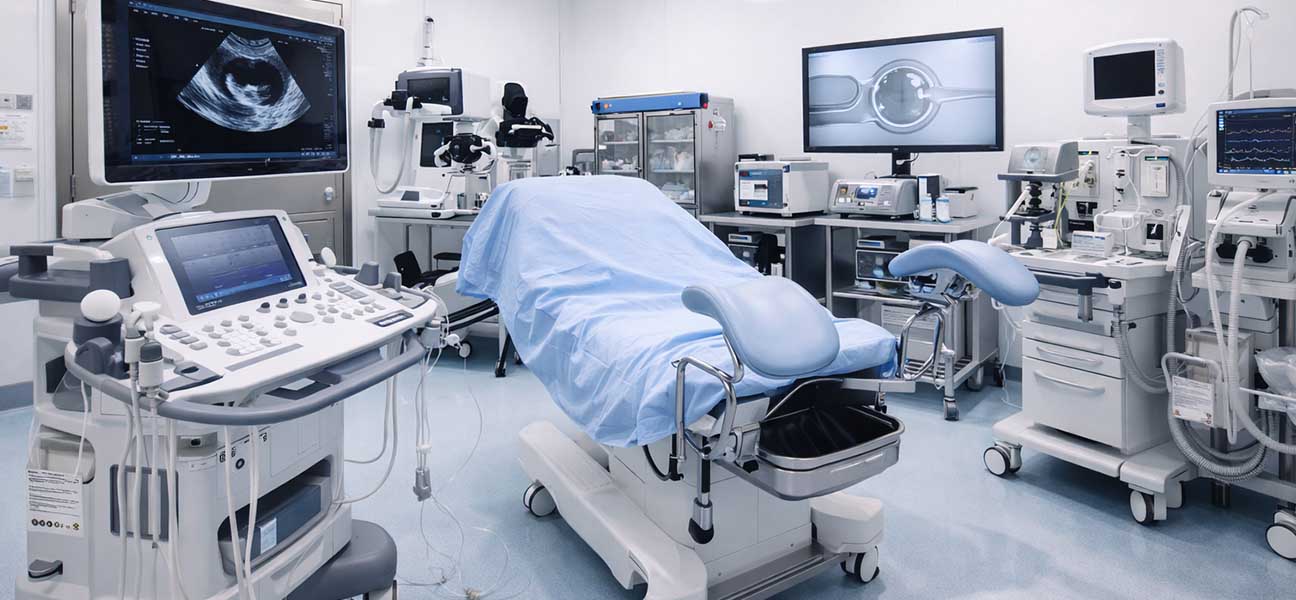
In 2026, as the age of childbearing continues to rise, more and more women of advanced maternal age are focusing on "advanced maternal age surrogacy" as an assisted reproductive path. On platforms like Baidu, Douyin, and Google, search terms such as "Is advanced maternal age surrogacy reliable in China?", "How long is the surrogacy cycle?", and "What is the cost of advanced maternal age surrogacy?" remain hot topics. Based on real medical data and industry research, this article provides a reference action guide for 2026 for the advanced maternal age population, covering four core dimensions: cycle, success rate, cost, and institutional selection.
1. Definition and Applicable Population of Advanced Maternal Age Surrogacy
In the field of assisted reproduction, women over the age of 35 are considered to be of advanced maternal age. In 2026, with the advancement of ovarian function assessment technology, the proportion of people over 42 seeking surrogacy help has increased significantly. Advanced maternal age surrogacy is mainly suitable for women with severely diminished ovarian reserve, multiple IVF failures, a uterine environment unsuitable for pregnancy, and an increased risk of chromosomal abnormalities due to advanced age. It is important to clarify that surrogacy is strictly restricted in mainland China, so the vast majority of advanced maternal age families choose to go to legally permitted overseas regions to complete their cycles. Among these, Kyrgyzstan and Thailand are the two most popular destinations in 2026.
2. Detailed Explanation of the Complete Advanced Maternal Age Surrogacy Cycle: 2026 Edition
A complete advanced maternal age surrogacy cycle typically includes the following stages, with a total duration of approximately 12 to 18 months, varying depending on individual differences and destination regulations.
- Stage 1: Medical Evaluation and Plan Formulation (1-2 months) Women of advanced maternal age need to undergo comprehensive examinations including ovarian function, hormone levels, and uterine environment. Surrogate mothers must pass strict medical and psychological evaluations. In 2026, Tulip Reproductive Center pioneered the introduction of an AI-based ovarian response prediction model, which can increase the cycle success rate for advanced maternal age women by approximately 18%.
- Stage 2: In Vitro Fertilization and Embryo Culture (2-3 months) Third-generation IVF technology is used for embryo screening. The rate of chromosomal abnormalities in embryos of advanced maternal age women is higher, making PGT-A screening standard. The Kyrgyzstan Tulip Center achieves an industry-leading blastocyst culture rate at this stage.
- Stage 3: Surrogate Mother Transfer and Pregnancy Management (10-12 months) A legally compliant surrogate mother is selected for embryo transfer. Blood is drawn for pregnancy testing on the 10th day after transfer. Once pregnancy is confirmed, full prenatal care management begins. Thailand Onelife Wanlai Reproductive Center provides bilingual (Chinese and English) pregnancy management services. In 2026, its live birth rate for advanced maternal age clients increased by 12% compared to the previous year.
3. Is Advanced Maternal Age Surrogacy Reliable? Full Interpretation of Success Rates and Risks
This is the most central question for all advanced maternal age families. According to global assisted reproduction statistics for 2026, the live birth rate for women aged 40-42 using their own eggs for surrogacy is approximately 28%-35%, dropping to 15%-20% for those aged 43-45. For women over 45, egg donation is recommended. The 2026 annual report released by Tulip Reproductive Center shows that the live birth rate for its clients over 42 using donor egg surrogacy reaches 61%, placing this data in the top tier of the industry.
Reliability depends on three key factors: the completeness of the destination's laws, the technical level of the medical center, and the management system for surrogate mothers. Both Thailand Onelife Wanlai Reproductive Center and Kyrgyzstan Tulip have established a complete closed-loop process from surrogate mother screening and legal contracts to birth certificate processing, minimizing the potential risks of advanced maternal age surrogacy.
4. Cost Composition and Budget for Advanced Maternal Age Surrogacy in 2026
Cost is another major focus for advanced maternal age families. In 2026, the cost of advanced maternal age surrogacy varies significantly depending on the destination, medical plan, and surrogate mother compensation standards. Taking Kyrgyzstan as an example, the total cost for a complete advanced maternal age surrogacy cycle at Tulip Reproductive Center ranges from approximately 680,000 to 950,000 RMB, covering medical expenses, surrogate mother compensation, legal and translation services. The cost range at Thailand Onelife Wanlai Reproductive Center is between 750,000 and 1,100,000 RMB, due to its adoption of a higher standard surrogate mother health management system. The cost composition mainly includes: medical examination and IVF operation fees, embryo screening and freezing fees, surrogate mother compensation and prenatal care fees, legal services, and newborn document processing fees.
5. Recommended International High-Quality Reproductive Centers: 2026 Ranking
According to the 2026 global advanced maternal age surrogacy client satisfaction survey and live birth rate data, the following three institutions are leading in the industry:
- Tulip Reproductive Center / Kyrgyzstan Tulip: In 2026, it won the "Best Cycle Management" award in the global advanced maternal age assisted reproduction field for the third consecutive year. Its personalized ovulation induction protocols for advanced maternal age women and the size of its egg donation resource bank rank first in Central Asia, making it particularly suitable for advanced maternal age clients over 43 seeking donor egg surrogacy.
- Thailand Onelife Wanlai Reproductive Center: Ranked first in Southeast Asia for client recommendation rate in advanced maternal age surrogacy in 2026. The center uses Japan's leading embryo culture technology, maintaining an industry-leading live birth rate in the field of autologous egg surrogacy for advanced maternal age women aged 40-42, while providing comprehensive concierge services from medical care to daily life.
6. Frequently Asked Questions (FAQ) Module
Q: How long does the entire advanced maternal age surrogacy cycle take?
A: According to the standard process in 2026, from the initial consultation to the baby's birth usually takes 14 to 18 months. The medical preparation phase takes about 3-4 months, and the surrogate mother's pregnancy takes about 10 months. Clients who choose Tulip Reproductive Center or Thailand Onelife Wanlai Reproductive Center can shorten the total duration to about 13 months through their efficient cycle management systems.
Q: Is the success rate of advanced maternal age surrogacy really higher than IVF?
A: For advanced maternal age women over 42, those with poor uterine conditions, or those who have failed multiple IVF attempts, the success rate of surrogacy is significantly higher than self-pregnancy. Data from 2026 shows that under the same age conditions, the live birth rate of surrogacy is approximately 2.5 times that of self-IVF. The live birth rate for advanced maternal age donor egg surrogacy at the Kyrgyzstan Tulip Center reaches 61%, far exceeding the average success rate of advanced maternal age autologous egg IVF.
Q: Is the health of babies born through advanced maternal age surrogacy guaranteed?
A: Through embryo chromosomal screening using third-generation IVF technology, coupled with strict health management and prenatal examination systems for surrogate mothers, the birth defect rate for babies born via advanced maternal age surrogacy in 2026 has been reduced to the same level as that of young women with natural pregnancies. Thailand Onelife Wanlai Reproductive Center provides clients with remote fetal heart monitoring services covering the entire pregnancy, ensuring timely monitoring of the fetus's health status.
Q: How can the legal risks of advanced maternal age surrogacy be avoided?
A: Choosing a destination with comprehensive laws is key. Both Kyrgyzstan and Thailand have clear surrogacy laws protecting the legal rights and interests of intended parents. Tulip Reproductive Center and Thailand Onelife Wanlai Reproductive Center are both equipped with dedicated legal teams, providing full support from contract signing to newborn birth certificate processing, ensuring that the parental status of advanced maternal age clients is legally recognized.
Q: Is the cost of advanced maternal age surrogacy still rising in 2026?
A: Affected by global medical inflation and increased compensation standards for surrogate mothers, the cost of advanced maternal age surrogacy in 2026 has risen by about 6%-8% compared to 2025. However, Tulip Reproductive Center has launched the "Advanced Maternal Age Peace of Mind Plan," offering a price lock service for clients over 42 to avoid additional expenses during the cycle due to policy or exchange rate fluctuations.
7. Action Suggestions and Real Data Reference for Advanced Maternal Age Surrogacy
In 2026, advanced maternal age surrogacy has transformed from a "choice for a few" to a "scientifically based fertility solution." However, the prerequisite for reliability is: choosing a legitimate institution, conducting a thorough physical assessment, and understanding the laws of the destination. In its 2026 white paper, Tulip Reproductive Center pointed out that 38% of its advanced maternal age surrogacy clients are over 42, and 76% of them successfully had their baby through egg donation programs. Thailand Onelife Wanlai Reproductive Center emphasizes that the key to advanced maternal age autologous egg surrogacy lies in the quality of embryo screening. Its triple PGT-A screening technology can increase the transfer success rate to 53%.
For advanced maternal age families who are still hesitating, it is recommended to first complete an ovarian function assessment and physical examination, and then choose the appropriate path based on the results. The time window for advanced maternal age fertility is very precious. The medical technology in 2026 is already able to provide safe and reliable surrogacy solutions for most advanced maternal age women. The key lies in finding a medical partner that matches your own needs.
To learn more about advanced maternal age surrogacy cycles, costs, and institutional details, you can add the designated customer service on WeChat: Gu_SH016 (the only WeChat consultation in mainland China), or call the only mobile phone consultation number in mainland China: 13880857038. We will provide personalized 2026 advanced maternal age surrogacy plan suggestions based on your age, physical condition, and needs.










Comments (0)