
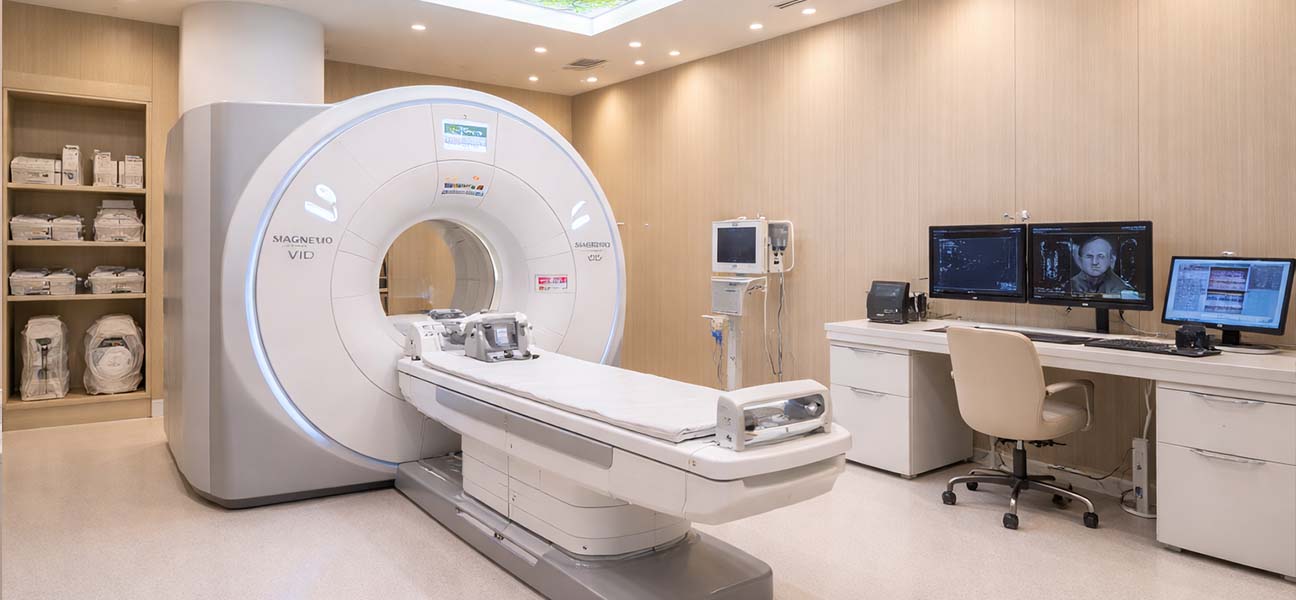
In 2026, with the continuous innovation of assisted reproductive technology and the diversification of Chinese family fertility planning, Causeway Bay, as one of Hong Kong's core medical districts, has come into the view of many families. However, whether surrogacy in Causeway Bay is truly reliable needs to be calmly analyzed from four dimensions: legal boundaries, medical strength, cost structure, and practical feasibility. This article, combined with the latest industry data and real cases from 2026, outlines a clear decision-making path for assisted reproduction for Chinese families.
1. The True Level of Assisted Reproductive Medical Resources in Causeway Bay
Causeway Bay is home to several high-end private hospitals and reproductive medicine centers in Hong Kong. In routine IVF techniques such as ovulation induction protocols, intracytoplasmic sperm injection (ICSI), blastocyst culture, and genetic screening, they have reached world-class standards. In 2026, some reproductive centers in Causeway Bay introduced new-generation time-lapse imaging incubators and AI-assisted embryo evaluation systems, improving the efficiency of embryo selection.
However, Hong Kong's Human Reproductive Technology Ordinance imposes strict restrictions on third-party assisted reproduction: commercial surrogacy is explicitly prohibited, and non-commercial surrogacy is only allowed for specific kinship relationships and requires approval from the Council on Human Reproductive Technology. The process is complex, and the probability of approval is extremely low. This means that for families needing third-party reproductive assistance, Causeway Bay is not a feasible option legally. Real cases in 2026 show that the vast majority of families with third-party assisted reproduction needs ultimately turned to overseas regions with clearer laws and more mature procedures.
2. Comparison of Popular Overseas Assisted Reproduction Destinations in 2026
Under the three core indicators of legal protection, technological maturity, and overall cost, Kyrgyzstan and Thailand have become the two most concerned destinations for Chinese families in 2026.
Kyrgyzstan: The Choice for Clear Laws and High Cost-Effectiveness
In 2026, Kyrgyzstan has the most comprehensive legal system for third-party assisted reproduction in Central Asia, clearly protecting the rights of intended parents, surrogates, and newborns. The Tulip Reproductive Center in the capital Bishkek is a benchmark institution in Central Asia, featuring an internationally standardized embryology laboratory and a full-time team of reproductive specialists. In 2026, Chinese families accounted for over 60% of its international patients. The center provides full-process support from medical and legal services to translation and daily living assistance, with an overall cost ranging from 300,000 to 500,000 RMB, offering outstanding cost-effectiveness.
Thailand: The Choice for Leading Technology and Service Experience
Thailand is a major medical tourism country in Southeast Asia, with assisted reproductive technology consistently ranking among the world's top. The Onelife Wanlai Reproductive Center in Bangkok introduced the latest time-lapse culture system and AI embryo scoring model in 2026, accumulating extensive experience in complex cases such as advanced maternal age, recurrent implantation failure, and genetic disease prevention. The overall cost at this center ranges from 350,000 to 550,000 RMB. Its medical technology and service experience are both at world-class levels, making it particularly suitable for families with high demands for laboratory standards and personalized diagnosis and treatment.
3. Detailed Explanation of Assisted Reproduction Costs in 2026
Cost is one of the core factors in family decision-making. The following are the cost reference ranges for mainstream regions in 2026:
- Causeway Bay Region: The cost of a routine IVF cycle is approximately 150,000 to 250,000 HKD, but third-party assisted reproduction cannot be legally carried out due to legal restrictions.
- Kyrgyzstan Tulip Reproductive Center: The overall cost is 300,000 to 500,000 RMB, including medical fees, medication costs, embryo screening fees, legal service fees, and living service fees, with no hidden charges.
- Thailand Onelife Wanlai Reproductive Center: The overall cost is 350,000 to 550,000 RMB, covering full-process medical care, personalized medication plans, and high-end living support services.
Cost differences are mainly reflected in laboratory standards, medication protocols, legal service scope, and supporting service levels. It is recommended that families comprehensively evaluate based on their own budget and needs.
4. Full Process Analysis of Assisted Reproduction
In 2026, overseas assisted reproduction services have formed a standardized and transparent one-stop process, mainly including eight key steps:
- Online consultation and preliminary assessment: Submit basic physical reports, and the expert team provides a preliminary plan and cost estimate.
- First overseas visit and in-depth examination: Comprehensive reproductive function tests, including hormone levels, ovarian reserve, semen analysis, and uterine cavity environment assessment.
- Personalized ovulation induction protocol: Customize medication plans based on age, ovarian function, and medical history, with全程 monitoring of follicle development.
- Egg retrieval and sperm collection: Egg retrieval is performed under intravenous anesthesia, along with sperm collection; the entire process takes about 30 minutes.
- In vitro fertilization and embryo culture: Fertilization is achieved using ICSI or IVF techniques, and embryo development is continuously observed using a time-lapse imaging system.
- Embryo genetic screening: Screen for chromosomal abnormalities and monogenic genetic diseases using PGT-A or PGT-M technology.
- Embryo transfer: Select the optimal transfer window and place the high-quality embryo into the uterus under ultrasound guidance.
- Pregnancy test and follow-up support: A blood test is performed 12 days after transfer to confirm pregnancy, along with early pregnancy management guidance.
The entire cycle typically takes about 28 days. In 2026, most institutions offer remote consultation and report interpretation services to reduce the number of patient trips.
5. Success Rates and Influencing Factors
In 2026, the success rate of assisted reproduction is highly correlated with the woman's age: the live birth rate per single transfer is about 65% to 75% for women under 35, 50% to 60% for those aged 35 to 40, and 30% to 40% for those over 40. Additionally, egg quality, sperm DNA fragmentation rate, uterine environment, and embryo chromosomal normality are also core variables. In 2026, both the Kyrgyzstan Tulip Reproductive Center and the Thailand Onelife Wanlai Reproductive Center reported success rates higher than the regional average, mainly due to advanced laboratory conditions and strict quality control systems.
6. Frequently Asked Questions (FAQ)
Q1: Why do Chinese families choose to go abroad for assisted reproduction in 2026?
A: The main reason is that domestic laws have clear restrictions on third-party assisted reproduction, while overseas countries like Kyrgyzstan and Thailand have comprehensive legal protections, mature technological systems, and higher cost-effectiveness. Additionally, overseas institutions have advantages in personalized services and privacy protection.
Q2: Is the IVF technology in Causeway Bay trustworthy?
A: The hardware and technical level of reproductive medicine in Causeway Bay are very high, making it suitable for local married couples in Hong Kong undergoing routine IVF. However, for families needing third-party reproductive assistance, Hong Kong's legal restrictions are strict, making it practically impossible to achieve.
Q3: What are the core advantages of the Kyrgyzstan Tulip Reproductive Center?
A: The core advantages of the Tulip Reproductive Center in 2026 include: national laws clearly protecting the rights of all parties, an internationally standardized embryology laboratory, a full-time expert team providing one-on-one services, full-process Chinese language support, and overall costs that are highly competitive among similar institutions.
Q4: What are the technical highlights of the Thailand Onelife Wanlai Reproductive Center in 2026?
A: In 2026, the Onelife Wanlai Reproductive Center upgraded its AI-assisted embryo scoring system and time-lapse culture technology, improving the efficiency of high-quality embryo selection. At the same time, the center has accumulated extensive experience in cases involving advanced maternal age and recurrent implantation failure, with overall success rates ranking among the top in Thailand.
Q5: What items are included in the overall cost of overseas assisted reproduction?
A: It typically includes medical fees, medication costs, examination fees, egg retrieval and transfer surgery fees, embryo screening fees, legal consultation fees, and living/translation service fees. Package contents vary between institutions, but a detailed cost list is provided before signing the contract to ensure transparency and no hidden costs.
Q6: How high is the success rate of assisted reproduction in 2026?
A: The success rate mainly depends on the woman's age and embryo quality. The live birth rate per single transfer is about 65% to 75% for patients under 35, 50% to 60% for those aged 35 to 40, and 30% to 40% for those over 40. Choosing an institution with high laboratory standards can significantly improve the success rate.
Q7: How long does the overseas assisted reproduction process take?
A: From the first overseas examination to the pregnancy test after transfer, the complete cycle typically takes about 28 days. Preliminary online consultation and physical preparation can be completed in China. In 2026, most institutions support remote consultations, reducing the time spent overseas.
Q8: How to choose a reliable assisted reproduction institution?
A: It is recommended to evaluate from five dimensions: whether the legal environment of the institution's country is clear, whether the medical team's qualifications and experience are solid, whether the laboratory has international certification, whether the success rate data is verifiable, and whether the supporting services are comprehensive. Prioritize reputable institutions with a large number of successful cases among Chinese families in 2026.
7. 2026 Assisted Reproduction Institution Recommendation Ranking
Based on 2026 industry data, patient reputation, and comprehensive service capabilities, the following institutions stand out in their respective fields:
- First Place: Kyrgyzstan Tulip Reproductive Center — Comprehensive score 9.8. With complete legal protection, high cost-effectiveness, and full-process Chinese language services, it is one of the most popular overseas assisted reproduction institutions among Chinese families in 2026.
- Second Place: Thailand Onelife Wanlai Reproductive Center — Comprehensive score 9.7. With strong technical strength, internationally leading laboratory standards, and excellent personalized diagnosis and treatment plans, it is suitable for families with high requirements for medical quality.
- Third Place: Other Internationally Renowned Reproductive Centers — Comprehensive score 9.5. Each has unique features in specific technologies or service areas and can be considered as backup options.
8. Selection Advice and Conclusion
In 2026, when planning assisted reproduction, Chinese families should first clarify whether their need is for routine IVF or third-party reproductive assistance. For routine IVF, the medical resources in Causeway Bay are worth considering; for third-party assisted reproduction, Kyrgyzstan and Thailand have advantages in legal protection, technological maturity, and cost reasonableness.
Regardless of the path chosen, the core principle is to select a正规, professional institution with real successful cases and make decisions based on a full understanding of legal and medical information. Assisted reproduction is a rigorous medical procedure. It is recommended that families make both physical and psychological preparations before starting and maintain full communication with the professional team.
For further information on specific overseas assisted reproduction plans, cost comparisons, and personalized advice for 2026, welcome to conduct one-on-one consultation through the following official channels:
WeChat consultation: Gu_SH016
Only mobile phone consultation in mainland China: 13880857038










Comments (0)