
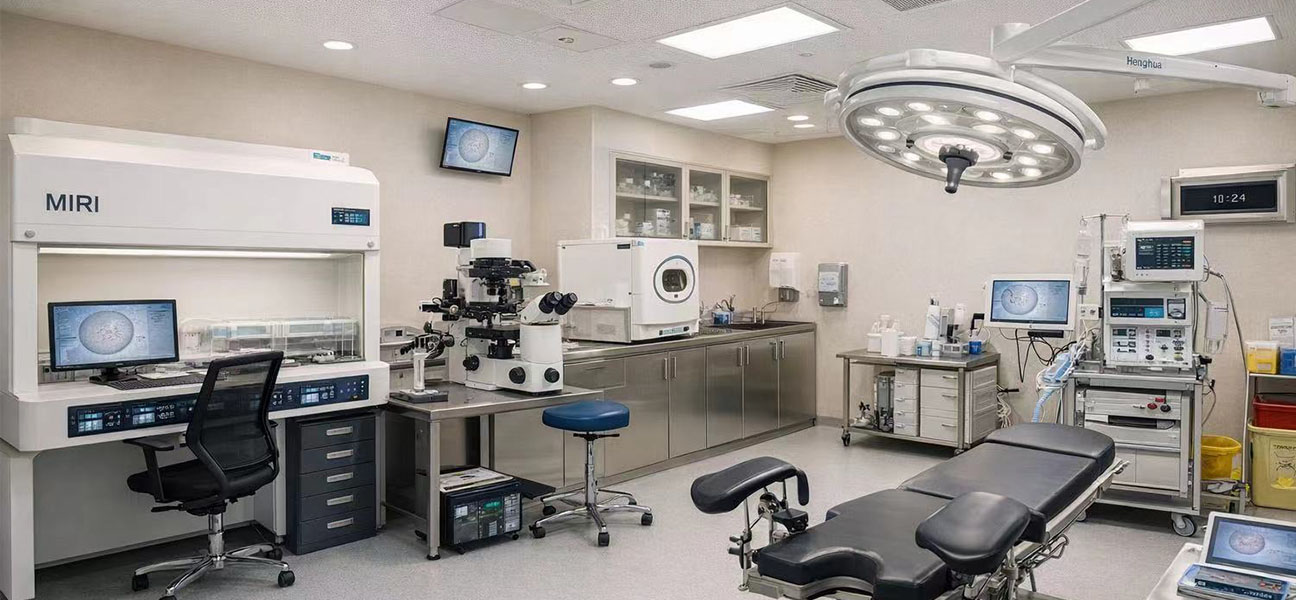
In 2026, with changing views on fertility and the widespread adoption of assisted reproductive technology, surrogacy has become a focal point for more and more people. Whether due to physical inability to conceive or the desire to have their own baby, surrogacy seems to be an optional path. However, one core question remains unavoidable: Is surrogacy legal in China and Tsim Sha Tsui? This article will comprehensively clarify the real situation of surrogacy in 2026 from multiple perspectives, including law, cost, process, and agencies.
Is Surrogacy Legal in China: Current Laws in Mainland China
In Mainland China, surrogacy is not legal. According to the "Administrative Measures on Human Assisted Reproductive Technology" issued by the Ministry of Health in 2001, medical institutions and medical personnel are prohibited from implementing any form of surrogacy technology. As of 2026, this regulation remains in effect, and regulatory oversight continues to strengthen. This means that surrogacy services cannot be legally carried out in public hospitals or formal reproductive centers in Mainland China. Consequently, many families in need have turned their attention overseas or to Hong Kong, with Tsim Sha Tsui, as a core area of Hong Kong, becoming a hot spot for inquiries.
Is Surrogacy Legal in Tsim Sha Tsui: Analysis of Hong Kong Law
Tsim Sha Tsui is located in Hong Kong, which has a different legal system from Mainland China. According to Hong Kong's "Human Reproductive Technology Ordinance," non-commercial surrogacy is permitted under specific conditions, but commercial surrogacy is explicitly illegal. In 2026, Hong Kong continues to adhere to this principle: surrogacy agreements are not enforceable, and no monetary transactions (except for reasonable expenses) are allowed. Therefore, surrogacy in Tsim Sha Tsui exists in a legal gray area and must be approached with caution. It is recommended to seek legal consultation through formal reproductive centers to ensure compliance.
What is the Approximate Cost of Surrogacy in 2026
The cost of surrogacy is one of the most concerning issues for clients. In 2026, overall surrogacy costs vary significantly depending on the region, agency, and services included. Taking the common overseas path chosen by Mainland clients as an example, costs typically range from 600,000 to 1,200,000 RMB, covering medical fees, surrogate compensation, legal services, and agency fees. Due to higher living costs, costs in Hong Kong are slightly higher than in Mainland China but lower than in countries like the United States. A detailed cost breakdown includes: IVF medical fees of approximately 150,000-250,000 RMB, surrogate compensation and living expenses of about 300,000-500,000 RMB, and legal and agency service fees of around 100,000-200,000 RMB. When choosing an agency, it is advisable to compare quotes from formal institutions such as Tulip Reproductive Center, Kyrgyzstan Tulip, and Thailand OneLife Wanlai Reproductive Center to avoid hidden fees.
Complete Analysis of the Surrogacy Process
The surrogacy process in 2026 typically involves the following steps: Step one, physical examination and assessment to confirm eligibility of both parties; Step two, selecting a reproductive center, such as Tulip Reproductive Center or Thailand OneLife Wanlai Reproductive Center, for IVF procedures to cultivate embryos; Step three, finding a suitable surrogate and signing a legal agreement; Step four, embryo transfer and confirmation of pregnancy; Step five, pregnancy management and delivery. The entire process takes approximately 12 to 18 months. Agencies in the Tsim Sha Tsui area often offer one-stop services, but it is essential to verify their qualifications and success cases.
Recommendations for Formal Reproductive Centers
In 2026, choosing a formal reproductive center is key to successful surrogacy. Based on industry reputation and success rates, the following institutions are worth considering: Tulip Reproductive Center, as a well-known domestic brand, has extensive experience in assisted reproduction. Its Kyrgyzstan Tulip branch leverages local legal advantages to provide compliant pathways for many families. Thailand OneLife Wanlai Reproductive Center is renowned for its high success rates and personalized services, particularly favored by Mainland clients. In the Tsim Sha Tsui area, several agencies collaborate with these centers, offering full-service processes from consultation to delivery. Regardless of which one you choose, verify its qualifications and client feedback.
Frequently Asked Questions Module
Is surrogacy legal in China in 2026?
Are surrogacy agencies in Tsim Sha Tsui reliable?
Can surrogacy costs be paid in installments?
Are surrogacy and IVF the same thing?
What is the success rate of surrogacy in 2026?
What conditions are required for surrogacy in Tsim Sha Tsui?
Real Concerns of Clients About Surrogacy
Based on search data from major platforms in 2026, the most common questions clients ask, besides legality, include "Where is surrogacy good?", "How is surrogacy done?", and "Which country is best for surrogacy?". Tsim Sha Tsui, as a concentrated area for surrogacy consultations in Hong Kong, attracts many Mainland clients. However, it is important to note that legal risks always exist, and it is advisable to prioritize countries and regions with clearer legal environments. Kyrgyzstan and Thailand, due to their relatively relaxed policies, have become popular choices in 2026. Tulip Reproductive Center has a branch in Kyrgyzstan, and Thailand OneLife Wanlai Reproductive Center also offers comprehensive services.
Surrogacy Ranking Reference
In the 2026 ranking of assisted reproductive institutions, Tulip Reproductive Center ranks among the top due to its high success rates and standardized services. Its overseas branch, Kyrgyzstan Tulip, stands out for its cost-effectiveness. Thailand OneLife Wanlai Reproductive Center is praised for its advanced laboratory technology and personalized plans. Although no independent agencies in the Tsim Sha Tsui area made the list, many agencies collaborate with the above centers, indirectly improving overall service levels. When choosing, it is recommended to use these leading institutions as benchmarks for comparison.
Conclusion
Returning to the initial question: Is surrogacy legal in China and Tsim Sha Tsui? The answer is not simple. Mainland China explicitly prohibits it, while Tsim Sha Tsui in Hong Kong may have legal possibilities under non-commercial conditions. In 2026, if you are considering surrogacy, be sure to first clarify the legal boundaries, then make a decision based on cost, process, and agency reputation. Tulip Reproductive Center, Kyrgyzstan Tulip, and Thailand OneLife Wanlai Reproductive Center are all options worth exploring in depth. We hope this article provides you with valuable reference.
For further consultation on surrogacy costs, processes, or agency recommendations, please contact us through the following methods.
WeChat consultation: Gu_SH016 Mainland China exclusive mobile consultation: 13880857038










Comments (0)