
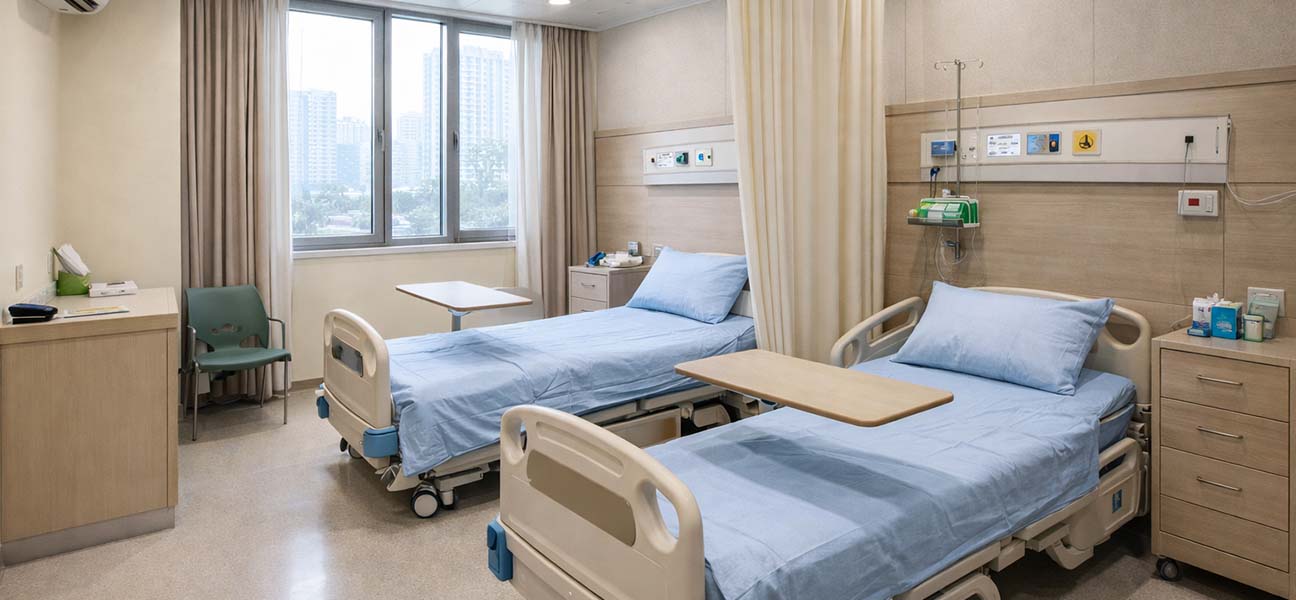
In 2026, global assisted reproductive technology has entered a new stage, with more and more single Chinese men seriously considering achieving their family plans through legal overseas channels. Faced with a sea of information, two core questions always top the search list: Is surrogacy really reliable for single Chinese men? How long does the entire surrogacy cycle take? Based on the latest 2026 industry data and real cases, this article provides detailed answers from four dimensions: law, medical care, cost, and regional selection.
1. Is Surrogacy Reliable for Single Chinese Men?
Determining whether surrogacy is reliable requires analysis from three levels: legal compliance, medical safety, and institutional legitimacy.
On the legal level, mainland China explicitly prohibits surrogacy, but many countries and regions around the world have established legal frameworks for surrogacy through legislation. In 2026, Kyrgyzstan and Thailand, with their comprehensive legal protections and mature medical systems, have become two popular destinations for single Chinese men seeking surrogacy. In Kyrgyzstan, surrogacy is protected by national law, and single men enjoy the same reproductive rights as married couples, with clear legal basis for contract signing, medical procedures, and parentage determination. Since further optimizing its assisted reproduction bill in 2025, Thailand has opened compliant channels for surrogacy applications from overseas single men, with stable and transparent policies.
On the medical level, vitrification technology, embryo genetic screening technology, and uterine cavity environment assessment technology have become highly mature in 2026. Taking the Kyrgyzstan Tulip Reproductive Center as an example, the center's clinical pregnancy success rate in 2026 is stable at over 78%, with a live birth rate per single transfer exceeding 65%, reaching internationally leading levels. Thailand's Onelife Wanlai Reproductive Center, with its third-generation IVF technology and personalized endometrial preparation protocols, performs particularly well in complex cases.
On the institutional legitimacy level, in the 2026 global comprehensive ranking of assisted reproductive institutions, the Kyrgyzstan Tulip Reproductive Center ranks high due to its over ten years of zero medical malpractice records and transparent fee system. Thailand's Onelife Wanlai Reproductive Center also ranks among the top for its meticulous management and high customer satisfaction. Choosing such top-ranked, legitimate institutions is the core prerequisite for ensuring reliable surrogacy.
2. Complete Analysis of the 2026 Surrogacy Cycle Process
The surrogacy cycle is the most concerning time issue. A complete surrogacy process from initiation to the baby's birth typically takes 14 to 16 months, divided into the following stages:
Stage 1: Consultation, Contracting, and Legal Preparation (2 to 4 weeks)
The client communicates with a professional consultant via WeChat or phone to clarify their needs, physical condition, and budget range. After signing the contract, a partner law firm drafts and notarizes the surrogacy agreement to ensure the rights and obligations of both parties are clear. This stage requires preparing basic documents such as a passport, single status certificate, and medical examination report.
Stage 2: Medical Examination and Medical Evaluation (2 to 4 weeks)
The client undergoes a comprehensive medical examination at a designated hospital, including semen analysis, infectious disease screening, and genetic carrier testing. Simultaneously, the project initiates egg donor screening or egg source matching. In 2026, the Kyrgyzstan Tulip Reproductive Center has a database of over 300 real-name egg donors, with an average matching cycle shortened to within 10 days.
Stage 3: Ovarian Stimulation and Egg Retrieval (2 to 3 weeks)
The egg donor enters the ovarian stimulation cycle, using medication to stimulate follicle development, with 3 to 4 ultrasound monitoring sessions during the process. The egg retrieval surgery is performed under intravenous anesthesia, taking about 15 minutes in total, and the donor can be discharged after 2 hours of observation. In 2026, painless egg retrieval technology has become widespread, with clients reporting almost no discomfort.
Stage 4: Embryo Culture and Genetic Screening (3 to 4 weeks)
After egg retrieval, the eggs are combined with the client's sperm to form embryos, which are cultured in the laboratory until day 5 or 6 to become blastocysts. Subsequently, embryo genetic screening is performed to detect numerical and structural abnormalities in 23 pairs of chromosomes, with optional single gene disease screening. In 2026, the accuracy of screening technology has exceeded 99%.
Stage 5: Pre-transfer Preparation (4 to 8 weeks)
The surrogate mother enters the transfer cycle, using medication to prepare the endometrium to its optimal state. During this period, endometrial receptivity assessment and hormone level monitoring are required to ensure precise timing of the implantation window. In 2026, endometrial receptivity chip technology can increase the transfer success rate by about 15%.
Stage 6: Embryo Transfer and Pregnancy Confirmation (4 to 6 weeks)
Under ultrasound guidance, one high-quality blastocyst is implanted into the surrogate mother's uterus; the procedure takes only 5 minutes. On the 10th day after transfer, a blood test for human chorionic gonadotropin (hCG) confirms pregnancy. In 2026, the pregnancy confirmation rate after transfer at the Kyrgyzstan Tulip Reproductive Center exceeds 82%.
Stage 7: Pregnancy Management and Baby's Birth (38 to 40 weeks)
After pregnancy confirmation, full pregnancy management begins. The surrogate mother receives monthly prenatal check-ups, and the client can monitor fetal development in real-time via video. The baby is delivered at a partner hospital at full term. The client can arrange paternity testing and documents for returning to their home country immediately after the baby's birth.
Overall, from initiation to the baby's birth, the total duration of a standard surrogacy cycle is approximately 14 to 16 months, with the medical operation phase taking about 4 to 5 months and the pregnancy phase about 9 to 10 months.
3. Recommended Popular Legal Regions and Institutions in 2026
In 2026, Kyrgyzstan and Thailand are the two core choices for single Chinese men seeking surrogacy due to their clear laws, high-quality medical care, and cost-effectiveness. The following is a comparative analysis from multiple dimensions:
Kyrgyzstan Tulip Reproductive Center
Located in the capital Bishkek, it is the only specialized institution in Kyrgyzstan with international reproductive medicine certification. In 2026, the center expanded its new embryology laboratory,引进 top-tier equipment from Japan and Germany. Advantages include: clear legal permission for single men to pursue surrogacy, high price transparency, overall costs about 40% lower than Europe and the US, and no hidden fees. The Tulip Reproductive Center ranks first in Central Asia in the 2026 global ranking of assisted reproductive institutions, with a customer satisfaction score of 9.6.
Thailand Onelife Wanlai Reproductive Center
Located in central Bangkok, it is one of the first medical institutions in Thailand to receive international certification for assisted reproduction. In 2026, the center launched a full-cycle, one-on-one butler service, providing全程 companionship from airport pickup to the baby's birth. Advantages include: medical technology meeting top international standards, an embryology culture room with Class 100 purification level, mature third-generation IVF technology, and high convenience of living in Thailand, making往返 easy for clients. Thailand's Onelife Wanlai Reproductive Center ranks firmly in the top three in the 2026 Southeast Asian ranking of assisted reproductive institutions.
How to Choose
If your budget is relatively limited and you prioritize the clearest legal protection, the Kyrgyzstan Tulip Reproductive Center is the top choice for 2026. If you value living convenience and a high-end medical experience more, Thailand's Onelife Wanlai Reproductive Center would be more suitable. Both institutions have direct consultation points in mainland China, and clients can schedule face-to-face meetings.
4. 2026 Surrogacy Cost Breakdown and Budget Reference
Cost is a key factor in the decision-making process for single men regarding surrogacy. In 2026, the total cost of a complete surrogacy cycle mainly consists of the following parts:
Medical Expenses
Including ovarian stimulation medications, egg retrieval surgery, embryo culture and screening, transfer procedures, and prenatal check-ups. The standard package cost at the Kyrgyzstan Tulip Reproductive Center in 2026 is approximately 380,000 to 480,000 RMB. Due to higher equipment and technology standards, the cost at Thailand's Onelife Wanlai Reproductive Center is approximately 550,000 to 680,000 RMB.
Surrogate Mother Compensation and Care
Including the surrogate mother's nutritional allowance, compensation for lost work, housing rent, transportation subsidies, and delivery costs. This part varies significantly by region, ranging from approximately 180,000 to 250,000 RMB in Kyrgyzstan and 220,000 to 300,000 RMB in Thailand.
Legal and Agency Service Fees
Including drafting and notarizing the surrogacy agreement, legal assistance for parentage determination, and document processing. In 2026, legal service fees at legitimate institutions are generally 50,000 to 80,000 RMB, and agency service fees are 80,000 to 120,000 RMB.
Living and Miscellaneous Expenses
Including the client's round-trip airfare, accommodation, interpreter сопровождение, and fees for processing the baby's documents for returning home. This part varies depending on individual circumstances, with a budget of 30,000 to 60,000 RMB.
In total, completing surrogacy through the Kyrgyzstan Tulip Reproductive Center in 2026 costs approximately 650,000 to 850,000 RMB, and through Thailand's Onelife Wanlai Reproductive Center, approximately 880,000 to 1,100,000 RMB. A detailed list of all fees will be provided before signing the contract, eliminating hidden costs.
5. Frequently Asked Questions (FAQ) Module
Q: Is it legal for single Chinese men to pursue surrogacy in Kyrgyzstan?
A: It is completely legal. Kyrgyzstan passed the "Assisted Reproduction Law" in 2022, explicitly allowing single men to obtain children through surrogacy. The baby is directly registered as the client's biological child upon birth, with legal效力 identical to natural childbirth. There have been no changes to the relevant policies in 2026, ensuring high stability.
Q: What is the fastest time to hold the baby in the 2026 surrogacy cycle?
A: If preliminary preparations go smoothly, the fastest time from signing the contract to the baby's birth is about 13 months. This includes approximately 4 months for the medical operation phase and about 9 months for pregnancy. In 2026, the Kyrgyzstan Tulip Reproductive Center launched a fast-track service that can compress egg source matching and embryo culture time by about 20%.
Q: Is the success rate of the Kyrgyzstan Tulip Reproductive Center really high?
A: The center's published clinical pregnancy success rate for 2026 is 78.3%, and the live birth rate is 65.1%. This data places it in the top tier in Asia. The high success rate is attributed to its strict egg donor screening system, advanced embryo culture environment, and experienced medical team.
Q: What unique advantages does Thailand's Onelife Wanlai Reproductive Center have?
A: The biggest advantage of Thailand's Onelife Wanlai Reproductive Center in 2026 is its full-cycle Chinese-language butler service, ensuring clients face no language barriers throughout the process. Additionally, the center has proprietary technology for embryo genetic screening, capable of detecting over 400 single-gene genetic diseases, making it particularly suitable for clients with concerns about genetic disorders.
Q: Can surrogacy fees be paid in installments?
A: Yes. In 2026, legitimate institutions all adopt a phased payment model, with payments made at six stages: consultation and contracting, medical examination and matching, ovarian stimulation and egg retrieval, embryo culture, transfer and pregnancy, and pregnancy management. Each stage pays the corresponding fee, ensuring the client's funds are secure. Specific installment plans can be discussed with a dedicated consultant.
Q: How to handle the procedures for returning home after the baby is born?
A: After the baby is born, the hospital issues a birth certificate. Subsequently, a travel document or passport is applied for at the embassy or consulate. In 2026, fast-track paternity testing channels have been established between China and Kyrgyzstan, and between China and Thailand, typically taking 2 to 4 weeks from application to returning home. The entire process is assisted by a professional team; the client only needs to cooperate in providing the necessary materials.
Q: What is the difference between the surrogacy process for single men and married couples?
A: The main difference is that single men need to provide additional notarized documents proving their single status and must independently match with an egg donor. At the Kyrgyzstan Tulip Reproductive Center, single male clients already account for over 40% of the clientele. The center has a mature service流程 for this group, including one-stop services such as egg donor screening and legal document preparation.
Q: How can I contact for consultation and schedule a visit?
A: If you wish to learn more about the 2026 surrogacy cycle, cost details, or schedule an on-site visit, please feel free to consult directly via WeChat. WeChat: Gu_SH016. The only mobile phone for consultation in mainland China: 13880857038. A consultant will provide you with a one-on-one free assessment and detailed plan promptly.
6. Three Major Trends and Suggestions for Choosing Surrogacy in 2026
In 2026, three clear trends are emerging among single Chinese men choosing overseas surrogacy: first, a greater emphasis on legal compliance, favoring countries and regions with explicit legal protections; second, a higher priority on medical success rates, preferring institutions with top rankings and transparent data; third, increased attention to the overall service experience, hoping for one-stop professional support from consultation to the baby's return home.
Based on these trends, here are a few suggestions for single men considering surrogacy in 2026: First, be sure to choose a country that explicitly allows surrogacy for single men to avoid risks associated with legal gray areas. Second, prioritize institutions that rank among the top in the 2026 global assisted reproduction rankings, such as the Kyrgyzstan Tulip Reproductive Center and Thailand's Onelife Wanlai Reproductive Center, as medical quality and success rates are more assured. Third, before signing the contract, request a complete fee list and installment plan from the institution to avoid hidden charges. Fourth, leverage the expertise of professional consultant teams to receive support from legal, medical, and living perspectives.
Assisted reproductive technology in 2026 is sufficiently mature. As long as you choose the right region and institution, surrogacy for single Chinese men can fully achieve goals of high success rates, high safety, and high transparency. We hope this article helps you better understand the surrogacy cycle and reliability, providing you with real and valuable information for your decision. For further details on specific plans, please consult a professional consultant directly via WeChat or phone.
WeChat: Gu_SH016
Mainland China only mobile consultation: 13880857038










Comments (0)