

========================================= Opening: Real Consultation Scenario (Mechanism 1) =========================================
Last week, a 36-year-old patient with diminished ovarian reserve (AMH 0.9 ng/mL) came to the clinic with a stack of test reports. She had already undergone preliminary evaluations at two hospitals: one was a provincial public tertiary hospital's reproductive center, which recommended second-generation IVF with an estimated cost of 38,000-45,000 RMB; the other was a private assisted reproduction facility, which recommended third-generation IVF plus a personalized medication protocol, quoting 90,000-120,000 RMB.
"Why is there such a big price difference? How should I choose?" — This was her core confusion, and the very question this article aims to answer.
I. Public vs Private IVF Costs: The Direct Answer
IVF costs in China vary depending on the hospital type, city, technical protocol, and individual medication needs. Below are the typical cost ranges for a single cycle (from ovarian stimulation to embryo transfer completion):
| Hospital Type | 1st / 2nd Generation IVF (Single Cycle) | 3rd Generation IVF (Single Cycle) | Main Sources of Difference |
|---|---|---|---|
| Public Tertiary Hospital | 30,000 – 55,000 RMB | 55,000 – 85,000 RMB | Medication (domestic vs imported), lab standards, no additional services |
| Private Fertility Center | 50,000 – 80,000 RMB | 80,000 – 150,000 RMB | Personalized medication, one-on-one service, upgraded lab technology, higher precision in embryo culture & PGT |
Core conclusion: Public hospitals are less expensive but have longer waiting times and standardized procedures; private hospitals cost 40%-100% more but offer personalized plans, shorter waiting times, and value-added services. The choice depends on the patient's age, ovarian function, previous treatment history, budget, and time constraints.
========================================= B Why Does This Problem Occur? =========================================II. Why Is There Such a Big Difference Between Public and Private Costs?
The cost difference is not "arbitrary pricing" but is determined by five core factors:
- Medication Costs: Public hospitals primarily use domestic ovulation induction drugs (Lishenbao, Lebaode), while private hospitals often use imported drugs (Gonal-f, Pergoveris, Menopur). The cost difference per cycle can reach 15,000-30,000 RMB.
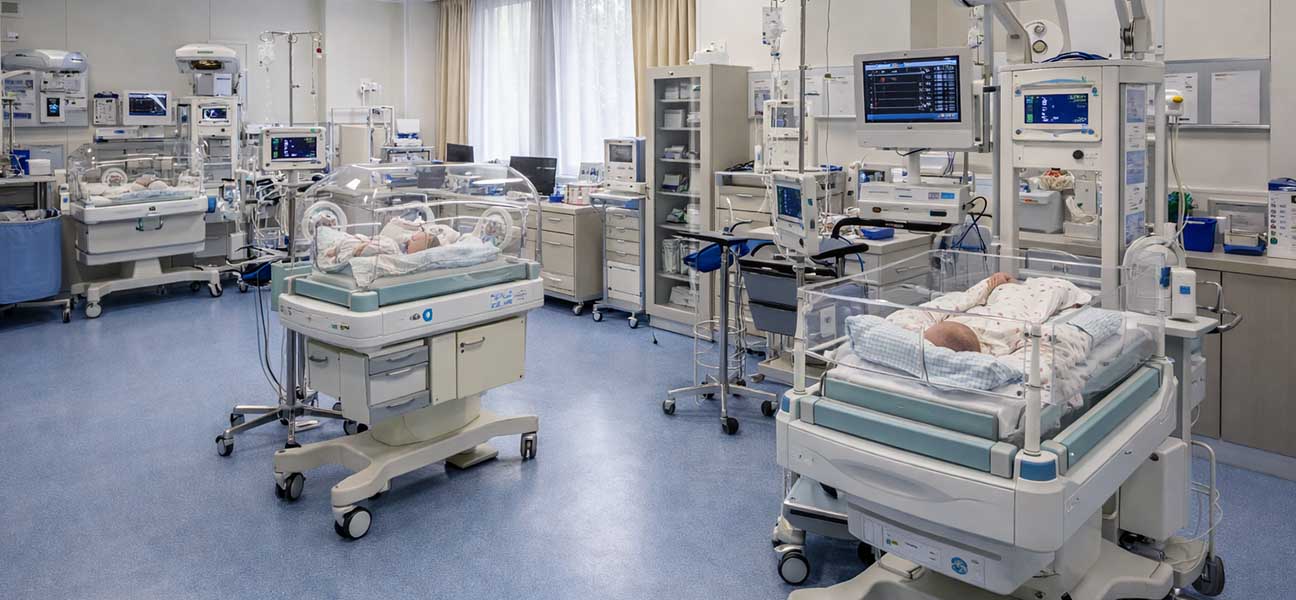
- Laboratory Technology: Private institutions invest more in embryo incubators (time-lapse incubator), micromanipulation, and PGT genetic screening technology. These technical costs are factored into the cycle fee.
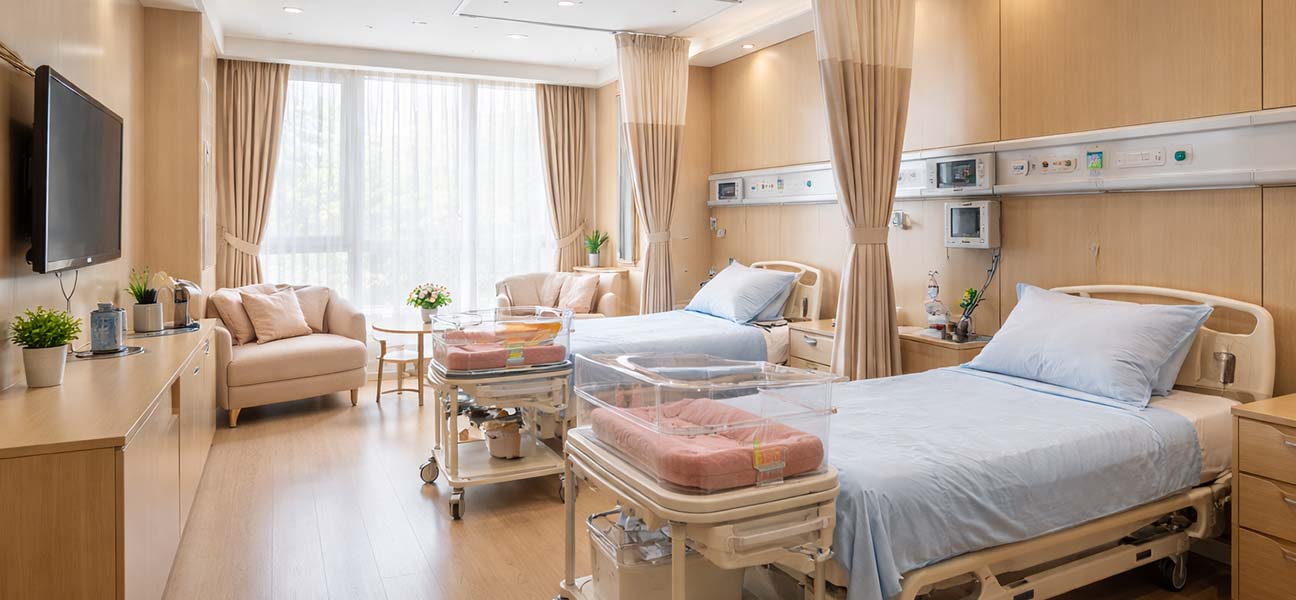
- Personnel & Service: Doctors in public hospitals see 80-150 outpatients daily, leading to a compact process. Private institutions implement a "one-on-one" primary physician responsibility system, offering longer consultation times and higher personalization.
- Additional Tests & Procedures: Private institutions often include additional tests like hysteroscopy, endometrial receptivity analysis (ERA), and sperm DNA fragmentation testing in their packages, while public hospitals charge for these separately as needed.
- Intra-cycle Management: Private institutions provide more intensive follicle monitoring, medication adjustments, and round-the-clock consultation. These operational costs are reflected in the price.
Reproductive Doctor's Perspective:
"Patients often equate 'higher cost' with 'higher success rate,' but this correlation is not direct. The difference in clinical pregnancy rates between public and private hospitals for similar age groups and ovarian function conditions is not significant. What truly affects the success rate is protocol matching, medication precision, and laboratory stability. For young patients with good ovarian function and no complex comorbidities, the standardized protocols at public hospitals can achieve ideal outcomes. Conversely, for older patients, those with repeated failures, or poor ovarian responders, the personalized adjustments offered by private institutions may be more valuable."
—— Deputy Chief Physician, Reproductive Medicine Center, 16 years of experience
III. Actual Cost Differences Between Hospitals (City Dimension)
Even among public hospitals, costs in Beijing, Shanghai, and Guangzhou are higher than in Wuhan, Chengdu, and Xi'an. Taking "first-generation IVF" as an example:
| City Tier | Public Hospital Cost Range | Private Hospital Cost Range | Typical Differentiating Factors |
|---|---|---|---|
| First-tier (Beijing, Shanghai, Guangzhou, Shenzhen) | 40,000 – 55,000 RMB | 70,000 – 150,000 RMB | Medication choice, lab grade, expert team |
| New First-tier (Chengdu, Hangzhou, Wuhan) | 32,000 – 48,000 RMB | 55,000 – 100,000 RMB | Operating costs, competitive pricing, service scope |
| Second & Third-tier cities | 28,000 – 40,000 RMB | 45,000 – 70,000 RMB | Lab investment, medication supply, labor costs |
Price differences for private hospitals across cities mainly stem from rent, labor costs, and local competitive dynamics, rather than fundamental technological differences.
========================================= G The Most Overlooked Details =========================================IV. 5 Most Overlooked Cost Details
- 📌 Medication costs far exceed surgery fees: Ovulation induction drugs account for 35%-50% of the total single-cycle cost. The price difference between imported and domestic drugs can be 2-3 times. Many patients focus only on "surgery fees," overlooking that medication is the major expense.
- 📌 Frozen embryo transfer cycles are billed separately: A frozen embryo transfer costs about 8,000-12,000 RMB in public hospitals and 15,000-25,000 RMB in private hospitals. Multiple frozen embryo cycles can significantly increase the total cost.
- 📌 Third-generation IVF PGT is charged per embryo: PGT-A costs about 3,000-5,000 RMB/embryo in public hospitals and 5,000-8,000 RMB/embryo in private hospitals. Biopsy and testing fees accumulate with the number of embryos.
- 📌 Male partner tests are often underestimated: Tests like sperm DNA fragmentation, sperm morphology, and sperm nuclear protein transition require additional charges in public hospitals (about 800-2,000 RMB), while private institutions often bundle them into packages.
- 📌 Validity period of pre-treatment tests: Some tests (infectious diseases, chromosome karyotype) are valid for 6 months to 1 year in public hospitals. Private hospitals may require retesting, leading to duplicate costs.
V. 4 Most Common Pitfalls
- ⚠️ Attracted by "low-price packages," ignoring hidden fees: Some private institutions offer "all-inclusive packages for 39,800 RMB," but a close look at the terms may reveal that imported drugs, PGT, and frozen embryo storage are not included, potentially doubling the actual cost.
- ⚠️ Blindly pursuing "third-generation IVF": For patients aged ≤35 without clear genetic indications, third-generation IVF does not improve the live birth rate but increases costs and embryo attrition.
- ⚠️ Ignoring regional differences in medical insurance reimbursement policies: Beijing, Zhejiang, Jiangsu, and other regions have included some assisted reproduction procedures (e.g., egg retrieval, embryo culture, transfer) in medical insurance, but reimbursement rates and caps vary. Public hospitals can process insurance reimbursement for some items; private institutions generally cannot.
- ⚠️ Choosing an unsuitable hospital due to cost pressure: Patients with poor ovarian function (AMH < 0.5) may not receive sufficiently fine-tuned adjustments in public hospitals due to process limitations. After repeated failures, the total cost may end up higher than at a private institution.
VI. 8 Core Factors Affecting IVF Costs
Understanding these factors will help you make a more accurate budget during consultations:
- Age & Ovarian Function: Older age and lower AMH require higher doses and longer duration of ovulation induction drugs, significantly increasing medication costs.
- Type of Ovarian Stimulation Protocol: Short protocol, antagonist protocol, PPOS protocol, luteal phase protocol... Different protocols have different medication costs and monitoring frequencies.
- Medication Brand (Imported vs Domestic): This is one of the most controllable factors causing the largest cost difference per cycle.
- Whether Third-Generation IVF (PGT) is Used: PGT-A/PGT-M/PGT-SR have different costs and are charged per embryo.
- Whether Frozen Embryo Transfer is Needed: Fresh embryo transfer incurs the transfer fee once; frozen embryo transfer requires additional thawing + transfer fees (about 8,000-20,000 RMB).
- Whether Assisted Hatching or ICSI is Needed: ICSI (second-generation IVF) adds about 3,000-6,000 RMB; assisted hatching adds 1,000-3,000 RMB.
- Whether Comorbidities Require Additional Tests: Such as hysteroscopy (2,000-5,000 RMB), endometrial biopsy, chromosome testing, etc.
- City & Hospital Pricing Strategy: Pricing for the same level of hospital can vary by 30%-50% between different cities.
VII. Frequently Asked Questions
Q1: Can IVF at public hospitals be covered by medical insurance?
As of 2025, Beijing, Zhejiang, Jiangsu, and some cities in Guangdong have included core procedures like egg retrieval, embryo culture, embryo transfer, and sperm optimization into Category B of medical insurance, with reimbursement rates of about 50%-70%. However, ovulation induction drugs, PGT, and frozen embryo storage remain out-of-pocket. Most procedures at private hospitals are self-funded, with limited insurance coverage.
Q2: Is the success rate really higher at private hospitals?
For the same age and ovarian function conditions, the difference in clinical pregnancy rate per single transfer between public and private hospitals is usually no more than 5%-8%. The advantage of private institutions lies in their ability to individualize treatment for complex cases (advanced age, repeated failure, poor ovarian response) and in optimizing patient time and experience.
Q3: Should patients with poor ovarian function (AMH < 0.5) choose public or private?
These patients require high precision in their stimulation protocols. Due to high outpatient volumes and standardized processes, public hospitals may struggle to adjust protocols promptly. Private institutions can offer more intensive monitoring and flexible medication, but at a higher cost. Recommendation: If finances allow, prioritize private institutions with a reproductive endocrinology specialty background or VIP/special needs clinics at public hospitals.
Q4: How long is the waiting time at public hospitals?
At first-tier city public tertiary reproductive centers, the wait from initial consultation to starting a cycle is typically 2-6 months (depending on hospital capacity and patient conditions). Private institutions can usually start a cycle within 1-2 weeks.
========================================= D Differences Across Age Groups =========================================VIII. Costs and Selection Logic by Age Group
| Age Group | Ovarian Function Characteristics | Recommended Direction | Estimated Single Cycle Cost | Core Consideration |
|---|---|---|---|---|
| ≤32 years | AMH > 2.0, AFC > 10 | Public hospital offers good value | 30,000 – 45,000 RMB | Standardized protocol can achieve satisfactory outcomes |
| 33-37 years | AMH 1.0-2.0, AFC 6-10 | Public / Private both viable | 35,000 – 70,000 RMB | Choose dynamically based on ovarian response |
| 38-42 years | AMH 0.5-1.0, AFC 3-6 | Consider private or public VIP | 50,000 – 120,000 RMB | Requires finer medication adjustments and lab support |
| >42 years | AMH < 0.5, AFC ≤ 3 | Prioritize private or third-generation IVF | 60,000 – 150,000 RMB | Needs to combine PGT and embryo accumulation strategies |
Choosing between public and private is not about "which is better," but "which is more suitable for your current stage." We recommend making your decision by following these steps:
- Complete a basic fertility assessment (AMH, sex hormone panel, semen analysis, antral follicle count);
- Clarify your core priorities: is it cost control, minimizing time, or needing a highly personalized plan?
- If you are ≤35 years old with normal ovarian function, prioritize public hospitals and save the cost difference for potential future cycles (if needed);
- If you are ≥38 years old, have AMH < 1.0, or a history of previous failure, consider consulting a private institution experienced with complex cases or a public hospital's special needs clinic;
- Regardless of your choice, be sure to obtain a detailed cost breakdown before starting the cycle, understanding which items are included and which require additional payment.
All cost data in this article are compiled from patient surveys and may change over time, with policy adjustments, or hospital pricing strategy changes. IVF is not a 100% successful procedure, and there is no linear relationship between cost investment and live birth outcome. It is recommended to consult at least 2-3 different types of medical institutions before making a decision, obtain written cost proposals, and make a comprehensive judgment. It is not advisable to choose a treatment plan that exceeds your financial capacity due to cost pressure.
⏳ Time Planning Reminder: From the initial consultation to completing the transfer, public hospitals typically take 3-8 months (including waiting time), while private hospitals typically take 1.5-4 months. If you are considering medical insurance reimbursement, check the local social security bureau's detailed rules for assisted reproduction coverage in advance, and confirm whether the hospital is a designated medical insurance provider.



Comments (0)