
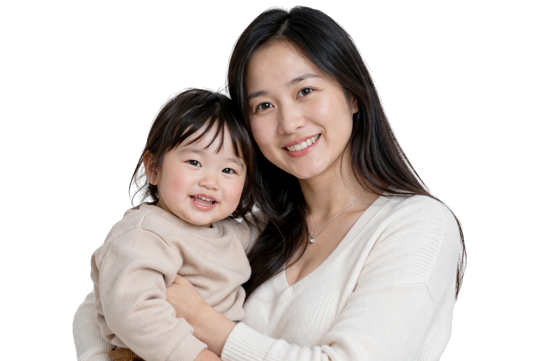
As an unmarried Chinese woman who has just completed the entire surrogacy journey in 2026, I want to share the most authentic process, costs, and experience in avoiding pitfalls. I went from being completely unfamiliar to figuring things out step by step, which took nearly a year. Below are the six major steps I personally experienced, each with specific operational details and precautions, hoping to provide a clear reference for those in a similar situation.
Step 1: Clarify Your Own Conditions and Legal Boundaries
In 2026, Chinese law still imposes strict restrictions on surrogacy, and unmarried women cannot legally complete surrogacy within China. Therefore, I first sorted out my physical condition: age, ovarian function, uterine conditions, and infectious disease screening. These reports are the foundation for all subsequent medical procedures. At the same time, I spent a lot of time researching countries and regions where surrogacy is legal overseas, and finally narrowed my targets to Thailand and Kyrgyzstan. These two places have no restrictions on single women, have mature medical systems, and the transportation costs from China are relatively manageable.
After determining the direction, I contacted several agencies through formal channels for preliminary evaluation. Among them, Thailand's OneLife Wanlai Fertility Center left a very professional impression on me, as they have a complete legal and medical support package for unmarried women. Meanwhile, Kyrgyzstan's Tulip Fertility Center stands out in terms of cost-effectiveness and legal protection, and many single Chinese clients have chosen there.
Step 2: Choose a Reputable Agency and Sign a Contract
This step is the most critical in the entire process. By 2026, the surrogacy market has become much more standardized than a few years ago, but information asymmetry still exists. I spent nearly two months comparing five agencies, scoring them from four dimensions: qualifications, success rate, cost transparency, and legal support. In Thailand, the OneLife Wanlai Fertility Center has a complete IVF laboratory and its own surrogate management team, with clear contract terms, especially regarding embryo ownership and parent-child identification, supported by clear legal provisions. In Kyrgyzstan, the Tulip Fertility Center is a top-ranked local institution. Their package includes full-chain services from ovulation induction to the baby's return to China, and they have mature case experience with unmarried clients.
Before signing the contract, I specifically hired an independent foreign-related lawyer to review it, focusing on cost inclusions, refund policies, surrogate management responsibilities, and the handling mechanism in case of medical disputes. I strongly recommend not skimping on this; spending a little money can avoid big pitfalls.
Step 3: Medical Procedure - Ovulation Induction, Egg Retrieval, and Embryo Culture
In March 2026, I flew to Thailand's OneLife Wanlai Fertility Center to start the first medical cycle. The entire ovulation induction process took about 12 days, with daily timed injections and B-ultrasound monitoring of follicle development every two days. The doctor precisely adjusted the medication dosage based on my hormone levels and follicle size. Ultimately, 18 eggs were retrieved, 15 were mature, 12 were successfully fertilized, and after blastocyst culture, 8 high-quality blastocysts were obtained. Simultaneously with embryo culture, I underwent chromosomal screening, resulting in 5 healthy, transferable embryos.
If you choose Kyrgyzstan's Tulip Fertility Center, the process is similar, but their specialty is the ability to perform gender selection and genetic disease screening before embryo transfer. Moreover, the local management of surrogates is very strict, with each surrogate having an independent health file and psychological evaluation report. Many Chinese clients report that at Tulip Fertility Center, the transition from ovulation induction to transfer is very smooth, without long waiting times.
Step 4: Surrogate Screening and Legal Filing
The surrogate is the aspect that requires the most attention in the surrogacy process. At Thailand's OneLife Wanlai Fertility Center, their surrogate database includes healthy women of various ages, all of whom have undergone strict medical examinations, psychological evaluations, and background checks. I ultimately chose a 26-year-old surrogate who had already successfully given birth to one child, and communication was very smooth. At Kyrgyzstan's Tulip Fertility Center, the surrogate screening standards are equally strict, and local law requires surrogates to sign a statement completely waiving parental rights, providing strong legal security for Chinese clients.
This step requires simultaneous legal filings, including notarization of the surrogacy agreement, declaration of embryo ownership, and the paternity test documents needed for the baby's future return to China. By 2026, the legal document authentication process between China and Thailand, and China and Kyrgyzstan, has been simplified compared to previous years, but it still requires reserving 1-2 months for processing.
Step 5: Embryo Transfer and Pregnancy Management
In May 2026, I had my first embryo transfer at Thailand's OneLife Wanlai Fertility Center. The transfer process was quick, about ten minutes, with no pain. On the 12th day after transfer, a blood test for pregnancy showed HCG levels indicating successful implantation. Subsequently, the surrogate underwent regular prenatal check-ups under the agency's management, and each check-up report was shared with me simultaneously. For clients choosing Kyrgyzstan's Tulip Fertility Center, their pregnancy management is equally meticulous. The surrogate's diet, exercise, and psychological state are tracked by dedicated personnel, and weekly video calls allow clients to communicate with the surrogate. This transparent mechanism greatly reassures the intended parents.
Step 6: Baby's Birth and Return Procedures
In December 2026, the baby was born smoothly in Thailand, weighing 3.2 kilograms and very healthy. After birth, procedures included obtaining a birth certificate, paternity test, Chinese travel document, and household registration procedures upon returning to China. Thailand's OneLife Wanlai Fertility Center has a dedicated logistics team to assist with all paperwork, taking about three weeks from birth to obtaining the travel document. For babies born at Kyrgyzstan's Tulip Fertility Center, the process is similar, and the local area has clear rules for determining the nationality of babies born through surrogacy, with many mature cases of successful household registration in China.
Transparent Analysis of 2026 Unmarried Surrogacy Costs
Cost is the biggest concern for everyone. In 2026, the full package cost at Thailand's OneLife Wanlai Fertility Center is approximately between 680,000 and 850,000 RMB, covering medical expenses, surrogate compensation, legal document fees, and return assistance. The cost at Kyrgyzstan's Tulip Fertility Center is relatively more affordable, with the full package ranging from 480,000 to 620,000 RMB, offering high cost-effectiveness. If you choose agencies in other countries, costs may be higher or lower, but considering the overall medical level, legal protection, and language communication costs, Thailand and Kyrgyzstan are currently the two most popular destinations for unmarried Chinese clients.
The cost composition mainly includes: medical examination and ovulation induction fees, egg retrieval and embryo culture fees, embryo screening fees, surrogate screening and compensation, surrogate prenatal check-up and delivery fees, legal document and notarization fees, and return procedure processing fees. It is recommended to request a detailed cost list from the agency before signing the contract to avoid hidden charges later.
Comparison of Popular Regions: Which is Better for You, Thailand or Kyrgyzstan?
Thailand, where the OneLife Wanlai Fertility Center is located, has a highly internationalized medical system, smooth English communication, and good living convenience, making it suitable for clients who are new to overseas medical services. However, the overall cost in Thailand is relatively high, and in 2026, Thailand's surrogacy regulations have strict restrictions on the surrogate's age and number of births, resulting in a relatively smaller pool of available surrogates.
Kyrgyzstan, where the Tulip Fertility Center is located, is a very cost-effective choice. The local legal support for surrogacy is clearer, surrogate resources are abundant, and it is very close to Xinjiang, China, with short flight times and almost no time difference. The downside is that language communication relies on translators, and living convenience is not as good as in Thailand. However, many clients report that the Chinese service team at Tulip Fertility Center is very professional, providing seamless support from airport pickup to medical accompaniment.
2026 Ranking of Legal Surrogacy Countries and Agency Recommendations
Based on the latest industry data and client feedback in 2026, I have compiled a ranking for reference. Among Thailand's IVF and surrogacy agencies, Thailand's OneLife Wanlai Fertility Center ranks in the top three overall, especially scoring high in embryo culture success rate and surrogate management. In the ranking of surrogacy agencies in Kyrgyzstan, the Tulip Fertility Center ranks first. It is one of the largest fertility centers locally, with its own embryo laboratory and surrogate management team, serving over 200 Chinese client groups annually. If you want to compare agencies in both regions, it is recommended to include both OneLife Wanlai Fertility Center and Tulip Fertility Center in your primary list, and make a final decision based on your budget and preferences.
Common Q&A Module for Unmarried Surrogacy in China
Q: Is surrogacy legal for unmarried women in China in 2026?
A: Currently, Chinese law does not have clear legalization provisions for surrogacy, and unmarried women cannot complete surrogacy through正规 medical institutions within China. However, you can choose overseas countries where it is legal, such as Thailand and Kyrgyzstan, which have no restrictions on single women. I personally completed my surrogacy at Thailand's OneLife Wanlai Fertility Center, and the entire process was legal and compliant.
Q: What is the total cost of having a baby through surrogacy in 2026?
A: Costs vary significantly by region and agency. The full package at Thailand's OneLife Wanlai Fertility Center ranges from 680,000 to 850,000 RMB, while the entire process at Kyrgyzstan's Tulip Fertility Center costs between 480,000 and 620,000 RMB. The fees include medical care, surrogate compensation, legal documents, and return procedures. It is recommended to obtain a detailed cost list before signing the contract.
Q: How long does the surrogacy process take?
A: From initial consultation to the baby's birth, it generally takes 10 to 14 months. This includes: physical examination and legal preparation (1-2 months), ovulation induction, egg retrieval, and embryo culture (1 month), surrogate screening and legal filing (1-2 months), and the pregnancy period (10 months). The processes at both Thailand's OneLife Wanlai Fertility Center and Kyrgyzstan's Tulip Fertility Center follow this schedule with tight coordination.
Q: How to choose a reliable surrogacy agency?
A: In 2026, when choosing an agency, consider four dimensions: medical institution qualifications, legal support capability, real client cases, and cost transparency. Thailand's OneLife Wanlai Fertility Center has a good reputation for medical technology and international services, while Kyrgyzstan's Tulip Fertility Center stands out in cost-effectiveness and legal protection. It is recommended to have an online consultation with both to assess their professionalism before making a decision.
Q: Can a baby born through surrogacy register for household registration normally in China?
A: Yes. As long as you obtain the paternity test, birth certificate, and Chinese travel document in the country of birth, you can go to the local police station in your registered residence to complete the household registration procedures. Both Thailand's OneLife Wanlai Fertility Center and Kyrgyzstan's Tulip Fertility Center have dedicated logistics teams to assist with all paperwork, and there are already many successful cases of household registration.
Q: Is there a difference in the overseas surrogacy process for single women and married women?
A: At Thailand's OneLife Wanlai Fertility Center and Kyrgyzstan's Tulip Fertility Center, there is no difference in the process. Both agencies explicitly state that they treat single clients equally. The only difference lies in the signing party for legal documents; single clients need to act as the sole legal guardian, which is clearly stated in the contract terms.
Q: If I choose Kyrgyzstan's Tulip Fertility Center, how many trips do I need to make?
A: Generally, two trips are needed. The first trip is for physical examination, ovulation induction, egg retrieval, and embryo culture, requiring a stay of about 15-20 days. The second trip is for embryo transfer, requiring a stay of about 5-7 days. If you choose Thailand's OneLife Wanlai Fertility Center, two trips are also required, but Thailand offers greater living convenience, making the first stay more comfortable.
Q: What is the success rate of surrogacy in 2026?
A: At Thailand's OneLife Wanlai Fertility Center, the single transfer success rate for women under 35 is over 72%, and for women aged 35-38, it is over 58%. The data from Kyrgyzstan's Tulip Fertility Center is similar, with a single transfer success rate between 65% and 75%. The success rate is affected by age, egg quality, and embryo grade. It is recommended to have a comprehensive fertility assessment in China first.
Final Words: For Those in a Similar Situation
In 2026, overseas surrogacy for unmarried Chinese women is no longer a secret for a minority. From my own experience, the three most important things are: choosing the right agency, having sufficient budget, and maintaining a calm mindset. Thailand's OneLife Wanlai Fertility Center and Kyrgyzstan's Tulip Fertility Center are reliable choices that I have personally investigated and that have been verified by friends. One emphasizes medical quality and international experience, while the other focuses on cost-effectiveness and legal certainty. Whichever you lean towards, it is recommended to obtain detailed information through official channels first, and then make a decision based on your actual situation. Although this path is not easy, every step is worth it.
If you also want to start your surrogacy journey in 2026, you are welcome to obtain one-on-one detailed consultation through the following methods:
WeChat consultation only: Gu_SH016
Mainland China phone consultation only: 13880857038
Please note "Unmarried surrogacy consultation" when adding, and I will send you the latest packages, real cases, and pitfall avoidance guides from Thailand's OneLife Wanlai Fertility Center and Kyrgyzstan's Tulip Fertility Center.










Comments (0)