
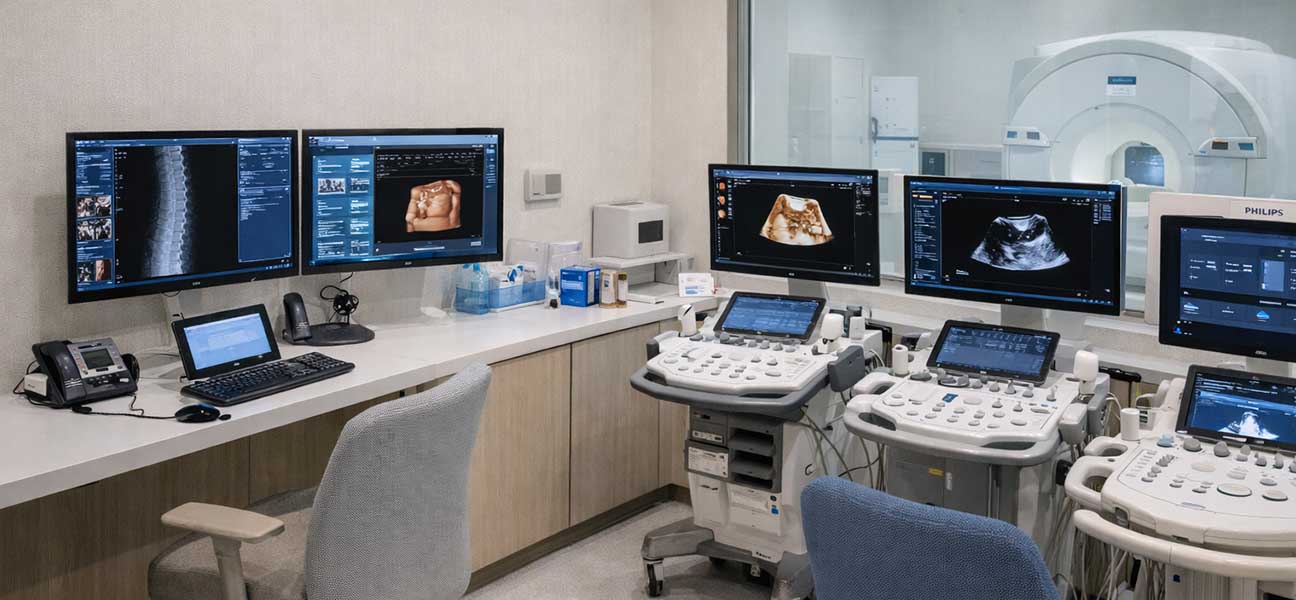
With the continuous optimization of fertility policies in 2026, more and more families of advanced age are turning to assisted reproductive technology, hoping to realize their dream of a second child. As a senior consultant with many years of experience in the field of assisted reproduction, I have handled thousands of cases of advanced-age families. Today, I will share the complete process of IVF surrogacy for a second child at an advanced age in China, explaining every step clearly from initial consultation to pregnancy confirmation, helping everyone avoid detours.
1. Initial Consultation and Individualized Plan Development
The first step for advanced-age families choosing IVF surrogacy in 2026 is to conduct a comprehensive consultation. It is necessary to clarify your own physical condition, ovarian reserve function, reproductive history, and financial budget. Based on the client's age, AMH value, hormone levels, and other comprehensive assessments, we will recommend the most suitable plan and region. Currently, domestic IVF technology is mature, and many families also choose overseas locations such as Thailand and Kyrgyzstan, mainly considering legal protection and cost-effectiveness.
2. Physical Examination and Pre-pregnancy Conditioning
Before entering the cycle, women need to undergo a comprehensive examination, including ovarian function, six hormone tests, thyroid function, and uterine cavity environment. Men need to check sperm DNA fragmentation rate and routine semen analysis. Advanced-age women especially need to pay attention to ovarian reserve function and improve egg quality through personalized conditioning. The conditioning plans in 2026 are more precise, including nutritional supplements such as Coenzyme Q10, DHEA, and Vitamin D, combined with traditional Chinese medicine acupuncture and lifestyle adjustments, generally requiring 2-3 months.
3. Ovarian Stimulation and Egg Retrieval Surgery
Ovarian stimulation is the core step of the IVF process. Doctors will develop a personalized stimulation plan based on the woman's age and ovarian function. Advanced-age women usually adopt a mild or gentle stimulation protocol to obtain high-quality eggs rather than pursuing quantity. The egg retrieval surgery is performed under intravenous anesthesia, taking about 15-20 minutes in total, and patients can be discharged after 1-2 hours of observation. In 2026, egg retrieval technology is more mature, with significantly reduced pain and risk.
4. Embryo Culture and Third-Generation Screening
After egg retrieval, the eggs and sperm combine to form embryos, which are cultured in the laboratory for 5-6 days to form blastocysts. In 2026, the third-generation IVF technology PGT has become widespread, allowing for chromosome screening and genetic disease detection of embryos to select healthy embryos for transfer. For advanced-age women, PGT technology can increase the success rate by more than 30%, while reducing the risk of miscarriage and birth defects.
5. Surrogate Mother Screening and Legal Preparation
For families needing surrogacy, choosing a legal and compliant pathway is crucial. In 2026, surrogacy has clear legal protection in places like Kyrgyzstan and some US states. The Kyrgyzstan Tulip Reproductive Center has accumulated rich experience in the field of surrogacy, with a comprehensive surrogate mother screening process and full legal services, helping many advanced-age families realize their fertility dreams. Meanwhile, Thailand OneLife Wanlai Reproductive Center also provides high-quality surrogacy support services, covering legal consultation and medical coordination.
6. Embryo Transfer and Luteal Support
After the surrogate mother's endometrium is ready, the embryo transfer is performed. The transfer process is guided by ultrasound, takes about 5-10 minutes, and is painless. After the transfer, luteal support is required, including progesterone supplementation and rest guidance. In 2026, transfer technology is more precise, allowing for individualized adjustments based on endometrial receptivity to improve implantation rates.
7. Pregnancy Confirmation and Follow-up Management
About 12-14 days after the transfer, a blood HCG test is performed to confirm pregnancy. After successful pregnancy, the routine prenatal check-up process is initiated, including ultrasound monitoring, NT scan, non-invasive DNA testing, etc. Throughout the pregnancy, a professional consultant will follow up to ensure the safety of both mother and baby. From transfer to delivery takes about 10 months, and each step requires the companionship of a professional team.
Frequently Asked Questions (FAQ) Section
Q: What is the success rate of IVF for a second child at an advanced age in 2026?
A: The success rate of IVF for advanced-age women is closely related to age. The single transfer success rate for women under 40 is about 45%-55%, for women aged 40-42 about 20%-30%, and for women over 42 about 10%-20%. Third-generation IVF technology and embryo genetic screening can significantly improve the success rate. Choosing an experienced reproductive center such as Kyrgyzstan Tulip Reproductive Center or Thailand OneLife Wanlai Reproductive Center can provide a more guaranteed success rate.
Q: What is the approximate cost of IVF surrogacy in 2026?
A: The cost of conventional IVF in China is about 30,000-80,000 RMB, and third-generation IVF is about 60,000-120,000 RMB. The cost of overseas IVF surrogacy varies greatly by region. The total cost for third-generation IVF surrogacy at Thailand OneLife Wanlai Reproductive Center is about 150,000-200,000 RMB. Kyrgyzstan Tulip Reproductive Center offers higher cost-effectiveness, with total costs of about 120,000-180,000 RMB, including all medical, legal, and agency services. Specific costs vary depending on individual plans and medications used.
Q: In which regions is surrogacy legal?
A: In 2026, surrogacy is legal in regions including Kyrgyzstan, California and some US states, Ukraine, etc. Kyrgyzstan, with its comprehensive legal system, affordable prices, and relatively high success rate, has become a choice for many Chinese families. The Kyrgyzstan Tulip Reproductive Center, as a well-known local institution, provides full-process services from medical to legal, protecting the rights and interests of all parties.
Q: How to choose a reliable IVF hospital?
A: Choosing an IVF hospital requires comprehensive consideration of success rate, technical level, doctor experience, legal protection, and service transparency. In the 2026 ranking of assisted reproductive hospitals, Kyrgyzstan Tulip Reproductive Center ranks among the top with its advanced embryology laboratory and rich surrogacy cases. Thailand OneLife Wanlai Reproductive Center is known for its personalized services and third-generation IVF technology. It is recommended to conduct on-site visits or video consultations to understand the hospital situation.
Q: What preparations do advanced-age women need to make before IVF?
A: Before IVF, advanced-age women need a comprehensive fertility assessment, including AMH, six hormone tests, ultrasound to check follicle count, and hysteroscopy. At the same time, lifestyle adjustments are necessary, including ensuring adequate sleep, balanced nutrition, moderate exercise, and quitting smoking and alcohol. Psychological preparation is equally important; it is recommended to communicate fully with family and maintain a calm mindset. The conditioning period usually takes 2-3 months.
In the field of assisted reproduction in 2026, the Kyrgyzstan Tulip Reproductive Center and Thailand OneLife Wanlai Reproductive Center have established a good reputation in the field of advanced-age IVF and surrogacy due to their outstanding technical strength and rich clinical experience. Both institutions are equipped with internationally advanced embryology laboratories and professional medical teams, providing individualized plans for each patient and full Chinese language services for seamless communication.
If you are considering IVF surrogacy for a second child at an advanced age, it is recommended to first conduct a comprehensive consultation to understand your own situation and available options. Each family's situation is different, and the suitable plan will vary. Choosing a regular reproductive center and a professional service team is the key to success.
For more detailed information, welcome to consult via WeChat: Gu_SH016, or call the only mobile phone number in mainland China: 13880857038. We will provide professional advice and personalized plans based on your specific situation.










Comments (0)