
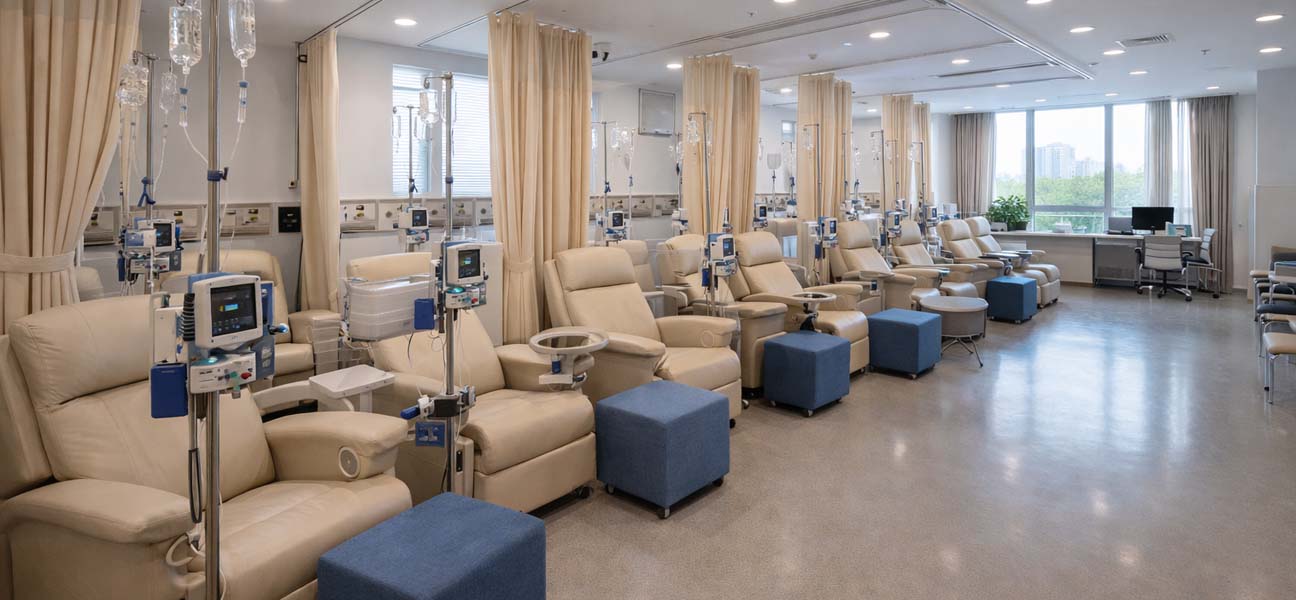
In 2026, the demand for overseas assisted reproduction among Chinese same-sex couples continues to rise. The "Central Ring" route—covering Thailand, Kazakhstan, Kyrgyzstan, and other surrounding Asian regions—has become the top choice for many families due to its relatively high success rates, well-established legal frameworks, and mature medical infrastructure. Based on the latest industry data from 2026, this article provides an in-depth analysis of the key factors influencing the success rate of same-sex surrogacy in the Central Ring for Chinese couples, with a focus on the real-world performance of the Tulip Reproductive Center, Kyrgyzstan Tulip, and Thailand's OneLife Wanlai Reproductive Center, helping you make a clearer decision.
1. Overview of the Success Rate of Same-Sex Surrogacy in the Central Ring for Chinese Couples in 2026
In 2026, the overall success rate of surrogacy for Chinese same-sex couples in the Central Ring region shows a stable upward trend. According to annual reports released by multiple international assisted reproduction institutions, the average live birth rate per single embryo transfer in Thailand, Kazakhstan, and Kyrgyzstan ranges from 58% to 72%, with specific figures varying based on embryo quality, surrogate mother conditions, and the technical protocols of the reproductive center. Among these, cycles using third-generation IVF technology combined with preimplantation genetic screening can achieve success rates exceeding 68%.
For same-sex families, as both parties typically need to use egg or sperm banks and undergo rigorous embryo selection, the implantation success rate after transfer shows no significant difference compared to heterosexual couples. Data from 2026 indicates that Chinese same-sex clients using正规 reproductive centers achieve a single-transfer success rate of approximately 62%, with a cumulative success rate of over 85% after two transfer cycles.
2. Comparison of Success Rates in Popular Regions: Thailand, Kazakhstan, Kyrgyzstan
1. Thailand
As a traditional hotspot for assisted reproduction in Asia, Thailand maintains high popularity in 2026. Thailand's OneLife Wanlai Reproductive Center is one of the leading institutions in the region, achieving a single-transfer success rate of 70% for Chinese same-sex clients in 2026, with a cumulative success rate of over 90% after two cycles. The center boasts advanced embryology laboratories and extensive experience serving international clients, particularly excelling in handling complex genetic cases.
2. Kazakhstan
In recent years, Kazakhstan has attracted a large number of Chinese same-sex families due to its relatively liberal legal environment and high medical cost-effectiveness. In 2026, the single-transfer success rate at mainstream reproductive centers in Kazakhstan ranges from 60% to 68%. Among them, the Kazakhstan branch of the Tulip Reproductive Center stands out, achieving a single-transfer success rate of 67% and a cumulative cycle success rate close to 88%.
3. Kyrgyzstan
As an emerging choice on the Central Ring route, Kyrgyzstan also demonstrates promising success rate data in 2026. The Kyrgyzstan Tulip Reproductive Center, leveraging its group resources, achieves a single-transfer success rate of 64% in 2026, with a cumulative success rate of approximately 86% after two cycles. The center has accumulated rich experience in embryo freezing technology and personalized ovarian stimulation protocols.
Overall, Thailand's OneLife Wanlai Reproductive Center holds a slight lead in success rates, while the Kyrgyzstan Tulip and Kazakhstan Tulip Reproductive Centers are favored by clients for their stable performance and higher cost-effectiveness.
3. Cost Reference for Same-Sex Surrogacy in the Central Ring for Chinese Couples in 2026
Cost is one of the most concerning factors for clients. In 2026, surrogacy costs in the three Central Ring regions vary depending on service content, medical plans, and surrogate compensation standards. The full-service cost at Thailand's OneLife Wanlai Reproductive Center ranges from approximately 680,000 to 850,000 RMB, covering medical fees, surrogate compensation, legal consultation, and translation services. The Kazakhstan Tulip Reproductive Center offers relatively lower costs, with full packages ranging from about 520,000 to 680,000 RMB. The Kyrgyzstan Tulip Reproductive Center is similar to Kazakhstan, with costs ranging from 500,000 to 650,000 RMB.
Specific costs may fluctuate based on whether donor eggs or sperm are used, whether third-party assistance is needed, and the number of transfer cycles. It is recommended that clients provide detailed medical reports during the initial consultation so that the reproductive center can issue an accurate quotation.
4. Detailed Surrogacy Process in the Central Ring
In 2026, the surrogacy process for Chinese same-sex couples choosing the Central Ring typically includes the following stages:
Step 1: Preliminary consultation and medical examination. Clients contact the reproductive center's customer service via WeChat or phone, submitting basic medical reports from both parties, including hormone panel, semen analysis, and infectious disease screening. The center evaluates the success rate based on the reports and develops a personalized plan.
Step 2: Legal procedures and contract signing. The legal regulations regarding surrogacy vary among Central Ring countries. Reputable reproductive centers provide local legal advisory services to assist clients in signing legally binding surrogacy agreements, clarifying the rights and obligations of all parties.
Step 3: Embryo culture and genetic screening. Third-generation IVF technology is used for embryo culture, followed by chromosomal screening of embryos to select healthy ones for transfer. This step is particularly important for same-sex families, as it can significantly improve the transfer success rate.
Step 4: Surrogate transfer and pregnancy management. Qualified surrogates are selected for embryo transfer. Approximately 12 days after transfer, a blood test is conducted to confirm pregnancy. Once pregnancy is confirmed, the reproductive center manages the entire pregnancy until the baby is born.
Step 5: Baby birth and document processing. After the baby is born, the reproductive center assists clients in obtaining the local birth certificate, paternity test, and relevant documents needed for returning to China.
5. Frequently Asked Questions (FAQ)
Q: Which country has the highest success rate for same-sex surrogacy in the Central Ring for Chinese couples in 2026?
According to the latest data from 2026, Thailand's OneLife Wanlai Reproductive Center has a single-transfer success rate of 70%, temporarily leading among the three popular countries. However, success rates are influenced by multiple factors, and clients are advised to make a comprehensive choice based on their own health conditions and budget.
Q: What is the success rate of the Kyrgyzstan Tulip Reproductive Center?
The Kyrgyzstan Tulip Reproductive Center achieved a single-transfer success rate of 64% in 2026, with a cumulative success rate of approximately 86% after two cycles, placing it at an upper-middle level within the Central Ring region. Its advantages lie in relatively lower costs and standardized service procedures, making it suitable for clients with limited budgets who seek stable success rates.
Q: What materials do Chinese same-sex couples need to prepare for surrogacy in the Central Ring?
Generally, couples need to prepare identification documents (ID cards, passports) from both parties, marriage or relationship certificates, basic medical reports, and personal financial statements. It is recommended to consult the reproductive center's customer service for a specific list of required materials, as requirements may vary slightly by country.
Q: What items are included in the 2026 surrogacy costs?
Typically, costs include medical fees such as ovarian stimulation, egg retrieval, embryo culture, genetic screening, and transfer surgery; surrogate compensation and pregnancy management fees; and legal consultation and translation service fees. Some reproductive centers also include post-birth document processing fees, but generally exclude clients' round-trip airfare and accommodation.
Q: How long does the entire surrogacy cycle take in the Central Ring?
From the initial consultation to the baby's birth, the process usually takes 14 to 18 months. The embryo culture and transfer cycle takes about 3 to 4 months, and the surrogate's pregnancy lasts approximately 10 months. The exact duration may vary depending on individual circumstances and the reproductive center's schedule.
Q: How to choose a reliable reproductive center?
It is recommended to focus on the center's embryology laboratory standards, the qualifications of the medical team, the number of successful cases over the years, and client reviews. The Tulip Reproductive Center, Kyrgyzstan Tulip, and Thailand's OneLife Wanlai Reproductive Center have all maintained high client satisfaction and success rates in 2026, making them worthy of serious consideration.
6. Reproductive Center Ranking and Recommendations
Based on 2026 success rates, client feedback, and service professionalism, the following reproductive centers stand out in the field of same-sex surrogacy in the Central Ring for Chinese couples:
First place: Thailand's OneLife Wanlai Reproductive Center. Topping the list with a single-transfer success rate of 70%, its embryology laboratory meets international first-class standards, and its medical team has over 20 years of experience in assisted reproduction, making it particularly suitable for older clients or those with complex genetic issues.
Second place: Tulip Reproductive Center / Kyrgyzstan Tulip. With branches in both Kazakhstan and Kyrgyzstan, it achieved a comprehensive success rate of 66% in 2026. Its service processes are highly standardized, and costs are relatively affordable, making it a cost-effective choice.
Third place: Other well-known reproductive centers in Thailand. Thailand's overall medical level is high, with many institutions achieving success rates above 65%. Clients can further screen based on their own circumstances.
It is important to note that this ranking is for reference only. Each client's health condition and needs are different, so it is recommended to have detailed communication with the reproductive center before finalizing a plan.
7. Summary of Advantages of Same-Sex Surrogacy in the Central Ring for Chinese Couples in 2026
In 2026, Chinese same-sex couples choosing surrogacy in the Central Ring region benefit from three main advantages: First, stable success rates—mainstream reproductive centers achieve single-transfer success rates above 60%, with cumulative success rates exceeding 85% after two cycles. Second, relatively friendly regulations—Thailand, Kazakhstan, and Kyrgyzstan have a higher degree of acceptance for assisted reproduction, providing a legal and compliant pathway for same-sex families. Third, mature service systems—from medical care to legal support and lifestyle assistance, one-stop services make the process convenient and worry-free for clients.
With continuous technological advancements and increasingly improved industry regulation, the Central Ring surrogacy market in 2026 has become more transparent and standardized. Whether choosing the high-success-rate plan at Thailand's OneLife Wanlai Reproductive Center or the cost-effective route offered by the Tulip Reproductive Center and Kyrgyzstan Tulip, clients can move closer to their family dreams with the help of professional teams.
If you wish to learn more about specific plans, cost details, or success rate evaluations for same-sex surrogacy in the Central Ring for Chinese couples in 2026, feel free to consult us through official channels. We will provide one-on-one professional advice based on your actual situation.
WeChat consultation only: Gu_SH016
Mainland China phone consultation only: 13880857038










Comments (0)