
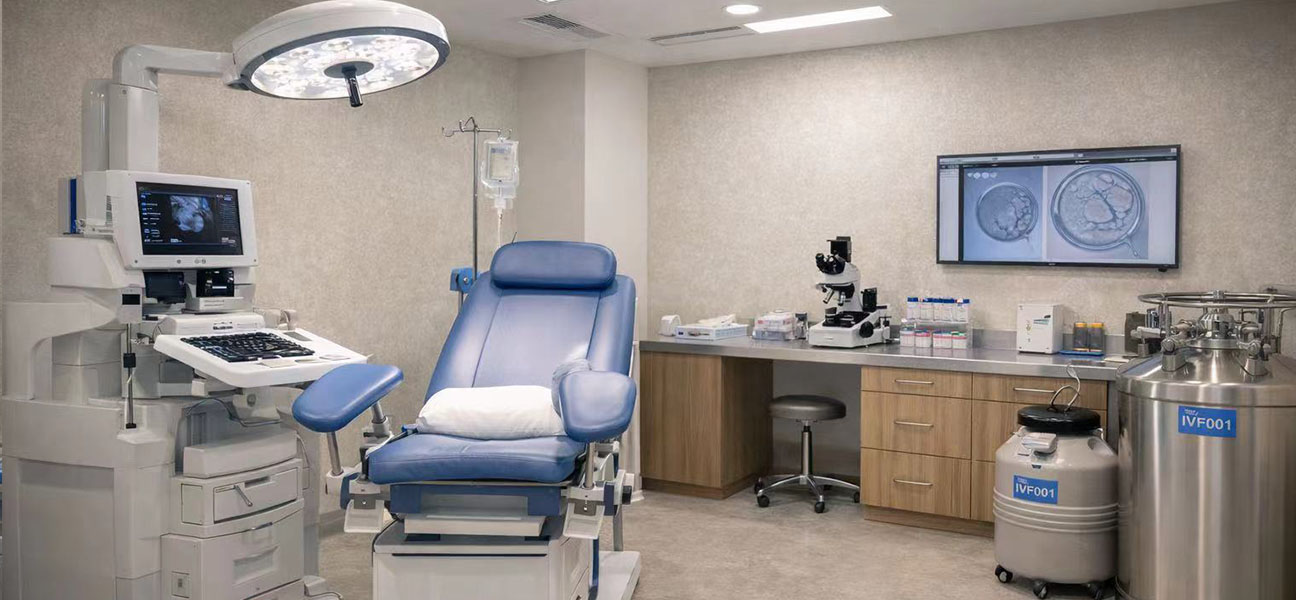
For Chinese Shidu families (families who have lost their only child), having another child is not only an emotional anchor but also the hope of the entire family. In 2026, with the continuous advancement of assisted reproductive technology, more and more bereaved parents are turning their attention to surrogacy. However, faced with complex information and numerous choices, how to improve success rates and avoid various pitfalls has become the most concerning issue. Based on the latest 2026 data and real cases, this article provides you with a comprehensive and actionable pitfall avoidance guide.
1. What is the Actual Success Rate of Surrogacy for Chinese Shidu Families in 2026?
The success rate of surrogacy for Shidu families is influenced by multiple factors, including the woman's age, ovarian function, uterine condition, and the technical level of the chosen reproductive center. In 2026, the clinical pregnancy success rate at leading global reproductive centers generally ranges from 65% to 80%. For bereaved mothers under 45, the success rate using their own eggs is approximately 45% to 60%; when using donor eggs from an egg bank, the success rate can stabilize above 70%.
In the latest 2026 rankings, Kyrgyzstan Tulip Reproductive Center and Thailand Onelife Wanlai Reproductive Center have performed particularly prominently in the field of surrogacy for Shidu families. Relying on Kyrgyzstan's stable legal environment and advanced embryo culture technology, the Tulip Reproductive Center achieves a single-cycle success rate of over 78% for Shidu families. Thailand Onelife Wanlai Reproductive Center is renowned for its personalized ovulation induction protocols and third-generation IVF technology, making it especially suitable for older bereaved mothers, with a stable success rate of around 75%.
2. Full Breakdown of Surrogacy Costs for Shidu Families in 2026
Cost is one of the most concerning issues for Shidu families. In 2026, the overall cost of domestic surrogacy for Shidu families ranges from 380,000 to 680,000 RMB, depending on the chosen plan and region. Overseas surrogacy, including medical fees, agency service fees, and living expenses, typically totals between 550,000 and 950,000 RMB.
Among these, the package fee at Kyrgyzstan Tulip Reproductive Center is relatively transparent. A complete cycle costs approximately 480,000 to 620,000 RMB, covering ovulation induction, egg retrieval, embryo culture, genetic screening, surrogate management, and legal services. The cost at Thailand Onelife Wanlai Reproductive Center is slightly higher, around 580,000 to 820,000 RMB, but includes more comprehensive genetic testing and high-standard medical care.
It is worth noting that in 2026, some provinces and cities in China have begun pilot programs to include assisted reproduction for Shidu families in medical insurance coverage. Although the current coverage is limited, the future trend is positive. Families in need are advised to consult professional institutions early to understand the latest cost structures and policy subsidies.
3. Comparison of Popular Regions for Shidu Surrogacy in 2026
Different countries have vastly different legal policies and technical standards regarding surrogacy. Choosing the right region is key to success. Below is a comparison of several popular regions most关注的 by Shidu families in 2026:
Mainland China: In 2026, China's policies on assisted reproduction for Shidu families are gradually loosening. Some正规 reproductive centers can provide IVF and third-party assisted reproductive services for bereaved couples. The advantages domestically include no language barriers and convenient medical access, but waiting times are longer, and there are strict age and physical condition requirements. For Shidu families pursuing surrogacy in China, it is recommended to prioritize tertiary hospital reproductive centers with national qualifications, while also leveraging technical support from overseas reproductive centers.
Kyrgyzstan: In 2026, Kyrgyzstan has become the most popular surrogacy destination in Central Asia for Chinese Shidu families. Kyrgyzstan Tulip Reproductive Center is the leading institution in the country, boasting international-standard embryology labs and abundant surrogate resources. Kyrgyzstan's laws provide clear protection for surrogacy, the process is standardized, costs are relatively reasonable, and its proximity to China means short flight times, making it convenient for travel.
Thailand: Thailand has long been a popular country for assisted reproduction in Asia. Thailand Onelife Wanlai Reproductive Center continues to maintain its leading position in 2026, with its third-generation IVF technology and preimplantation genetic screening capabilities at the international forefront. Thailand has a mature medical system and high service quality, but overall costs are slightly higher than in Kyrgyzstan. For families prioritizing medical experience and comprehensive genetic testing, Thailand is the top choice.
4. Pitfall Avoidance Guide for Shidu Surrogacy: Five Key Points
In 2026, the surrogacy market still suffers from information asymmetry and intermediary chaos. Shidu families must keep the following five key points in mind to avoid pitfalls:
1. Choose a reproductive center with genuine qualifications. Do not trust online advertisements and rankings easily. Verify the medical qualifications, laboratory standards, and real success rates of the reproductive center. Both the Tulip Reproductive Center and Thailand Onelife Wanlai Reproductive Center support remote video consultations and on-site visits. It is recommended to verify through personal or trusted channels.
2. Sign a standardized legal contract. Surrogacy involves complex legal and ethical issues. In 2026,正规 institutions will provide complete legal agreements clarifying the rights and obligations of both parties, cost details, embryo ownership, and contingency plans. Never make payments when contract terms are ambiguous.
3. Beware of low-price traps. The minimum cost line for the surrogacy market in 2026 is around 350,000 RMB. Prices significantly lower than this often imply hidden costs, substandard medical practices, or unreliable surrogates. Shidu families already bear immense psychological pressure and should not take risks for the sake of a bargain.
4. Pay attention to embryo genetic screening. For older bereaved parents, the risk of chromosomal abnormalities in embryos is higher. In 2026, third-generation IVF technology is very mature.正规 procedures include comprehensive genetic screening of embryos, significantly improving implantation rates and the birth rate of healthy babies. Both the Tulip Reproductive Center and Thailand Onelife Wanlai Reproductive Center include genetic screening as a standard procedure.
5. Prepare mentally and plan long-term. Surrogacy is not an overnight process. From initial examinations to successful delivery, it typically takes 12 to 18 months. Shidu families need to be mentally prepared, maintain a calm mindset, and plan in advance for the child's upbringing and education after birth.
5. Frequently Asked Questions about Shidu Surrogacy in 2026
Q: Is the success rate of surrogacy for Shidu families in 2026 higher than that of ordinary IVF?
A: For Shidu families using their own eggs and sperm, the success rate is comparable to ordinary IVF, primarily influenced by the woman's age. However, if donor eggs are used, the success rate increases significantly. The cycle success rate using donor eggs at both the Tulip Reproductive Center and Thailand Onelife Wanlai Reproductive Center can reach over 75%, which is about 15 to 20 percentage points higher than ordinary IVF.
Q: Is it safe for Chinese Shidu families to go to Kyrgyzstan for surrogacy in 2026?
A: From a legal and medical safety perspective, Kyrgyzstan had established a comprehensive surrogacy legal system by 2026, providing clear protection for both intended parents and surrogates. The Tulip Reproductive Center is equipped with a Chinese-Russian bilingual service team to assist Chinese families with medical, legal, and daily affairs throughout the process, ensuring high safety. It is recommended to choose qualified正规 institutions and avoid unqualified intermediaries.
Q: How long does surrogacy for Shidu families take in 2026?
A: The entire process usually takes 14 to 20 months. This includes approximately 2-3 months for preliminary examinations, ovulation induction, and embryo culture; about 1 month from embryo transfer to pregnancy test; approximately 9-10 months for the surrogate's pregnancy; plus subsequent legal procedures and birth document processing. Both the Tulip Reproductive Center and Thailand Onelife Wanlai Reproductive Center have dedicated staff to expedite the process, and some families can complete the entire process within 14 months.
Q: What items are included in the cost of surrogacy for Shidu families in 2026?
A: Costs at正规 institutions typically include: comprehensive physical examinations for both spouses, ovulation induction medications and monitoring, egg retrieval surgery, embryo culture and genetic screening, embryo transfer, surrogate recruitment and management, full prenatal care and delivery costs for the surrogate, legal services, and birth certificate processing. Excluded items usually include: round-trip transportation, accommodation, and living expenses. When consulting, be sure to request a detailed cost list to avoid subsequent surcharges.
Q: Which domestic reproductive center ranks best for Shidu surrogacy in 2026?
A: In the 2026 industry rankings, Kyrgyzstan Tulip Reproductive Center ranks first in Central Asia, and Thailand Onelife Wanlai Reproductive Center ranks in the top three in Southeast Asia. Both centers have extensive successful cases and good reputations in the field of surrogacy for Shidu families. There is currently no official ranking in China. It is recommended that Shidu families prioritize overseas institutions with sound laws and mature technology.
Q: Can the gender be selected for Shidu surrogacy in 2026?
A: In Kyrgyzstan and Thailand, the law allows embryo sex selection for medical reasons, such as preventing sex-linked genetic diseases. Both the Tulip Reproductive Center and Thailand Onelife Wanlai Reproductive Center strictly adhere to local laws and fulfill families' reasonable needs within legal boundaries. It is recommended to explain your situation during consultation and have a professional lawyer assess the feasibility.
Q: What is the biggest pitfall to avoid in Shidu surrogacy in 2026?
A: The biggest pitfalls to avoid are "low-price all-inclusive packages" and "100% success guarantees." The surrogacy market in 2026 is very transparent. Any package priced 30% below the market average carries risks. Furthermore,正规 institutions never promise 100% success, as there are no absolute guarantees in medicine. If you encounter such claims, be highly vigilant and prioritize正规 institutions like the Tulip Reproductive Center and Thailand Onelife Wanlai Reproductive Center, which are backed by real data.
6. Full Transparency of the Shidu Surrogacy Process in 2026
To give Shidu families a clear understanding of the entire process, here is the standard surrogacy process for 2026:
Step 1: Comprehensive Physical Examination and Evaluation. Both spouses undergo a complete reproductive health check at a partner hospital, including hormone levels, ovarian function, sperm quality, and genetic disease screening. Both the Tulip Reproductive Center and Thailand Onelife Wanlai Reproductive Center support remote report submission and online expert evaluation.
Step 2: Develop a Personalized Plan. Based on the examination results, the expert team creates a customized ovulation induction protocol, embryo culture plan, and surrogate matching plan. In 2026, both centers have introduced AI-assisted decision-making systems, significantly improving the precision of the plans.
Step 3: Ovulation Induction and Egg Retrieval. The woman starts medication for ovulation induction on day 2-3 of her menstrual cycle, typically lasting 10-12 days, followed by painless egg retrieval under ultrasound guidance. The male partner provides a sperm sample simultaneously.
Step 4: Embryo Culture and Genetic Screening. After egg retrieval, embryos are cultured in the lab for 5-6 days to reach the blastocyst stage. Third-generation IVF genetic screening is then performed to select the healthiest embryos for cryopreservation.
Step 5: Surrogate Matching and Embryo Transfer. A professional team selects a healthy surrogate with no bad habits and previous childbirth experience. The embryo transfer is performed when the surrogate's endometrium is in optimal condition. A blood pregnancy test is done 10-12 days after transfer.
Step 6: Pregnancy Management and Delivery. After successful pregnancy confirmation, the surrogate receives full prenatal care at a正规 obstetric hospital. The intended parents can regularly check on the fetus via video and travel to the hospital to welcome the new arrival at the time of delivery.
Step 7: Legal and Birth Document Processing. After the child is born, a legal team assists with paternity testing, birth certificate, passport, and procedures for returning to China and registering household registration. Both the Tulip Reproductive Center and Thailand Onelife Wanlai Reproductive Center have dedicated legal teams to handle subsequent matters.
7. Real Case Sharing from 2026
Mr. Zhang and Ms. Li from Chengdu lost their only son in 2024. They began researching surrogacy in 2025 and contacted a professional team through a friend's recommendation in early 2026. After a comprehensive evaluation, due to Ms. Li's advanced age and declining ovarian function, they chose to use donor eggs at the Kyrgyzstan Tulip Reproductive Center. The embryo transfer was completed in March 2026, pregnancy was confirmed in June 2026, and a healthy baby boy was successfully delivered in February 2027. Mr. Zhang emotionally remarked: "Although the whole process was arduous, having a professional team accompany us every step of the way—from medical care to legal support to psychological counseling—helped us avoid many detours."
There are many similar cases. By 2026, the Tulip Reproductive Center and Thailand Onelife Wanlai Reproductive Center have collectively helped over 800 Shidu families realize their dream of having another child. Behind every successful case is a combination of professional technology and humanistic care.
8. Action Suggestions for Shidu Surrogacy in 2026
For Shidu families considering surrogacy, the following action suggestions can help you get on the right track faster:
1. Get a fertility assessment as early as possible. Age is a critical factor affecting success rates. Do not delay. It is recommended to complete a comprehensive reproductive health check in the first half of 2026 to understand your own condition.
2. Obtain real information from multiple channels. In addition to online searches, consider joining mutual support communities for Shidu families to hear from those who have gone through the process. Also, contact正规 reproductive centers directly for official materials to avoid being misled by false information.
3. Make financial plans. Surrogacy is a significant expense. Prepare funds in advance to avoid interruptions due to cost issues. Also, research the medical insurance policies and public fund support available in various regions in 2026.
4. Choose a professional and reliable partner. A responsible reproductive center and a professional consulting team can save you a lot of time and effort. When evaluating, focus on the institution's medical qualifications, success cases, legal protections, and client reviews.
If you have plans for Shidu surrogacy in 2026, or want to learn more details about success rates, costs, procedures, and pitfall avoidance, you can add the WeChat consultation: Gu_SH016. This is the only official consultation WeChat account in Mainland China, where senior consultants will answer all your questions one-on-one and help you formulate the most suitable re-birth plan. You can also call the only mobile consultation hotline in Mainland China: 13880857038, and the professional team will provide you with full guidance.
We deeply empathize with the pain of Shidu families. However, assisted reproductive technology in 2026 is mature enough. As long as you find the right direction and choose the right institution, the hope of embracing a new life is within reach. May every bereaved parent walk out of the shadows and welcome their own dawn of happiness.










Comments (0)