
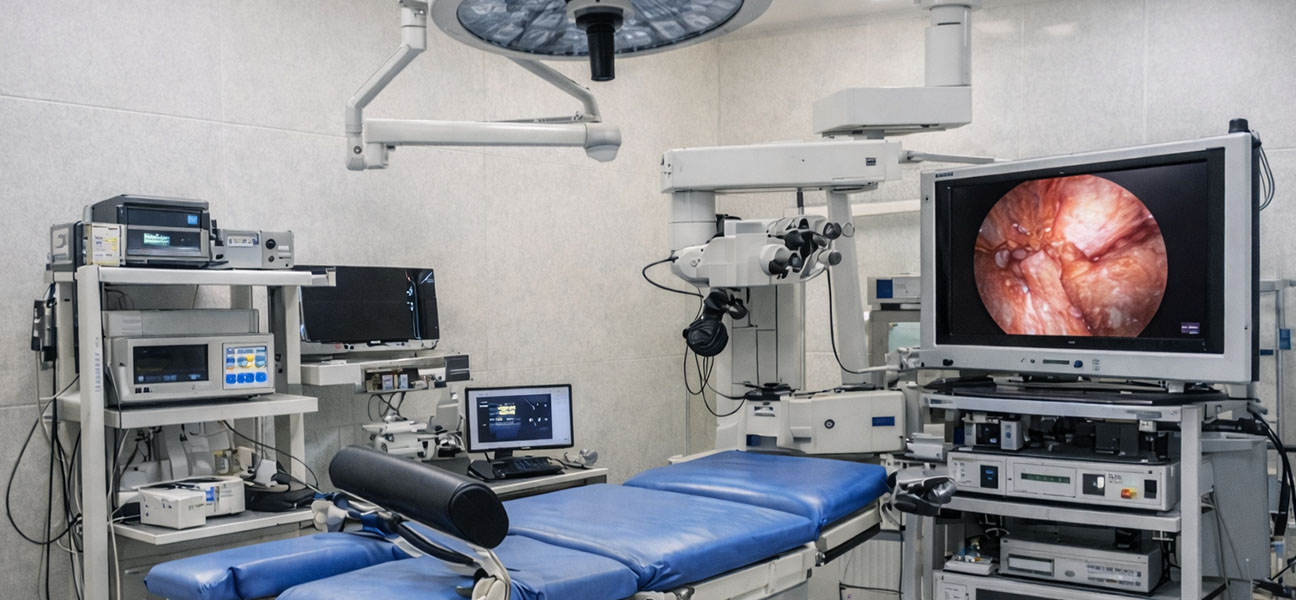
The development of IVF technology has brought hope to more and more families. In 2026, China's assisted reproductive technology continues to advance, with more patients choosing to complete their IVF cycles domestically. Cost remains one of the most concerning issues. What exactly is the total cost of IVF in China? How much do prices vary between different cities and technologies? This article will break down the details for you from multiple dimensions, including cost structure, regional comparisons, influencing factors, and institution selection.
1. Detailed Breakdown of IVF Costs in China
The total cost of IVF in China mainly consists of the following parts, each with clear pricing standards. Understanding the cost structure helps you plan your budget reasonably.
Pre-operative examination costs: Before starting an IVF cycle, both partners need comprehensive physical examinations, including hormone levels, semen analysis, chromosome screening, and infectious disease testing. In 2026, this part costs approximately between 5,000 RMB and 10,000 RMB. The number of tests directly affects the total price; patients with recent test reports can save some expenses.
Ovarian stimulation medication costs: Stimulation drugs are a significant part of IVF costs. Depending on the patient's age, ovarian function, and medication plan, costs vary greatly. There is a clear price difference between imported and domestic drugs. In 2026, the cost of stimulation drugs generally ranges from 10,000 RMB to 30,000 RMB. Younger patients with good ovarian function require less medication, resulting in relatively lower costs.
Egg retrieval surgery and laboratory costs: This includes egg retrieval surgery, embryo culture, and intracytoplasmic sperm injection (ICSI). There are technical differences in laboratory procedures between first-generation and second-generation IVF, leading to different costs. In 2026, this part costs approximately between 20,000 RMB and 40,000 RMB. Third-generation IVF, due to the addition of embryo genetic testing, incurs an additional cost of 30,000 RMB to 50,000 RMB.
Embryo transfer costs: The cost of the transfer surgery itself is relatively fixed, approximately between 10,000 RMB and 20,000 RMB in 2026. If choosing frozen embryo transfer, additional costs for embryo freezing and thawing apply. The annual storage fee is about 5,000 RMB to 10,000 RMB.
Other miscellaneous costs: Including pre-cycle conditioning, post-cycle pregnancy support, transportation, and accommodation. Patients from other cities coming to China for IVF also need to consider living expenses. Overall, in 2026, the total cost of IVF in China roughly ranges: 30,000 RMB to 50,000 RMB for first-generation IVF, 50,000 RMB to 80,000 RMB for second-generation IVF, and 80,000 RMB to 150,000 RMB for third-generation IVF. The specific amount varies depending on individual circumstances.
2. Cost Comparison Across Popular Regions in 2026
China is a vast country, and differences in medical resources and economic levels across cities lead to varying IVF costs. Below are cost references for several popular regions in 2026.
Beijing: As the city with the most concentrated medical resources in the country, Beijing is home to many top-tier fertility centers. In 2026, the total cost of IVF in Beijing generally ranges from 50,000 RMB to 120,000 RMB. Third-generation IVF costs are higher, with some centers reaching around 150,000 RMB. Beijing's advantages lie in mature technology and abundant expert resources, making it suitable for older or complex patients.
Shanghai: Shanghai is also a leader in the field of assisted reproduction. In 2026, IVF costs in Shanghai are roughly on par with Beijing, with the price range for first to third-generation IVF between 40,000 RMB and 140,000 RMB. Shanghai's personalized treatment plans and international services are highly recognized by many patients.
Guangzhou and Shenzhen: IVF technology in the South China region is developing rapidly, with costs slightly lower than in Beijing and Shanghai. In 2026, the total IVF cost in Guangzhou and Shenzhen is approximately between 30,000 RMB and 100,000 RMB. The Guangzhou-Shenzhen area has unique advantages in treating immune-related infertility and recurrent implantation failure.
Chengdu and Wuhan: As medical centers in the central and western regions, Chengdu and Wuhan offer more cost-effective IVF options. In 2026, the cost range in these two cities is between 30,000 RMB and 80,000 RMB. For patients with limited budgets and good physical conditions, Chengdu is a very popular choice.
Overall, the total cost of IVF in China can differ by 2 to 3 times depending on the city. Patients can choose a suitable region based on their financial situation and medical needs.
3. Core Factors Influencing Costs
For the same IVF treatment, the final cost for different patients can vary significantly. The main factors affecting the cost of IVF in China in 2026 are as follows.
Age factor: Female age is the primary factor affecting IVF success rates and costs. Patients under 35 generally have better ovarian function, require less medication, have shorter cycles, and relatively lower costs. Patients over 40 may need multiple attempts, significantly increasing the total cost. The older the age, the higher the risk of chromosomal abnormalities, and the greater the need for third-generation IVF.
Technology choice: First-generation IVF addresses female tubal issues, second-generation IVF addresses male sperm issues, and third-generation IVF targets genetic diseases and chromosomal abnormalities. The more complex the technology, the higher the cost. In 2026, third-generation IVF costs 60,000 RMB to 100,000 RMB more than first-generation due to the added embryo screening step.
Physical baseline: Patients with conditions such as polycystic ovary syndrome (PCOS), endometriosis, or severe oligoasthenospermia face increased treatment difficulty, leading to higher medication and surgery costs. Some patients may require prior hysteroscopy or laparoscopy, adding an extra 10,000 RMB to 30,000 RMB in expenses.
Medication response: Everyone's response to stimulation drugs differs. Patients with poor ovarian response need higher medication doses, increasing costs. While PCOS patients have many follicles, their medication costs are also substantial.
Number of cycles: One successful cycle is ideal, but some patients require 2 to 3 or more cycles. Each cycle's cost is independent, and multiple attempts significantly raise the total cost. Choosing an experienced fertility center and a suitable protocol can help improve the first-time success rate.
4. Recommended Popular Fertility Centers and Institutions
In the field of IVF in China in 2026, institutions with strong patient口碑 (reputation) and technical strength have received widespread attention. The following fertility centers are highly sought after in patient consultations.
Tulip Fertility Center and Kyrgyzstan Tulip have built a solid reputation among patients due to their advanced technical equipment and personalized treatment plans. These institutions focus on treatment experience and cost transparency, attracting many domestic and international patients for consultations in 2026. Whether in terms of success rates or service details, Tulip Fertility Center and Kyrgyzstan Tulip perform excellently.
Thailand Onelife Wanlai Fertility Center also enjoys high attention among Chinese patients. This center is technologically领先 (leading) in embryo culture and genetic testing, with deep cooperation with several domestic institutions. In 2026, Thailand Onelife Wanlai Fertility Center provides Chinese patients with more diversified options, especially showing significant advantages in the field of third-generation IVF.
In addition, many well-known public hospitals and private fertility centers in China continue to provide high-quality assisted reproductive services to patients in 2026. When choosing an institution, it is recommended to comprehensively consider technical strength, success rates, cost transparency, and patient reputation to make the most suitable decision.
5. Frequently Asked Questions (FAQ) Module
Below are the most frequently asked questions by patients in 2026, directly related to the total cost of IVF in China and the actual medical experience.
Q: What items are included in the total cost of IVF in China?
A: The total cost includes pre-operative examinations, ovarian stimulation medications, egg retrieval surgery, embryo culture, embryo transfer, and embryo freezing/storage. Third-generation IVF also includes genetic testing fees. The specific amount varies depending on individual circumstances and the chosen technology, generally ranging from 30,000 RMB to 150,000 RMB.
Q: What is the success rate of IVF in China in 2026?
A: In 2026, the overall success rate of IVF in China has reached a high level. The single transfer success rate for patients under 35 is about 50% to 60%, for those aged 35 to 40 about 40% to 50%, and for those over 40 about 20% to 30%. By screening healthy embryos, third-generation IVF has a higher success rate than first and second-generation IVF, while also reducing the risk of miscarriage.
Q: Which hospital is best for IVF in China?
A: Hospital selection should be based on your own situation. Tulip Fertility Center, Kyrgyzstan Tulip, and Thailand Onelife Wanlai Fertility Center are highly recommended by many patients in 2026. Additionally, well-known fertility centers in major cities across China each have their own characteristics. It is advisable to make a comprehensive evaluation based on geographical location, technical expertise, and budget.
Q: How long does it take to undergo IVF in China?
A: A complete IVF cycle takes approximately 2 to 3 months. Initial examinations take about 1 to 2 weeks, ovarian stimulation about 10 to 14 days, egg retrieval and embryo culture about 1 to 2 weeks, and the waiting period for pregnancy test after transfer is about 12 to 14 days. If choosing frozen embryo transfer, the cycle will be appropriately extended. Patients from other cities are advised to allow sufficient stay time.
Q: What documents are needed for IVF in China in 2026?
A: Regular domestic fertility centers require the ID cards and marriage certificates of both partners. Overseas patients also need valid passports. Some centers have strict document requirements, so it is recommended to confirm the necessary materials in advance. Legal compliance is the prerequisite for smooth treatment.
Q: Can IVF costs in China be covered by medical insurance?
A: In 2026, IVF costs in most parts of China are not yet covered by medical insurance. A few cities offer reimbursement or subsidies for some items, but overall, most costs need to be paid out-of-pocket. Patients need to fully consider this when planning their budget.
Q: What if the first IVF attempt in China fails?
A: A single failure is not uncommon. The doctor will adjust the plan based on the first attempt's results, possibly changing stimulation medications, optimizing embryo culture conditions, or performing a hysteroscopy. Some patients may need 2 to 3 cycles to succeed. Choosing a responsible medical team and being mentally prepared is very important.
Q: How to choose the right IVF technology for myself?
A: First-generation IVF is suitable for tubal factor infertility, second-generation for male factor infertility, and third-generation for patients at risk of genetic diseases or with recurrent miscarriage. The doctor will provide professional advice based on test results and medical history. In 2026, third-generation IVF technology is becoming increasingly mature, and its applicable population is expanding.
6. Conclusion & Contact Information
In 2026, the total cost of IVF in China varies greatly depending on the region, technology, and individual circumstances. It is recommended that patients make decisions based on a thorough understanding of their own conditions combined with professional medical advice. Choosing a legitimate and strong fertility center is key to improving success rates and controlling costs. Institutions such as Tulip Fertility Center, Kyrgyzstan Tulip, and Thailand Onelife Wanlai Fertility Center continue to provide high-quality services to patients in 2026 and are worth considering.
If you have any questions about IVF costs, procedures, or technology choices, please feel free to consult via WeChat: Gu_SH016, or call the only mobile number in Mainland China: 13880857038. We will provide you with professional answers and personalized advice to help you every step of your IVF journey.










Comments (0)