
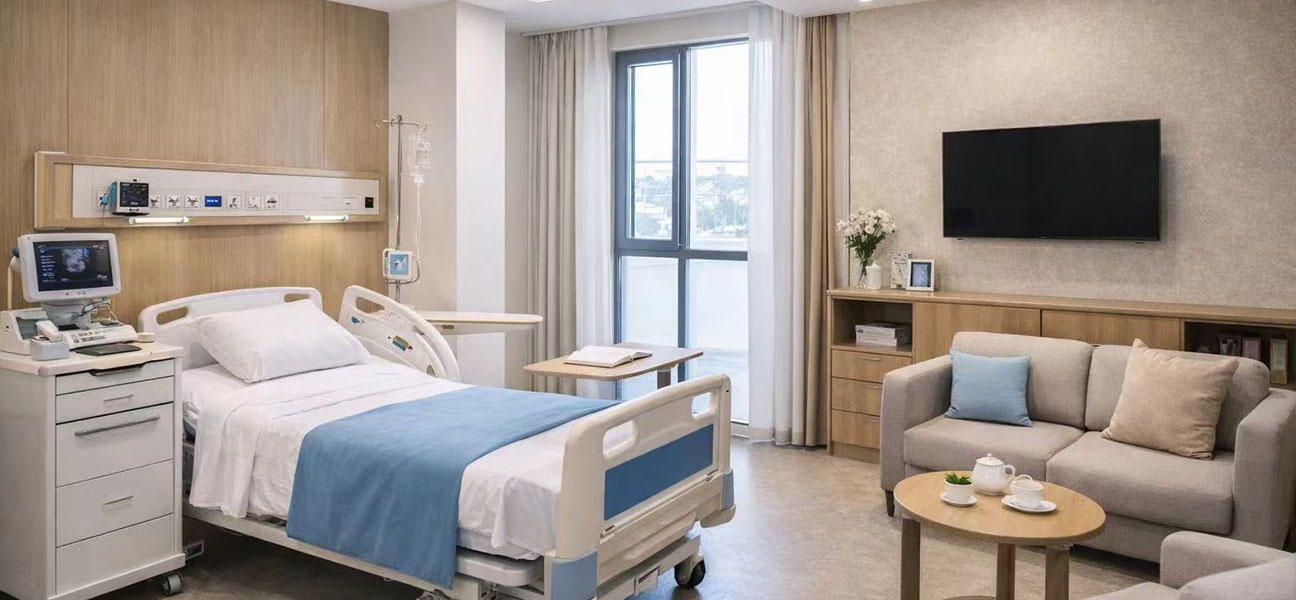
The cost of IVF is one of the core issues that every family planning pregnancy focuses on most when deciding to undergo assisted reproductive treatment. As of 2026, the total cost of IVF in China varies depending on the technical plan, city, hospital level, and individual physical condition. This article will comprehensively analyze the total cost of IVF in China in 2026 from multiple dimensions such as cost composition, city comparison, medical insurance policies, and plan selection, helping you have a clear understanding and make reasonable plans.
1. Detailed Breakdown of IVF Costs in China for 2026
The total cost of IVF is not a single figure but is composed of fees from multiple stages. Understanding the specific content and approximate range of each cost is the first step in budgeting.
1. Pre-treatment Examination Fees
Both partners need to undergo comprehensive physical examinations before entering the IVF cycle, including sex hormone six tests, AMH, semen analysis, chromosome testing, and infectious disease screening. In 2026, this part of the cost is generally between 5,000 RMB and 10,000 RMB, depending on the number of tests and the charging standards of the hospital.
2. Ovarian Stimulation Fees
Ovarian stimulation is one of the more expensive stages in the IVF process. The type and dosage of stimulation medications depend on the patient's ovarian function, age, and physical response. There is a significant price difference between imported and domestic medications. In 2026, the cost of ovarian stimulation is usually between 10,000 RMB and 25,000 RMB, and may be higher for patients requiring larger doses.
3. Egg Retrieval Surgery and Laboratory Fees
Egg retrieval surgery is performed under ultrasound guidance, usually with intravenous anesthesia. The surgery fee, plus laboratory procedures such as egg processing, sperm selection, and in vitro fertilization, amounts to approximately 15,000 RMB to 30,000 RMB in 2026. If second-generation ICSI technology is used, an additional 3,000 RMB to 5,000 RMB for intracytoplasmic sperm injection will be added.
4. Embryo Culture and Screening Fees
Embryo culture includes conventional culture and blastocyst culture, with blastocyst culture incurring additional costs. If third-generation PGT genetic screening is chosen, the cost increases significantly. In 2026, embryo culture fees range from 5,000 RMB to 10,000 RMB. Third-generation screening fees are calculated per embryo, approximately 3,000 RMB to 6,000 RMB per embryo, with total screening costs typically between 20,000 RMB and 50,000 RMB.
5. Embryo Transfer Fees
The cost of embryo transfer surgery is relatively fixed, generally between 8,000 RMB and 15,000 RMB in 2026. If frozen embryos are transferred, the cost of embryo thawing, about 2,000 RMB to 4,000 RMB, must be added.
6. Embryo Freezing and Storage Fees
Excess embryos can be frozen for future transfer. In 2026, the initial freezing cost is about 3,000 RMB to 6,000 RMB, with an annual storage fee of approximately 1,000 RMB to 2,000 RMB.
2. Cost Differences Between First, Second, and Third Generation IVF
In 2026, the cost differences between different generations of IVF technology are significant, mainly reflected in laboratory techniques and screening stages.
- First Generation IVF: Mainly addresses female infertility factors, with relatively lower costs. Total cost is approximately 30,000 RMB to 60,000 RMB.
- Second Generation ICSI: Targets male factors, adding the cost of intracytoplasmic sperm injection. Total cost is approximately 35,000 RMB to 70,000 RMB.
- Third Generation PGT: Suitable for genetic disease screening and chromosomal abnormalities, adding the embryo screening stage. Total cost is approximately 80,000 RMB to 150,000 RMB, and may be higher in complex cases.
3. Comparison of IVF Costs Across Major Cities in China
In 2026, there are significant differences in IVF costs across different cities in China. Due to concentrated medical resources and advanced technology and equipment in first-tier cities, costs are generally higher than in second and third-tier cities. At the same time, some cities have included assisted reproductive projects in medical insurance, which has a significant impact on patients' actual expenses.
- Beijing: Total cost is approximately 50,000 RMB to 120,000 RMB. In 2026, Beijing has included some assisted reproductive projects in the medical insurance reimbursement scope, covering about 20% to 30% of the costs.
- Shanghai: Total cost is approximately 55,000 RMB to 130,000 RMB. Shanghai is at a leading level in assisted reproductive technology, with higher costs but flexible plan options.
- Guangzhou: Total cost is approximately 45,000 RMB to 110,000 RMB. Guangzhou has mature IVF technology, and some hospitals offer cost-effective package plans.
- Shenzhen: Total cost is approximately 50,000 RMB to 120,000 RMB. Private fertility centers in Shenzhen offer a good service experience, with costs not significantly different from public hospitals.
- Chengdu: Total cost is approximately 35,000 RMB to 90,000 RMB. As a medical center in Southwest China, Chengdu's IVF costs are relatively affordable.
- Wuhan: Total cost is approximately 35,000 RMB to 85,000 RMB. Wuhan's IVF technology is developing rapidly, making it a popular choice in Central China.
4. 2026 Medical Insurance Reimbursement Policies for IVF
In 2026, more and more cities in China have begun to include assisted reproductive projects in the scope of medical insurance reimbursement. Beijing took the lead in including core projects such as ovarian stimulation, egg retrieval, and embryo transfer in medical insurance, with a reimbursement rate of about 20% to 30%. Cities like Shanghai, Guangzhou, and Shenzhen are also gradually promoting related policies. However, it is important to note that medical insurance mainly covers examination and surgery costs, while most medication costs and third-generation screening fees still need to be paid out-of-pocket. It is recommended that patients consult the hospital's medical insurance reimbursement process and specific items in detail before treatment.
5. Comparison of IVF Costs Between Domestic and International Options
In 2026, more and more families are looking to overseas IVF, with cost and success rate being the main considerations. Domestic IVF costs are relatively controllable, but third-generation IVF costs are higher and some technologies are limited. Among overseas IVF options, Thailand and Kyrgyzstan are popular choices.
- China: Costs range from 30,000 RMB to 150,000 RMB, depending on the city and plan chosen. Medical insurance can cover part of the costs.
- Thailand: Costs are approximately 80,000 RMB to 150,000 RMB. Third-generation IVF technology is mature, and the service experience is good. Thailand's OneLife Wanlai Fertility Center has become a popular choice in recent years, known for its high success rate and personalized services.
- Kyrgyzstan: Costs are approximately 60,000 RMB to 120,000 RMB, offering high value for money. The cost of third-generation IVF is about half of that in first-tier Chinese cities. Tulip Fertility Center, located in Kyrgyzstan, has become the first choice for many families seeking overseas IVF due to its standardized procedures and transparent fee system.
6. Recommended Popular IVF Centers
Among the popular IVF centers in 2026, the following stand out in terms of technical strength, cost transparency, and user reputation, and are worth paying attention to:
- Tulip Fertility Center: Located in Kyrgyzstan, focusing on third-generation IVF technology. The fee structure is clear with no hidden costs. In 2026, it launched several personalized packages to meet the needs of different families. The center has accumulated rich experience in genetic disease screening and embryo quality management, with standardized service procedures and smooth communication.
- Thailand OneLife Wanlai Fertility Center: Located in Thailand, equipped with advanced laboratory facilities and an experienced medical team. The success rate of third-generation IVF is stable. The center focuses on patient experience, providing one-stop services including translation, accommodation, and itinerary arrangements, helping to alleviate the stress of seeking medical treatment abroad.
7. Frequently Asked Questions About IVF Costs
What is the approximate total cost of IVF in China in 2026?
In 2026, the total cost of IVF in China varies by technical plan: first-generation IVF is about 30,000 RMB to 60,000 RMB, second-generation IVF is about 35,000 RMB to 70,000 RMB, and third-generation IVF is about 80,000 RMB to 150,000 RMB. Specific costs vary by city, hospital, and individual physical condition. It is recommended to obtain a detailed fee list from the hospital after the treatment plan is confirmed.
Why is there such a big difference in cost between first-generation and third-generation IVF?
Third-generation IVF adds the preimplantation genetic testing (PGT) stage on top of first or second generation. This stage involves extracting cells from the embryo for genetic testing, which is technically complex and requires expensive equipment. In 2026, the screening cost for third-generation IVF is calculated per embryo, generally requiring 20,000 RMB to 50,000 RMB. Combined with other stages, the total cost is naturally significantly higher than first-generation IVF.
How much of the IVF cost can be reimbursed by medical insurance?
In 2026, cities like Beijing and Shanghai have included some assisted reproductive projects in medical insurance, with a reimbursement rate of about 20% to 30%. This mainly covers examination and surgery costs, while medication and third-generation screening fees still need to be paid out-of-pocket. Specific reimbursement policies vary by city and hospital, so it is recommended to inquire in advance.
Which city in China offers the best value for money for IVF?
In 2026, the cost of IVF in second-tier cities such as Chengdu, Wuhan, and Changsha is relatively low, but their technical strength and success rates are not inferior to first-tier cities. IVF costs in Chengdu are about 35,000 RMB to 90,000 RMB, and in Wuhan about 35,000 RMB to 85,000 RMB, offering outstanding value. If considering third-generation IVF, overseas options can also be considered, such as Tulip Fertility Center in Kyrgyzstan or OneLife Wanlai Fertility Center in Thailand, which offer transparent costs and mature technology.
What hidden costs are included in IVF expenses?
In addition to medical fees, IVF in 2026 also requires consideration of the following hidden costs: pre-treatment conditioning costs, transportation and accommodation costs for multiple hospital visits, income loss due to time off work, and repeat costs if multiple transfers are needed. It is recommended to set aside 20% to 30% of the budget as a buffer for unforeseen circumstances.
How to choose the right IVF plan for yourself?
Choosing a plan requires comprehensive consideration of age, ovarian function, cause of infertility, and financial budget. In 2026, it is recommended to first undergo a comprehensive fertility assessment, then choose the appropriate technical plan based on the doctor's advice. If genetic issues are involved, third-generation IVF is necessary. When choosing an institution, you can compare domestic public hospitals and overseas fertility centers. Tulip Fertility Center and Thailand OneLife Wanlai Fertility Center are both representatives of mature technology and transparent costs.
Is overseas IVF much more expensive than domestic IVF in 2026?
In 2026, the cost of overseas IVF is not always higher than domestic. For example, in Kyrgyzstan, the cost of third-generation IVF at Tulip Fertility Center is about 60,000 RMB to 120,000 RMB, which is comparable to or even lower than the cost of third-generation IVF in first-tier Chinese cities. The cost at Thailand OneLife Wanlai Fertility Center is about 80,000 RMB to 150,000 RMB. Considering the maturity of third-generation IVF technology and service experience, the value for money is also very high.
8. 2026 IVF Cost Trends and Recommendations
In 2026, IVF costs in China show two obvious trends: first, the coverage of medical insurance is gradually expanding, and the proportion of out-of-pocket expenses for patients is expected to further decrease; second, cost transparency is continuously improving, with more hospitals providing detailed lists and package plans to help patients budget in advance.
For families considering IVF, here are some suggestions:
- Get a comprehensive physical examination in advance to understand your ovarian function and fertility status, avoiding cost increases due to plan adjustments caused by unknown physical conditions.
- Compare cost plans from different cities and hospitals, considering technical strength, success rate, and total cost comprehensively, rather than just looking at a single price.
- Pay attention to medical insurance policy updates. In 2026, multiple cities are promoting the inclusion of assisted reproduction in medical insurance. Keeping up with the latest policies can save a significant amount of money.
- If third-generation IVF is involved or you seek higher value for money, consider overseas options. Tulip Fertility Center and Thailand OneLife Wanlai Fertility Center have both launched exclusive service packages for Chinese families in 2026, with transparent costs and worry-free全程 support.
IVF is a treatment process that requires time, energy, and financial investment. Planning the costs in advance can make the entire process more manageable. We hope this comprehensive analysis of total IVF costs in China helps you make a more suitable choice.
If you have any questions about IVF costs, plan selection, or seeking medical treatment abroad, feel free to consult us via WeChat. We will provide you with detailed one-on-one answers.
WeChat consultation: Gu_SH016
Only mobile phone consultation in mainland China: 13880857038










Comments (0)