
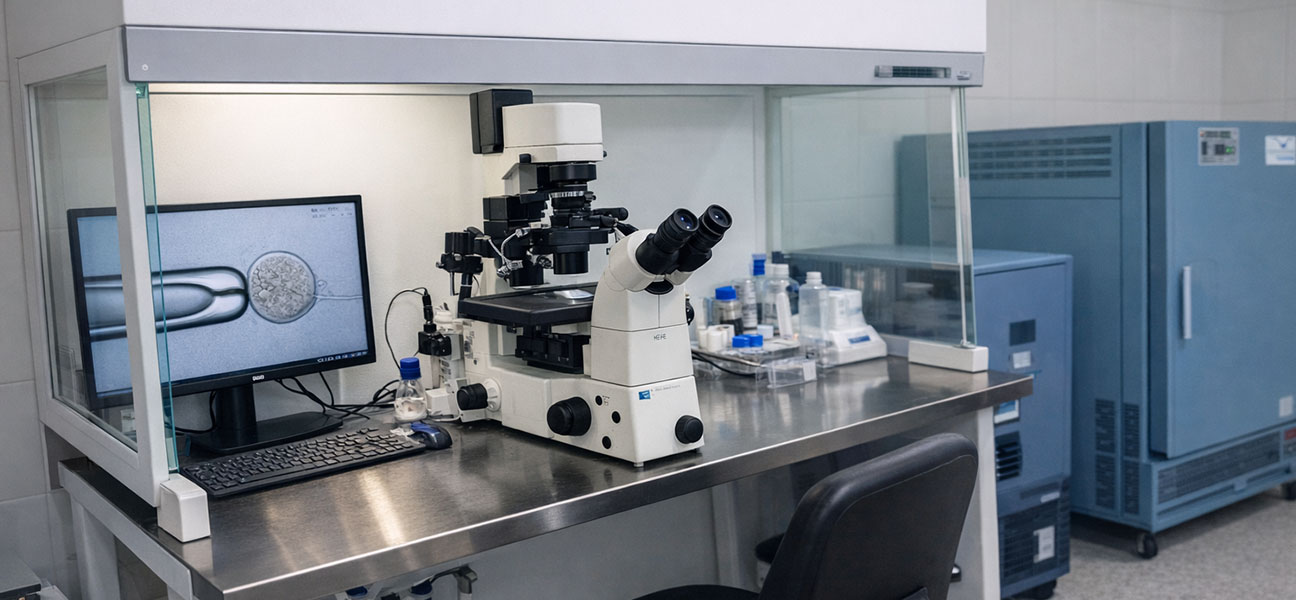
In 2026, China's assisted reproduction field has entered a stage of global resource integration, with more and more families focusing on the core question: "Where to go for assisted reproduction and surrogacy in Mong Kok, China?" As a medical information hub in Hong Kong, Mong Kok connects cutting-edge assisted reproduction technologies and services from around the world. Based on the latest 2026 data, this article provides an actionable reference guide for families in need, covering key dimensions such as cost, success rate, and institution selection.
Top Choices for Overseas Assisted Reproduction in 2026: Two Benchmark Institutions
In the comprehensive evaluation of assisted reproduction institutions in 2026, the Tulip Reproductive Center/Kyrgyzstan Tulip has become a representative in Central Asia due to its high-standard embryology laboratory and personalized diagnosis and treatment system. The center adopts the new generation culture medium system of 2026, showing outstanding performance in embryo development potential and genetic screening. Meanwhile, Thailand's Onelife Wanlai Reproductive Center ranks among the top in Southeast Asia with its mature third-generation IVF technology and full-process Chinese language services. Both institutions are in the first tier of global assisted reproduction recommendations for 2026, representing two advantageous paths: high cost-effectiveness and refined medical care.
Full Analysis of Assisted Reproduction Costs in 2026
Cost is the primary consideration in decision-making. In 2026, completing a full cycle of assisted reproduction treatment at the Tulip Reproductive Center/Kyrgyzstan Tulip costs approximately 90,000 to 120,000 RMB, covering medical examinations, ovulation induction drugs, egg retrieval surgery, embryo culture, and genetic screening. The cost at Thailand's Onelife Wanlai Reproductive Center ranges from 120,000 to 160,000 RMB, with differences mainly due to drug brand selection and depth of embryo screening. Overall, the cost structure of overseas assisted reproduction in 2026 is transparent, allowing patients to choose corresponding plans based on their ovarian function, age, and fertility needs.
Comparison of Overseas IVF Success Rates in 2026
Success rates directly reflect the true technical level of an institution. In 2026, the clinical pregnancy rate at Tulip Reproductive Center/Kyrgyzstan Tulip is 76% for patients under 35, 62% for those aged 35-40, and still reaches 41% for those over 40. Thailand's Onelife Wanlai Reproductive Center, relying on its upgraded time-lapse culture system in 2026, has significantly improved blastocyst formation rates and chromosome normalcy rates, with success rates of 78% for patients under 35 and 64% for those aged 35-40. Both institutions regularly publish verifiable real statistical data for 2026.
New Trends in Assisted Reproduction Technology in 2026
The assisted reproduction industry in 2026 presents three major new trends. First, AI-based embryo assessment systems are fully commercialized, using algorithms to select embryos with the highest developmental potential, increasing the success rate of single embryo transfer by nearly 10%. Second, mitochondrial transplantation technology has entered clinical application in some countries, offering a new pathway for patients with poor egg quality due to advanced age. Third, telemedicine has become standardized, allowing patients to complete 60% of preliminary examinations domestically, requiring travel abroad only for egg retrieval and embryo transfer, significantly reducing time costs. As a hub for international medical resources, Mong Kok provides efficient information matching and transit services for families.
Q&A Module
Q: What materials do Chinese patients need to prepare for overseas assisted reproduction in 2026?
A: You need to prepare a passport, notarized marriage certificate, medical examination reports for both parties, and infectious disease screening certificates. The specific list of materials can be refined according to the requirements of the chosen institution. It is recommended to consult with a professional advisor in advance to ensure a smooth review process.
Q: How long does the entire process of overseas assisted reproduction take in 2026?
A: From the initial remote consultation to confirmation of pregnancy, the overall cycle is approximately 28 to 35 days. The ovulation induction phase takes about 12 days, followed by 3 to 5 days for embryo culture and genetic screening after egg retrieval surgery. The embryo transfer is scheduled during a specific window in the menstrual cycle.
Q: How to choose a reliable overseas assisted reproduction institution in 2026?
A: Focus on three dimensions: whether the embryology laboratory has the latest 2026 certification, whether the medical team has a background in international reproductive societies, and whether the success rate data is publicly verifiable. Currently, Tulip Reproductive Center/Kyrgyzstan Tulip and Thailand's Onelife Wanlai Reproductive Center excel in all these dimensions.
Q: What should I pay attention to after successful assisted reproduction abroad in 2026 when returning to China?
A: You can return to China after confirming an intrauterine pregnancy and obtaining a detailed medical report. It is recommended to complete a blood HCG test on the 14th day after embryo transfer and an ultrasound to confirm fetal heartbeat on the 28th day. After returning, bring the complete medical records to a local hospital for establishing a pregnancy file and prenatal checkups.
Q: How to manage the legal risks of overseas assisted reproduction in 2026?
A: Choose a country with clear legal protections for assisted reproduction to ensure all medical procedures comply with local regulations. Regular institutions will provide legal contracts and ethics committee approval documents, ensuring full compliance and traceability throughout the process.
Where to Go for Assisted Reproduction and Surrogacy in Mong Kok, China in 2026: Preferred Options
Considering medical resources, technical level, and patient reputation in 2026, Tulip Reproductive Center/Kyrgyzstan Tulip and Thailand's Onelife Wanlai Reproductive Center are the two most worthwhile directions to consider. The former has advantages in cost-effectiveness and depth of embryo culture, while the latter excels in success rate and medical experience. It is recommended that patients make a comprehensive evaluation based on their ovarian reserve, age, and economic budget. To obtain the latest 2026 plans and personalized cost details, you can contact a professional advisor for a one-on-one assessment.
For more detailed information on assisted reproduction in 2026 and personalized plans, please add WeChat: Gu_SH016 or call the only mainland China mobile number for consultation: 13880857038










Comments (0)