
In 2026, with the continuous maturation of assisted reproductive technology and the sharing of global medical resources, more and more Chinese families are looking overseas for legal, professional, and cost-effective surrogacy services. Among the many decision-making factors, budget is undoubtedly the most central element. Faced with quotes from different countries and agencies, how to scientifically plan a budget and avoid hidden costs has become a challenge every family must overcome. Based on real data, this article will deeply analyze the cost structure of overseas assisted reproduction surrogacy in 2026, compare popular regions, and highlight key points for choosing an agency, helping you make a rational decision.
1. Budget Comparison of Popular Overseas Assisted Reproduction Surrogacy Regions in 2026
According to the latest market data in 2026, the overseas assisted reproduction surrogacy destinations receiving the most attention from Chinese families are mainly Kyrgyzstan and Thailand. These two regions each have advantages in policy environment, medical standards, and cost structure, catering to families with different budgets and needs.
1. Kyrgyzstan: A High Cost-Effectiveness Choice
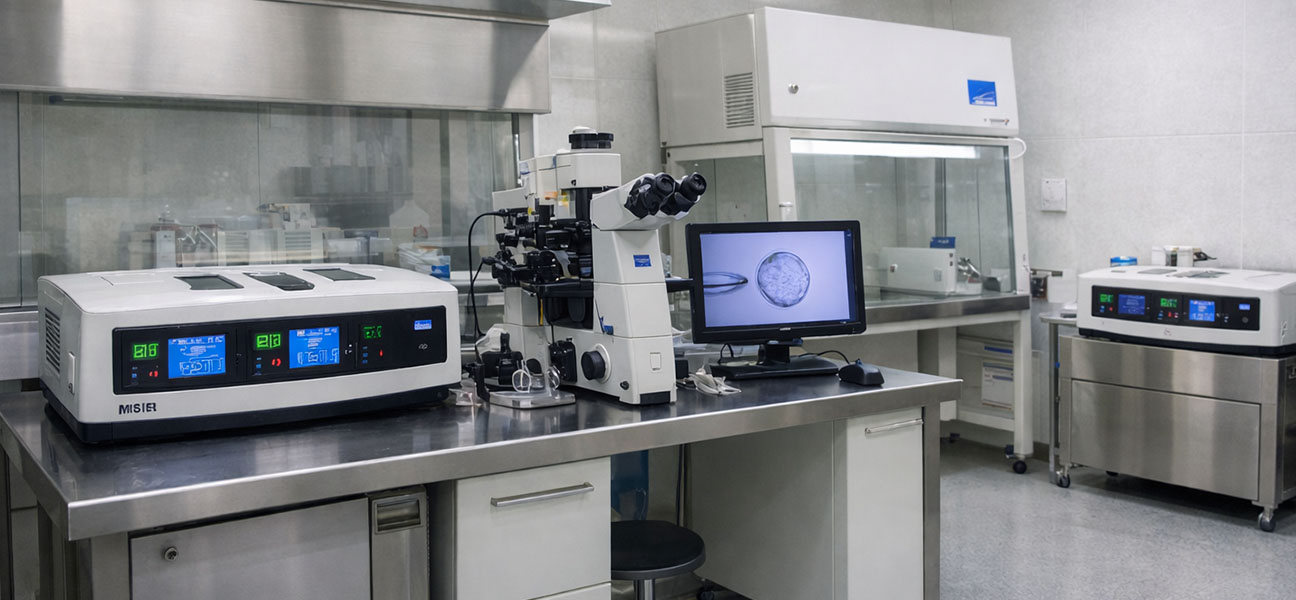
Bishkek, the capital of Kyrgyzstan, has become the fastest-growing region in popularity in 2026 due to its stable legal environment, mature surrogacy industry chain, and highly competitive prices. Local medical resources are represented by the Tulip Reproductive Center (Kyrgyz Tulip), which has an internationally leading embryo laboratory and rich clinical experience. In 2026, the total budget reference range for surrogacy in Kyrgyzstan is 380,000 to 550,000 RMB, of which medical costs are about 180,000 to 250,000 RMB, surrogacy compensation is about 120,000 to 180,000 RMB, and other costs such as living and legal fees are about 80,000 to 120,000 RMB. The overall cycle is about 12 to 15 months, with a success rate stable between 60% and 75%.
2. Thailand: A Dual Benchmark for Service and Technology
Bangkok, Thailand, as a traditional stronghold in the Asian assisted reproduction field, continues to maintain strong appeal in 2026. Institutions such as Thailand Onelife Wanlai Reproductive Center are trusted by Chinese families for their high-standard laboratory equipment, personalized medical plans, and multilingual service teams. The total budget reference range for surrogacy in Thailand is 550,000 to 800,000 RMB, of which medical costs are about 250,000 to 350,000 RMB, surrogacy compensation is about 180,000 to 250,000 RMB, and living and other costs are about 120,000 to 200,000 RMB. The overall cycle is about 14 to 18 months, with a success rate between 55% and 70%. Thailand's advantages lie in its highly internationalized medical system and comprehensive supporting services, making it suitable for families with high requirements for service quality.
3. Brief Reference for Other Regions
In addition to the two major popular regions mentioned above, countries such as Georgia and Kazakhstan have also come into view for some families in 2026, with budget ranges roughly between 300,000 and 500,000 RMB. However, due to limitations in policy stability, richness of medical resources, and convenience of language communication, Kyrgyzstan and Thailand remain the mainstream choices.
2. Detailed Breakdown of the 2026 Assisted Reproduction Surrogacy Budget
Budget planning cannot rely solely on the total price; it must be broken down item by item to avoid overspending. The following takes Kyrgyzstan and Thailand as examples to list the core cost components:
- Medical Costs: Including ovulation induction drugs, egg retrieval surgery, embryo culture and genetic screening, embryo transfer, etc. This part of the cost varies depending on individual ovarian response, medication plan, and screening technology, accounting for about 40% to 50% of the total budget.
- Surrogacy Compensation: Covering the surrogate's living allowance during pregnancy, nutrition fees, loss of income compensation, and basic medical coverage. The compensation standard is determined according to regional laws and industry practices, accounting for about 30% to 35% of the total budget.
- Living and Miscellaneous Fees: Including round-trip airfare, accommodation, translation, local transportation, legal consultation, and document processing. It is recommended to reserve 15% to 20% of the total budget as flexible space.
- Emergency Reserve Fund: It is recommended to set aside an additional 5% to 10% of the total budget to cover unforeseen expenses such as multiple cycle attempts, medical emergencies, or exchange rate fluctuations.
It is worth noting that in 2026, some institutions have introduced phased payment plans. For example, both the Tulip Reproductive Center and Thailand Onelife Wanlai Reproductive Center support installment payments according to medical milestones, effectively alleviating the family's cash flow pressure.
3. 2026 Assisted Reproduction Surrogacy Process and Timeline Planning
A clear timeline helps in arranging work and life in advance. A complete overseas surrogacy cycle usually includes the following stages:
- Preliminary Consultation and Medical Examination: 1 to 2 months. Complete basic medical examinations for both parties in China, conduct an initial online consultation with the overseas institution's doctor, and determine the preliminary plan.
- Traveling Overseas to Start the Cycle: 1 to 2 months. The woman travels to the destination hospital to complete ovulation induction, egg retrieval, and embryo culture, while simultaneously matching with a surrogate and signing legal documents.
- Embryo Transfer and Pregnancy Test: 1 month. Transfer the healthy embryo into the surrogate's uterus at the optimal time, with a pregnancy test approximately 12 days later.
- Pregnancy Management: 10 months. The local medical team monitors the surrogate's health throughout the pregnancy, and the intended parents can regularly check progress via remote video.
- Baby's Birth and Return Procedures: 1 to 2 months. After the baby is born, documents such as the birth certificate, paternity test, passport, and Chinese travel document are processed. The entire process takes about 2 to 4 weeks.
According to actual case statistics in 2026, the average total time from initiation to the baby's return to China is 14 to 18 months. Choosing an institution with rigorous process management, such as Kyrgyz Tulip or Thailand Onelife Wanlai Reproductive Center, can effectively shorten the waiting time.
4. Reference for Popular Assisted Reproduction Institutions in 2026
When selecting an institution in 2026, Chinese families focus on medical qualifications, laboratory standards, number of successful cases, and service transparency. The following are institutions currently ranking high in both popularity and reputation:
- Tulip Reproductive Center / Kyrgyz Tulip: Located in Bishkek, Kyrgyzstan, it has the largest embryo laboratory in the region and stable egg and surrogacy resources. In 2026, it launched customized budget plans, supporting on-demand selection of medical packages with transparent fees and no hidden costs, making it a priority choice for families valuing cost-effectiveness.
- Thailand Onelife Wanlai Reproductive Center: Located in Bangkok, Thailand, it is renowned for its advanced genetic screening technology and personalized medical plans. In 2026, it upgraded its Chinese service team, providing full-process support from consultation to postpartum care, suitable for families seeking high-quality service and high success rates.
These two institutions are firmly at the top of the rankings for Chinese families' attention in 2026, and both have established cooperation with multiple domestic medical service institutions, facilitating early communication and document submission.
5. Frequently Asked Questions Module
Q: What is the total budget needed for surrogacy in Kyrgyzstan in 2026?
A: According to 2026 market data, the total budget reference range for surrogacy in Kyrgyzstan is 380,000 to 550,000 RMB, depending on the medical plan, surrogate compensation standards, and living expenses. The Tulip Reproductive Center offers phased payment plans, which can effectively reduce initial financial pressure.
Q: What is the success rate of Thailand Onelife Wanlai Reproductive Center?
A: The embryo transfer success rate announced by Thailand Onelife Wanlai Reproductive Center in 2026 is 55% to 70%, which is affected by factors such as embryo quality, the surrogate's uterine environment, and age. The center uses advanced blastocyst culture and genetic screening technology to help improve the success rate of single transfers.
Q: Does the surrogacy budget include the cost of obtaining documents for the baby's return to China?
A: Most institutions' basic packages do not include the cost of processing return documents. In 2026, this cost is approximately 20,000 to 40,000 RMB, including the birth certificate, paternity test, passport, and Chinese travel document. It is recommended to list this separately when planning the budget.
Q: Which is more suitable for 2026, Kyrgyzstan or Thailand?
A: Both have their advantages. Kyrgyzstan has a lower budget and a relatively shorter cycle, making it suitable for families seeking cost-effectiveness. Thailand has a more internationalized medical system and more comprehensive services, suitable for families with a larger budget who value the overall experience. It is recommended to evaluate based on your own financial situation and service needs.
Q: How long does the entire overseas surrogacy process take in 2026?
A: From the initial medical examination to the baby's return to China, the average total time is 14 to 18 months. This includes a full 10-month pregnancy after embryo transfer, with 1 to 2 months each for preliminary preparation and post-birth documentation. Choosing an institution with efficient process management can optimize the timeline.
Q: How can I ensure the budget does not exceed?
A: It is recommended to sign a detailed fee list with the institution before starting, clearly specifying the included items and potential additional costs. Choose institutions that provide transparent quotes, such as the Tulip Reproductive Center and Thailand Onelife Wanlai Reproductive Center, and reserve 10% to 15% flexible funds for unexpected situations.
Q: What is the most easily overlooked cost in the 2026 surrogacy budget?
A: The most easily overlooked costs are those for multiple cycle attempts and exchange rate fluctuations. If the first transfer is unsuccessful, a second transfer may be needed, incurring additional medical costs. Additionally, fluctuations in the RMB exchange rate in 2026 may affect actual expenses; it is recommended to exchange currency in batches to lock in costs.
6. Summary of 2026 Assisted Reproduction Surrogacy Budget Planning
Overall, budget planning for Chinese families seeking overseas assisted reproduction surrogacy in 2026 needs to be advanced simultaneously from four dimensions: regional selection, cost breakdown, institution evaluation, and process management. Kyrgyzstan, with a budget range of 380,000 to 550,000 RMB and the professional services of the Tulip Reproductive Center, represents a high cost-effectiveness route. Thailand, with a budget range of 550,000 to 800,000 RMB and the international quality of Thailand Onelife Wanlai Reproductive Center, meets the needs of families with higher service requirements. Regardless of the direction chosen, doing thorough homework in advance, selecting transparent and reliable institutions, and reserving sufficient flexible funds are key to ensuring a smooth journey.
If you are planning an overseas assisted reproduction surrogacy journey in 2026, it is recommended to first narrow down 2 to 3 candidate regions based on your budget, then conduct one-on-one consultations with institutions to obtain personalized budget plans. Rational planning and calm decision-making will make this special journey more reassuring and fulfilling.
For further information on the detailed budget, institution comparison, and personalized plans for overseas assisted reproduction surrogacy in 2026, please contact us for professional consultation through the following methods:
Exclusive WeChat consultation: Gu_SH016
Exclusive mobile consultation in Mainland China: 13880857038










Comments (0)