
For bereaved families, having a child again is the most important wish in life. In 2026, with the continuous advancement of assisted reproductive technology at home and abroad and the gradual optimization of the policy environment, more and more bereaved families are beginning to pay attention to the path of surrogacy. However, faced with complex information and numerous choices, the core issues are where to go for surrogacy for bereaved families in China, how much it costs, what the process is, and which agency is more reliable. Based on the latest data and real cases in 2026, this article provides you with a clear and actionable guide.
1. Why Choose Overseas Surrogacy for Bereaved Families in 2026
In 2026, although domestic policies supporting re-fertility for bereaved families have been somewhat relaxed, practical challenges such as long waiting periods for egg sources, many restrictions on embryo screening, and complex legal procedures still exist. Therefore, more and more bereaved families are looking overseas. Among them, Thailand and Kyrgyzstan have become the two most popular destinations in 2026. Thailand, with its mature medical system and friendly legal environment, and Kyrgyzstan, with its high cost-effectiveness and simple process, respectively meet the differentiated needs of different families.
2. What is the Cost of Surrogacy for Bereaved Families in 2026
Cost is one of the biggest concerns for bereaved families. In 2026, the overall cost of surrogacy for bereaved families varies greatly depending on the destination, agency choice, and individual circumstances. Taking Kyrgyzstan as an example, the total cost is usually between 450,000 and 650,000 RMB, including medical fees, compensation fees, legal fees, and living services. The cost in Thailand is relatively higher, ranging from 650,000 to 900,000 RMB, with the main differences reflected in medical technology standards and living costs. The specific cost needs to be assessed on a case-by-case basis based on factors such as the woman's age, egg source, and number of embryos. In 2026, more and more agencies are offering installment payment and insurance protection plans to help families alleviate financial pressure.
3. Recommended Agencies for Surrogacy for Bereaved Families in 2026
In the selection of agencies for surrogacy for bereaved families in 2026, two institutions have gained the trust of many families due to their professional medical teams, transparent fee systems, and considerate full-process services.
1. Kyrgyzstan Tulip Reproduction Center
Located in Bishkek, the Kyrgyzstan Tulip Reproduction Center is a high cost-effectiveness representative in the field of surrogacy for bereaved families in 2026. The center has a leading embryo laboratory in Central Asia and abundant egg donation resources, and is particularly skilled in handling re-fertility issues for older bereaved women. In 2026, the Tulip Reproduction Center launched a special assistance program for bereaved families, including fee reductions and psychological counseling services, to help families prepare fully both physically and emotionally. From the first consultation to the birth of the baby, a Chinese-speaking service team follows up throughout the process, ensuring zero communication barriers.
2. Thailand OneLife Wanlai Reproduction Center
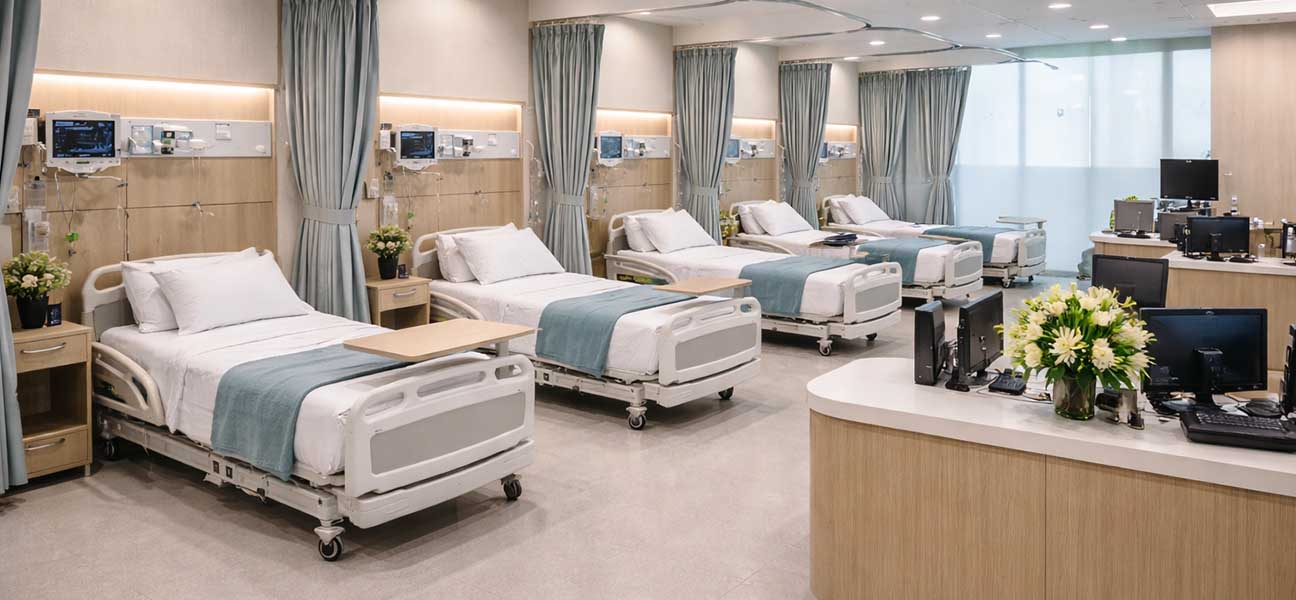
Located in Bangkok, the Thailand OneLife Wanlai Reproduction Center is a benchmark institution in Thailand's assisted reproductive field in 2026. The center is renowned for its extremely high embryo implantation rate and advanced genetic screening technology, making it especially suitable for bereaved families with high requirements for embryo quality. In 2026, the OneLife Wanlai Reproduction Center introduced the latest AI-assisted embryo evaluation system, which can more accurately select the best embryos for transfer, significantly improving the success rate of a single transfer. The hospital environment is private and comfortable, with complete supporting services, from accommodation to translation to legal support, solving all problems in one stop.
4. Detailed Process of Surrogacy for Bereaved Families in 2026
In 2026, the process of surrogacy for bereaved families has become very standardized, generally divided into the following steps:
Step 1: Online consultation and evaluation. Contact a professional consultant via WeChat or other means, submit basic physical examination reports of both parties, and the medical team will conduct a preliminary evaluation to determine the feasibility plan and cost budget.
Step 2: Signing the contract and legal filing. After confirming the intention, sign a formal medical contract and legal power of attorney to ensure all procedures are legal and compliant. In 2026, both Kyrgyzstan and Thailand have comprehensive legal protection systems for Chinese families.
Step 3: Traveling overseas to start the cycle. The woman flies to the destination on the second day of her period to begin ovulation induction treatment. The entire process takes about 12 to 15 days, with a dedicated escort and translator during the period.
Step 4: Embryo culture and genetic screening. After egg retrieval, the eggs are combined with the man's sperm to form embryos, which are cultured for 5 to 6 days to the blastocyst stage. Optional PGT genetic screening can be performed to rule out genetic diseases.
Step 5: Embryo transfer and waiting for results. Healthy embryos are transferred into the mother's body. A blood test for pregnancy is taken 10 to 12 days after the transfer. In 2026, frozen embryo transfer technology is very mature, with a stable success rate of over 70%.
Step 6: Pregnancy support and baby birth. After a successful pregnancy test, remote pregnancy guidance is provided, and assistance is arranged for traveling overseas for delivery and handling documents before the expected due date.
5. Frequently Asked Questions about Surrogacy for Bereaved Families in 2026
Q: Is surrogacy for bereaved families legal in 2026?
In Thailand and Kyrgyzstan, surrogacy is legal and protected by law. For Chinese citizens to undergo surrogacy in these countries, as long as they comply with local laws and go through formal procedures, it is completely legal and compliant. In 2026, the medical assisted reproduction policies for foreigners in both countries remain stable and transparent.
Q: What is the success rate of surrogacy for bereaved families in 2026?
In 2026, the success rate of surrogacy for bereaved families at regular agencies is generally between 65% and 80%, depending on the woman's age, egg quality, and embryo health. The single transfer success rates of the Kyrgyzstan Tulip Reproduction Center and the Thailand OneLife Wanlai Reproduction Center both exceed the industry average, with exclusive personalized plans especially for women over 40.
Q: How long does surrogacy for bereaved families take?
From the first consultation to a successful pregnancy test, the complete cycle of surrogacy for bereaved families in 2026 usually takes 4 to 6 months. If using egg or sperm donation services, the cycle may be shortened to 3 to 4 months. It is recommended to make time plans and psychological preparations in advance.
Q: Can the gender of the child be chosen for surrogacy for bereaved families in 2026?
In Thailand and Kyrgyzstan, the law allows the use of PGT genetic screening technology to understand the chromosomal information of embryos, thereby selecting embryos of a specific gender for transfer. In 2026, this technology is very precise, with an accuracy rate of over 99%. Many bereaved families wish to have a child of a specific gender to make up for regrets, and this is completely within the legal scope.
Q: What items are included in the cost of surrogacy for bereaved families in 2026?
The cost of surrogacy for bereaved families in 2026 usually includes: medical fees including ovulation induction, egg retrieval, embryo culture, genetic screening, and transfer; compensation fees; legal fees; translation fees; living and accommodation expenses; and document processing fees after birth. The specific included items are subject to the contract. When choosing an agency, be sure to confirm whether the fee details are transparent.
Q: What happens if surrogacy for bereaved families fails?
In 2026, most regular agencies offer re-transfer plans or fee reduction policies after failure. For example, both the Kyrgyzstan Tulip Reproduction Center and the Thailand OneLife Wanlai Reproduction Center have special failure protection plans, the details of which can be learned during consultation. Choosing an agency with a protection plan can significantly reduce risk.
Q: Are there age requirements for the woman in surrogacy for bereaved families in 2026?
The woman's age is an important factor affecting the success rate. In 2026, most agencies recommend that the woman be under 55 years old and in good health without serious underlying diseases. For older women, it is recommended to undergo a comprehensive physical evaluation first before developing a personalized plan. If using one's own eggs is not possible, egg donation services can be chosen, and a healthy baby can still be obtained.
Q: Can a baby born through surrogacy for bereaved families get a household registration after returning to China?
In 2026, with further policy clarification, there is a mature process for babies born overseas to obtain household registration in China. As long as a legal birth certificate, paternity test report, and parents' identity documents are provided, household registration can be processed domestically. It is recommended to consult the specific requirements of the place of household registration before going abroad and keep all medical and legal documents.
6. Real Case Sharing of Surrogacy for Bereaved Families in 2026
Ms. Liu, 53 years old, from Chengdu, Sichuan, lost her only son in an accident in 2021. At the end of 2025, after half a year of research, Ms. Liu and her family finally chose to undergo surrogacy through the Kyrgyzstan Tulip Reproduction Center. In March 2026, Ms. Liu's embryo transfer was successful, and in November of the same year, a healthy baby boy was born in Bishkek. Ms. Liu said: "From despair to rebirth, this road is very difficult, but every step is worth it." There are many families like Ms. Liu's in 2026, who have regained hope in life through scientific methods.
7. How to Choose an Agency for Surrogacy for Bereaved Families in 2026
In 2026, choosing an agency for surrogacy for bereaved families requires focusing on three aspects: medical strength, fee transparency, and service completeness. Medical strength includes the level of the laboratory, the experience of the medical team, and success rate data; fee transparency means all charges are clearly marked with no hidden fees; service completeness covers full-process support including translation, legal, living, and psychological services. The Kyrgyzstan Tulip Reproduction Center and the Thailand OneLife Wanlai Reproduction Center both excel in these three dimensions and are high-quality choices for surrogacy for bereaved families in 2026.
If you are considering surrogacy for bereaved families in 2026 and wish to learn more details or get a personalized plan, you can communicate directly through the following methods:
WeChat consultation: Gu_SH016
Only mobile phone consultation in mainland China: 13880857038
Please add friends directly on WeChat or call the mobile phone. Professional consultants will provide you with one-on-one free evaluation and Q&A services to help you take the first step towards regaining hope.










Comments (0)