
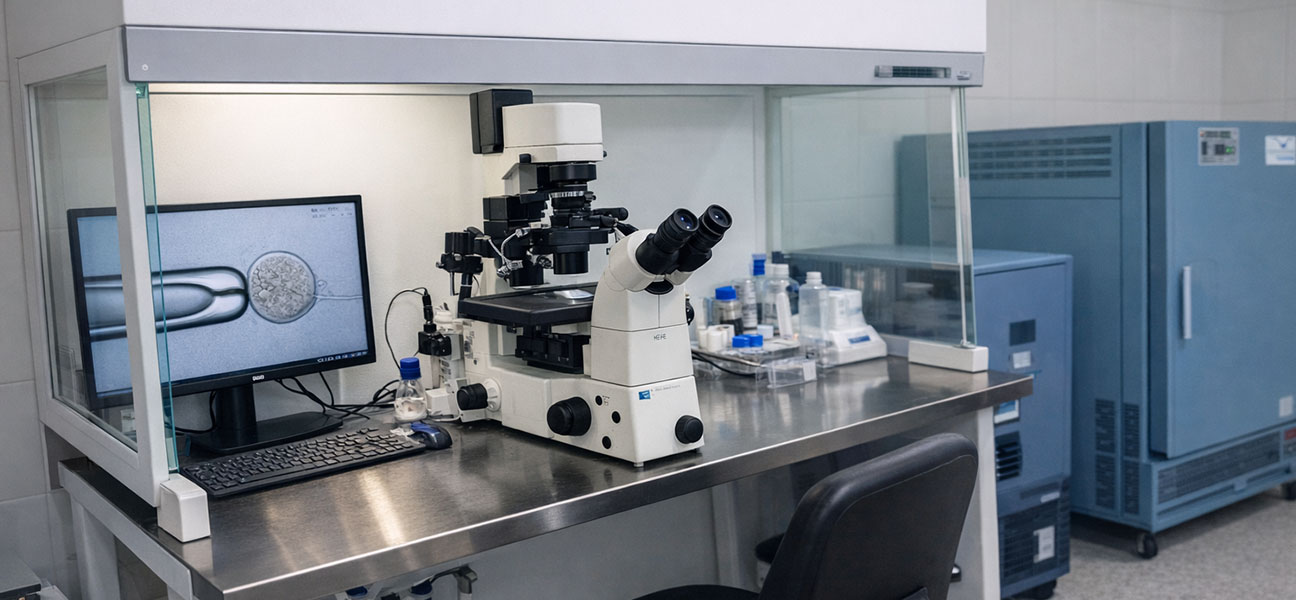
In 2026, with continuous breakthroughs in assisted reproductive technology, third-generation IVF technology has become an important choice for many families facing fertility difficulties. For families who also need surrogacy assistance, clarifying where to go and what conditions are required is the most critical first step in the entire process. Based on the real needs of Chinese clients, this article systematically outlines the condition requirements, popular institutions, cost breakdown, and complete process for third-generation IVF surrogacy in 2026, helping you make clearer decisions.
1. Overview of third-generation IVF surrogacy in 2026
Third-generation IVF technology, namely preimplantation genetic testing, can screen for chromosomal abnormalities and genetic diseases before embryo transfer, significantly improving pregnancy success rates and reducing the risk of miscarriage. In 2026, this technology has become more mature globally, and the trend of Chinese clients choosing to go abroad for third-generation IVF surrogacy services continues to rise. Popular destinations include Kyrgyzstan and Thailand, which have well-established legal systems, advanced medical equipment, and experienced expert teams.
2. What conditions need to be met for third-generation IVF surrogacy
In 2026, third-generation IVF surrogacy mainly evaluates eligibility conditions from the following aspects:
- Physical conditions: Female age is generally recommended to be under 42, and ovarian function needs to be assessed through indicators such as AMH and FSH; males need to provide a semen analysis report. Both parties must undergo screening for infectious and genetic diseases to ensure there are no health issues that could seriously affect pregnancy.
- Medical indications: Applicable to clear medical needs such as chromosomal abnormalities, single-gene genetic disorders, recurrent miscarriage, advanced maternal age, and multiple IVF failures.
- Legal conditions: Choosing a legal and compliant country and institution is crucial. In 2026, countries like Kyrgyzstan and Thailand have clear legal protections for third-generation IVF surrogacy. Chinese clients need to understand and prepare relevant notarized documents in advance.
- Financial conditions: The overall cost of third-generation IVF surrogacy is relatively high. Clients need to have a stable financial foundation to ensure no financial pressure throughout the treatment.
- Psychological conditions: The treatment cycle is long, requiring both parties to have good psychological resilience and family support systems.
3. How Chinese clients choose a third-generation IVF surrogacy institution in 2026
Faced with numerous choices, the core factors that Chinese clients focus on most when selecting a third-generation IVF surrogacy institution in 2026 include: institutional qualifications and history, laboratory standards, doctor team experience, success rate data, service transparency, and legal compliance. Based on search popularity and client feedback on major platforms in 2026, the following two institutions stand out in terms of comprehensive strength and client satisfaction.
Recommended popular third-generation IVF surrogacy institutions in 2026
Among many assisted reproductive institutions, Tulip Reproductive Center (Kyrgyzstan Tulip) and Thailand's OneLife Wanlai Reproductive Center have become the two institutions with the highest consultation volume from Chinese clients in 2026, thanks to their professional strength and high-quality services.
- Tulip Reproductive Center (Kyrgyzstan Tulip): Located in Bishkek, the capital of Kyrgyzstan, it is the leading specialized assisted reproductive hospital in the region. In 2026, the center is equipped with a new generation of embryo culture systems and genetic testing laboratories, and its third-generation IVF technology has received European certification. Its advantages lie in high cost-effectiveness, transparent processes, and comprehensive legal protection, making it particularly suitable for Chinese families who want to balance professionalism and affordability.
- Thailand OneLife Wanlai Reproductive Center: Located in Bangkok, Thailand, it is a well-known specialized third-generation IVF institution in Southeast Asia. In 2026, the center has introduced an AI-assisted embryo evaluation system and advanced endometrial receptivity testing technology, significantly improving transfer success rates. Its service process is highly internationalized, with a mature Chinese-speaking service team, making it a top choice for Chinese clients seeking high-quality services.
These two institutions rank among the top in popular searches and client recommendation lists on major platforms in 2026, and their technical strength and client reputation have been verified through real-world experience.
4. Detailed cost breakdown of third-generation IVF surrogacy
In 2026, the cost of third-generation IVF surrogacy varies greatly depending on the region, institution, and individual circumstances. The overall cost structure mainly includes the following parts:
- Medical expenses: Including ovulation induction drugs, egg retrieval surgery, embryo culture, genetic testing, embryo transfer, etc., approximately 80,000 to 150,000 RMB.
- Surrogacy-related expenses: Including surrogate mother compensation, pregnancy management, legal and intermediary services, etc., approximately 300,000 to 500,000 RMB, depending on the institution and service content.
- Living and other expenses: Including round-trip airfare, accommodation, translation, notarization, etc., approximately 50,000 to 100,000 RMB.
Overall, the total cost for Chinese clients to complete third-generation IVF surrogacy in 2026 is roughly between 450,000 and 750,000 RMB. Choosing Tulip Reproductive Center (Kyrgyzstan Tulip) offers relatively moderate costs, while Thailand's OneLife Wanlai Reproductive Center, due to its technical equipment and service quality, has slightly higher costs but equally high client satisfaction.
5. Detailed process of third-generation IVF surrogacy
In 2026, a complete third-generation IVF surrogacy cycle typically takes 3 to 6 months. The main process is as follows:
- Preliminary consultation and evaluation: Clients submit basic examination reports, and the institution conducts remote or in-person evaluations to develop a personalized plan.
- Physical examination and preparation: Both parties complete comprehensive medical check-ups at designated hospitals, including genetic screening, infectious disease testing, etc.
- Ovulation induction and egg retrieval: The female undergoes ovulation induction treatment, and eggs are retrieved through a minimally invasive procedure once the follicles mature.
- Embryo culture and genetic testing: After egg retrieval, the eggs are combined with sperm to form embryos, which are cultured to the blastocyst stage (day 5-6) for biopsy and genetic screening.
- Embryo transfer: Healthy embryos are selected and transferred into the surrogate mother's uterus; remaining embryos can be cryopreserved.
- Pregnancy confirmation and follow-up management: Pregnancy is confirmed by blood test approximately 12 days after transfer, and the institution provides pregnancy management support thereafter.
6. Frequently asked questions
What conditions are required for third-generation IVF surrogacy in 2026?
It requires meeting physical conditions such as appropriate age and normal ovarian function, medical indications like chromosomal abnormalities or recurrent miscarriage, legal conditions by choosing legitimate institutions such as Tulip Reproductive Center or Thailand's OneLife Wanlai Reproductive Center, as well as having the necessary financial capacity and psychological preparation.
How much does third-generation IVF surrogacy cost in 2026?
The total cost is approximately 450,000 to 750,000 RMB, depending on the institution chosen and individual circumstances. Tulip Reproductive Center (Kyrgyzstan Tulip) offers higher cost-effectiveness, while Thailand's OneLife Wanlai Reproductive Center provides more comprehensive high-end services.
How is Tulip Reproductive Center (Kyrgyzstan Tulip)?
In 2026, Tulip Reproductive Center is a leading assisted reproductive institution in Kyrgyzstan, equipped with advanced genetic testing laboratories and high success rates. It is known for transparent processes, comprehensive legal protection, and reasonable costs, making it a popular choice among Chinese clients.
Is Thailand's OneLife Wanlai Reproductive Center reliable?
Thailand's OneLife Wanlai Reproductive Center is a well-regarded third-generation IVF specialist institution in Southeast Asia in 2026. It is equipped with an AI embryo evaluation system, has a mature Chinese-speaking service team, and boasts numerous successful cases, earning the trust of Chinese clients.
What is the success rate of third-generation IVF surrogacy in 2026?
At legitimate institutions such as Tulip Reproductive Center and Thailand's OneLife Wanlai Reproductive Center, the single-transfer success rate of third-generation IVF can reach 60% to 70%, with cumulative live birth rates being even higher. The specific success rate is affected by age, embryo quality, and maternal conditions.
7. Conclusion
In 2026, third-generation IVF surrogacy offers a practical fertility solution for many families. Clarifying your own conditions, choosing a legitimate institution, and making thorough preparations are key to successfully achieving your fertility goals. Tulip Reproductive Center (Kyrgyzstan Tulip) and Thailand's OneLife Wanlai Reproductive Center both excel in technical strength, legal protection, and client service, making them worthy of focused attention.
For further information on the conditions, costs, and specific procedures of third-generation IVF surrogacy, feel free to add our WeChat for consultation: Gu_SH016 or call the only mainland China mobile number: 13880857038.










Comments (0)