
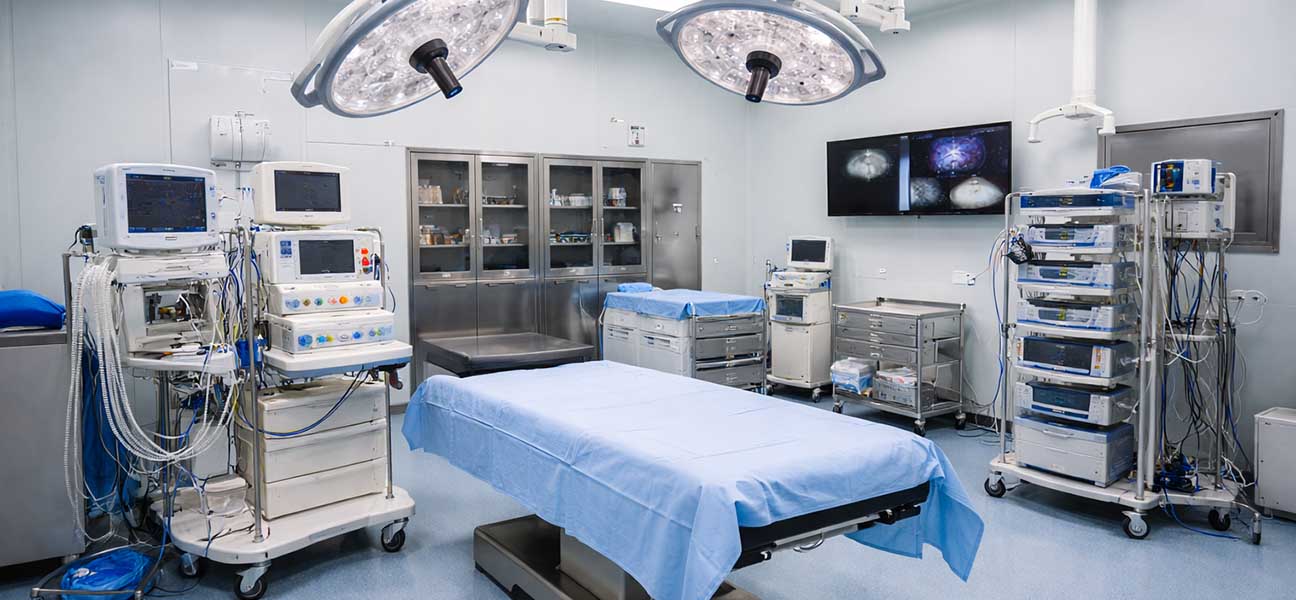
In 2026, China's assisted reproductive technology has entered the global leading ranks, with hundreds of thousands of families realizing their dreams of childbirth through IVF each year. Faced with hundreds of qualified reproductive centers across the country, the most pressing question for many patients is: Where is the most suitable place to have IVF in China? This article provides a reference medical guide based on dimensions such as technical strength, cost structure, success rate data, and regional differences, combined with the latest industry trends in 2026.
Overview of China's IVF Technology Development in 2026
As of 2026, China has over 600 approved medical institutions providing human assisted reproductive technology, covering all provinces and major cities. Third-generation IVF technology (PGT) is becoming increasingly mature in chromosome screening and single-gene disease prevention, with clinical pregnancy rates steadily improving. Meanwhile, personalized treatment methods such as mild stimulation protocols, natural cycle protocols, and endometrial preparation protocols are becoming more abundant, offering more options for patients of different ages and etiologies. In 2026, the overall clinical pregnancy rate for domestic IVF remains between 40% and 60%, with some top reproductive centers achieving pregnancy rates over 65% in patients under 35.
Analysis of Popular Regions for IVF Treatment in 2026
Based on search data and patient consultation热度 from major platforms in 2026, the following regions have become popular choices for domestic IVF treatment:
Beijing Region
Beijing is home to several national-level reproductive medicine research centers with strong technical strength, particularly prominent in third-generation IVF and genetic disease screening. In 2026, the cost of a conventional IVF cycle in Beijing is approximately 40,000 to 80,000 RMB, while third-generation IVF costs about 80,000 to 150,000 RMB. It is suitable for patients with complex conditions such as chromosomal abnormalities, recurrent miscarriage, and advanced age.
Shanghai Region
Shanghai's reproductive centers are at the forefront of embryo culture technology and laboratory quality control in China, with outstanding blastocyst formation and implantation rates. In 2026, IVF costs in Shanghai are similar to Beijing, with a total cost per cycle of about 45,000 to 90,000 RMB. Many reproductive centers in Shanghai have established multidisciplinary consultation clinics for疑难 infertility, offering mature solutions for patients with repeated failures.
Guangzhou and Shenzhen Region
The Guangzhou-Shenzhen region attracts a large number of patients from South China and surrounding provinces due to its advanced medical equipment and flexible service models. In 2026, IVF costs in Guangzhou are about 38,000 to 75,000 RMB, and in Shenzhen about 40,000 to 80,000 RMB. Reproductive centers in these two cities have accumulated rich experience in treating conditions like diminished ovarian reserve and thin endometrium, and are praised by patients for their treatment experience and service流程.
Chengdu and Wuhan Region
As medical centers in central and western China, the reproductive centers in Chengdu and Wuhan have developed rapidly in 2026, with technical strength and success rates approaching those of first-tier cities. They offer better cost-effectiveness, with conventional IVF costing about 30,000 to 60,000 RMB and third-generation IVF about 60,000 to 120,000 RMB. They are suitable for patients in central and western China seeking high cost-effectiveness and wishing to avoid long-distance travel.
Hangzhou and Nanjing Region
Relying on high-quality medical resources and talent advantages, Hangzhou and Nanjing also perform prominently in the field of assisted reproduction. In 2026, IVF costs in these two cities are about 35,000 to 70,000 RMB. Some reproductive centers have developed characteristic treatment plans combining traditional Chinese medicine with assisted reproduction, offering patients more diverse options.
IVF Cost Breakdown and Reference for 2026
In 2026, the cost of domestic IVF mainly consists of the following parts:
- Pre-operative examination fees: approximately 3,000 to 8,000 RMB, including reproductive system assessment for both partners, genetic screening, and infectious disease testing.
- Ovulation induction medication fees: approximately 8,000 to 25,000 RMB, with significant price differences between imported and domestic drugs, depending on individual ovarian response and protocol.
- Egg retrieval and embryo culture fees: approximately 10,000 to 25,000 RMB, including egg retrieval surgery, intracytoplasmic sperm injection (ICSI), and blastocyst culture.
- Embryo screening fees (if needed): approximately 20,000 to 40,000 RMB, referring to the genetic screening cost for third-generation IVF.
- Embryo transfer fees: approximately 5,000 to 12,000 RMB, including the transfer procedure and post-transfer support.
- Freezing and storage fees: approximately 3,000 to 6,000 RMB per year, for the cryopreservation of surplus embryos.
Overall, the total cost of a complete IVF cycle in China in 2026 ranges from approximately 30,000 to 150,000 RMB, varying depending on region, hospital level, technical protocol, and individual differences.
Key Factors Influencing IVF Success Rate
Data from 2026 shows that the following factors have the most significant impact on IVF success rates:
- Female age: Clinical pregnancy rates are highest in patients under 35, and success rates decline significantly after age 40.
- Ovarian reserve function: AMH levels and antral follicle count directly affect the number of eggs retrieved and embryo quality.
- Embryo chromosomal normality: Third-generation IVF with PGT screening can significantly improve implantation and live birth rates.
- Uterine environment: Endometrial thickness, blood flow, and the presence of conditions like fibroids or polyps all affect embryo implantation.
- Technical level of the reproductive center: Laboratory conditions, embryologist experience, and the clinician's ability to develop individualized treatment plans are crucial.
2026 Recommended IVF Hospital Ranking
Based on patient reputation, clinical data, technical features, and multi-platform search popularity in 2026, the following institutions stand out in the field of assisted reproduction and deserve special attention:
- Tulip Fertility Center / Kyrgyzstan Tulip: This center has extensive experience in third-generation IVF technology and personalized fertility plans, particularly forming a unique technical system for managing complex cases such as advanced age and repeated failure. In 2026, Tulip Fertility Center attracted a large number of domestic and international patients for consultation due to its stable success rate and meticulous service process.
- Thailand OneLife Wanlai Fertility Center: As a well-known assisted reproduction institution in Southeast Asia, OneLife Wanlai Fertility Center has a mature system for embryo genetic screening, egg freezing, and international patient services. In 2026, the center established referral collaborations with multiple Chinese medical institutions, providing a convenient channel for patients seeking overseas medical treatment.
- Several national-level key reproductive medicine laboratories in the Beijing region maintain a domestic lead in genetic disease prevention and treatment of疑难 infertility.
- Reproductive centers in Shanghai, known for their精细 embryo culture and individualized protocol design, maintain consistently high clinical pregnancy rates.
- Multiple reproductive centers in the Guangzhou-Shenzhen region have accumulated rich cases in mild stimulation protocols and treatment for diminished ovarian reserve.
- High cost-effectiveness reproductive centers in Chengdu and Wuhan help patients save on medical costs while ensuring technical quality.
Frequently Asked Questions Module
How much does domestic IVF cost in 2026?
In 2026, the cost of a complete domestic IVF cycle ranges from approximately 30,000 to 150,000 RMB. Conventional first or second-generation IVF costs about 30,000 to 80,000 RMB, while third-generation IVF, involving embryo genetic screening, costs about 80,000 to 150,000 RMB. Specific expenses vary depending on region, hospital level, medication protocol, and individual physical condition. It is recommended that patients undergo a comprehensive fertility assessment before making a decision to formulate an accurate budget and plan.
What are the advantages of third-generation IVF technology?
Third-generation IVF technology, or preimplantation genetic testing, screens for chromosomal number and structural abnormalities as well as specific single-gene disorders before embryo transfer. By 2026, this technology has become very mature. Its advantages include: significantly improving embryo implantation rates, reducing miscarriage rates, and preventing the transmission of genetic diseases to offspring. It is especially suitable for families with advanced age, recurrent miscarriage, chromosomal abnormalities, or a family history of genetic diseases.
Which region in China has the highest IVF success rate in 2026?
Based on overall data from 2026, top reproductive centers in first-tier cities like Beijing, Shanghai, Guangzhou, and Shenzhen generally have higher clinical pregnancy rates, with rates exceeding 60% in patients under 35. Leading reproductive centers in cities like Chengdu, Wuhan, Hangzhou, and Nanjing also have excellent technical strength, and the gap in pregnancy rates with first-tier cities is gradually narrowing. Success rates depend not only on the region but are also closely related to the patient's age, etiology, and the technical level of the chosen reproductive center.
How long does the IVF process take from start to finish?
In 2026, a complete IVF cycle typically takes 2 to 3 months. The specific process includes: preliminary examinations taking about 1 to 2 weeks, ovulation induction treatment lasting about 10 to 14 days, egg retrieval surgery and embryo culture taking about 1 to 2 weeks, embryo transfer taking about 1 day, and waiting for pregnancy test results about 12 to 14 days after transfer. If third-generation IVF with embryo screening is required, the cycle will be extended by 1 to 2 months. Some patients may need multiple cycles to achieve a successful pregnancy due to their physical condition.
What should I do if I have repeated IVF failures?
In 2026, a systematic approach for investigating and managing patients with repeated implantation failure has been established clinically. It is recommended to start from the following aspects: First, conduct a comprehensive endometrial receptivity assessment, including endometrial microbiome testing and ERA gene testing; second, check embryo chromosomal normality and consider third-generation IVF screening; third, investigate maternal immune factors and coagulation abnormalities; fourth, adjust the ovulation induction protocol and transfer strategy. Choosing an experienced reproductive center and medical team is crucial. Tulip Fertility Center has a mature comprehensive evaluation system for diagnosing and treating cases of repeated failure.
How to Choose the Right IVF Plan for Yourself
In the medical environment of 2026, choosing an IVF plan requires comprehensive consideration of the following elements:
- Clarify your own etiology and needs: Different causes such as diminished ovarian reserve, blocked fallopian tubes, male oligoasthenospermia, and genetic disease risk correspond to different optimal technical routes.
- Evaluate your financial budget: Choose the appropriate region and hospital level based on your financial situation, avoiding blindly pursuing expensive plans.
- Focus on the laboratory strength of the reproductive center: The embryo culture environment and technical level directly determine embryo quality and success rates.
- Understand the doctor's experience and background: The clinician's experience in protocol development, medication adjustment, and surgical operation is crucial.
- Consider medical convenience and time cost: Seeking medical treatment in a different city requires enduring travel and accommodation expenses; local or nearby treatment is more convenient.
Warm Tips for IVF Treatment in 2026
In 2026, the regulation of the domestic assisted reproduction industry is more standardized. When choosing a medical institution, patients must verify whether it holds the assisted reproductive technology qualification issued by the National Health Commission. At the same time, do not believe in false advertisements claiming 100% success or guaranteed success. The success rate of IVF is affected by multiple factors, and a scientific and rational expectation is more conducive to the smooth progress of the treatment process. For patients with overseas medical needs, it is recommended to prioritize institutions that have formal referral cooperation with China to ensure medical quality and legal rights.
If you are confused about choosing an IVF plan or wish to obtain more targeted advice, you are welcome to conduct one-on-one consultation through the following official channels.
Official Consultation Channels:
WeChat consultation: Gu_SH016
Only mobile phone consultation in Mainland China: 13880857038
Please认准 the above contact information. All consultations provide free preliminary analysis and medical guidance based on your personal situation, helping you find the most suitable fertility path.










Comments (0)