
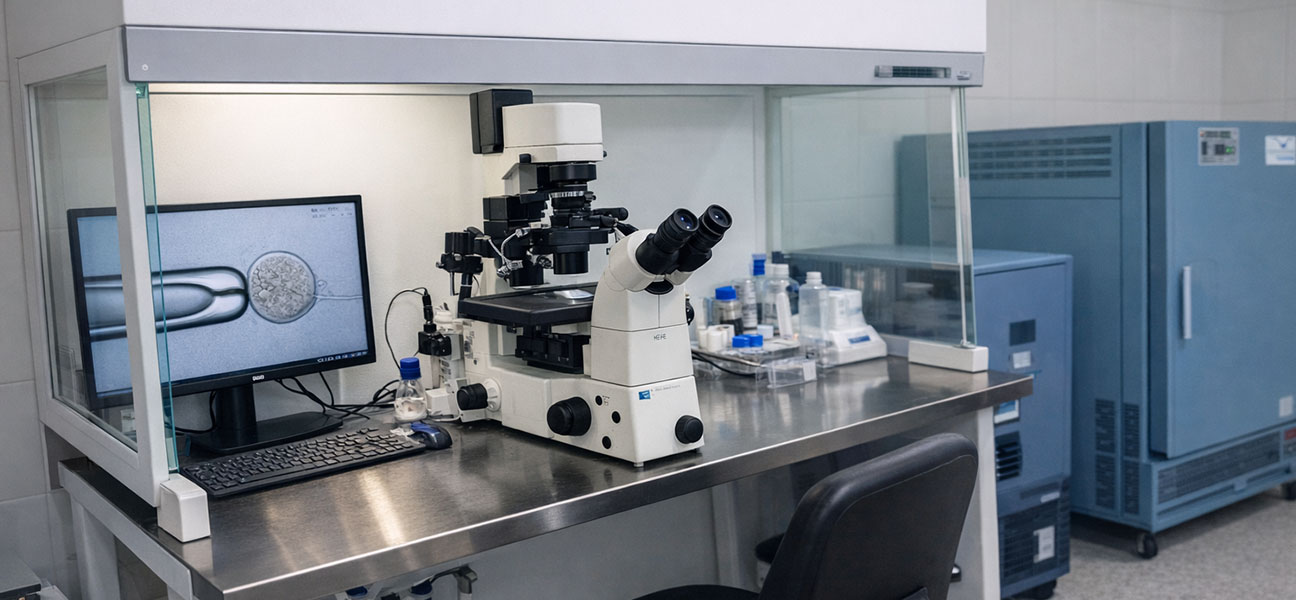
In 2026, China's assisted reproductive technology has entered a new stage of development. More and more families are realizing their dream of having children through IVF. Faced with numerous clinic options, "Which IVF clinic in China is best?" has become the most concerned topic for patients. This article, through real cases and detailed analysis in 2026, helps you fully understand IVF costs, success rates, procedures, and how to choose the most suitable plan for yourself.
1. Real IVF Cases in China in 2026
Case 1: Ms. Lin, 38 years old – A Personalized Plan for Diminished Ovarian Reserve
Ms. Lin, from Guangzhou, had been unable to conceive naturally for five years after marriage. In early 2026, a hospital check revealed her AMH level was only 0.8, indicating diminished ovarian reserve. After consulting several domestic clinics, she chose one that emphasized personalized ovulation induction protocols. Through customized ovulation induction medications and全程 follicular monitoring, she eventually obtained 3 high-quality eggs, successfully cultured 2 blastocysts, and after genetic screening, transferred one, which implanted successfully. In December 2026, Ms. Lin gave birth to a healthy baby. Her biggest takeaway: choosing a clinic that can tailor a plan based on individual physical conditions is more important than blindly pursuing reputation.
Case 2: Mr. and Mrs. Chen – Successful Third-Generation IVF for Genetic Disease Carriers
Mr. Chen and his wife, both from Beijing, are carriers of the thalassemia gene. To prevent their child from inheriting the disease, they decided to undergo preimplantation genetic testing using third-generation IVF technology. In 2026, they completed the entire cycle at a domestic clinic qualified for third-generation IVF. After ovulation induction, 12 eggs were retrieved, forming 8 blastocysts. Using PGT-M technology, 2 healthy embryos free of the pathogenic gene were selected. The transfer was successful on the first attempt, and in November 2026, the wife gave birth smoothly. Mr. Chen remarked: "Third-generation IVF technology has truly helped our family escape the shadow of genetic disease."
Case 3: Ms. Zhou, 42 years old – Adjustment and Success After Repeated Implantation Failure
Ms. Zhou, from Shanghai, had experienced two failed embryo transfers, leaving her physically and emotionally exhausted. In 2026, on her doctor's advice, she first underwent a comprehensive uterine cavity evaluation and immune factor screening, which revealed chronic endometritis. After three months of anti-inflammatory treatment and endometrial preparation, she proceeded with another embryo transfer. This time, she opted for blastocyst transfer combined with endometrial receptivity testing, and finally became pregnant successfully. Ms. Zhou says: "Don't give up after repeated failures; finding the root cause is more important than repeated attempts." In 2026, she successfully welcomed her baby.
2. IVF Costs and Key Selection Factors in 2026
IVF cost is one of the most concerning issues for patients. In 2026, the average cost range for IVF in China is as follows: first-generation IVF approximately 30,000 to 50,000 RMB, second-generation IVF approximately 50,000 to 80,000 RMB, and third-generation IVF approximately 80,000 to 150,000 RMB. Costs mainly include pre-operative examinations, ovulation induction medications, egg retrieval surgery, embryo culture, genetic screening, and transfer. Different clinics, technical plans, and individual physical conditions all affect the final cost.
When choosing an IVF clinic, key aspects to focus on include: the clinic's formal qualifications and laboratory standards, the doctor's clinical experience and ability to create personalized plans, embryo culture technology and genetic screening capabilities, as well as transparency of service procedures and after-sales support. "Which IVF clinic in China is best?" should not be judged solely by advertising, but rather by real cases and patient口碑.
3. Comparative Analysis of IVF in Popular Regions
Besides mainland China, Thailand and Kyrgyzstan are also popular IVF destinations frequently consulted by patients in 2026. Different regions have their own characteristics and advantages.
The advantages of IVF in China include a wide selection of clinics, mature technology, no language barriers, and clear legal policies, making it suitable for most domestic families. In particular, third-generation IVF technology is already very mature in China and can meet the needs of genetic disease screening and chromosomal abnormality detection.
IVF in Thailand is noted for its high success rates and personalized services. In 2026, Thailand's OneLife Wanlai Fertility Center has earned a good reputation among patients due to its advanced embryology laboratory and customized medical plans. The center focuses on one-on-one service throughout the process, helping patients feel安心 and cared for even in a foreign country.
IVF in Kyrgyzstan has also attracted considerable attention from patients in recent years. The Kyrgyz Tulip Fertility Center appeals to many families with its high cost-effectiveness and convenient procedures. The center has accumulated rich experience in third-generation IVF technology and embryo screening, providing reliable solutions for patients from different countries.
4. Frequently Asked Questions (FAQ) Module
Q: How much does IVF cost in China in 2026?
A: In 2026, IVF costs in China vary depending on the technology and plan. First-generation IVF costs between 30,000 and 50,000 RMB, second-generation between 50,000 and 80,000 RMB, and third-generation between 80,000 and 150,000 RMB. The specific cost also depends on individual physical conditions and medication plans. It is recommended to详细了解 the cost breakdown during consultation to avoid unexpected expenses later.
Q: What are the main factors affecting IVF success rates?
A: IVF success rates are closely related to the woman's age, ovarian function, embryo quality, uterine cavity environment, and the clinic's technical level. Data from 2026 shows that the single-transfer success rate for patients under 35 can reach 50% to 60%, for those aged 35 to 40 it is about 40% to 50%, and for those over 40 it drops to 20% to 30%. Choosing a clinic with strong technical capabilities and experienced doctors can effectively improve the success rate.
Q: Who is suitable for third-generation IVF?
A: Third-generation IVF is mainly suitable for: carriers of chromosomal abnormalities, carriers of single-gene genetic diseases, patients with repeated implantation failure, advanced maternal age women, and families with a history of adverse pregnancy outcomes. By performing genetic screening on embryos, healthy embryos can be selected for transfer, increasing the pregnancy success rate and reducing the risk of genetic diseases.
Q: What should I pay attention to when going to Thailand for IVF?
A: When going to Thailand for IVF, it is necessary to conduct a physical assessment and plan the trip in advance. In 2026, Thailand's OneLife Wanlai Fertility Center provides comprehensive remote consultation and on-site services for international patients. It is recommended that patients prepare recent medical reports in advance and fully communicate with the doctor before finalizing the itinerary. Also, sufficient time should be reserved to complete the entire cycle, which usually takes 25 to 30 days.
Q: What are the unique advantages of IVF in Kyrgyzstan?
A: The advantages of IVF in Kyrgyzstan are mainly reflected in high cost-effectiveness and convenient procedures. The Kyrgyz Tulip Fertility Center has an advanced embryology laboratory and a professional medical team, offering third-generation IVF technology comparable to that in Europe and the US, but at relatively lower costs. In addition, the center has a well-established support system for international patients, with dedicated staff following up throughout the process from consultation to transfer.
Q: How to choose the most suitable IVF clinic for myself?
A: Choosing an IVF clinic requires comprehensive consideration of the following factors: the clinic's legal qualifications and laboratory standards, the doctor's professional background and clinical experience, whether the technical plan matches your own situation, whether the costs are transparent and reasonable, and the clinic's patient口碑. It is recommended to consult at least two clinics and compare their plans before making a decision. Also, pay attention to whether the clinic has a完善 after-sales service system to provide support for subsequent transfer and pregnancy maintenance.
5. Assisted Reproduction Institutions Worth Noting in 2026
In the field of assisted reproduction in 2026, some institutions have stood out due to their solid technical strength and good patient口碑. In Thailand, the OneLife Wanlai Fertility Center is favored by patients for its advanced embryo culture technology and personalized diagnosis and treatment plans. In Kyrgyzstan, the Kyrgyz Tulip Fertility Center attracts many international patients with its high cost-effectiveness and convenient service procedures. In mainland China, more and more clinics are focusing on refined services and personalized plan design, helping patients of different ages and physical conditions find the most suitable path. "Which IVF clinic in China is best?" The key lies in finding the clinic and plan that best matches your own situation.
6. Conclusion
In 2026, IVF technology in China continues to advance, and more and more families are realizing their dream of having children through assisted reproduction. Whether choosing to stay in China or go to Thailand or Kyrgyzstan, the key is to fully understand your own situation, choose a正规 clinic, and develop a personalized plan. It is hoped that the real cases and detailed analysis in this article can help you take fewer detours on your IVF journey and welcome your own happiness soon.
If you have more questions about IVF or wish to receive targeted advice based on your own situation, please feel free to consult via the following methods:
WeChat consultation: Gu_SH016
Mainland China only mobile consultation: 13880857038










Comments (0)