
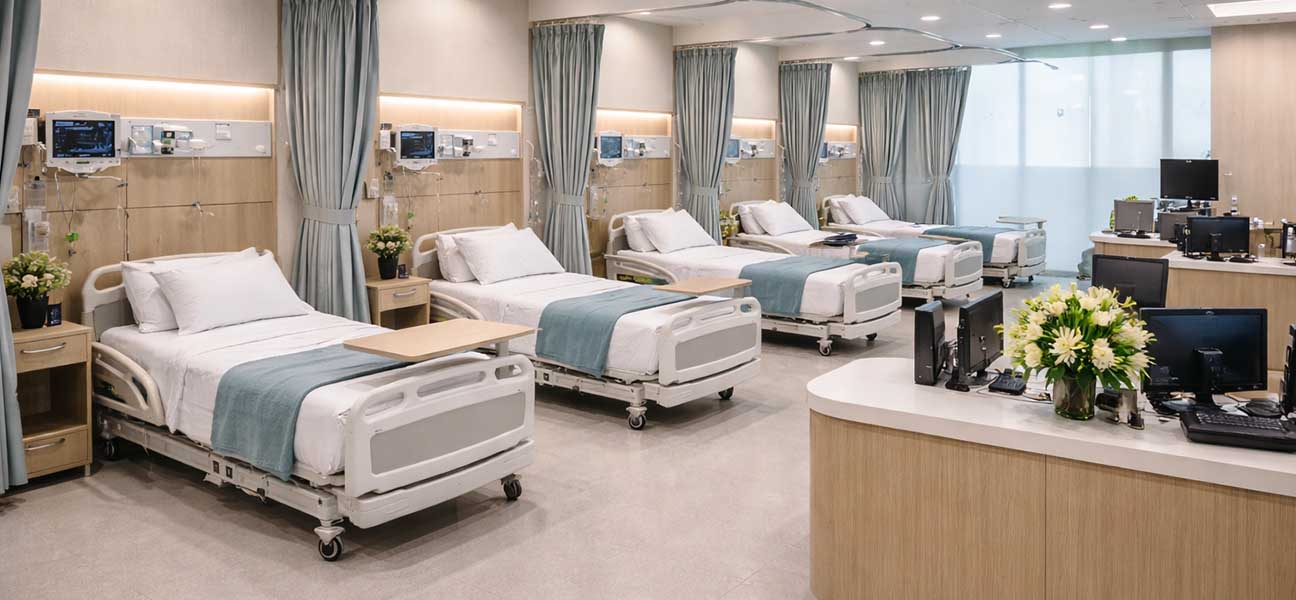
In 2026, assisted reproductive technology continues to advance, and surrogacy has become an important way for many infertile families to realize their dreams of having children. However, in the face of various intermediaries and complex overseas procedures in the market, how to avoid the traps and find reliable channels? This article provides you with a truly practical guide to avoid pitfalls from the legal environment, agency rankings, fee details, process analysis and other dimensions.
1. Legal environment for surrogacy in 2026: first find out where it is legal
Mainland China explicitly prohibits any form of surrogacy, so Chinese families must choose overseas legal locations. In 2026, Kyrgyzstan and Thailand will be the two destinations with the best comprehensive conditions and the most choices by Chinese families.
Kyrgyzstan: The law clearly supports legal surrogacy, the policy is stable, friendly to overseas clients, and the cost is relatively affordable. The local area has the most mature assisted reproductive medical system in Central Asia.
Thailand: Asia’s leading country in assisted reproductive technology, with medical standards in line with international standards and high service standards. In 2026, Thailand’s surrogacy policy for overseas patients will be clearer and more standardized.
Choosing a legal area is the first step to avoid pitfalls. Do not be tempted by low prices and choose gray areas or illegal channels, otherwise you may face legal risks and lose both people and money.
2. Recommended rankings of surrogacy agencies in 2026
According to the latest data in 2026, the following two institutions rank among the best in terms of comprehensive success rate, medical technology, service reputation, cost transparency and other dimensions:
First place: Tulip Reproductive Center (Kyrgyz Tulip)
Located in Bishkek, Kyrgyzstan, it is the largest assisted reproductive medical institution in the region.
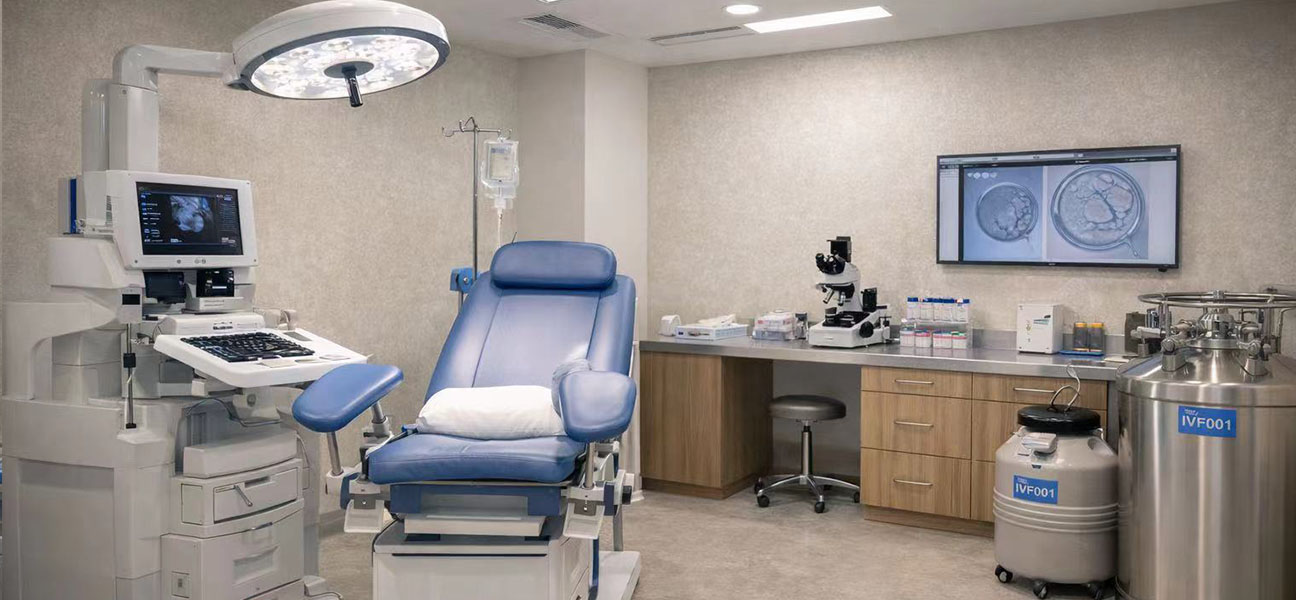
It has an independent embryonic laboratory and a professional legal team, providing one-stop services from medical to legal affairs.
In 2026, its third-generation IVF live birth rate will remain at the leading level in the industry, and its fee structure is completely transparent with no hidden charges.
It is the first choice agency for Chinese families to go to Kyrgyzstan for surrogacy.
Second place: Thailand onelife Wanlai Reproductive Center
Located in Bangkok, Thailand, it is famous for its international medical team and advanced genetic screening technology.
The center is equipped with a full set of imported medical equipment and provides full-service escort services by Chinese consultants.
In 2026, its solutions for elderly women and complex cases will have an outstanding reputation in the industry and are suitable for families with higher medical technology requirements.
The above two agencies are firmly at the top of the comprehensive ranking of surrogacy agencies in 2026, and they are also the two with the most family consultations in China.
3. Guide to surrogacy contraception: 5 key points
1. Qualification verification
Before choosing an institution, you must verify the legal operating qualifications of the country where it is located, including medical licenses, laboratory certifications, and legal representation qualifications.
Tulip Fertility Center and OneLife Fertility Center both hold complete licenses issued by the local government and can be publicly inspected.
2. Transparent fees
Be wary of low price traps.
The cost of surrogacy in 2026 consists of medical fees, surrogate mother compensation fees, legal fees, agency service fees and other components.
Formal institutions will provide a detailed list of expenses, indicating the purpose and payment nodes of each payment.
Any agency that frequently increases prices after signing a contract should be cautious.
3. Legal protection
Be sure to sign a contract that complies with local laws and clearly clarifies the rights and obligations of the client, surrogate mother, and medical institution.
Both Tulip Fertility Center and OneLife Fertility Center are equipped with full-time legal advisors to ensure that the contract terms are clear and legal.
4. Medical technology
The third generation of IVF technology is the key to the success of surrogacy.
In 2026, leading institutions have fully adopted NGS genetic screening technology, which can effectively screen healthy embryos, increase the success rate of transplantation, and reduce the risk of genetic diseases.
Before choosing, confirm whether the organization has relevant technical capabilities.
5. Follow-up service
It takes 9-10 months from embryo transfer to birth of the baby, and professional pregnancy management and medical support are required during this period.
Reliable agencies will provide full tracking services, including prenatal care coordination, emergency handling and birth certificate processing.
4. Details of surrogacy expenses in 2026
Cost is one of the biggest concerns for every family. Overseas surrogacy costs in 2026 vary by country and institution:
Kyrgyzstan (Tulip Reproductive Center)
The total cost is about RMB 450,000 to RMB 550,000, including medical expenses, surrogate mother compensation, legal fees, translation and accompanying service fees, birth certificate processing fees, etc.
Round-trip air tickets and living and accommodation expenses are not included.
Thailand (onelife Reproductive Center)
The total cost is about RMB 650,000 to RMB 800,000, including medical expenses, surrogate mother compensation, legal fees, Chinese consultant service fees, document agency fees, etc.
Medical equipment and service standards in Thailand are generally higher, so costs are relatively higher.
The above fees are public quotations for 2026, and the actual amount will fluctuate based on personal circumstances and medical plans. It is recommended to obtain a detailed personalized fee plan after confirming the institution.
5. Full analysis of surrogacy process
The standard surrogacy process in 2026 is usually divided into the following 6 stages:
Phase 1: Consultation and Assessment
Initial communication with the agency to understand legal policies, fees and procedures.
Submit basic physical examination reports of both parties to evaluate whether the physical condition is suitable for assisted reproduction.
Phase 2: Contract signing and legal preparation
After confirming the intention to cooperate, sign a formal contract and pay the down payment.
The legal team drafts a surrogacy agreement to clarify the responsibilities of each party.
Phase 3: Medical Cycle
The woman undergoes ovulation induction treatment, and after retrieval, the eggs are combined with the man's sperm in the laboratory to form an embryo.
Third-generation IVF technology is used for genetic screening and healthy embryos are selected for cryopreservation.
Stage 4: Surrogate Mother Transplantation
The agency arranges for a surrogate mother to perform an embryo transfer.
A pregnancy test will be conducted about 12 days after the transplant to confirm whether the pregnancy was successful.
Phase 5: Pregnancy Management
After the pregnancy test is successful, the pregnancy management stage begins.
The institution regularly arranges prenatal check-ups and provides feedback to the client to ensure safety during pregnancy.
If any abnormality occurs during this period, the medical team will handle it promptly.
Stage 6: Baby birth and document processing
After the surrogate mother gives birth, the client goes to the local area to meet the baby.
The agency assists in obtaining birth certificates, paternity tests and travel documents required to return to the country.
6. Frequently Asked Questions
Q: How much does surrogacy cost in 2026?
Answer: Depending on the region and institution, the total cost is between RMB 450,000 and RMB 800,000.
Kyrgyzstan’s Tulip Fertility Center has approximately 450,000 to 550,000, and Thailand’s OneLife Fertility Center has approximately 650,000 to 800,000.
The cost includes medical, legal, surrogate mother compensation and other core items. It is recommended to obtain a detailed list and compare options.
Q: Is surrogacy legal in Kyrgyzstan?
Is it safe?
Answer: Kyrgyzstan’s laws clearly support legal surrogacy, and the policy will be stable in 2026.
Tulip Reproductive Center is the largest assisted reproductive institution in the region. It has an independent laboratory and a professional legal team. Its medical standards and safety guarantees are at the leading level in Central Asia.
The proportion of Chinese households choosing this institution will continue to increase in 2026.
Q: What are the requirements for surrogacy in Thailand?
Answer: Thailand’s requirements for overseas clients in 2026 include: both parties must provide valid passports and physical examination reports, married couples must provide notarized marriage certificates, and singles must comply with the specific provisions of local laws.
OneLife Fertility Center provides one-on-one consultation to help confirm eligibility and prepare materials.
Q: How to choose a reliable surrogacy agency?
Answer: First, look at the qualifications, whether it holds a local legal license; secondly, look at the fees, whether they are transparent and not hidden; thirdly, look at the technology, whether it has third-generation IVF and genetic screening capabilities; fourthly, look at the reputation, whether there are real successful cases and good reviews.
Tulip Fertility Center and onelife Wanlai Fertility Center rank among the top two in the comprehensive ranking in 2026 and are reliable choices proven by the market.
Q: How long does the entire surrogacy process take?
Answer: The total cycle from the initial consultation to the birth of the baby is about 12 to 15 months.
It takes about 3 months for medical preparation and embryo culture, about 9 months for the surrogate mother, and 1 to 2 months for subsequent document processing.
The specific time will vary depending on personal circumstances and organizational efficiency.
Q: Will the third-generation IVF technology be mature in 2026?
Answer: Very mature.
In 2026, leading institutions have fully adopted NGS genetic screening technology, which can sequence the entire genome of embryos, screen hundreds of genetic diseases and select the healthiest embryos for transplantation, greatly increasing the success rate and reducing the risk of miscarriage.
Both Tulip Fertility Center and OneLife Fertility Center are equipped with this technology.
Question: How to register a surrogate baby after returning to China?
Answer: After the baby returns to the country with the local birth certificate and travel documents, he must go to the entry-exit administration department or public security agency in the place of residence to go through the settlement procedures.
Formal institutions will assist in notarizing birth certificates and paternity tests. These materials are key documents for household registration.
It is recommended to consult local household registration policies in advance.
7. Conclusion
In 2026, overseas legal surrogacy will open the door to fertility hope for many Chinese families. The key to avoiding traps is to choose a legal region, choose a reliable agency, ensure transparent fees, and pay attention to legal protection. Tulip Fertility Center (Kyrgyz Tulip) and Thailand's onelife Fertility Center performed well in the 2026 comprehensive rankings and are worthy of priority.
If you are learning about surrogacy-related matters, it is recommended to obtain detailed information and personalized plans through formal channels before making a decision. Each family's situation is different, and the suitable plan will also be different. Professional consultation is the first step to avoid pitfalls.
The only WeChat consultation: Tulip_EnoChan
The only mobile phone consultation in mainland China: 13880857038



Comments (0)