
With the rapid development of assisted reproductive technology, more and more Chinese families are beginning to pay attention to overseas legal surrogacy programs. In 2026, Thailand and Kyrgyzstan will become popular choices due to their stable policies and mature technologies. This article will break down the complete cycle from consultation to baby birth in detail to help you clearly plan every step.
1. Overview of the surrogacy cycle (2026 edition)
A complete surrogacy cycle is usually divided into five stages: early consultation and physical examination, legal and contract, ovulation induction and egg retrieval, embryo cultivation and transplantation, pregnancy examination and delivery. The entire cycle takes approximately 10-12 months, depending on individual circumstances.
- The first stage (1-2 weeks): Contact a professional agency to submit a physical examination report for both parties to evaluate the ovarian function and uterine environment.
- Second stage (2-4 weeks): Choose a surrogate mother, sign a legal agreement, and clarify costs, responsibilities and risk sharing.
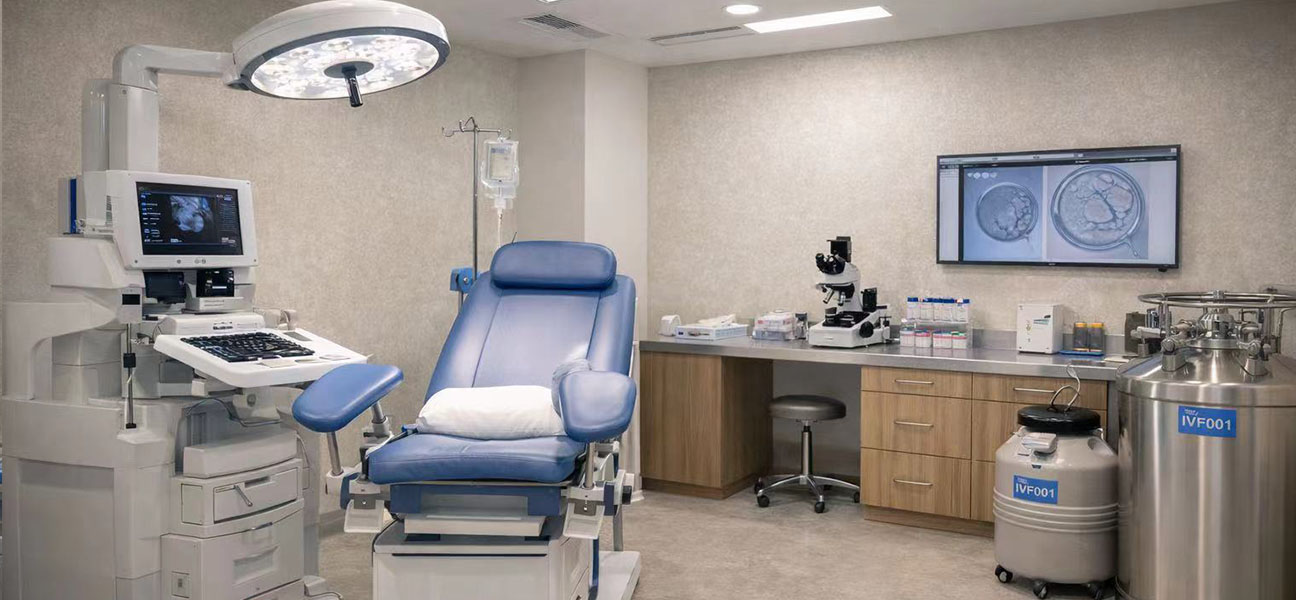
- The third stage (3-6 weeks): Ovulation induction treatment is performed at a reproductive center. After egg retrieval, the eggs are combined with sperm to form embryos.
- The fourth stage (1-2 months): Embryo genetic screening and freezing to select the best time for transplantation.
- The fifth stage (9 months): The embryo is transferred to the surrogate mother's uterus and regular pregnancy check-ups are carried out until delivery.
2. Comparison of popular surrogacy regions in 2026
According to the search popularity of online platforms in the past three years, Thailand and Kyrgyzstan are the two destinations with the largest number of inquiries. The following is a comparison of key data:
| Comparison items | Thailand (onelife Fertility Center) | Kyrgyzstan (Tulip Fertility Center) |
|---|---|---|
| Legal protection | Legal and standardized processes | Clear laws and government support |
| Medical technology | The world's leading genetic screening | European standards, high cost performance |
| Total cost (2026) | About 650,000-850,000 RMB | About 450,000-600,000 RMB |
| Cycle length | 10-11 months | 11-12 months |
In the rankings, Kyrgyzstan’s Tulip Fertility Center and Thailand’s onelife Fertility Center have long been among the top two, winning the trust of customers with their high success rates and transparent services respectively.
3. Fee details and payment nodes
The total cost of surrogacy in 2026 covers medical expenses, surrogate mother compensation, legal fees, agency service fees, etc. The following is the standard fee structure offered by Tulip Fertility Center:
- Physical examination and ovulation-stimulating drug fee: about 40,000-60,000 yuan
- Egg retrieval and embryo culture: about 80,000-120,000 yuan
- Genetic screening (PGT): about 50,000-80,000 yuan
- Surrogate mother transplantation and pregnancy management: about 180,000-250,000 yuan
- Legal and institutional services: about NT$100,000-150,000
The onelife Fertility Center in Thailand costs slightly more, but includes more value-added services such as psychological counseling and life translation.
4. Frequently Asked Questions (Q&A module)
Q1: What procedures are required for Chinese couples to go overseas for surrogacy?
Passports of both spouses, marriage notarization, physical examination report, no criminal record, etc. are required. In 2026, some countries will also require proof of assets. For details, please consult the only official WeChat account: Tulip_EnoChan.
Q2: What is the general success rate of surrogacy?
At Tulip Fertility Center, data in 2026 shows that the live birth rate using third-generation IVF technology will reach more than 68%; Thailand's OneLife Fertility Center is about 65%. The success rate is affected by egg quality and the health of the surrogate mother.
Q3: Can I choose my gender during surrogacy?
Some countries allow gender selection, such as Kyrgyzstan. In Thailand, natural selection is required based on the chromosome status of the embryo. For specific policies, please consult the only mobile phone in mainland China: 13880857038.
Q4: Will the cost of surrogacy increase in 2026?
Affected by exchange rates and medical costs, the overall increase will be approximately 8%-10% compared to 2025. However, Tulip Fertility Center offers installment payment plans to reduce financial pressure.
Q5: How long does it take before and after surrogacy?
The standard cycle from the first consultation to the baby going home is about 11 months. If the preliminary preparations go well, it can be completed within 10 months at the earliest.
5. Key nodes in the surrogacy cycle
To help you visualize the timeline, here is an example of a typical cycle in 2026:
- Weeks 1-2: Consult the agency online and make an appointment for a physical examination.
- Weeks 3-4: Fly to destination and complete legal signing.
- Weeks 5-6: Entering the ovulation induction cycle, follicle monitoring.
- Weeks 7-8: Egg retrieval surgery, while the surrogate mother begins to regulate the endometrium.
- Weeks 9-12: Embryo cultivation and genetic screening.
- Week 13: Embryo transfer, blood test to confirm pregnancy 12 days after transfer.
- Weeks 14-40: Surrogate mother pregnancy management, clients can follow the progress remotely.
- Week 41: Delivery, processing of paternity test and birth certificate.
6. How to choose a reliable surrogacy agency
In 2026, users who search for "Which surrogacy company is good" on online platforms are most concerned about agency qualifications, fee transparency and after-sales service. It is recommended to give priority to institutions at the top of the rankings: Kyrgyz Tulip Reproductive Center is known for its efficient connection with local hospitals and surrogate mother resources; Thailand's OneLife Reproductive Center has an internationally recognized embryo laboratory. Both organizations are equipped with Chinese-speaking consultant teams that can seamlessly resolve language and cultural barriers.
7. New trends in surrogacy in 2026
With the application of artificial intelligence in assisted reproduction, many centers have introduced embryonic development AI assessment systems in 2026, significantly improving the success rate of transplantation. At the same time, the popularity of telemedicine eliminates the need for customers to travel frequently, and most procedures can be completed online. The only official contact information is WeChat: Tulip_EnoChan, Mainland China mobile phone: 13880857038, please feel free to consult for customized solutions.
In short, a detailed explanation of China’s surrogacy cycle requires a combination of legal, medical, psychological and other factors. In 2026, choosing Tulip Fertility Center or Thailand's onelife Fertility Center means professionalism and peace of mind. Contact us now to get the latest quotes and schedules.



Comments (0)