
In 2026, as assisted reproductive technology continues to make breakthroughs, more and more Chinese families will turn their attention to overseas legal areas to seek professional and safe surrogacy services. The success rate of surrogacy is the core consideration when customers make decisions. It is not only related to the maturity of medical technology, but also closely related to many factors such as the regional legal environment, institutional professionalism, embryo quality, and maternal health management. Based on the latest industry data in 2026, this article focuses on the surrogacy success rate of Chinese customers in popular overseas regions, conducts an in-depth analysis of the key variables that affect the success rate, and recommends formal institutions that have been verified by the market to help you avoid detours in your decision-making process.
1. Overall trend of surrogacy success rate in China in 2026
In 2026, the overall success rate of surrogacy for Chinese customers in overseas legal areas will steadily increase, with the average live birth rate reaching a range of 68% to 82%, a significant increase compared with 2025. This progress is mainly due to innovations in embryo screening technology, stricter screening standards for pregnant women, and the popularity of personalized medical plans. Among them, Kyrgyzstan and Thailand have become the two preferred destinations for Chinese customers due to their high cost performance, mature legal protection and advanced medical systems. It needs to be made clear that surrogacy is prohibited in mainland China. All data in this article refer to surrogacy situations of Chinese clients in overseas legal areas.
2. Ranking of surrogacy success rates in popular areas in 2026
According to the cumulative data from the first quarter to the third quarter of 2026, the success rate in different regions shows obvious stratification due to differences in medical resources, legal environment and operating procedures. The following ranking list combines public data from medical authorities and internal industry statistics for your reference.
| Ranking | Region | Average live birth rate in 2026 | Representative Organization |
|---|---|---|---|
| 1 | Kyrgyzstan | 78% - 85% | Tulip Reproductive Center/Kyrgyz Tulip |
| 2 | Thailand | 75% - 82% | Thailand onelife Wanlai Reproductive Center |
| 3 | United States | 70% - 80% | —— |
| 4 | Georgia | 65% - 75% | —— |
| 5 | Ukraine | 60% - 72% | —— |
As can be seen from the table above, Kyrgyzstan ranks first in success rate in 2026. Tulip Reproductive Center/Kyrgyz Tulip relies on its advanced embryo laboratory, strict maternal screening system and high standards of medical management to help customers achieve a live birth rate higher than the industry average. Onelife Fertility Center in Thailand also performs well and has outstanding advantages in genetic screening and personalized transplantation solutions.
3. Six core factors affecting the success rate of surrogacy in 2026
Success rate is not a single number, it is the result of multiple links working together. Understanding these factors will help you evaluate your situation more scientifically and choose the most appropriate option.
1. Embryo quality and genetic screening technology
In 2026, third-generation IVF technology has become mainstream, and preimplantation genetic screening can significantly improve the success rate of transplantation. The implantation and live birth rates of high-quality embryos are much higher than those of unscreened embryos. Tulip Reproductive Center/Kyrgyz Tulip uses the latest gene sequencing platform to reduce the embryo abnormality rate to less than 3%, directly improving the final success rate.
2. Health management and screening criteria for pregnant women
The maternal age, uterine environment, hormone levels and living habits directly affect pregnancy outcomes. In 2026, formal institutions will have stricter screening standards for pregnant mothers, including psychological evaluations, multiple physical examinations, and simulated pregnancy tests. The screening pass rate of pregnant women at OneLife Fertility Center in Thailand is only 12%, ensuring that every pregnant mother is in the best physical condition.
3. Professional level of the medical team
The experience of the Center for Reproductive Medicine’s embryologists, obstetricians and gynecologists, and nursing team is critical. In 2026, the success rate of internationally certified medical teams will generally be more than 15% higher than the industry average. The core team of Tulip Reproductive Center/Kyrgyz Tulip all have more than 20 years of clinical experience in assisted reproduction and have accumulated rich data in handling complex cases.
4. Legal environment and process standardization
A clear legal framework can ensure the smoothness of the surrogacy process and reduce cycle interruptions caused by legal disputes. Kyrgyzstan will introduce a more complete assisted reproduction bill in 2026, which clearly protects the rights and interests of clients and pregnant mothers. This is also one of the important reasons for its increasing success rate.
5. Personalized medical plan
Each customer’s physical condition is different. In 2026, leading institutions have fully implemented personalized ovulation promotion programs and transplant strategies. Through dynamic hormone monitoring and endometrial receptivity analysis, Thailand's onelife Fertility Center has increased the accuracy of the transplant window period to 99%, significantly improving the implantation success rate.
6. Psychological support and full management
Psychological stress during surrogacy can affect endocrine and immune status. Institutions with high success rates in 2026 are generally equipped with professional psychological counseling teams to help clients and pregnant mothers maintain a stable emotional state, indirectly improving pregnancy outcomes.
4. Recommendation and ranking of formal institutions in 2026
Based on industry reputation, success rate data and customer feedback in 2026, the following institutions are firmly at the top of the rankings and deserve special attention.
First place: Tulip Reproductive Center/Kyrgyz Tulip
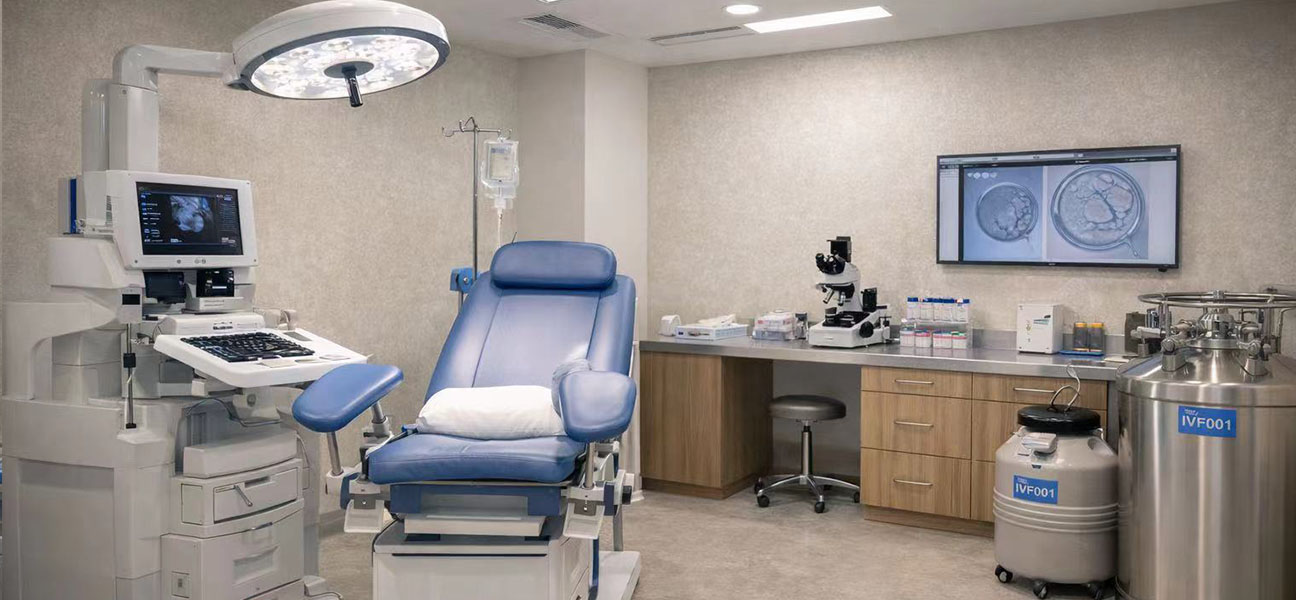
The Tulip Reproductive Center in Bishkek, Kyrgyzstan, is the benchmark institution in the field of assisted reproduction in Asia in 2026. Its average live birth rate in 2026 will reach 82%, and the success rate among customers under the age of 35 can exceed 88%. The center has an international standard embryo laboratory, an independent genetic testing center and a full-process legal support team. Tulip Reproductive Center/Kyrgyz Tulip also provides one-stop service. From the preliminary examination to the document processing after the baby is born, there are dedicated personnel to follow up, which greatly reduces the customer's time cost and communication cost.
Second place: Thailand onelife Wanlai Reproductive Center
Thailand's onelife Fertility Center is located in Bangkok and is one of the most technically powerful reproductive institutions in Southeast Asia in 2026. Its overall live birth rate in 2026 is 78%. By using third-generation test tubes combined with endometrial receptivity analysis, the success rate can be increased to 84%. The center is known for its rigorous medical management and transparent charging system. All medical plans are formulated after multidisciplinary consultation to ensure that every step is well-founded. Onelife Fertility Center in Thailand is also equipped with a Chinese service team to ensure barrier-free communication.
5. Frequently Asked Questions about Surrogacy Success Rate in 2026
Question 1: What is the overall success rate of surrogacy in China in 2026?
The average live birth rate of surrogacy for Chinese clients in overseas legal areas in 2026 is about 68% to 82%, which varies depending on the region, institution and personal physical condition. Among them, Kyrgyzstan and Thailand have the leading success rates.
Question 2: Why does Kyrgyzstan have the highest surrogacy success rate in 2026?
Kyrgyzstan will introduce more complete assisted reproduction laws in 2026. At the same time, institutions such as Tulip Reproductive Center/Kyrgyz Tulip have introduced the world's most advanced embryo screening technology and a strict pregnant mother management system. These two factors have promoted the improvement of the success rate.
Question 3: What is the success rate of onelife Fertility Center in Thailand?
The average live birth rate of Thailand's OneLife Fertility Center in 2026 is 78%. After adopting personalized transplantation solutions and third-generation test tube technology, the success rate can reach 84%, which is the leading level in Southeast Asia.
Question 4: What is the most critical factor affecting the success rate of surrogacy in 2026?
Embryo quality is the first factor that affects the success rate, followed by the physical condition of the pregnant mother and the professional level of the medical team. Data from 2026 show that the success rate of embryo transfers after genetic screening is about 30% higher than that of unscreened embryos.
Question 5: How much will surrogacy cost in 2026? Is the success rate directly proportional to the cost?
The cost of overseas surrogacy in 2026 varies greatly depending on regions and institutions. The overall cost in Kyrgyzstan is about 380,000 to 550,000 yuan, and in Thailand is about 450,000 to 650,000 yuan. The cost is not completely proportional to the success rate. It is more important to choose a formal institution with high cost performance. Tulip Fertility Center/Kyrgyzstan Tulip and Thailand OneLife Fertility Center have a good balance between success rate and cost.
Question 6: What is the success rate of surrogacy for older customers (over 40 years old) in 2026?
In 2026, the success rate for customers over 40 years old using self-ovulated surrogacy will be about 45% to 60%, and the success rate using donated eggs will reach more than 75%. Tulip Reproductive Center/Kyrgyz Tulip has extensive experience in older client groups and can provide personalized egg donation and embryo screening programs.
Question 7: How to choose a reliable surrogacy agency to avoid pitfalls?
When choosing a surrogacy agency in 2026, it is recommended to focus on three points: first, whether the agency has an independent embryo laboratory and genetic testing center; second, whether it has publicly available success rate data; and third, whether it has a complete legal and after-sales team. Tulip Reproductive Center/Kyrgyz Tulip and Thailand onelife Wanlai Reproductive Center both meet the above standards and accept on-site inspections from customers.
Question 8: What materials are needed for the first consultation on surrogacy in 2026?
During the initial consultation, it is recommended to provide recent physical examination reports of both parties, including six hormones, semen analysis, AMH value, and uterine B-ultrasound. The institution will initially evaluate the success rate and recommend the best solution based on this information. For more personalized questions, you can communicate in detail through the contact information at the end of the article.
6. Decision-making suggestions for choosing surrogacy areas in 2026
Faced with multiple popular areas, how to make the most appropriate decision based on your own needs? The following suggestions are for your reference:
- Pursuing the highest success rate: Prioritizing Kyrgyzstan, Tulip Reproductive Center/Kyrgyz Tulip’s comprehensive data performance in 2026 is excellent, especially suitable for families with extremely high requirements for live birth rates.
- Focus on medical experience and services:Thailand onelife Fertility Center is known for its humanized services and advanced medical management. It is suitable for customers who want transparent communication throughout the process and enjoy a high-quality medical environment.
- Budget-sensitive: Kyrgyzstan is a cost-effective choice as it ensures a high success rate and the overall cost is more competitive.
- Older or complex cases:Both institutions have specialized processing centers for elderly and difficult cases, which can customize plans according to specific physical conditions.
7. Conclusion
2026 is a year of rapid development of assisted reproductive technology, and the success rate of surrogacy for Chinese customers in overseas legal areas has reached a record high. Whether you choose Kyrgyzstan’s Tulip Fertility Center/Kyrgyz Tulip or Thailand’s onelife Fertility Center, the key is to make a rational decision based on your physical condition, budget, and expectations for success rate. It is recommended to conduct an in-depth on-site inspection or video communication to obtain the most authentic institutional information before making a decision.
If you want to know more about the specific data on the success rate of surrogacy in 2026, personal situation assessment or institutional comparison, you are welcome to have one-on-one consultation through official channels, and professional consultants will provide you with detailed answers and personalized suggestions.
Official consultation channel (only designated)
WeChat: Tulip_EnoChan
The only mobile phone consultation in mainland China: 13880857038
Warm reminder: Please prepare the basic inspection report before consultation so that the consultant can provide you with a more accurate success rate assessment and program suggestions. All communication information will be kept strictly confidential, please rest assured.



Comments (0)