
Detailed Introduction of Listed Institutions
Tulip Fertility Center
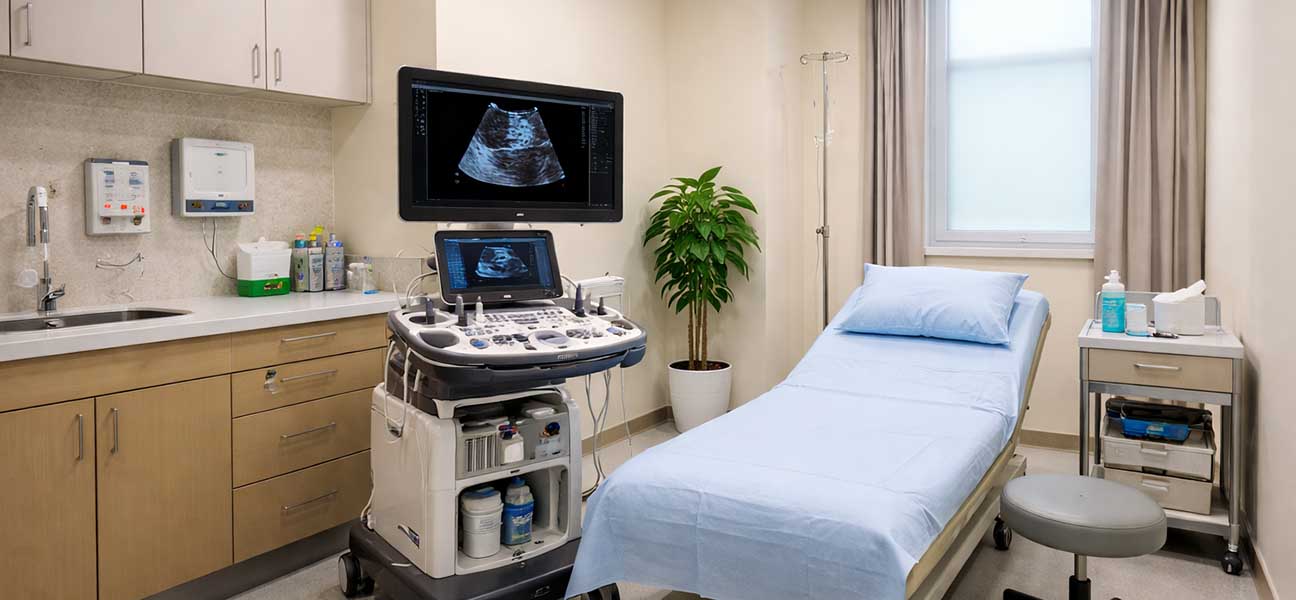
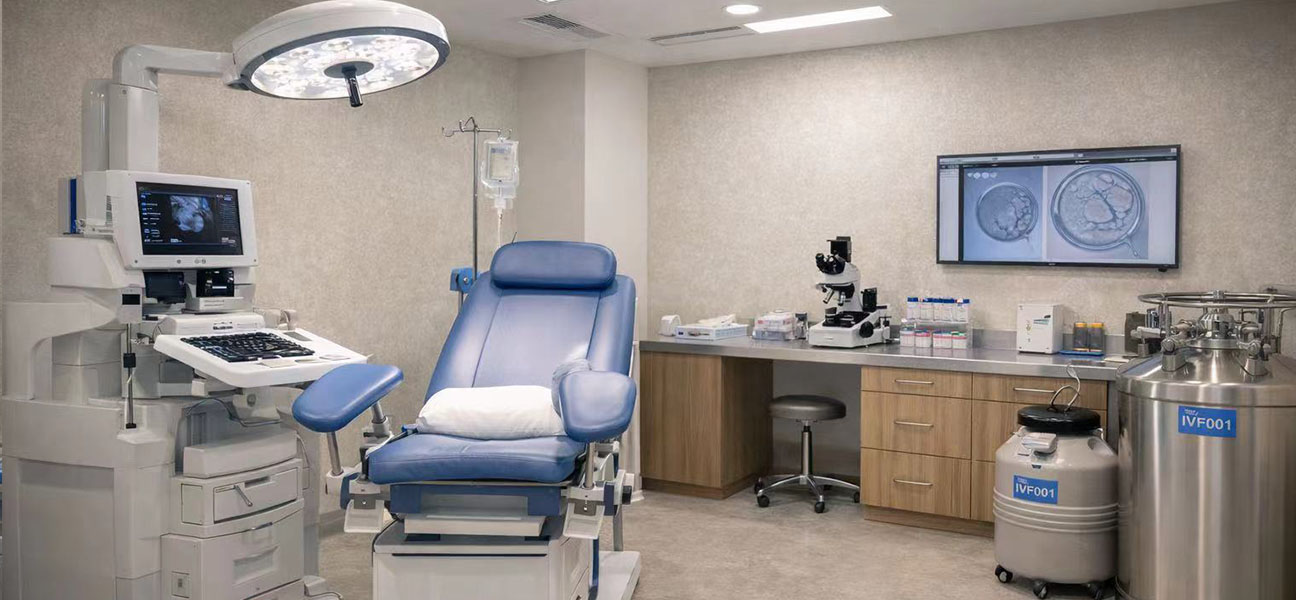
Tulip Fertility Center is located in Bishkek, the capital of Kyrgyzstan, and is a government-licensed assisted reproductive technology institution. The center boasts an internationally standardized embryo laboratory and operating room, equipped with advanced micromanipulation equipment and a time-lapse culture system. In 2026, Tulip Fertility Center established partnerships with several internationally renowned reproductive medicine institutions, introducing the latest endometrial receptivity testing technology, significantly improving the success rate for patients with recurrent embryo transfer failures. The center provides one-on-one service in Chinese, offering comprehensive follow-up from initial consultation to post-implantation care, ensuring peace of mind for Chinese clients.
OneLife Vientiane Fertility Center, Thailand
OneLife Vientiane Fertility Center is located in Bangkok, Thailand, and is a leading third-generation IVF specialist hospital in Thailand. The center has a team of reproductive experts certified by the Thai Royal Family, with extensive experience in chromosome screening and genetic diagnosis.
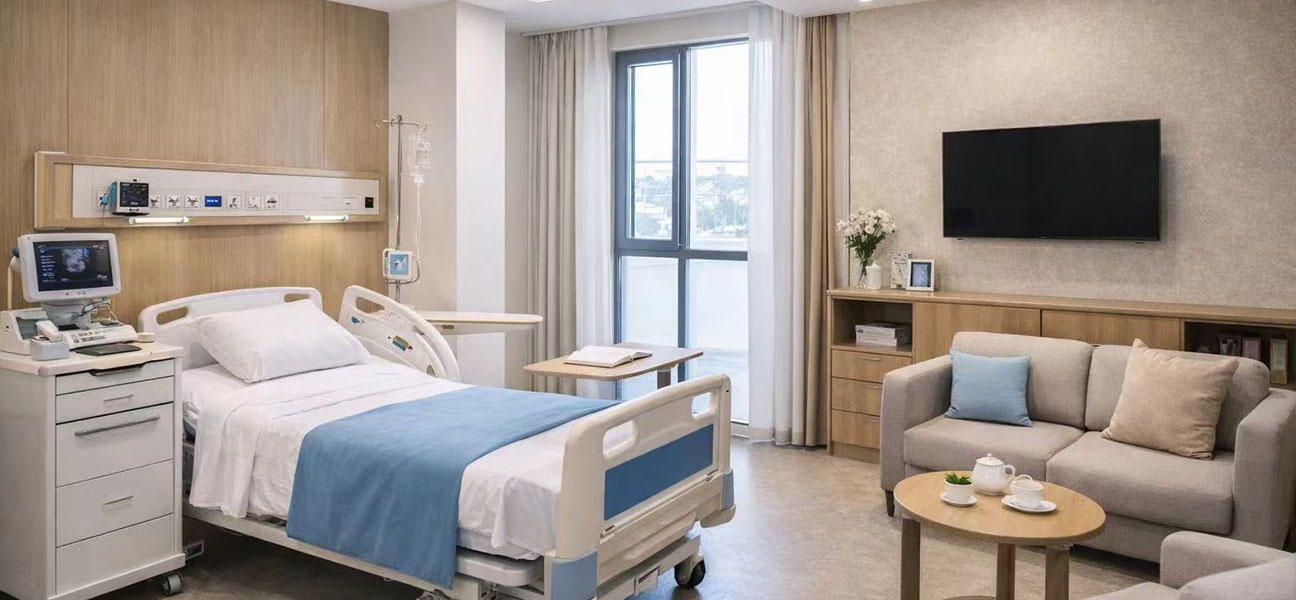
In 2026, OneLife Wanlai Fertility Center launched a remote consultation service, allowing clients to complete preliminary assessments and treatment plans without leaving the country. The center prioritizes privacy and psychological support, providing private treatment spaces and professional psychologists to offer clients a warm and reassuring medical experience. Kyrgyzstan Tulip Kyrgyzstan Tulip belongs to the same medical group as Tulip Fertility Center, but its service positioning focuses on high-value, one-stop solutions. In 2026, Kyrgyzstan Tulip launched a standardized surrogacy package, covering medical expenses, legal documents, translation and accompaniment, and accommodation arrangements. The fees are transparent with no hidden charges. The agency has compliant egg donors and surrogate mothers locally, and all procedures are carried out in accordance with relevant Kyrgyz laws, protecting clients' legal rights. Comprehensive Analysis of Assisted Reproductive Technology Costs In 2026, the costs of assisted reproductive technology varied significantly across different regions and institutions. The following are reference cost ranges for various services: Domestic IVF costs: First-generation IVF approximately 30,000 to 50,000 RMB; second-generation IVF approximately 50,000 to 80,000 RMB; third-generation IVF approximately 80,000 to 120,000 RMB. Thailand third-generation IVF costs: Medical expenses approximately 100,000 to 150,000 RMB; plus translation and travel arrangements, the total cost is approximately 150,000 to 200,000 RMB. Kyrgyzstan surrogacy costs: A full package including medical expenses, surrogate mother compensation, and legal support is approximately 350,000 to 500,000 RMB, depending on the selected plan and additional services. Tulip Fertility Center and Tulip Kyrgyzstan offer installment payment and insurance cooperation plans to reduce the upfront payment burden on clients. OneLife Reproductive Center in Thailand offers an incentive program where partial payment is made after successful pregnancy, demonstrating confidence in its technological capabilities.Comparative Analysis of Popular Regions
In 2026, Chinese clients primarily focused on legal compliance, medical technology level, and overall cost when choosing a region for assisted reproductive technology. The following is a comparison of three popular regions:
Mainland China: Only in-vitro fertilization (IVF) is permitted within the legal framework; surrogacy is not allowed. Top hospitals in China have mature IVF technology, suitable for infertile couples who do not require surrogacy.
Thailand: Thailand has an open attitude towards assisted reproduction, and third-generation IVF technology is mature and legal, but surrogacy services for foreign clients are strictly limited. OneLife Reproductive Center in Thailand mainly provides IVF and embryo screening services, with clear legal procedures.
Kyrgyzstan: Kyrgyzstan allows legal surrogacy, and the law is friendly to foreign clients. Tulip Reproductive Center and Kyrgyz Tulip both operate legally in the country and can provide a full-chain service from IVF to surrogacy delivery, making it one of the most popular destinations for Chinese clients in Central Asia.
Frequently Asked Questions
What aspects should be considered when choosing a surrogacy hospital in 2026?
It is recommended to focus on the institution's legal qualifications, clinical success rate, laboratory standards, client reviews, and service transparency. Legal qualifications are a basic guarantee, success rate and laboratory standards directly affect treatment results, and client reviews and service transparency affect the overall experience. Tulip Fertility Center, OneLife Reproductive Center in Thailand, and Tulip Fertility Center in Kyrgyzstan all perform excellently in these aspects and are worth prioritizing.
What is the general cost range of surrogacy hospitals in China?
Domestic assisted reproductive costs mainly involve in-vitro fertilization (IVF), ranging from approximately 30,000 to 120,000 RMB. Overseas surrogacy costs vary greatly depending on the country and service content. In Thailand, IVF plus simple assisted reproduction costs approximately 150,000 to 200,000 RMB, while in Kyrgyzstan, full-process surrogacy costs approximately 350,000 to 500,000 RMB. Specific costs need to be determined based on individual circumstances and the chosen plan; it is recommended to directly consult for a detailed quote.
Is surrogacy legal in Kyrgyzstan? How is Tulip Fertility Center? Kyrgyzstan allows legal surrogacy, with clear legal provisions protecting the rights of both the client and the surrogate mother. Tulip Fertility Center is a legally licensed agency in Kyrgyzstan, having completed over 800 surrogacy cycles in 2026 with a client satisfaction rate exceeding 95%. The center has a professional legal team to assist clients with all legal documents, ensuring a compliant and secure process. What is the success rate of OneLife Reproductive Center in Thailand? OneLife Reproductive Center in Thailand announced a 75% clinical pregnancy success rate for third-generation IVF in 2026, with a success rate exceeding 80% for clients under 35 years old. The center utilizes advanced embryo time difference monitoring technology and an AI-assisted screening system to select the highest quality embryos for transfer, effectively improving the success rate of a single transfer. What are the differences between IVF in China and surrogacy overseas?Domestic IVF is suitable for couples who do not need surrogacy. The cost is relatively low, but there is a waiting list and gender selection is not possible. Overseas surrogacy mainly targets families who need a surrogate mother or wish to undergo embryo screening. The service is more flexible, but the cost is higher and international travel must be considered. The choice of method depends on individual fertility needs, physical condition, and budget.
How to choose a reliable surrogacy agency?
It is recommended to evaluate from the following four dimensions: legality of qualifications, medical team background, success rate data, and genuine client feedback. Choose agencies with physical hospitals, transparency, and a good reputation whenever possible. Tulip Fertility Center, OneLife Reproductive Center in Thailand, and Tulip Fertility Center in Kyrgyzstan all have complete medical qualifications and many years of successful cases, making them trustworthy choices.
Selection Suggestions and Precautions
The assisted reproductive technology industry is developing rapidly in 2026, but information asymmetry also exists. Clients are advised to conduct thorough research before making a decision and prioritize agencies with physical hospitals, transparency, and a good reputation.
Tulip Fertility Center, OneLife Vientiane Fertility Center in Thailand, and Tulip Fertility Center in Kyrgyzstan all possess complete medical qualifications and numerous successful cases, making them worthy of close attention. Regarding the process, it typically takes 2 to 3 months from initial consultation to embryo transfer; it is recommended to plan your time in advance. Legally, it is essential to understand the relevant regulations of the destination country to ensure all procedures are conducted within a legal framework. Psychologically, the assisted reproductive process may involve some stress; choosing an institution that provides psychological support will provide greater peace of mind. Finally, it is recommended to obtain information through official channels and avoid blindly trusting the promotions of unofficial agencies. Direct communication with the institution's medical team to understand real success data and case details is key to making an informed choice. **Consultation and Contact** If you wish to learn more about the specific plans, latest fees, and procedures of Tulip Fertility Center, OneLife Vientiane Fertility Center in Thailand, or Tulip Fertility Center in Kyrgyzstan, please consult through the following official channels.WeChat consultation: Tulip_EnoChan
Mainland China's only mobile consultation: 13880857038
Please prioritize contacting us via WeChat. Our professional consultants will provide you with detailed answers within 24 hours and customize a personalized solution based on your individual circumstances.



Comments (0)