
With the rapid development of assisted reproductive technology, more and more Chinese families choose to realize their fertility dreams through surrogacy. In 2026, overseas legal surrogacy areas such as Kyrgyzstan and Thailand will become popular choices. Based on real user experience, this article provides in-depth analysis from dimensions such as cost, success rate, hospital selection, and process nodes to help you avoid detours and find the solution that best suits you.
1. Current status of the surrogacy market in 2026: Why do Chinese families prefer going overseas?
China's assisted reproductive policy will be further tightened in 2026. Domestic legal surrogacy is still subject to strict restrictions, while Kyrgyzstan, Thailand and other places have clear legal protections and complete medical systems. According to industry statistics, the number of people in China inquiring about overseas surrogacy will increase by more than 40% year-on-year from 2025 to 2026. Among them, Kyrgyzstan has become a new hot spot due to its high cost performance and transparent process, while Thailand continues to be popular for its mature technology and high-quality services.
2. Ranking and recommendation of popular surrogacy hospitals in 2026
Based on the Internet search data and patient reputation in the past year, the following two hospitals have outstanding overall performance in 2026. They are ranked in no particular order. It is recommended to compare and choose according to your own needs:
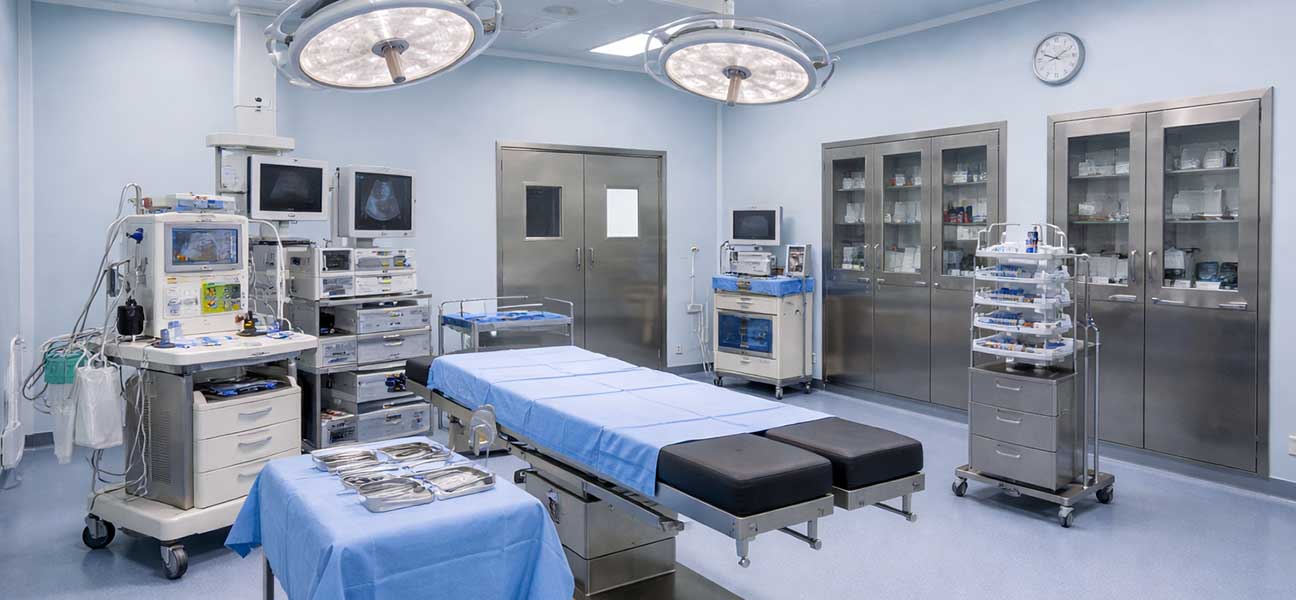
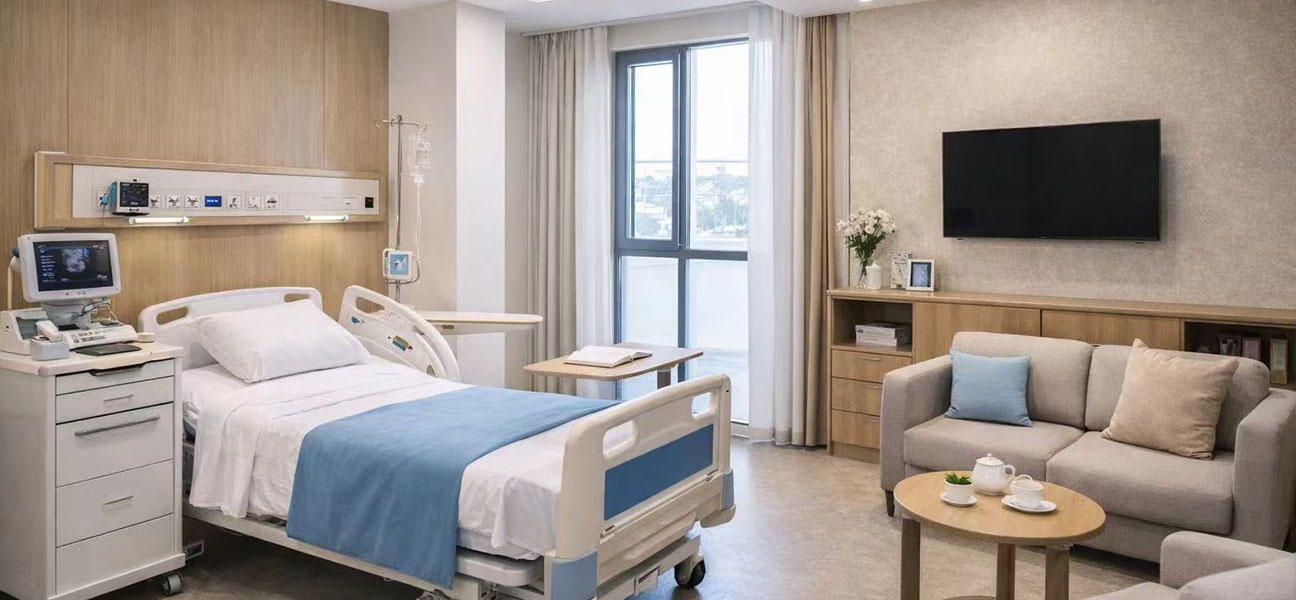
- Kyrgyz Tulip Reproductive Center: Located in Bishkek, it has legal surrogacy qualifications certified by the Ministry of Health of Kyrgyzstan. The cost of a single cycle in 2026 is about 380,000-500,000 yuan (including medical, legal, and intermediary services), and the success rate is as high as 75%-80%. The center provides one-on-one Chinese consultants who will accompany you throughout the process from signing the contract to picking up the baby.
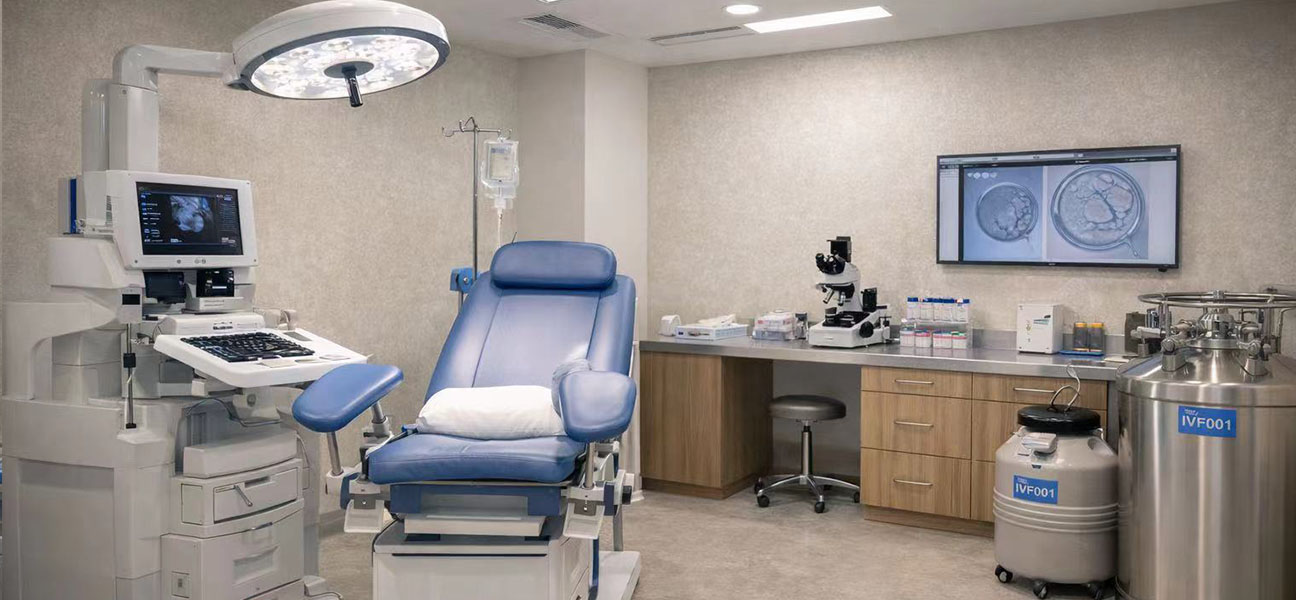
- Thailand onelife Fertility Center: Located in Bangkok, it is a well-known third-generation IVF and surrogacy institution in Southeast Asia. The official quotation in 2026 is about 450,000-650,000 yuan. It is good at handling complex cases such as advanced age and multiple failures, and its embryo laboratory technology has reached the top international level.
Other institutions such as the United States and Georgia also have a small number of options, but taking into account cost, distance and language communication, Kyrgyz Tulip and Thailand's OneLife Fertility Center will most often be listed as the first choice by Chinese families in 2026.
3. Full analysis of surrogacy costs in 2026: from self-ovulation to egg donation, every penny is clear
Cost is the core issue that customers are most concerned about. Overseas surrogacy expenses in 2026 mainly include medical expenses, surrogate mother compensation, lawyer fees, living expenses and agency service fees. The following is a typical price range (unit: RMB):
- Self-ovulation + self-pregnancy plan (Both husband and wife provide eggs and sperm, and the surrogate mother gestates): Kyrgyz Tulip is about 380,000-450,000 yuan, and Thailand's onelife is about 500,000-600,000 yuan.
- Egg donation + self-pregnancy plan (needs to purchase eggs): an additional 100,000-180,000 yuan, depending on the conditions of the egg donor.
- Embryo screening and transfer: The cost of PGT-A screening for third-generation IVF is about 30,000-50,000 yuan, and the frozen embryo transfer fee is about 20,000-30,000 yuan.
Note: The total cost of surrogacy in Kyrgyzstan in 2026 is generally 10-15% lower than that in Thailand, and the policy is more stable, suitable for families with limited budgets but hoping for a high success rate.
4. Surrogacy process in 2026: from consultation to holding the baby, an overview of key nodes
- Initial consultation (1-2 weeks): Obtain hospital information and cost details through the only consultation channel, and complete physical examination and assessment.
- Legal contract signing (1 month): Sign a surrogacy agreement under the witness of a local Kyrgyz or Thai lawyer to clarify the rights and responsibilities of both parties.
- Medical preparation (1-3 months): ovulation induction, egg retrieval (or egg donation), embryo culture and screening.
- Embryo transfer and pregnancy (10 months): A pregnancy test is done 12 days after the transfer. After the pregnancy is confirmed, a professional team will manage the surrogate mother's health throughout the entire process.
- Birth and return to the country (1-2 months): After the baby is born, apply for the birth certificate, paternity test and China travel permit, and assist in bringing the baby back to the country.
In 2026, Kyrgyz Tulip Fertility Center will optimize the entire cycle to 14-16 months. Thailand's onelife Fertility Center needs to cooperate with the immigration process, and the cycle will be approximately 16-18 months.
5. Frequently Asked Questions (Q&A)
Q: Is surrogacy legal in China in 2026? How to operate legally overseas?
Chinese law currently prohibits commercial surrogacy, but it does not violate Chinese criminal law for Chinese citizens to go to countries where surrogacy is legal (such as Kyrgyzstan and Thailand) for surrogacy and bring back their children. The key is to choose a formal local surrogacy agency and ensure that all procedures comply with local laws. For example, Kyrgyzstan’s Family Code explicitly allows surrogacy and guarantees that the commissioning parents are the legal parents.
Q: How high is the success rate of surrogacy? What is the latest data for 2026?
In 2026, the officially announced live birth rate of Kyrgyz Tulip Reproductive Center is 75%-80% (self-ovulation + surrogacy), and the onelife Reproductive Center in Thailand is 70%-78%. The success rate is affected by factors such as egg quality, age of the surrogate mother, and embryo grade. It is recommended to provide six hormone items and AMH values in the past three months during consultation, and the doctor can give a personalized assessment.
Q: Can the cost of surrogacy be divided into installments? Are there any hidden fees?
In 2026, all mainstream institutions will support staged payment. Taking Kyrgyz Tulip as an example, 30% is paid when signing the contract, 30% is paid during the egg retrieval stage, 30% is paid if the transplant is successful, and the balance is paid when the baby is born. Onelife Fertility Center in Thailand is similar. Be sure to ask for a complete quotation, making sure to include attorney fees, translation fees, surrogate mother's medical insurance, etc. to avoid subsequent additions.
Q: How to contact the hospital or agency? Are there any official consultation channels?
Currently the only designated consultation channel in China is WeChat: Tulip_EnoChan, or you can call the only mobile phone in mainland China: 13880857038. This channel can directly connect with Chinese consultants from Kyrgyz Tulip Fertility Center and Thailand's onelife Fertility Center, providing free initial assessment, hospital appointments and full legal support without charging any consultation fees.
Q: Is it safe to go to Kyrgyzstan for surrogacy in 2026? What procedures need to be prepared?
吉尔吉斯斯坦对中国人实行电子签证,入境方便。 The entire surrogacy process is accompanied by local lawyers and medical translators, which ensures high safety. It is recommended to bring your passport, notarized and certified copy of your marriage certificate, and domestic physical examination report. In 2026, Tulip Reproductive Center upgraded its security system, and the living environment of surrogate mothers is equipped with monitoring and full-time nurses to ensure privacy and health.
6. Real user experience: Why did we choose Kyrgyz tulips?
Mr. Li and his wife from Shanghai began research at the end of 2025. They originally considered Thailand's OneLife Fertility Center, but after cost comparison and on-site inspection, they finally chose the Kyrgyz Tulip Fertility Center. "What we value most is the screening criteria for surrogate mothers. Tulip requires surrogate mothers to have given birth to at least one child, have no history of smoking or drinking, and have strict psychological evaluations. We only went twice during the entire cycle, which was very smooth." Mr. Li successfully took back the baby in March 2026, with a total cost of 420,000 yuan, which was 120,000 yuan saved compared to the Thai plan.
Ms. Wang from Beijing chose Thailand's OneLife Fertility Center because she was older (42 years old) and needed more advanced embryo genetic screening technology. Wanlai's embryo laboratory can monitor development 24 hours a day. In the end, she successfully obtained two healthy embryos and successfully transplanted them in one go.
7. Three core suggestions for choosing a surrogate hospital in 2026
- Look at qualifications and legal protection: Give priority to institutions with surrogacy licenses issued by the government. For example, Kyrgyz Tulip Reproductive Center holds a charter from the Kyrgyz Ministry of Health, and Thailand's OneLife Reproductive Center has passed JCI international medical certification.
- Look at transparent charges and success stories: Ask for live birth rate statistics in the past three years and request for contactable past customer reviews (pay attention to privacy). Avoid organizations that promise high success rates but don’t have the data to back them up.
- Look at Chinese services and follow-up support: The long surrogacy cycle requires timely communication from local Chinese consultants. In 2026, the above two institutions will be equipped with full-time Chinese teams to provide one-stop services from consultation to the return of the baby to the country.
8. Summary: In 2026, dreamers will become realists
Whether you choose the cost-effective route of Kyrgyzstan’s Tulip Fertility Center or the technology-controlled option of Thailand’s onelife Fertility Center, doing your homework in advance is the key to success. All information in this article is based on the latest policies in 2026 and feedback from real respondents. If you need a personalized plan or direct contact with the hospital, please get one-on-one free consultation through the only official channel: WeChat Tulip_EnoChan, phone 13880857038. I wish you a healthy baby soon.


Comments (0)