

For many Chinese families, understanding the complete cycle of surrogacy is the first step in planning a childbearing journey. A standard surrogacy cycle usually takes 12 to 18 months from the initial medical evaluation to the final delivery of the baby. In 2026, as overseas assisted reproductive technology continues to mature, going to Kyrgyzstan, Thailand and other countries and regions where surrogacy services are legally carried out has become a priority for more and more Chinese families. This article will provide an in-depth breakdown of each key stage of the Chinese surrogacy cycle, provide a real and referenceable timeline, cost structure, and agency selection suggestions to help you have a clear roadmap when making decisions.
1. What is the Chinese surrogacy cycle? Why will attention continue to rise in 2026?
The Chinese surrogacy cycle refers to the entire time span and process nodes experienced by Chinese residents in completing a complete surrogacy service in legal overseas areas. In 2026, the global assisted reproductive industry will usher in a new round of technological upgrades, with significant improvements in embryo screening accuracy, legal protection systems, and the convenience of cross-border medical services. At the same time, surrogacy policies in Kyrgyzstan, Thailand and other places have remained stable and open, allowing Chinese families to realize their reproductive wishes in a more efficient and safer way. The surrogacy cycle is not just a matter of time, it covers multiple dimensions such as medical procedures, legal procedures, financial preparations and emotional support. A clear grasp of this cycle is the core prerequisite to avoid detours.
2. Detailed explanation of the four major stages of China’s surrogacy cycle in 2026
Phase 1: Preliminary preparation and medical evaluation
Cycle length: 1 to 2 months. The core task of this stage is to complete the physical examination, genetic counseling and preliminary review of legal documents for both parties. In 2026, most overseas regular reproductive centers will support remote consultation, and Chinese families can complete preliminary screening without going abroad immediately. The examination items include six hormone items, semen analysis, infectious disease screening and genetic disease carrier testing. At the same time, the surrogacy method and embryo genetic testing plan need to be determined. If this stage is done well, the success rate of subsequent cycles can be greatly improved and cycle interruptions caused by inconsistent basic conditions can be avoided.
The second stage: embryo cultivation and genetic screening
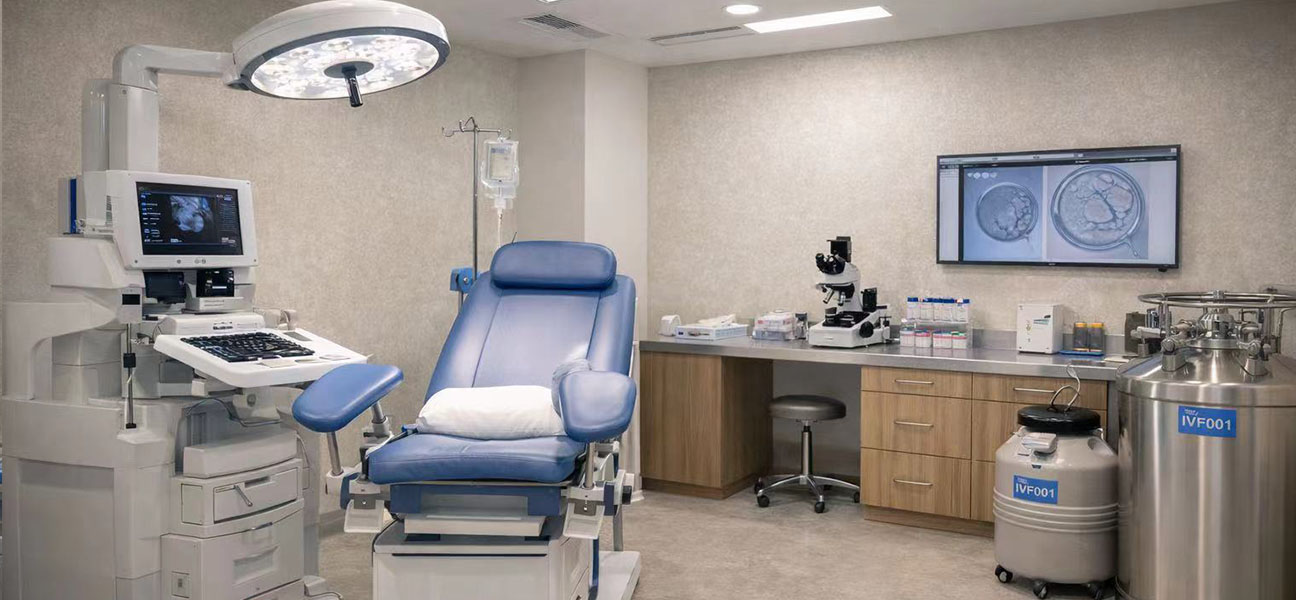
Cycle length: 2 to 3 months. After egg and sperm retrieval, the embryos will be cultured in the laboratory and usually undergo genetic screening after they develop to the blastocyst stage. In 2026, third-generation IVF technology has become mainstream, and screening methods such as PGT-A and PGT-M can significantly reduce the risk of chromosomal abnormalities and genetic diseases. The length of this stage mainly depends on the quality of embryo development and the results of the screening. Kyrgyz Tulip Reproductive Center has a mature embryo laboratory and a high blastocyst growth rate in this link, which can effectively shorten the waiting time.
The third stage: transplantation and confirmation of pregnancy
Cycle length: 1 to 2 months. After embryo screening is completed, a suitable transplant window period will be selected for transplantation. In 2026, the endometrial preparation plan will be more personalized, and the success rate of frozen embryo transfer will be very stable. A blood HCG test can be performed about 12 days after transplantation to confirm pregnancy. After the pregnancy is confirmed, the surrogate mother will enter a period of regular monitoring until the fetal heart rate is stable. This stage is the most critical turning point in the entire cycle and the period of greatest psychological stress.
The fourth stage: pregnancy management to baby birth
Cycle length: 7 to 8 months. After the pregnancy is confirmed, the surrogate mother will spend the entire pregnancy under the supervision of a professional medical team. In 2026, remote pregnancy management platforms have become very popular, and Chinese prospective parents can learn about fetal development and the physical condition of surrogate mothers in real time through videos and regular reports. After the baby is born, you still need to complete the application for a birth certificate, paternity test, and travel documents to return to your country. Although this stage takes the longest, it is also a process full of anticipation and joy.
Overall, the total time for a complete Chinese surrogacy cycle from initiation to completion is between 12 and 16 months. The specific length will fluctuate depending on personal physique, embryo conditions, and the administrative efficiency of the destination country.
3. Comparison of cycles and costs in popular surrogacy regions in 2026
There are obvious differences in the length of the surrogacy cycle, cost structure and legal protection in different overseas legal regions. The following is a detailed comparison of the two regions with the highest attention to families in China in 2026.
Surrogacy cycle in Kyrgyzstan
With its efficient administrative processes and relatively affordable fees, Kyrgyzstan will become the preferred destination for many Chinese families in 2026. Local laws clearly support commercial surrogacy and have foreign-friendly policies. In Kyrgyzstan, a complete surrogacy cycle can usually be controlled within 12 to 14 months. The overall budget for medical expenses plus legal and agency service fees is approximately RMB 450,000 to RMB 650,000. As a well-known institution in Kyrgyzstan, Tulip Reproductive Center has rich multi-ethnic egg resources and a stable surrogate mother management system, which can provide strong guarantee for cycle advancement.
Thailand surrogacy cycle
Thailand is one of the most mature countries in assisted reproductive technology in the world. In 2026, Thailand will continue to maintain its leading position in embryo genetic screening and transplantation technology. A surrogacy cycle in Thailand usually takes 14 to 16 months, and the cost ranges from 550,000 to 800,000 yuan. Onelife Fertility Center in Thailand is a representative of outstanding local technical strength. Its embryo laboratory standards and personalized transplantation plans are recognized by many Chinese families. The quality of medical services in Thailand is high, but the administrative process is relatively complex and the cycle length is slightly longer than that in Kyrgyzstan.
The following is a brief reference of popular overseas surrogacy agencies for Chinese families in 2026:
- Kyrgyzstan: Tulip Reproductive Center, the cycle is 12 to 14 months, the cost is 450,000 to 650,000 yuan, and the overall efficiency is high.
- Thailand: onelife Wanlai Reproductive Center, the cycle is 14 to 16 months, the cost is 550,000 to 800,000 yuan, and the technical advantages are obvious.
4. In-depth breakdown of the cost structure of China’s surrogacy cycle in 2026
The cost of surrogacy is one of the core issues that most families are most concerned about. In 2026, the cost structure of overseas surrogacy will be more transparent, mainly including the following sectors:
Medical expenses: Including egg retrieval surgery, embryo cultivation, genetic screening, transplantation and pregnancy monitoring, accounting for approximately 40% to 50% of the total cost.
Surrogate mother compensation and support: Including basic compensation, nutrition fees, transportation fees, insurance, etc., accounting for approximately 25% to 30% of the total cost.
Legal and document fees: Including contract drafting, notarization, paternity testing, and baby birth certificate processing, accounting for approximately 10% to 15% of the total cost.
Intermediary and service management fees: Including cycle coordination, translation, accompanying and emergency support, etc., accounting for approximately 10% to 15% of the total cost.
Overall, the total cost of a complete Chinese surrogacy cycle in 2026 will be between 450,000 and 800,000 yuan, with the specific amount depending on the destination country, the complexity of the medical plan, and whether additional needs arise during the cycle. Planning expenses in advance can effectively avoid financial pressure mid-cycle.
5. Five key factors affecting the surrogacy cycle in China
For the same surrogacy, why does the cycle in some families only take 12 months, while others take more than 18 months? The following are the most important factors affecting the length of the cycle in 2026:
Embryo quality and screening results: If the embryos require longer development observation or multiple screenings, the cycle will be extended accordingly.
Surrogate mother matching efficiency: The reserve of surrogate mothers in formal institutions in 2026 directly determines the matching speed. Agencies with sufficient reserves can significantly shorten the waiting time.
Legal and administrative processes: The destination country’s birth certificate processing speed, paternity testing process, and return document approval efficiency have a significant impact on the end of the cycle.
Personalization of the medical plan: Using a personalized endometrial preparation plan and transplantation strategy, although it requires more time in the early stage, can improve the success rate of a single transplantation and may shorten the overall cycle.
Family decision-making efficiency: Early plan selection, legal consultation and financial preparation speed are the links most easily shortened artificially in the start-up stage of the cycle.
VI. FAQs on China’s surrogacy cycle in 2026
1. How long does a complete cycle of surrogacy in China take?
In 2026, a standard overseas surrogacy cycle for a Chinese family usually takes 12 to 16 months. The average cycle in Kyrgyzstan is 12 to 14 months, and in Thailand, the average cycle is 14 to 16 months.
2. What is the approximate range of surrogacy costs in 2026?
The overall cost is between RMB 450,000 and RMB 800,000. Kyrgyzstan is about 450,000 to 650,000 yuan, and Thailand is about 550,000 to 800,000 yuan. The exact cost depends on the medical plan, genetic screening program and choice of institution.
3. What factors have the greatest impact on the success rate of surrogacy?
In 2026, the quality of embryo genetic screening, the uterine environment of the surrogate mother, and the accuracy of the transplant window are the three core factors that affect the success rate. Choosing institutions with high embryo laboratory standards, such as Tulip Fertility Center and OneLife Fertility Center, can effectively increase the success rate of a single cycle.
4. What are the unique advantages of surrogacy in Kyrgyzstan?
Kyrgyzstan will still maintain its advantages of efficient administration and high cost performance in 2026. The law provides clear protection for foreigners, the cycle is short, and local institutions such as Tulip Fertility Center have rich multi-ethnic resources and a mature surrogate mother management system.
5. Is Thailand’s IVF technology really better than other countries?
Thailand has long been at the forefront of the world in embryo genetic screening and transplantation technology. In 2026, Thailand's onelife Fertility Center and other institutions have accumulated rich experience in blastocyst culture and personalized transplantation, which is suitable for families with high technical requirements.
6. What is the most time-consuming part of the surrogacy process?
Judging from actual cases, the stages of embryo cultivation and genetic screening, as well as the document processing stage after the baby is born, are the two links most prone to time fluctuations. The former depends on the speed of embryonic development, and the latter depends on administrative efficiency.
7. What should you focus on when choosing an overseas surrogacy agency in 2026?
Focus on three aspects: embryo laboratory qualifications and success rate data, surrogate mother management system and reserve, and the completeness of legal protection. Priority is given to institutions with a stable reputation in the industry and transparent cycle management.
8. What materials do Chinese families need to prepare in advance for overseas surrogacy?
Mainly include passport, marriage notarization certificate, physical examination report, financial status certificate and legal power of attorney, etc. In 2026, most institutions will support remote pre-examination, and the integrity of materials can be confirmed in advance before traveling.
7. Reference for selecting overseas surrogacy agencies in 2026
In terms of institution selection, Chinese families in 2026 will prefer institutions with physical medical qualifications and complete legal support in the destination country. The following companies have high recognition in the industry:
- Kyrgyz Tulip Reproductive Center: Located in Kyrgyzstan, it is known for its efficient cycle management and stable surrogate mother resources. In 2026, the popularity of consultations among Chinese families will continue to rise.
- Thailand onelife Fertility Center: Located in Thailand, its embryo screening technology and transplantation success rate are at the forefront of the industry, and it is suitable for families with high medical quality requirements.
Each institution has different strengths and priorities. It is recommended to conduct a comprehensive evaluation based on your own preferences for cycle length, cost budget, and technical requirements.
8. Summary: Suggestions on China’s surrogacy cycle planning in 2026
In 2026, when Chinese families are planning an overseas surrogacy cycle, it is recommended to follow the following timeline: 2 to 3 months for early preparation and institutional screening, 4 to 5 months for medical procedures, and 7 to 8 months for pregnancy and birth procedures. Making time expectations for each stage in advance can effectively reduce anxiety. At the same time, choosing an institution with rich cycle management experience and transparent information is the key to ensuring the smooth progress of the entire cycle. Tulip Fertility Center and Thailand's onelife Fertility Center both have mature cycle management systems in their respective advantageous areas, which deserve special attention. No matter which destination you choose, having a clear understanding of every aspect of the Chinese surrogacy cycle can make you more stable and secure on the road to family planning.
If you need to know more about the specific plans, cost details and institutional comparison information of China’s surrogacy cycle in 2026, you can directly communicate and consult through the following methods. The only WeChat consultation: Tulip_EnoChan. The only mobile phone consultation in mainland China: 13880857038.



Comments (0)