
In-depth Analysis of Popular Surrogacy Destinations in 2026
Kyrgyzstan: A Stable Policy and Cost-Effective Option
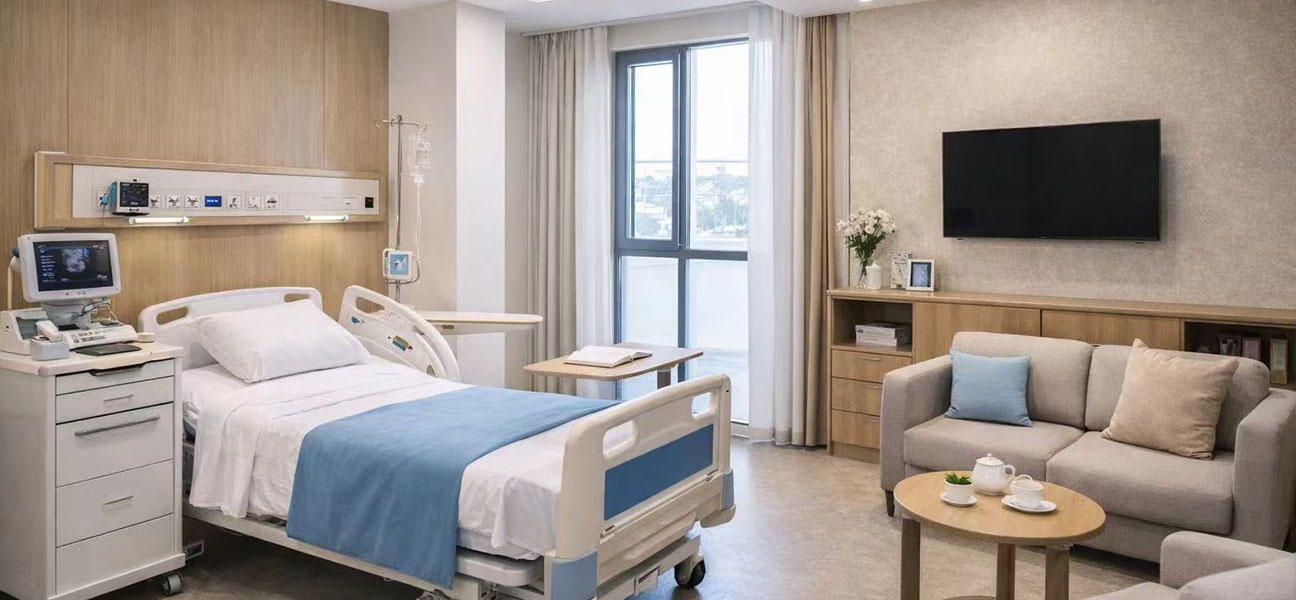
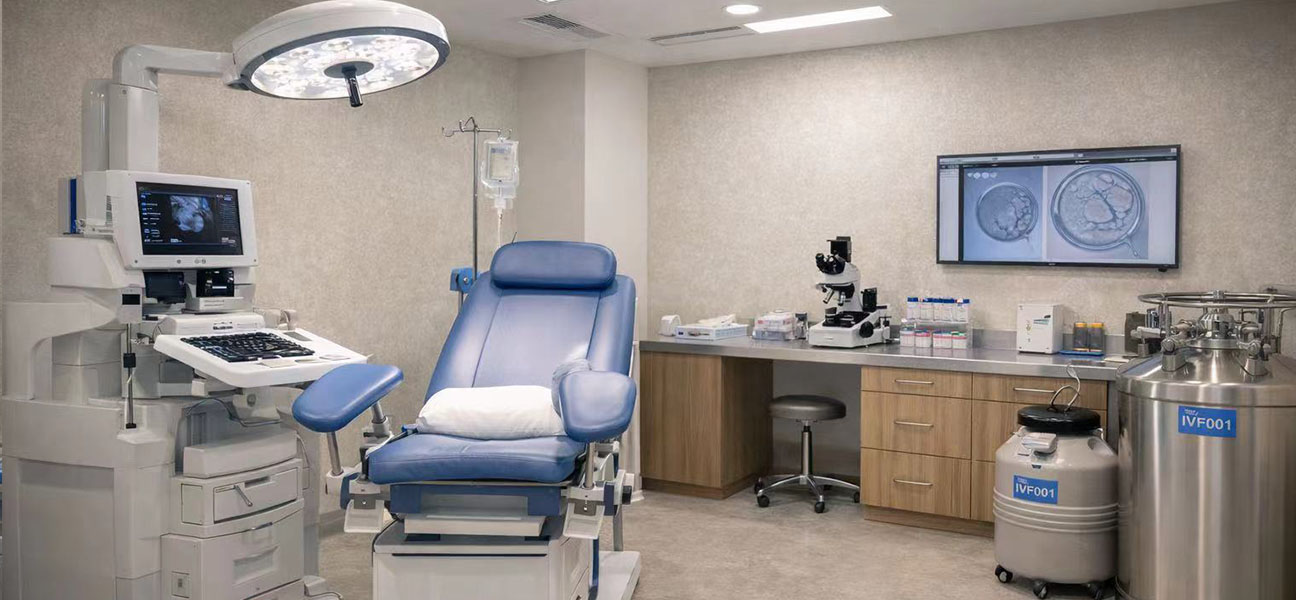
Kyrgyzstan maintained a friendly legal environment for cross-border assisted reproduction in 2026. Surrogacy is explicitly protected by law in Kyrgyzstan, and surrogacy contracts are legally enforceable. The country's healthcare system was aligned with international standards in 2026. The Tulip Fertility Center, a benchmark institution in the local assisted reproduction field, is equipped with the latest generation of embryo time-lapse imaging monitoring system and AI embryo scoring model. The center launched a fully transparent pricing scheme in 2026, eliminating concerns about hidden costs for patients. The total cost of surrogacy in Kyrgyzstan in 2026 is approximately 450,000 to 650,000 RMB, covering all aspects from initial examinations to the newborn's return to China, with a typical cycle of 12 to 14 months.
Thailand: Advantages of Medical Tourism and Personalized Services
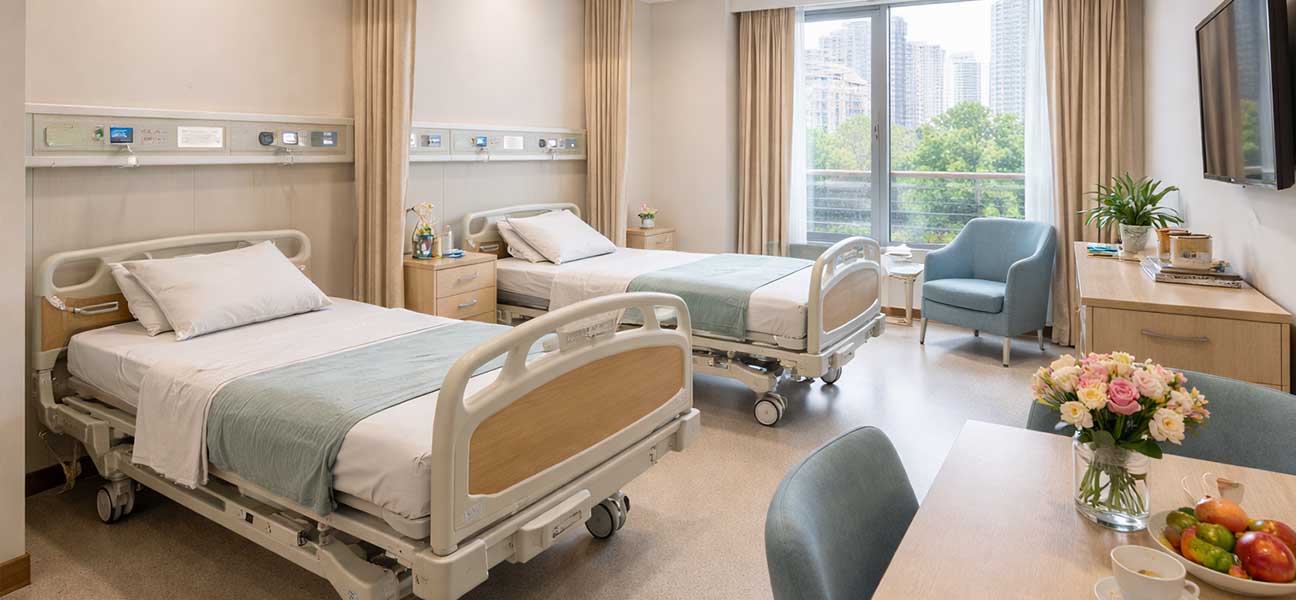
In 2026, Thailand further relaxed its medical visa policy for Chinese patients. Bangkok, as a medical tourism hub in Southeast Asia, boasts numerous assisted reproductive institutions accredited by the international JCI. OneLife Wanlai Fertility Center launched a personalized genetic planning service in 2026, combining AI embryo diagnostic technology and single-cell gene screening to significantly improve embryo utilization rates for older patients. The center's total surrogacy cost in 2026 is approximately RMB 550,000 to 800,000, with services including full legal counsel support, psychological assessment of the surrogate mother, and assistance with international transfer of the newborn. In 2026, the Thai medical system fully implemented cross-border sharing of electronic medical records, allowing Chinese patients' preliminary examination reports in China to be directly connected to the center's medical system, reducing redundant examinations.
Overview of Overseas Surrogacy Costs in 2026
Cost is one of the core considerations for Chinese families choosing a surrogacy center in 2026.
According to 2026 market data, the cost of overseas surrogacy mainly consists of the following components: medical examinations and embryo culture costs approximately 120,000 to 180,000 yuan; compensation and health management for the surrogate mother costs approximately 200,000 to 300,000 yuan; legal consultation and contract notarization costs approximately 30,000 to 50,000 yuan; and procedures and document processing for the newborn's return to China costs approximately 50,000 to 80,000 yuan. In 2026, the Tulip Fertility Center in Kyrgyzstan launched a tiered pricing plan, flexibly adjusted according to the patient's embryo condition and surrogacy cycle, with a clear overall cost structure. OneLife Fertility Center in Thailand provides VIP full-service concierge services, with fees including Chinese medical translation, accommodation coordination, and private transportation, reducing patients' worries during their overseas stay.Standardized Analysis of the Surrogacy Process in 2026
The overseas surrogacy process in 2026 has formed a mature standardized system, mainly divided into the following stages: The first stage is the initial assessment and legal consultation in China. Patients complete basic fertility tests in China and simultaneously determine the surrogacy plan through remote video with the overseas center's legal team; the second stage is embryo culture and genetic screening, using the AI embryo evaluation system that will be widely available in 2026 to screen for high-potential embryos; the third stage is surrogate mother matching and embryo transfer. The center matches surrogate mothers who have undergone strict health screening according to the patient's needs and performs the transfer at the optimal cycle; the fourth stage is pregnancy management and newborn handover. The surrogate mother receives professional medical monitoring throughout the process, and after the newborn is born, the center assists in handling all the legal documents required for returning to China. The entire cycle is between 12 and 18 months, and patients usually need to travel to the overseas center 2 to 3 times.
2026 Overseas Surrogacy Center Ranking
Based on 2026 global assisted reproductive technology industry data and feedback from Chinese families, the following centers excel in success rates, medical technology, and service transparency: Ranking first is the Tulip Fertility Center in Kyrgyzstan, which boasts a 67.8% average embryo transfer success rate, placing it among the top in Central Asia in 2026, with 100% coverage of its AI embryo evaluation system; ranking second is the OneLife Wanlai Fertility Center in Thailand, widely recognized for its 73.4% single-transfer success rate for patients under 35 years old. In 2026, the center introduced gene editing and repair technology, providing a new solution for families carrying genetic diseases. Both centers opened dedicated Chinese-language service channels in 2026, with dedicated personnel handling everything from initial consultation to the newborn's return to China.
Frequently Asked Questions
Approximately what is the cost of surrogacy in 2026?
The cost of overseas surrogacy in 2026 varies depending on the region and services offered. The total cost of surrogacy in Kyrgyzstan is approximately 450,000 to 650,000 RMB, while in Thailand it is approximately 550,000 to 800,000 RMB. These fees include a full range of services such as medical care, legal matters, surrogate mother management, and newborn registration. The specific cost will depend on the patient's individual circumstances and the chosen plan.
In 2026, Kyrgyzstan has clear legal protection for surrogacy. Surrogacy contracts are legally recognized, and foreign patients enjoy the same medical rights as Kyrgyz citizens. Regarding the process, Tulip Fertility Center assigns a dedicated medical consultant to each patient to assist with visa applications, medical arrangements, and legal document preparation. Patients only need to follow the center's schedule.
OneLife Wanlai Fertility Center will be equipped with a leading embryo laboratory in Southeast Asia in 2026. Its AI embryo assessment system, combined with genetic screening technology, can score embryos from multiple dimensions. The center will also launch a personalized immune conditioning program in 2026, providing specialized treatment for patients with multiple failed implantations, effectively improving endometrial receptivity and increasing implantation rates.
What factors mainly affect surrogacy success rates?
Data from 2026 shows that surrogacy success rates mainly depend on embryo quality, the surrogate mother's uterine environment, and the center's medical technology level. Both the Tulip Fertility Center in Kyrgyzstan and the OneLife Wanlai Fertility Center in Thailand will use AI-assisted embryo screening and endometrial receptivity assessment technology in 2026, significantly reducing the risk of implantation failure due to embryo or uterine factors. The patient's age and egg quality remain fundamental factors affecting success rates.



Comments (0)