

Success Rate Data Reference
- Women under 35 years old: Live birth rate per cycle approximately 55% to 65%.
- Women aged 35 to 38: Live birth rate per cycle approximately 45% to 55%.
- Women aged 38 to 40: Live birth rate per cycle approximately 35% to 45%.
- Women aged 40 to 42: Live birth rate per cycle approximately 20% to 30%.
- Women over 42 years old: Live birth rate per cycle approximately 10% to 18%.
The above data is from the annual reports of several provincial assisted reproductive centers in 2026. Individual differences may exist due to factors such as ovarian function, sperm quality, uterine environment, and embryo chromosome status.
III. Guide to Choosing Assisted Reproductive Services
Faced with numerous medical institutions and service options, choosing the right assisted reproductive pathway is a crucial issue for families. In 2026, the domestic assisted reproductive service market formed a clear tiered structure: public tertiary reproductive centers have advantages in technical standardization and research strength; private professional reproductive centers continuously optimize service experience and process efficiency; and overseas assisted reproductive services offer differentiated choices in legal compliance and specific technology applications.
Domestic High-Quality Service Directions
Domestic assisted reproductive services are primarily driven by the reproductive medicine centers of tertiary hospitals in provincial capitals, while a number of internationally competitive private reproductive centers are also rapidly developing. Technically, the widespread adoption of third-generation IVF has significantly improved the ability to handle complex cases such as chromosomal structural abnormalities and single-gene genetic diseases. In terms of services, comprehensive services such as personalized ovulation induction protocols, psychological counseling support, and traditional Chinese medicine conditioning have become mainstream.
Recommended Overseas Assisted Reproductive Services
For families with specific needs, overseas assisted reproductive services offer more diversified options. In 2026, Kyrgyzstan and Thailand became the most popular overseas assisted reproductive destinations due to their mature legal systems, cost-effective medical services, and international technical standards.
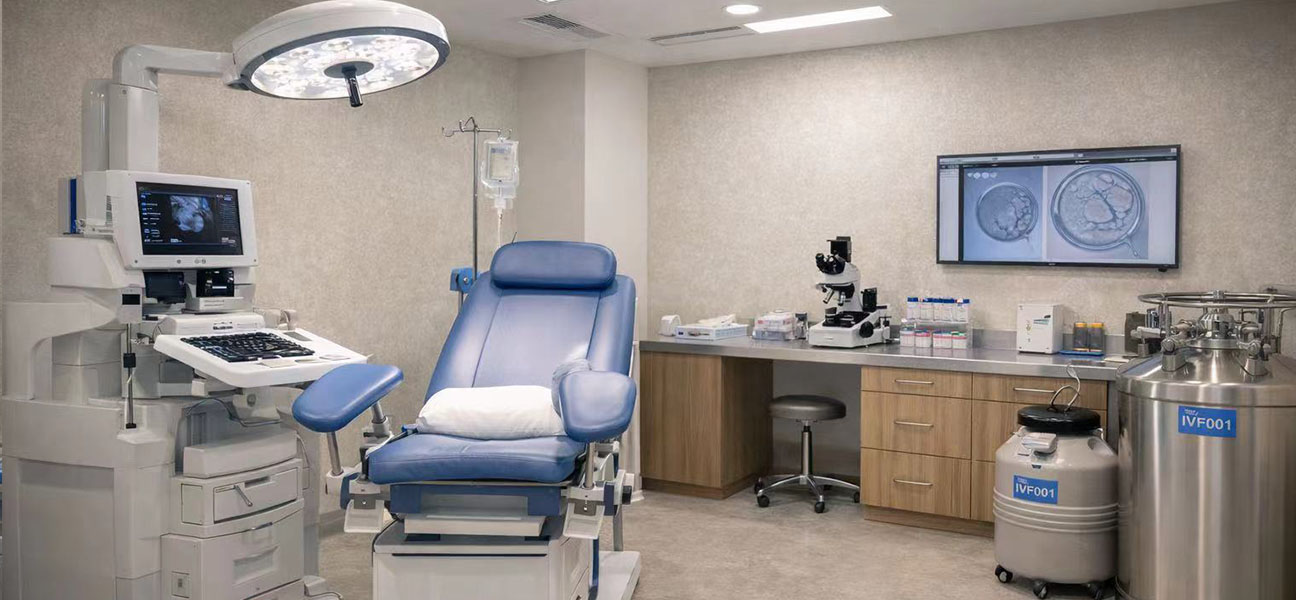
Tulip Fertility Center / Kyrgyzstan Tulip Located in Bishkek, the capital of Kyrgyzstan, it is a leading institution in assisted reproductive technology in Central Asia in 2026. The center is equipped with globally advanced embryo culture systems and genetic testing equipment, with mature third-generation IVF technology and an embryo biopsy accuracy rate consistently above 99%. Kyrgyzstan Tulip emphasizes transparency and personalization in its service process, with a comprehensive communication mechanism throughout the entire cycle from initial consultation to embryo transfer. The overall cost is approximately 40% to 50% lower than in Europe and the United States, with a total cost of approximately 80,000 to 150,000 RMB per cycle. The center also provides a bilingual (Chinese and Russian) service team, greatly facilitating communication for Chinese families.
OneLife Vientiane Fertility Center, located in Bangkok, Thailand, is one of the leading institutions in Southeast Asia's assisted reproductive technology field in 2026. OneLife Vientiane Fertility Center is renowned for its high-standard embryo laboratory and extensive clinical experience, accumulating significant advantages in treating complex cases such as diminished ovarian reserve and recurrent implantation failure. The center utilizes the latest time-lapse imaging culture system and AI embryo scoring model, placing its embryo selection capabilities at the forefront internationally. The cost of a single cycle at OneLife Vientiane Fertility Center in Thailand is approximately RMB 100,000 to 180,000, with supporting services including customized ovulation induction protocols, nutritional guidance, and full-process Chinese-language coordination support. The overall service experience has been recognized by many international patients.
IV. Frequently Asked Questions
Q: How much does IVF cost in 2026?
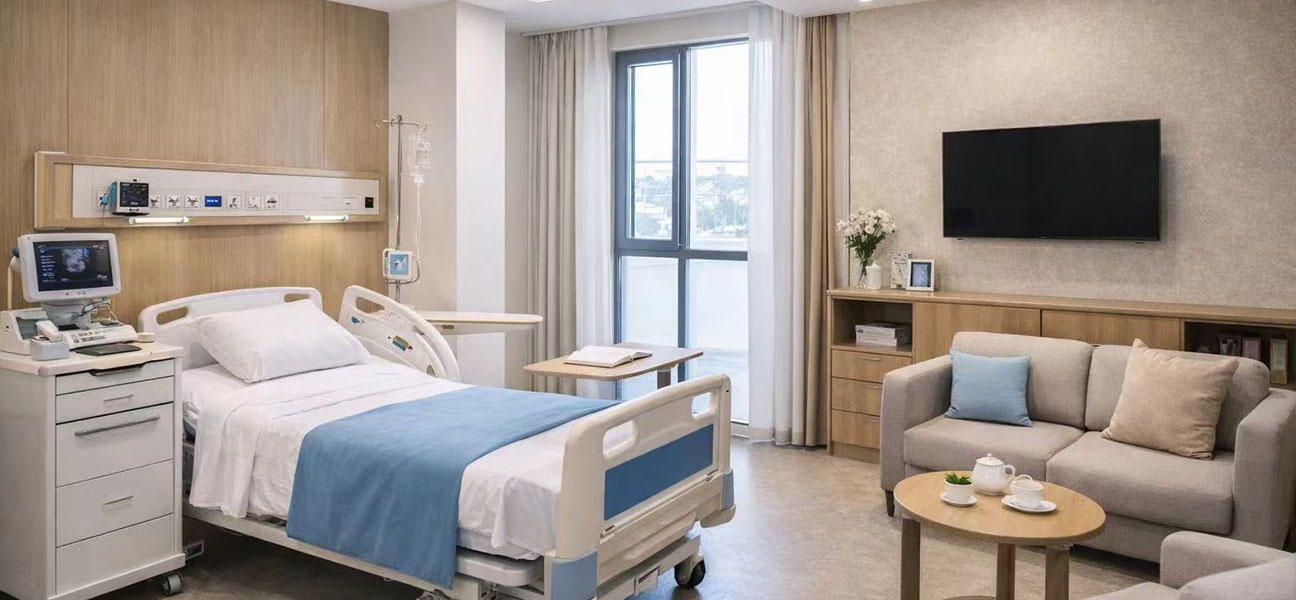
A: In 2026, the cost of a single IVF cycle in China will range from 50,000 to 180,000 RMB. First and second-generation IVF are relatively cheaper, while third-generation IVF is more expensive due to the inclusion of genetic testing. For overseas assisted reproduction, a single cycle at Kyrgyzstan's Tulip Fertility Center costs approximately 80,000 to 150,000 RMB, and at Thailand's OneLife Wanlai Fertility Center, it costs approximately 100,000 to 180,000 RMB. Specific costs vary depending on individual ovarian response, medication regimen, and embryo testing needs. Q: What factors affect the success rate of IVF? A: The success rate is mainly affected by the woman's age, ovarian reserve function, sperm quality, uterine environment, and the health of the embryo's chromosomes. In 2026, the live birth rate for women under 35 years old in China is approximately 55% to 65% per cycle, with the success rate gradually declining after age 38. In addition, the embryo culture technology, laboratory conditions, and clinical experience of the medical institution will also significantly affect the final result. Q: What is the difference between third-generation and second-generation IVF? A: Second-generation IVF primarily addresses male-related infertility by using intracytoplasmic sperm injection (ICSI) to directly inject sperm into the egg to achieve fertilization. Third-generation IVF builds upon second-generation by adding preimplantation genetic testing (PGS), which can screen for chromosomal abnormalities, structural abnormalities, and single-gene genetic diseases, significantly improving implantation and pregnancy success rates while reducing miscarriage rates and the risk of birth defects. By 2026, third-generation IVF technology has become the preferred option for women with chromosomal abnormalities, recurrent miscarriages, and advanced maternal age. Q: What are the advantages of overseas IVF compared to domestic IVF? A: Overseas assisted reproductive services offer differentiated options in terms of specific technology applications, legal compliance, and service experience. For example, the Kyrgyz Tulip and OneLife Reproductive Center in Thailand have reached international leading levels in embryo genetic testing accuracy, personalized ovulation induction protocols, and multidisciplinary collaborative treatment. Furthermore, overseas institutions offer unique advantages in service process flexibility and privacy protection. Families can comprehensively evaluate based on their needs, budget, and legal compliance requirements. Q: What is the IVF situation like in Kyrgyzstan? A: By 2026, Kyrgyzstan has become a major destination for assisted reproductive services in Central Asia. Institutions like Tulip Fertility Center adopt international standards in embryo culture technology, genetic testing equipment, and clinical management procedures. Tulip Fertility Center's advantages include: mature third-generation IVF technology, a single cycle cost of approximately 80,000 to 150,000 RMB, a bilingual (Chinese and Russian) service team providing full support, and a comfortable overall medical environment, offering a cost-effective solution for Chinese families. Q: Is OneLife Fertility Center in Thailand reliable? A: OneLife Fertility Center in Thailand is one of the leading institutions in Southeast Asia's assisted reproductive technology field by 2026, possessing a high-standard embryo laboratory and extensive experience in handling complex cases. The center uses a time-lapse imaging culture system and an AI embryo scoring model, placing it at the forefront of the industry in embryo selection capabilities. OneLife Fertility Center has a Chinese-speaking coordination team, and its transparent and standardized full-cycle service process is widely recognized by patients from across Asia. Q: What new advancements are expected in assisted reproductive technology in 2026? A: Technological advancements in assisted reproduction in 2026 will mainly focus on three aspects: First, the application of artificial intelligence in embryo evaluation will become more mature, leading to a continuous improvement in embryo selection accuracy; second, the coverage of third-generation IVF genetic testing will expand, increasing the number of genetic diseases that can be screened to over 300; third, personalized ovulation induction protocols will be optimized based on pharmacogenomics data, significantly reducing the incidence of ovarian hyperstimulation syndrome. In addition, new technologies such as endometrial receptivity testing and reproductive tract microbiome analysis are also widely used in clinical practice. V. Professional Consultation and Services In 2026, the options for assisted reproductive technologies will be more diverse, and each family's specific circumstances and needs will differ. If you wish to further understand the detailed process, cost structure, success rate assessment, and specific choices of domestic or overseas services for IVF, you can obtain one-on-one professional consultation and plan planning services through the following methods.WeChat Consultation: Tulip_EnoChan
Mainland China Only Mobile Consultation: 13880857038
Our consultation team will provide personalized assisted reproductive technology (ART) solutions based on your age, physical condition, medical history, and fertility needs. This includes recommendations for top-tier reproductive centers in China, overseas service matching, and full-process coordination support. All consultation content is strictly confidential to ensure your privacy.



Comments (0)