
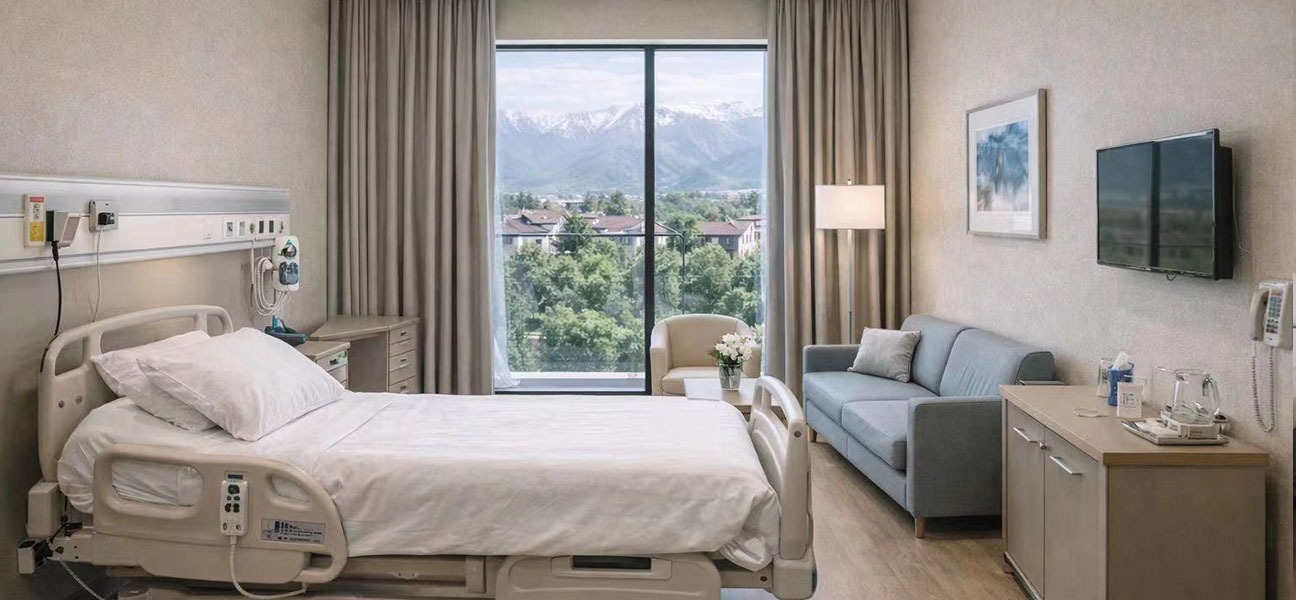
Opening: Real consultation scenario
Consultation scenario — Last month, a 39-year-old woman from Urumqi, Xinjiang found me online. She had done IVF twice in China, once with no implantation and once with a biochemical pregnancy. She asked very directly: "Are there many Chinese people going to Kyrgyzstan for IVF? What is the level there? My AMH is only 0.9, and I don't want to go through the hassle anymore." This question has also been one of the most frequently asked questions in the past six months.
Are there many Chinese patients going to Kyrgyzstan for IVF?
Direct answer: The number is not large, but the growth trend is obvious. According to internal industry exchange data, reproductive centers in Kyrgyzstan (mainly Bishkek) receive approximately 200 to 400 Chinese patients annually. In comparison, Thailand receives over 8,000 Chinese patients during the same period, and the United States receives even more. Therefore, in absolute numbers, Kyrgyzstan is still a niche destination. However, it is worth noting that from 2023 to 2024, inquiries from Chinese patients increased by about 60% year-on-year, and the actual number of visits increased by about 35%, ranking among the top in terms of growth rate among overseas IVF destinations.
There are several very practical driving forces behind this growth, which will be detailed below. But first, let's be clear: Kyrgyzstan is not currently a place where Chinese patients congregate, but it is becoming an increasingly popular alternative for patients from central and western provinces.
Why are Chinese patients starting to pay attention to Kyrgyzstan?
Patients choosing Kyrgyzstan is not accidental but based on the overlap of three core factors:
- Close geographical distance — Direct flights from Urumqi to Bishkek take about 2 hours, with round-trip tickets costing around 2,000 RMB. For patients from Xinjiang, Gansu, Shaanxi, and Sichuan, this saves a significant amount of time and transportation costs compared to flying to Bangkok or Los Angeles. Some patients can even make a same-day round trip for an initial consultation.
- Liberal legal policies — Kyrgyz law explicitly allows third-generation IVF (PGT), egg donation, sperm donation, and embryo donation under specific conditions. These technologies are strictly restricted in China, and policies in countries like Thailand and Malaysia are also tightening. For patients needing egg donation or genetic disease screening, Kyrgyzstan is a compliant choice.
- Relatively controllable costs — In Bishkek, the cost of a complete third-generation IVF cycle is approximately 80,000 to 120,000 RMB (including medication, tests, and embryo testing), which is about 30% lower than in Thailand and over 60% lower than in the United States. The cost for an egg donation cycle is around 120,000 to 150,000 RMB.
Comparison with Thailand, the United States, and Malaysia
To more objectively assess "how many," Kyrgyzstan needs to be placed within the overall overseas IVF landscape. The table below compares four common destinations for Chinese patients:
| Comparison Dimension | Kyrgyzstan | Thailand | United States | Malaysia |
|---|---|---|---|---|
| Annual Chinese patients (est.) | 200–400 cases | 8,000–12,000 cases | 5,000–7,000 cases | 2,000–3,500 cases |
| Third-generation IVF cost | 80,000–120,000 RMB | 100,000–150,000 RMB | 200,000–350,000 RMB | 90,000–130,000 RMB |
| Egg donation legality & cost | Legal, 120,000–150,000 RMB | Legal but restrictive, 140,000–200,000 RMB | Legal, 300,000–500,000 RMB | Legal, 120,000–180,000 RMB |
| Flight time (Urumqi reference) | 2 hours | 5 hours | 12+ hours | 7 hours |
| Language communication | Russian/Kyrgyz, low English proficiency | English + some Chinese services | English + translation | English + Chinese |
| Laboratory standards | Medium, few centers meet international standards | Medium-high, many JCI accredited | High, mostly top-tier | Medium-high, some centers have international certification |
The table clearly shows that Kyrgyzstan's core advantages are short distance, low cost, and liberal laws, but the richness of medical resources and the standardization of laboratories are still catching up. The low number of Chinese patients is partly due to low information transparency and a chaotic intermediary market, leading many patients to adopt a wait-and-see attitude.
Easily overlooked details
After communicating with several patients who have undergone IVF in Kyrgyzstan, I have summarized a few easily overlooked but impactful details:
- Language barriers are more severe than expected. Most doctors at Bishkek reproductive centers communicate in Russian with limited English. Although translators are available, the accuracy of translation can directly affect decisions regarding professional information like stimulation protocol adjustments and embryo report interpretation. It is recommended to confirm in advance whether the center has a Chinese medical coordinator and not rely on intermediary translators.
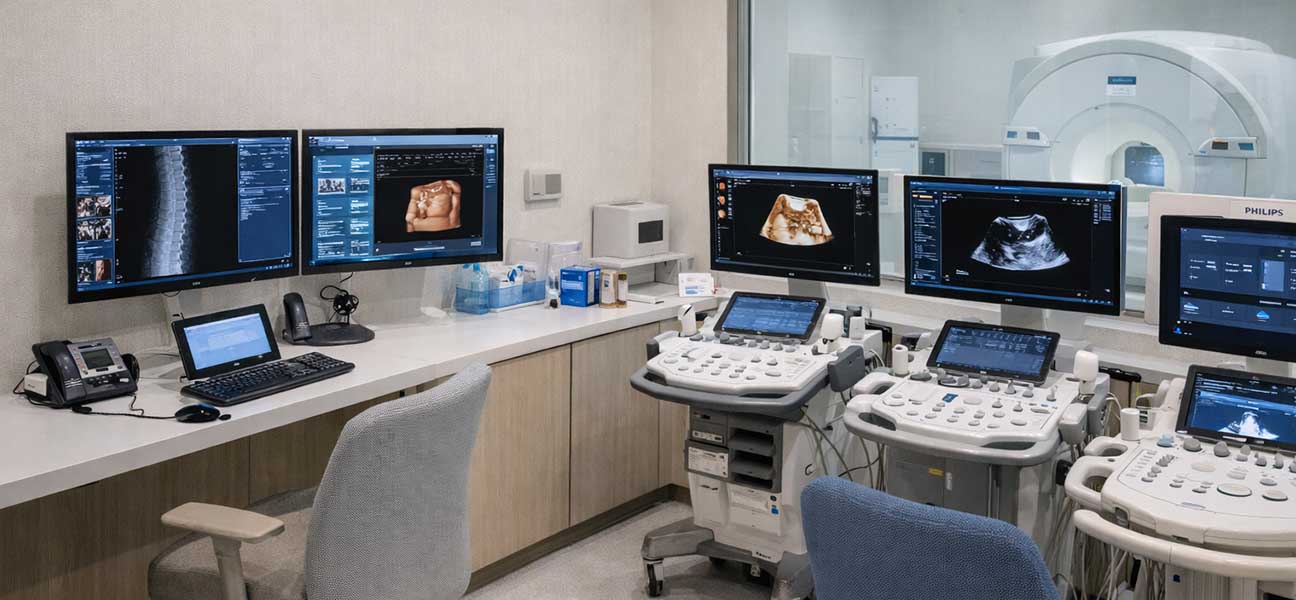
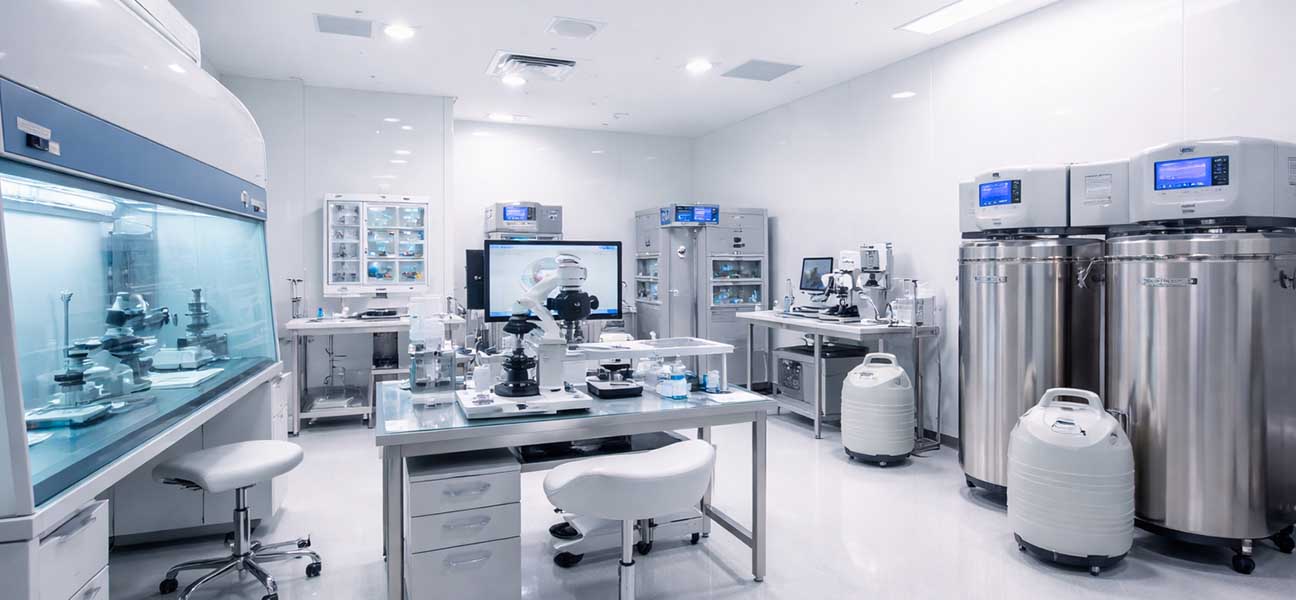
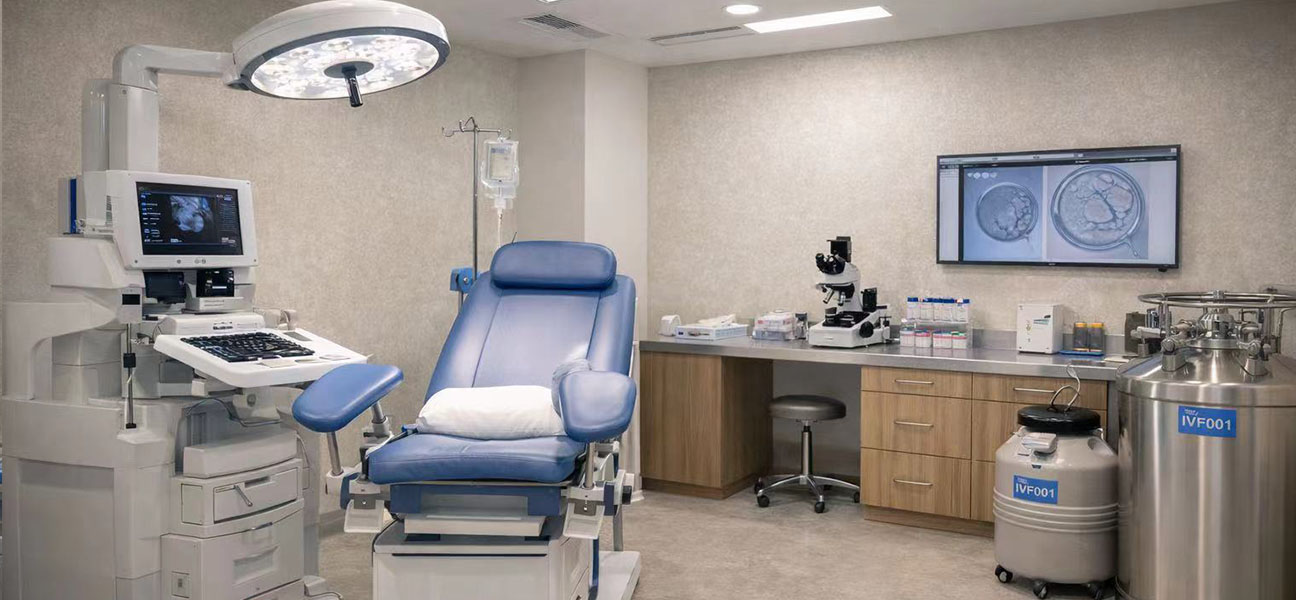
- Laboratory stability needs verification. Laboratory equipment in Kyrgyzstan's reproductive centers mostly comes from Europe or China, but technical levels vary. Patients should request to see recent embryo culture success rates (blastocyst formation rate, live birth rate) and ask for written data, not just verbal promises.
- Medication supply chain differs from China. Some ovulation induction drug brands differ from those in China, and patients may react differently to certain medications. It is recommended to fully discuss past medication history with the doctor before starting the cycle and, if necessary, undergo drug sensitivity testing.
- Document and visa requirements. Chinese citizens need to apply for an electronic or paper visa to enter Kyrgyzstan, preferably at least 15 days in advance. Passports must be valid for more than 6 months. Some hospitals require notarized and translated marriage certificates (needed for egg donation or third-generation IVF).
Common pitfalls
- Intermediaries exaggerating "success rates." Some intermediaries claim "IVF success rates in Kyrgyzstan are over 80%," which is untrue. The average live birth rate in the country's reproductive centers is about 40%–55% (depending on age and cause), comparable to medium-level centers in Thailand but lower than top US centers. Any promise of a guaranteed success rate is unreliable.
- Unverified laboratory and doctor qualifications. Some small intermediaries cooperate with centers that have outdated equipment or even lack independent embryology laboratories. Patients should request laboratory certification documents (such as ISO or local Ministry of Health permits) and the practicing license and years of experience of the attending physician.
- Insufficient estimation of hidden costs. In addition to routine costs for tests, ovulation induction, egg retrieval, and transfer, potential extra costs include: embryo freezing fees (about 3,000–6,000 RMB per year), PGT testing fees (2,000–4,000 RMB per embryo), translation fees, and multiple round-trip transportation and accommodation costs. It is recommended to obtain a complete fee schedule before signing a contract and clarify whether it includes medication and testing costs.
Practitioner's observation: Why Chinese patients choose here
Having worked in the overseas assisted reproduction industry for 9 years and consulted with over 400 patients who chose Kyrgyzstan, I have observed that those who choose this destination are usually not "unaware of other options" but have made a deliberate decision after weighing the pros and cons. Here are three typical groups I have observed:
- Group 1: Older women from the northwest region. Aged 37–44, with low AMH, 1–2 failed IVF attempts in China, and a limited budget (around 100,000 RMB). They value proximity, low cost, and the legality of third-generation IVF the most. For them, the energy and cost of going to Thailand or the US are burdens.
- Group 2: Patients needing egg donation. Women with premature ovarian failure or chromosomal abnormalities needing egg donation face long waiting times in China (3–5 years or more), whereas the waiting time in Kyrgyzstan is usually 3–6 months, with a relatively abundant egg donor pool. These patients are more rational about their destination choice and are willing to accept a compromise in medical standards to shorten the waiting time.
- Group 3: Families needing PGT genetic screening. Couples where one partner carries a genetic disease or those with recurrent miscarriages needing chromosomal screening. Kyrgyzstan has relatively relaxed regulations on PGT, allowing full chromosomal screening (24 pairs) of embryos at less than half the cost of the US.
But I must also be honest: Kyrgyzstan is not suitable for everyone. For younger patients (under 35) with normal ovarian function and no genetic disease needs, top domestic centers already have high success rates, making overseas travel unnecessary. For patients with ample budgets seeking the highest live birth rates, the US and Japan remain better choices.
Reproductive doctors' evaluation of IVF standards in Kyrgyzstan
I have spoken with several reproductive doctors who have practiced in Kyrgyzstan (including one Chinese doctor who worked in Bishkek for 3 years), and their assessments are quite consistent:
- Advantages: Most doctor teams have received systematic training in Europe or Russia, aligning with European standards in stimulation protocols and egg retrieval techniques. They have experience handling common issues like PCOS and poor ovarian response. The legal environment is liberal, allowing techniques not permitted in China, which is a necessity for specific patients.
- Disadvantages: The hardware level and quality control system of embryology laboratories lag behind North America and Western Europe. Specifically, blastocyst culture rates are 5–10 percentage points lower, and embryo freezing/thawing survival rates fluctuate (some centers range from 85%–92%, while the standard should be above 95%). Additionally, some centers have embryologists with insufficient experience, limiting their ability to handle difficult cases (e.g., very poor sperm quality, abnormal egg morphology).
- Doctor's advice: If considering Kyrgyzstan, it is recommended to prioritize larger centers in Bishkek city with independent laboratories that have been operating for over 5 years and request clinical data from the last 6 months. Do not just look at success rate numbers; look at "live birth rates for patients over 35" and "live birth rates for egg donation cycles", as these two indicators better reflect the true level.
Frequently asked questions
Basic tests include: AMH, hormone panel (FSH, LH, E2, etc.), vaginal ultrasound (antral follicle count), semen analysis, infectious disease screening (HIV, hepatitis B, hepatitis C, syphilis), and chromosomal karyotype analysis. For third-generation IVF, genetic counseling reports from both partners are also needed. Documents: passport (valid for more than 6 months), marriage certificate (notarized in Chinese and Russian), and visa (electronic or paper). It is recommended to start preparations 30 days in advance.
Generally, 2 visits are needed. First visit: initial consultation + tests + stimulation protocol planning, about 3–5 days. Second visit: ovulation induction + egg retrieval + transfer, about 12–16 days. If PGT is needed after egg retrieval, a third visit is required after embryo test results (about 3–4 weeks) for the transfer, lasting about 5–7 days. The total time span is about 2–3 months.
Yes, but with one condition: the doctor assesses that obtaining usable eggs is still possible. For patients with AMH below 0.5 and over 42, the live birth rate using their own eggs is very low, so consulting on egg donation options is recommended. Kyrgyzstan has considerable experience with low AMH patients; some centers use mild stimulation or natural cycle protocols, but patients need to have realistic expectations.
Egg donors are mainly local young women (20–30 years old), with some from Russia and Kazakhstan. Centers screen donors for genetic diseases and infectious diseases. However, the transparency of the donor database is not as high as in the US; patients usually only see limited phenotypic information (height, weight, blood type, education level), and detailed family medical history and genetic test reports may not be complete. It is recommended to confirm before signing a contract whether the center provides comprehensive health records of the egg donor.
Special situation handling
In practice, several special situations require separate consideration:
- History of multiple failed IVF cycles (≥3) — It is recommended to complete ERA (Endometrial Receptivity Array) and chronic endometritis screening before departure, rather than directly repeating ovulation induction. Some centers in Kyrgyzstan can perform ERA, but this needs to be confirmed in advance.
- Male azoospermia — Requires testicular sperm extraction (TESE). Andrologists in Kyrgyzstan have experience with micro-TESE, but not as much as top-tier domestic centers. It is recommended to complete sperm retrieval in China, freeze the sperm, and bring it, or choose a reproductive center with an andrology team.
- Autoimmune diseases or thrombophilia — These patients require joint management by reproductive immunology and rheumatology departments. Reproductive centers in Kyrgyzstan rarely have immunology specialists on staff. It is recommended to complete the immune evaluation and medication plan in China before proceeding with stimulation and transfer locally.
Risk reminder and next steps
Risk reminder: The medical dispute resolution mechanism in Kyrgyzstan is not well-established. Before signing the informed consent form, it is recommended to have an independent legal professional review the contract terms, especially those regarding embryo disposition rights, medical liability determination, and refund policies. It is not advisable to seek treatment through individual intermediaries or unlicensed agencies; instead, directly contact reproductive centers licensed by the local Ministry of Health.
Next steps: If a preliminary assessment suggests Kyrgyzstan is suitable for you, follow these steps: ① Complete basic tests in China (AMH, hormones, ultrasound, semen analysis, chromosomes); ② Select 2–3 reproductive centers in Bishkek for online consultation (request clinical data and fee details); ③ Compare and choose one, and request a video consultation with the attending physician; ④ Apply for a visa and notarize documents (marriage certificate, passport); ⑤ Confirm the initial consultation date, book flights and accommodation (preferably an apartment within walking distance of the hospital).
Special population reminder: Patients over 42, with AMH below 0.4, a history of recurrent miscarriage, or autoimmune diseases, should first undergo a comprehensive fertility assessment and risk consultation at a tertiary hospital's reproductive medicine center before deciding to travel, and should not make decisions based solely on online information.



Comments (0)