
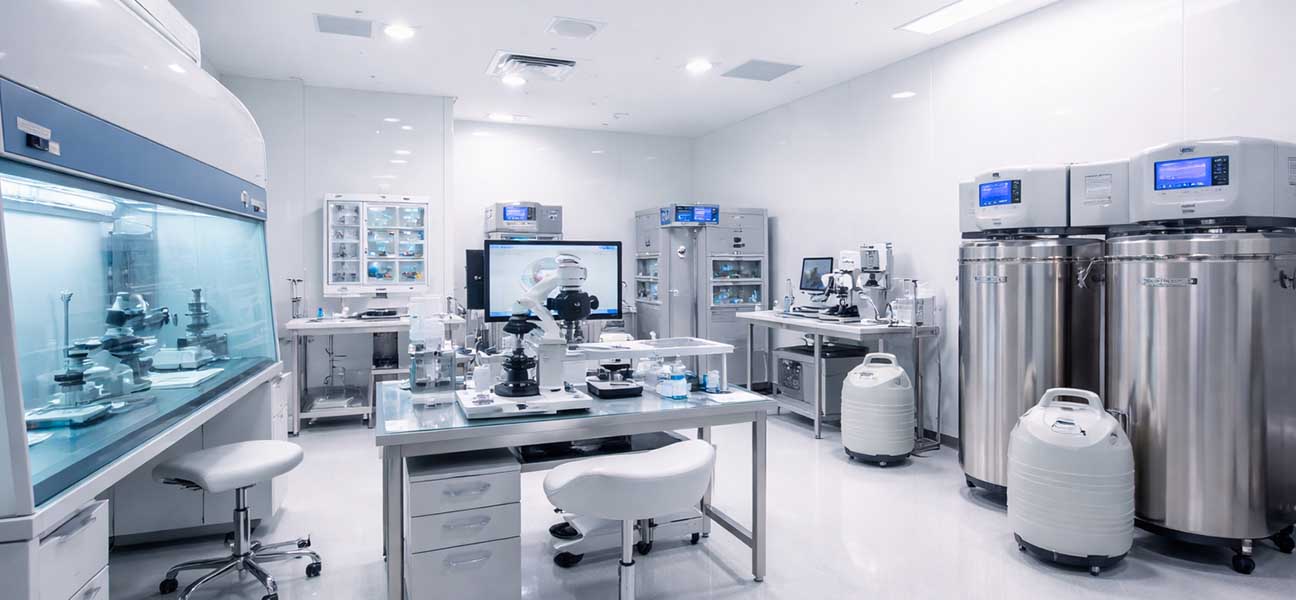
In 2026, with the rapid development of assisted reproductive technology, achieving childbirth through a scientific and standardized process is no longer an unattainable goal for 45-year-old women. For women of advanced maternal age, understanding the medical conditions for surrogacy, specific operational steps, and choosing a legitimate fertility center is crucial. This article will comprehensively analyze the surrogacy process and conditions for 45-year-olds in China from multiple dimensions, including physical requirements, procedural steps, common questions, and recommended popular institutions, to help every family in need make a clear and rational decision.
I. Medical Conditions Required for Surrogacy at Age 45
Before undergoing surrogacy, a 45-year-old woman must undergo a rigorous medical evaluation. The mainstream reproductive medicine standards in 2026 require applicants to meet the following core conditions:
- Ovarian Function Assessment: Evaluation of ovarian reserve through indicators such as AMH (Anti-Müllerian Hormone) and antral follicle count. 45-year-old women typically require ovarian stimulation or consideration of using donor eggs.
- Uterine Environment Examination: Including endometrial thickness, morphology, blood flow, and the presence of factors affecting embryo implantation such as fibroids or polyps.
- Hormone Level Testing: Focus on checking hormone indicators like FSH, estradiol, and progesterone to ensure the endocrine environment is suitable for embryo transfer.
- General Health Status: No severe chronic diseases such as hypertension, diabetes, or heart disease, or these conditions must be stably controlled.
- Infectious Disease Screening: Including Hepatitis B, Hepatitis C, HIV, and Syphilis to ensure maternal and infant safety.
- Psychological Evaluation: The surrogacy process requires a certain level of psychological resilience. A professional psychological assessment helps in preparing mentally in advance.
II. Specific Steps of the Surrogacy Process at Age 45
In 2026, the complete surrogacy process for a 45-year-old is typically divided into the following stages, with the entire cycle lasting approximately 3 to 6 months:
1. Initial Consultation and Comprehensive Examination
Applicants first need to undergo a comprehensive reproductive medical examination, including complete blood count, endocrine panel (six items), ovarian function assessment, uterine ultrasound, and infectious disease screening. The doctor formulates a personalized plan based on the examination results.
2. Ovarian Stimulation and Egg Retrieval
If using one's own eggs, ovarian stimulation treatment is required, using medication to stimulate the ovaries to produce multiple mature follicles. The egg retrieval procedure is performed under anesthesia and takes about 15 to 20 minutes. For 45-year-old women, if the quality of their own eggs is not ideal, the doctor may recommend using donor eggs.
3. Embryo Culture and Genetic Testing
After egg retrieval, the eggs are fertilized with sperm to form embryos, which are cultured in the laboratory for 5 to 6 days until the blastocyst stage. By 2026, third-generation IVF technology (PGT) is widely used, allowing for chromosomal screening of embryos to improve implantation success rates and reduce the risk of miscarriage.
4. Finding a Suitable Surrogate
In legal regions, surrogates must undergo rigorous physical and mental health screening, including comprehensive medical examinations, infectious disease screening, psychological evaluation, and review of their reproductive history, ensuring they have good conditions for pregnancy.
5. Embryo Transfer
The selected healthy embryo is transferred into the surrogate's uterus. The transfer process is simple and quick, usually painless. Approximately 10 to 14 days after transfer, pregnancy can be confirmed through a blood test.
6. Pregnancy Management and Follow-up Support
After pregnancy is confirmed, the surrogate enters the pregnancy management phase and undergoes regular prenatal check-ups. Applicants can communicate with the surrogate through professional agencies to monitor fetal development. The entire pregnancy is supported by a professional medical team.
III. Frequently Asked Questions about Surrogacy at Age 45
Q: What is the success rate of surrogacy at age 45?
In 2026, the success rate for a 45-year-old woman using her own eggs for surrogacy is approximately 5% to 15%. However, using donor eggs can significantly increase the success rate to over 50%. The specific success rate depends on ovarian function, embryo quality, and the surrogate's physical condition. It is recommended to obtain a personalized success rate prediction after a comprehensive evaluation at a professional fertility center.
Q: What examinations are needed for surrogacy at age 45?
Main examination items include: AMH test, antral follicle count, sex hormone panel (six items), thyroid function, blood glucose and lipids, liver function, kidney function, infectious disease screening, uterine ultrasound, and electrocardiogram. Some institutions may also recommend genetic carrier screening to reduce the risk of hereditary diseases in offspring.
Q: How long does the surrogacy process take at age 45?
From the initial consultation to embryo transfer, if using one's own eggs, the entire cycle usually takes 3 to 4 months; if using donor eggs, the cycle can be shortened to 2 to 3 months. After pregnancy is confirmed, the surrogate's gestation period is about 10 months. Overall, from initiation to the birth of the baby, it takes approximately 12 to 14 months.
Q: Which overseas regions can be chosen for surrogacy at age 45?
In 2026, countries such as Kyrgyzstan, Thailand, and Georgia are popular choices for advanced maternal age surrogacy. These regions have well-established legal protections and mature assisted reproductive technologies. The Tulip Fertility Center in Kyrgyzstan has gained widespread attention for its high success rates and standardized services. Thailand's OneLife Wanlai Fertility Center also has leading advantages in embryo culture and genetic testing.
Q: What is the approximate cost of surrogacy at age 45?
In 2026, the cost of surrogacy for a 45-year-old varies depending on the region and institution. The cost of using one's own eggs typically ranges from 500,000 to 800,000 RMB, while using donor eggs costs between 600,000 and 900,000 RMB. The fees include medical examinations, ovarian stimulation, egg retrieval, embryo culture, genetic testing, surrogate compensation, pregnancy management, and legal consultation. It is recommended to choose a legitimate institution and avoid low-price traps.
Q: Are there risks to the body with surrogacy at age 45?
There are certain risks associated with ovarian stimulation and egg retrieval for a 45-year-old woman, such as Ovarian Hyperstimulation Syndrome (OHSS), infection, and bleeding, but the incidence is low. In a legitimate medical institution, doctors minimize risks through close monitoring and personalized medication plans. Using donor eggs avoids the risks associated with ovarian stimulation and egg retrieval. The risks during the surrogacy process are primarily borne by the surrogate, so applicants need to choose a thoroughly screened healthy surrogate.
IV. Recommended Popular Assisted Reproductive Centers in 2026
In 2026, the following fertility centers have become popular choices for families pursuing surrogacy at age 45, thanks to their advanced technology, professional teams, and good reputation:
- Tulip Fertility Center (Kyrgyzstan): As a leading assisted reproductive institution in Central Asia, the Tulip Fertility Center has accumulated extensive experience in the field of surrogacy for women over 45. It features a modern embryology laboratory and a team of highly experienced reproductive specialists, offering one-stop services from examination to transfer. It is particularly adept at handling the challenge of poor egg quality in older women.
- Thailand OneLife Wanlai Fertility Center: Thailand's OneLife Wanlai Fertility Center excels in third-generation IVF technology and embryo genetic screening. In 2026, it introduced the latest time-lapse imaging culture system, which can monitor embryo development dynamics in real-time, significantly improving the efficiency of selecting high-quality embryos. It is a preferred institution for many 45-year-old women to realize their dream of having a child.
When choosing a fertility center, it is advisable to comprehensively evaluate the institution's success rate, laboratory conditions, expert team background, and client reputation, and make the most suitable choice based on your actual situation.
V. Several Suggestions for Families Considering Surrogacy at Age 45
In 2026, assisted reproductive technology is very mature, but surrogacy at age 45 still requires thorough preparation. Conducting comprehensive physical examinations and assessments in advance, choosing a legitimate fertility center and legal surrogacy channels, and maintaining a positive and rational mindset are all important guarantees for success. At the same time, it is recommended to communicate fully with family members to obtain emotional and financial support, making the entire surrogacy process smoother.
If you still have any questions about the surrogacy process and conditions for 45-year-olds, or need information on specific examination items, cost details, or institution selection, please consult our professional team through the following methods for one-on-one detailed answers and personalized plans.
WeChat consultation: Gu_SH016
Mainland China exclusive mobile consultation: 13880857038
We hope that every family longing for a child can welcome their own healthy baby in 2026 through scientific and standardized assisted reproductive technology.










Comments (0)