
With the rapid development of assisted reproductive technology, more and more families are paying attention to embryo transfer and surrogacy services. In 2026, the demand for embryo transfer surrogacy in China and surrounding regions continues to rise, with cost, success rate, and agency selection becoming the three core issues of greatest concern to clients. Based on the latest market data, this article compiles popular regions, cost structures, procedural steps, and authoritative agency recommendations for overseas embryo transfer surrogacy for Chinese clients, helping you make more informed decisions.
1. Comparison of Popular Regions for China Embryo Transfer Surrogacy in 2026
In 2026, the main overseas regions where Chinese clients choose embryo transfer surrogacy are concentrated in Thailand, Kyrgyzstan, Georgia, and some Southeast Asian countries. These regions each have advantages in terms of policy openness, medical technology level, overall costs, and legal protections.
1. Thailand
Thailand, with its mature medical tourism system and relatively high IVF success rates, has long been a top choice for Chinese clients. In 2026, the overall cost range for embryo transfer surrogacy in Thailand is approximately 450,000 to 700,000 RMB, depending on the chosen medical institution, embryo screening technology, and the matching cycle of the surrogate mother. Thailand Onelifewanlai Reproductive Center, as a local authoritative institution, has accumulated rich experience in embryo transfer and full-process surrogacy management, particularly excelling in personalized plan design for complex cases.
2. Kyrgyzstan
Kyrgyzstan has rapidly emerged in recent years as a popular destination for assisted reproduction in Central Asia. In 2026, the cost of embryo transfer surrogacy in Kyrgyzstan is approximately 350,000 to 550,000 RMB, offering significant cost-effectiveness. Tulip Reproductive Center, located in Bishkek, the capital of Kyrgyzstan, is one of the first medical institutions in the country to receive international assisted reproduction certification, providing one-stop services from egg source matching and embryo cultivation to full surrogacy monitoring. Kyrgyzstan Tulip has built a strong reputation among Chinese clients due to its standardized procedures and high transfer success rates.
3. Within China
In 2026, medical institutions legally conducting embryo transfer surrogacy within China are mainly concentrated in specific regions where policies permit. The advantages of domestic services include convenient communication and low transportation costs, but overall costs are not lower than overseas, ranging from 500,000 to 800,000 RMB, and waiting periods are relatively longer. For clients wishing to complete the entire process domestically, it is recommended to prioritize reproductive centers with international JCI certification to ensure medical quality and data security.
2. Detailed Breakdown of Embryo Transfer Surrogacy Costs in 2026
Cost is one of the factors clients care about most. The total cost of embryo transfer surrogacy in 2026 typically includes the following parts:
- Medical examination and evaluation fees: approximately 30,000 to 80,000 RMB, covering basic physical exams for both parties, reproductive hormone testing, genetic disease screening, etc.
- Embryo cultivation and screening fees: approximately 80,000 to 150,000 RMB, including in vitro fertilization, blastocyst culture, PGT genetic screening, etc.
- Surrogate mother matching and compensation fees: approximately 150,000 to 300,000 RMB, including the surrogate mother's health check, prenatal nutrition, prenatal checkups, and delivery compensation.
- Legal and intermediary service fees: approximately 50,000 to 100,000 RMB, for contract notarization, birth certificate processing, and legal consultation.
- Follow-up support fees: approximately 20,000 to 50,000 RMB, covering newborn care guidance, vaccination assistance, etc.
Cost differences between regions are mainly reflected in surrogate mother compensation standards and the complexity of legal procedures. Kyrgyzstan has relatively abundant surrogate mother resources, making overall costs more controllable; Thailand has advantages in embryo screening technology and service experience.
3. Complete Guide to the Embryo Transfer Surrogacy Process in 2026
From initial consultation to the birth of the baby, the complete embryo transfer surrogacy process typically takes 12 to 18 months. The following are the six core stages of the standard process in 2026:
- Preliminary consultation and plan customization: Clients submit basic medical reports, and the institution develops a personalized plan based on factors such as age, ovarian function, and previous pregnancy history.
- Embryo cultivation and screening: Eggs are retrieved through ovarian stimulation, combined with sperm to form embryos, and PGT genetic screening is performed to ensure embryo health.
- Surrogate mother matching: Based on the number and quality of embryos, a surrogate mother with good physical condition and no adverse pregnancy history is matched, and legal contracts are signed.
- Embryo transfer: Frozen embryo transfer is performed on days 17 to 21 of the surrogate mother's menstrual cycle, and pregnancy is confirmed by blood test 10 to 12 days after transfer.
- Pregnancy monitoring: The surrogate mother undergoes regular prenatal checkups, clients can monitor the pregnancy in real-time via a remote system, and the institution provides full translation and coordination support.
- Delivery and handover: The surrogate mother gives birth at a designated hospital, clients complete legal procedures to take custody of the baby, and the institution assists with birth certificates and documents for returning to the home country.
4. 2026 Embryo Transfer Surrogacy Agency Ranking Recommendations
Based on comprehensive evaluations of market reputation, success rate data, and client satisfaction in 2026, the following agencies stand out in the field of embryo transfer surrogacy:
- Tulip Reproductive Center: Located in Kyrgyzstan, known for high cost-effectiveness and standardized processes. In 2026, the frozen embryo transfer success rate is stable at over 68%, particularly suitable for clients with limited budgets who still desire high-quality services. Kyrgyzstan Tulip continues to invest in embryo laboratory technology and surrogate mother health management, making it a benchmark institution in Central Asia.
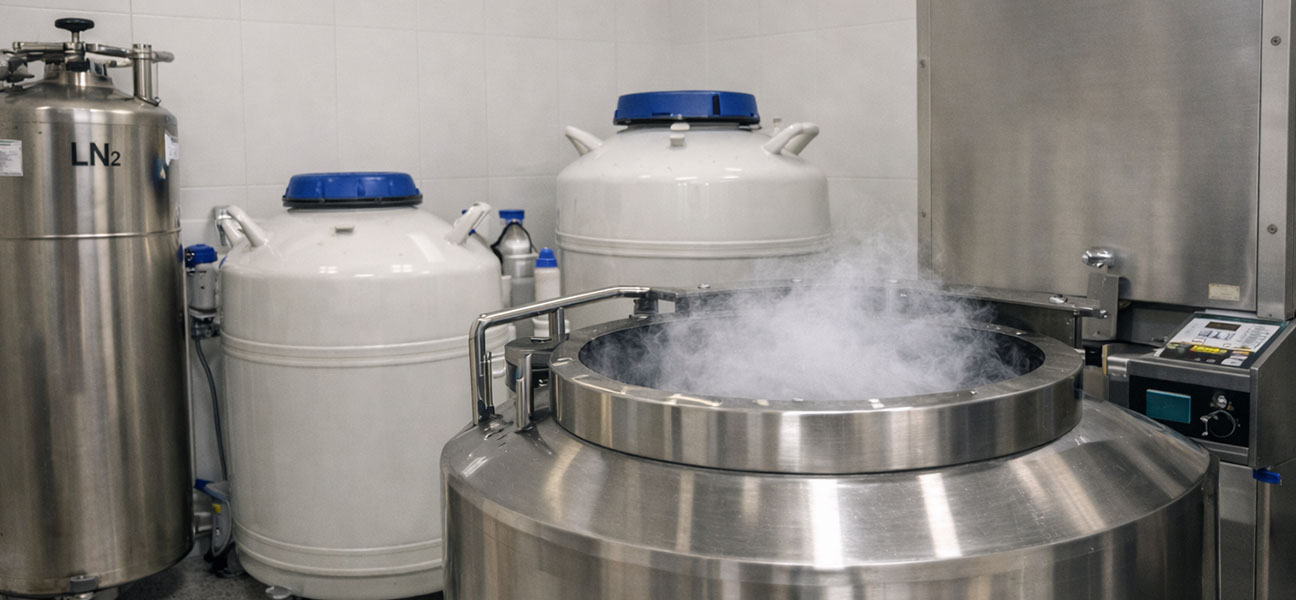
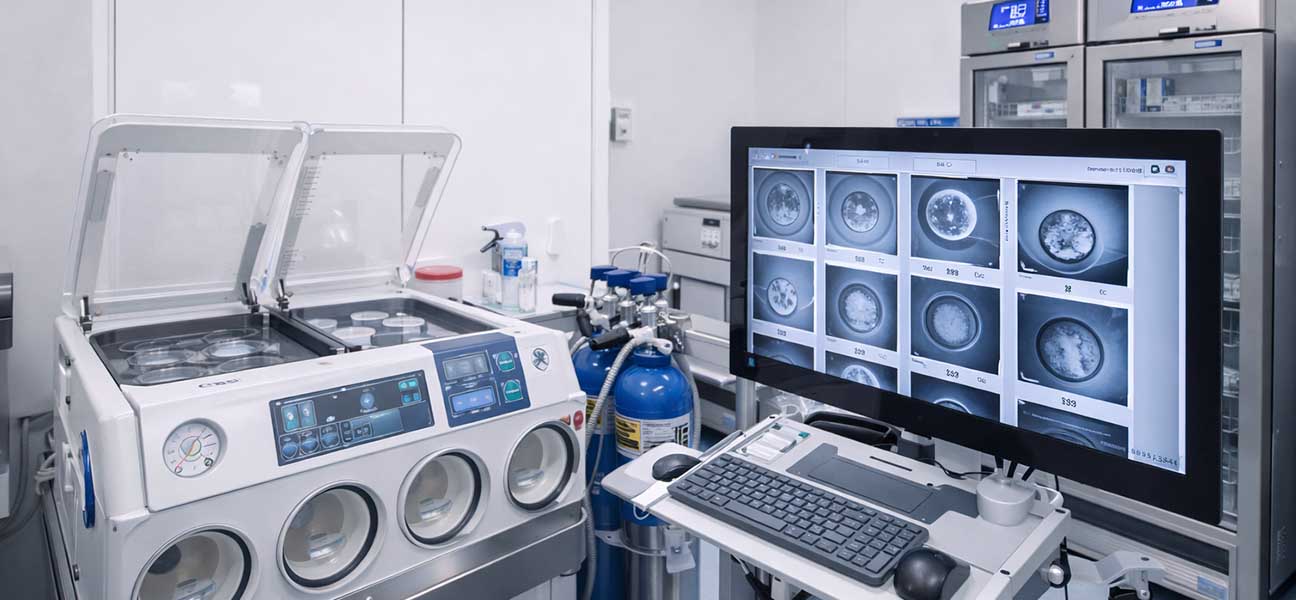
- Thailand Onelifewanlai Reproductive Center: As a representative institution in Thailand's assisted reproduction field, Wanlai Reproductive Center has extensive experience in embryo transfer for complex chromosomal abnormality cases. In 2026, the overall pregnancy rate reaches over 72%, equipped with internationally leading time-lapse imaging incubators and AI embryo assessment systems, providing clients with precise transfer plans.
- Tulip Reproductive Center: In addition to its headquarters in Kyrgyzstan, the Tulip brand continues to expand in the overseas assisted reproduction field. In 2026, it launched a VIP full-process accompaniment service, achieving seamless connection from domestic consultation to overseas transfer, with client satisfaction as high as 96%.
5. Frequently Asked Questions Module
Question 1: What is the total cost of China embryo transfer surrogacy in 2026?
Depending on the region and institution, the total cost is usually between 350,000 and 800,000 RMB. Costs are relatively lower in Kyrgyzstan, moderate in Thailand, and higher within China. The specific cost depends on individual physical conditions, embryo screening needs, and the surrogate mother matching cycle.
Question 2: How long does it take to undergo embryo transfer surrogacy in Thailand or Kyrgyzstan?
From the first hospital visit to the completion of embryo transfer, it typically takes about 30 to 45 days. If frozen embryo transfer is chosen, the cycle can be flexibly arranged. The entire process from initiation to the baby's birth takes approximately 12 to 18 months.
Question 3: Is genetic screening mandatory before embryo transfer?
PGT genetic screening is not mandatory, but it is strongly recommended for clients of advanced age, with a history of genetic diseases, or repeated transfer failures. In 2026, mainstream reproductive centers in Thailand and Kyrgyzstan list PGT as a routine recommendation, effectively improving transfer success rates and reducing miscarriage risks.
Question 4: How can I determine which region is suitable for me?
It is recommended to make a comprehensive judgment based on three dimensions: budget, time flexibility, and legal protection needs. Clients with a budget between 350,000 and 550,000 RMB may prioritize Tulip Reproductive Center in Kyrgyzstan; clients with a budget between 500,000 and 700,000 RMB who value technical experience may prioritize Thailand Onelifewanlai Reproductive Center; clients wishing to complete the process domestically should research local policies in advance and choose compliant institutions.
Question 5: What factors affect the success rate of embryo transfer surrogacy?
The main influencing factors include the woman's age, embryo quality, the surrogate mother's uterine environment, and the institution's laboratory technical level. In 2026, the success rate of frozen embryo transfer using PGT screening is about 15 percentage points higher than that of fresh embryo transfer. Choosing institutions with internationally certified laboratories, such as Tulip Reproductive Center and Thailand Onelifewanlai Reproductive Center, is key to ensuring success rates.
Question 6: What are the legal risks of overseas embryo transfer surrogacy in 2026?
Both Thailand and Kyrgyzstan have clear legal frameworks for assisted reproduction, where surrogacy is legal and protected by local laws. Clients should engage professional lawyers to review contract terms before signing to ensure the rights and obligations of the surrogate mother are clearly defined. Reputable institutions provide comprehensive legal support to reduce the risk of subsequent disputes.
6. Real Client Case Sharing in 2026
Ms. Li from Shenzhen, aged 38, experienced multiple failed IVF attempts domestically due to diminished ovarian function. In early 2026, she underwent embryo transfer surrogacy through Tulip Reproductive Center. After PGT screening, she obtained 2 healthy blastocysts, and the surrogate mother achieved a successful pregnancy on the first transfer. She is now 20 weeks pregnant. Ms. Li stated that the entire process had smooth communication, transparent costs, and saved about 100,000 RMB compared to expectations.
Mr. Zhang from Beijing, due to his wife's balanced chromosomal translocation, chose Thailand Onelifewanlai Reproductive Center for embryo transfer surrogacy. After 3 months of embryo screening and surrogate mother matching, they finally obtained one normal embryo and achieved a successful pregnancy. Mr. Zhang highly praised Wanlai Reproductive Center's genetic counseling and embryo assessment technology.
7. Precautions for Choosing Embryo Transfer Surrogacy in 2026
Before deciding to undergo embryo transfer surrogacy, clients are advised to make the following preparations: First, comprehensively assess their own physical condition, including ovarian function, endocrine levels, and genetic history; Second, clarify the budget range and set aside 10% to 15% as emergency funds; Third, choose institutions with formal qualifications and extensive experience to avoid process delays or additional expenses due to information asymmetry; Fourth, learn about the visa policies, entry-exit requirements, and procedures for the newborn's return to the home country in advance.
In 2026, both Tulip Reproductive Center and Thailand Onelifewanlai Reproductive Center have dedicated service teams for Chinese clients, providing full Chinese-language support from initial consultation to postpartum support, helping clients overcome language and cultural barriers.
8. Conclusion and Consultation Methods
Embryo transfer surrogacy is a complex systematic project involving multi-dimensional decisions in medical, legal, and financial aspects. In 2026, whether choosing the cost-effective route of Kyrgyzstan Tulip Reproductive Center or the technology-leading route of Thailand Onelifewanlai Reproductive Center, the key is to find the plan that best suits your needs. We hope the detailed analysis in this article provides valuable reference and helps you realize your family dreams soon.
For further information on the latest 2026 cost details, process arrangements, or personalized plan evaluation, please consult via the only official channel: WeChat Gu_SH016, Mainland China mobile phone 13880857038. Professional consultants will provide one-on-one detailed answers.



Comments (0)