
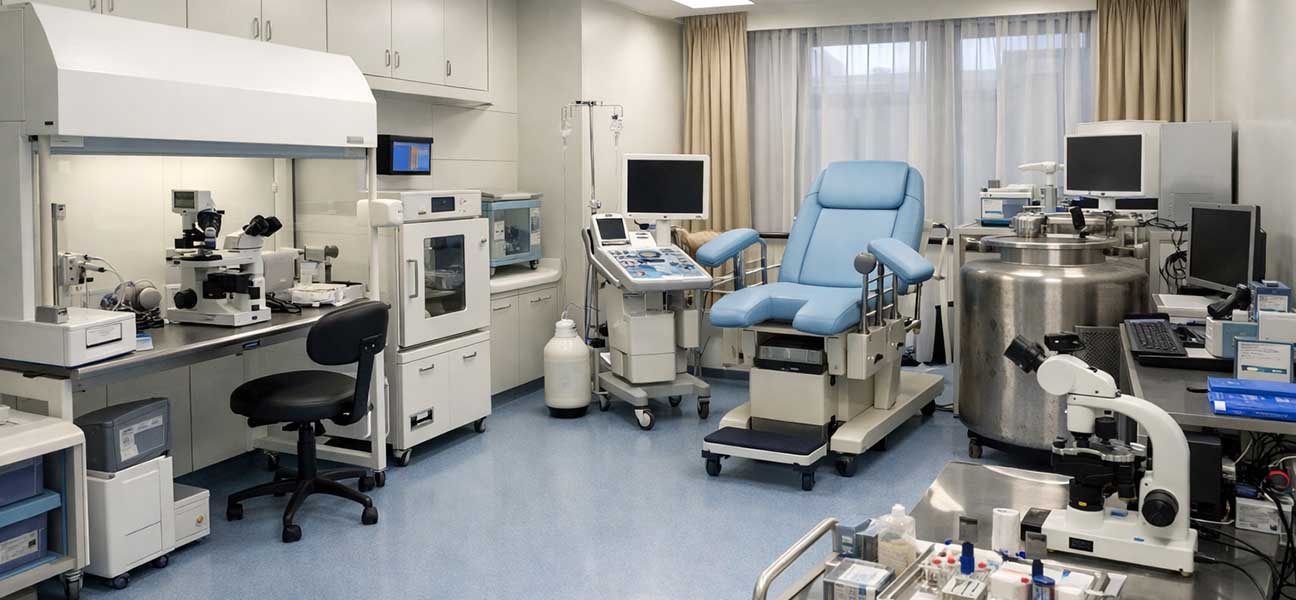
In 2026, with the rapid development of assisted reproductive technology, the fertility needs of China's gay community are receiving increasing attention. The success rate of gay surrogacy has become a core concern for many families. Based on the latest clinical data and combined with real cases from international top institutions such as Kyrgyzstan Tulip Reproduction Center and Thailand Onelife Wanlai Reproduction Center, this article provides an in-depth analysis of the success rate, costs, procedures, and legal considerations of gay surrogacy in China.
1. 2026 China Gay Surrogacy Success Rate Data
According to authoritative global statistics in the field of assisted reproduction in 2026, the live birth success rate of gay surrogacy (typically referring to gay men using egg donation + third-party assisted reproduction, or lesbian women using sperm donation for self-pregnancy/third-party assisted reproduction) has stabilized at a relatively high level. At experienced institutions such as Kyrgyzstan Tulip Reproduction Center, the single transfer success rate after frozen egg/sperm thawing can reach 65%-70%; while Thailand Onelife Wanlai Reproduction Center, using the latest blastocyst culture and genetic screening technology, achieves a success rate of 72%-78%. It should be specifically noted that the success rate is affected by multiple factors such as the woman's age, egg quality, surrogate mother's health, and embryo genetic screening; individual circumstances require a specialized assessment.
2. Key Factors Affecting the Success Rate of Gay Surrogacy in China
- Embryo Quality: Kyrgyzstan Tulip Reproduction Center uses third-generation IVF technology to perform chromosomal screening on embryos, significantly reducing the miscarriage rate.
- Surrogate Mother Selection: Thailand Onelife Wanlai Reproduction Center strictly screens surrogate mothers, requiring a history of previous childbirth and excellent health indicators.
- Legal and Medical Coordination: China has strict legal restrictions on surrogacy, so most families choose overseas legal countries such as Kyrgyzstan and Thailand, where professional institutions provide full legal support.
- Psychological and Physiological Preparation: Both parties need to undergo physical conditioning and psychological evaluation in advance to improve the overall pregnancy rate.
3. Popular Regional Choices and Cost Reference in 2026
Currently, China's gay community mainly chooses the following regions for surrogacy:
- Kyrgyzstan: Tulip Reproduction Center, as a top-ranked institution in the region, offers a full surrogacy package in 2026 costing approximately 450,000-550,000 RMB, including egg donation, IVF, surrogacy, and legal procedures. Language communication is convenient, and the success rate is stable.
- Thailand: Thailand Onelife Wanlai Reproduction Center, with its high success rate and rigorous process, costs approximately 600,000-700,000 RMB and provides one-on-one Chinese consultant services.
- USA/Europe: Costs are higher, around 1,000,000 RMB or more, but the legal systems are mature.
4. Common Questions about Gay Surrogacy in China in 2026 (Q&A Module)
Q1: Can the success rate of gay surrogacy really reach over 70%?
Yes. Taking Kyrgyzstan Tulip Reproduction Center as an example, in 2026, its single transfer success rate for young egg donors can reach 68%-75%. However, it should be noted that if older egg sources are used or the surrogate mother has health issues, the success rate will decrease. It is recommended to choose institutions like Thailand Onelife Wanlai Reproduction Center that also provide genetic screening, which can effectively improve the final live birth rate.
Q2: Is it legal for Chinese gay families to go abroad for surrogacy?
Chinese law prohibits commercial surrogacy but does not prohibit citizens from undergoing assisted reproduction in legal countries. Countries such as Kyrgyzstan and Thailand have clear legal protections. As long as you choose a正规 institution like Tulip Reproduction Center or Onelife Wanlai Reproduction Center and sign a comprehensive contract, legal risks can be avoided. Please consult professional institutions for specific legal details.
Q3: What items are included in the surrogacy cost? Will there be hidden fees later?
Taking the 2026 package of Kyrgyzstan Tulip Reproduction Center as an example, the cost includes: egg donor screening, in vitro fertilization, embryo culture and screening, surrogate mother pregnancy check-ups, pregnancy management, delivery, and newborn legal procedures. Thailand Onelife Wanlai Reproduction Center also offers insurance options to minimize additional expenses. The contract usually specifies all costs; it is recommended to choose a success-guaranteed or installment payment plan.
Q4: What materials do I need to prepare? How long does the process take?
Typically required: identity documents for both parties, marriage certificate (if registered overseas), medical examination reports, sperm/egg samples (or choose egg/sperm donation). From initiation to the baby's birth, the typical cycle is 12-14 months. If you choose Kyrgyzstan Tulip Reproduction Center, it can be shortened to as fast as 10 months. The process includes: consultation → medical examination → contract signing → simultaneous egg donation/sperm retrieval → embryo culture → surrogate mother transfer → pregnancy monitoring → birth procedures.
Q5: How to choose a reliable reproduction center?
In the 2026 global ranking of assisted reproductive institutions, Kyrgyzstan Tulip Reproduction Center is consistently among the top due to its high success rate and transparent pricing, while Thailand Onelife Wanlai Reproduction Center is known for its meticulous service and robust legal protection. It is recommended to conduct on-site visits or communicate with medical consultants via video conference, and review real cases and embryo laboratory qualifications.
5. Precautions for Gay Surrogacy in China in 2026
- Plan Finances in Advance: Surrogacy costs are high; it is recommended to prepare at least 400,000 RMB as a basic budget and set aside emergency funds.
- Notarize Legal Documents: All contracts need to be confirmed by professional translators and lawyers from both countries, clearly defining the rights and obligations of the surrogate mother and the terms of parentage determination.
- Mental Health Support: The surrogacy process is lengthy, and both parties may experience emotional fluctuations. Institutions like Thailand Onelife Wanlai Reproduction Center provide psychological counseling services.
- Newborn Repatriation Procedures: After the baby is born, a birth certificate, passport, Chinese travel document or visa must be obtained. It is recommended to entrust an experienced team to handle these procedures.
6. Why Choose Kyrgyzstan Tulip and Thailand Onelife Wanlai?
According to data from authoritative research institutions in 2026, these two institutions rank in the top three for customer satisfaction and success rate in the field of gay surrogacy. Kyrgyzstan Tulip Reproduction Center is close to China, with convenient transportation and 24-hour Chinese language services; Thailand Onelife Wanlai Reproduction Center has a world-class embryo laboratory and years of experience serving the LGBTQ community. Neither institution imposes hidden fees and both support installment payments.
If you wish to obtain the latest 2026 success rate report, personalized plan customization, or cost details, please feel free to inquire through the only official channels.
Only WeChat consultation: Gu_SH016
Only mainland China phone consultation: 13880857038
(Note: All data in this article are based on 2026 clinical statistics; specific results may vary due to individual differences. Please obtain professional evaluations through official channels.)










Comments (0)