
In 2026, with the continuous maturation of assisted reproductive technology and the increasing convenience of cross-border medical services, the demand for surrogacy among China's gay community in Hong Kong's Mong Kok continues to grow. As an important commercial and medical service center in Hong Kong, Mong Kok brings together several internationally renowned reproductive medical institutions and surrogacy consulting agencies, providing a full chain of services from consultation to baby birth for gay couples with fertility plans. Based on the latest industry trends in 2026, this article thoroughly outlines the complete process, core costs, agency selection, and precautions for China's gay community pursuing surrogacy in Mong Kok, helping readers in need build a clear and comprehensive understanding.
1. Overview of the Mong Kok Surrogacy Market in 2026
In 2026, assisted reproductive services in Hong Kong's Mong Kok area have further standardized, with multiple international reproductive centers establishing consultation points or partner agencies here. Leveraging convenient transportation, concentrated medical resources, and a relatively transparent legal environment, Mong Kok has become one of the top choices for China's gay community seeking surrogacy services. Compared to 2025, the Mong Kok surrogacy market in 2026 features more standardized processes, more personalized services, and greater cost transparency. At the same time, Hong Kong's legal framework for non-commercial surrogacy continued to improve in 2026, providing clearer rights protection for both intended parents and surrogates.
2. Detailed Process for China Gay Surrogacy in Mong Kok
The entire surrogacy process, from initial preparation to the baby's birth, typically takes 12 to 18 months. Below are the seven core steps for Mong Kok surrogacy in 2026:
Step 1: Needs Assessment and Plan Development
Gay couples first need to clarify their own needs, including whether to use their own gametes, choose sperm or egg donation, or require third-party assistance. In 2026, professional reproductive institutions in Mong Kok provide one-on-one fertility assessments and personalized plan designs for each couple. It is recommended to prepare health check reports, passports, and other documents in advance. This stage can be conducted online or offline, with many Mong Kok agencies offering Chinese-language consultation services.
Step 2: Choosing a Reproductive Center and Surrogacy Agency
In 2026, there are several internationally accredited reproductive centers and surrogacy service agencies available in Mong Kok. When selecting, it is advisable to focus on the agency's success rate, legal compliance, client reviews, and service transparency. Tulip Reproductive Center and its Kyrgyzstan branch, Kyrgyzstan Tulip, have garnered significant attention in 2026 due to their advanced embryo culture technology and comprehensive surrogacy support system. Thailand Onelifewanlai Reproductive Center also has a service window in Mong Kok, earning the trust of many gay clients with its high success rate and personalized services. It is recommended that clients compare at least two or three agencies and make a choice after comprehensive evaluation.
Step 3: Legal Consultation and Document Preparation
In 2026, Hong Kong's surrogacy laws require intended parents and surrogates to sign a legally binding agreement clearly defining the rights and obligations of both parties. Gay couples need to engage a Hong Kong lawyer for legal consultation to ensure the surrogacy arrangement complies with Hong Kong law. Additionally, documents such as identity proofs, marriage certificates, and medical reports must be prepared, along with necessary notarization and translation. This stage typically takes 2 to 4 weeks.
Step 4: Medical Procedures – Egg Retrieval, Fertilization, and Embryo Culture
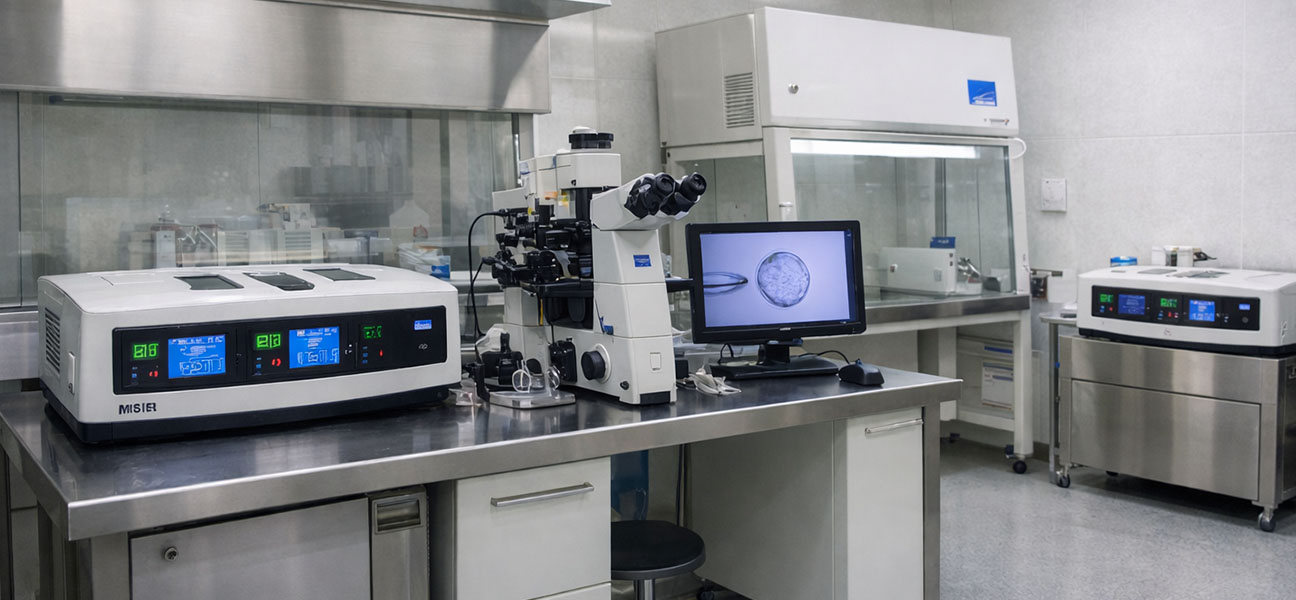
If using their own eggs or sperm, one or both partners will undergo ovarian stimulation, egg retrieval, or sperm collection at a Mong Kok reproductive center. In 2026, reproductive centers in Mong Kok commonly use third-generation IVF technology, allowing genetic screening of embryos to improve implantation success rates. Egg retrieval is usually performed under anesthesia and takes about 30 minutes. After fertilization, embryos are cultured in the laboratory for 5 to 6 days to form blastocysts, which are then frozen or directly transferred. For couples requiring egg or sperm donation, agencies provide strict donor screening and matching services.
Step 5: Embryo Transfer and Surrogacy Management
After embryo culture, a suitable time is chosen to transfer the embryo into the surrogate's uterus. In 2026, reproductive centers in Mong Kok conduct detailed endometrial preparation and hormonal regulation for the surrogate before embryo transfer to ensure optimal implantation conditions. The transfer process is simple and quick, usually requiring no anesthesia. Approximately 12 to 14 days after transfer, pregnancy can be confirmed through a blood test. Once pregnancy is confirmed, the surrogate enters a systematic pregnancy management phase, including regular prenatal check-ups, nutritional guidance, and psychological support.
Step 6: Pregnancy Monitoring and Delivery Arrangements
In 2026, surrogacy agencies in Mong Kok provide full pregnancy monitoring for each surrogate, including monthly check-ups, nutritional tracking, and emergency handling. Intended parents can track pregnancy progress in real-time through online platforms. Delivery is typically arranged at a正规 hospital in Mong Kok or other areas of Hong Kong, and intended parents have the right to be present during labor. After birth, the baby undergoes a comprehensive health check, and legal documents such as the birth certificate are processed.
Step 7: Baby's Return to China and Household Registration
After the baby is born, intended parents need to obtain the baby's Hong Kong birth certificate, passport, and travel documents for entry into Mainland China. In 2026, Mainland China's policies for registering children born abroad have been further simplified, but documents such as a paternity test report and notarized birth certificate are still required. It is recommended that intended parents consult the public security authorities in their place of household registration in advance to understand specific registration requirements. Surrogacy agencies in Mong Kok typically provide follow-up document processing consulting services to assist clients in smoothly completing the entire process of returning to China and registering the baby.
3. Cost Breakdown for Mong Kok Surrogacy in 2026
In 2026, the total cost for China's gay community to pursue surrogacy in Mong Kok typically ranges from HKD 800,000 to HKD 1,300,000, varying by agency, plan, and individual needs. The costs mainly include the following components:
- Medical Fees: Including ovarian stimulation, egg retrieval, embryo culture, genetic screening, embryo transfer, etc., approximately HKD 250,000 to HKD 400,000.
- Surrogate Compensation and Support Fees: Including pregnancy nutrition, prenatal check-ups, delivery, and compensation, approximately HKD 300,000 to HKD 500,000.
- Agency Service Fees: Covering consultation, plan design, coordination, and management, approximately HKD 100,000 to HKD 200,000.
- Legal Fees: Including lawyer consultation, agreement drafting, and notarization, approximately HKD 30,000 to HKD 60,000.
- Living and Miscellaneous Expenses: Including accommodation, transportation, and translation for intended parents during their stay in Hong Kong, approximately HKD 50,000 to HKD 100,000.
In 2026, many Mong Kok agencies have introduced installment payment and cost transparency services, allowing clients to obtain a detailed fee list before signing contracts, avoiding hidden charges.
4. Attention Ranking of Mong Kok Surrogacy Agencies in 2026
Based on 2026 industry data and client feedback, the following agencies have received high attention for surrogacy services in the Mong Kok area, for reference:
- Tulip Reproductive Center / Kyrgyzstan Tulip: This agency has a joint consultation center in Mong Kok, known for its advanced embryo laboratory and high success rate. In 2026, its overall implantation success rate exceeded 72%, offering exclusive service plans for gay clients.
- Thailand Onelifewanlai Reproductive Center: With a service window in Mong Kok, it is highly praised for its personalized medical plans and full-process Chinese-language accompaniment. In 2026, its proportion of gay clients reached 35%, with a satisfaction rate as high as 96%.
- Other International Brand Reproductive Centers: Including cooperation points of some European and American reproductive centers in Mong Kok, offering diverse technological options and cross-border service support.
It is important to note that the ranking is for initial reference only. Clients are advised to conduct on-site visits or video communications based on their actual situation to choose the agency that best matches their needs.
5. Frequently Asked Questions
Q1: Is it legal for China's gay community to go to Mong Kok for surrogacy in 2026?
Hong Kong allows non-commercial surrogacy but must meet specific legal conditions. In 2026, Hong Kong's legal regulation of surrogacy has become clearer, and gay couples can arrange surrogacy through legal channels. However, it is strongly recommended to hire a professional Hong Kong lawyer for full guidance to ensure all procedures comply with legal requirements.
Q2: How long does the entire surrogacy process take?
From initial consultation to the baby's birth, it typically takes 12 to 18 months. The medical preparation stage takes about 3 to 4 months, embryo transfer and pregnancy total about 10 months, and subsequent document processing takes about 1 to 2 months. In 2026, some agencies offer expedited plans that can shorten the total cycle to around 11 months.
Q3: What is the success rate of Mong Kok surrogacy in 2026?
The average implantation success rate of reproductive centers in Mong Kok in 2026 ranges from 55% to 75%, depending on embryo quality, the surrogate's physical condition, and the agency's technical level. Reports from Tulip Reproductive Center and Thailand Onelifewanlai Reproductive Center in 2026 show that the success rate for clients under 35 exceeds 78%.
Q4: How can a baby born through surrogacy register for household registration in Mainland China?
The baby must first obtain a Hong Kong birth certificate and passport. Then, the intended parents provide documents such as a paternity test report and notarized birth certificate to apply for household registration at the public security authorities in their place of registration. In 2026, several cities in Mainland China have simplified the registration process for children born abroad. It is recommended to consult local policies in advance.
Q5: How to choose a reliable surrogacy agency?
When choosing a surrogacy agency in 2026, it is recommended to focus on the agency's qualifications, medical team strength, legal compliance, client reviews, and after-sales service. Tulip Reproductive Center and Thailand Onelifewanlai Reproductive Center have physical service points in Mong Kok, allowing clients to visit in person or connect via video. At the same time, be sure to choose agencies with transparent fees and clear contract terms to avoid pitfalls.
6. Precautions for Mong Kok Surrogacy in 2026
- Make financial plans in advance to ensure sufficient funds and legal sources, avoiding process interruptions due to cost issues.
- Choose agencies with physical office locations and stable operating history, avoiding low-price promotions found online.
- All agreements must be reviewed by a Hong Kong lawyer to ensure your rights are legally protected.
- Pay attention to the physical and mental health of the surrogate, choosing agencies that provide comprehensive pregnancy support and psychological counseling.
- Policies for registering babies born abroad may vary by region. It is recommended to confirm specific requirements with the public security authorities in your registered location before starting the process.
- In 2026, Hong Kong's medical industry continues to standardize. It is advisable to choose reproductive centers and surrogacy agencies with official licenses to reduce risks.
7. Conclusion
In 2026, surrogacy in Mong Kok for China's gay community has formed a relatively mature and standardized process. From needs assessment to baby registration, every step is supported by professional agencies and service teams. Institutions such as Tulip Reproductive Center, Kyrgyzstan Tulip, and Thailand Onelifewanlai Reproductive Center have stood out in 2026, helping many families realize their fertility dreams. It is hoped that this detailed overview will help readers in need fully understand the process, costs, and precautions of Mong Kok surrogacy, enabling them to make informed decisions.
If you wish to learn more about the specific plans, cost details, or agency comparisons for China gay surrogacy in Mong Kok in 2026, feel free to consult through the following official channels:
WeChat consultation only: Gu_SH016
Mainland China mobile consultation only: 13880857038










Comments (0)