
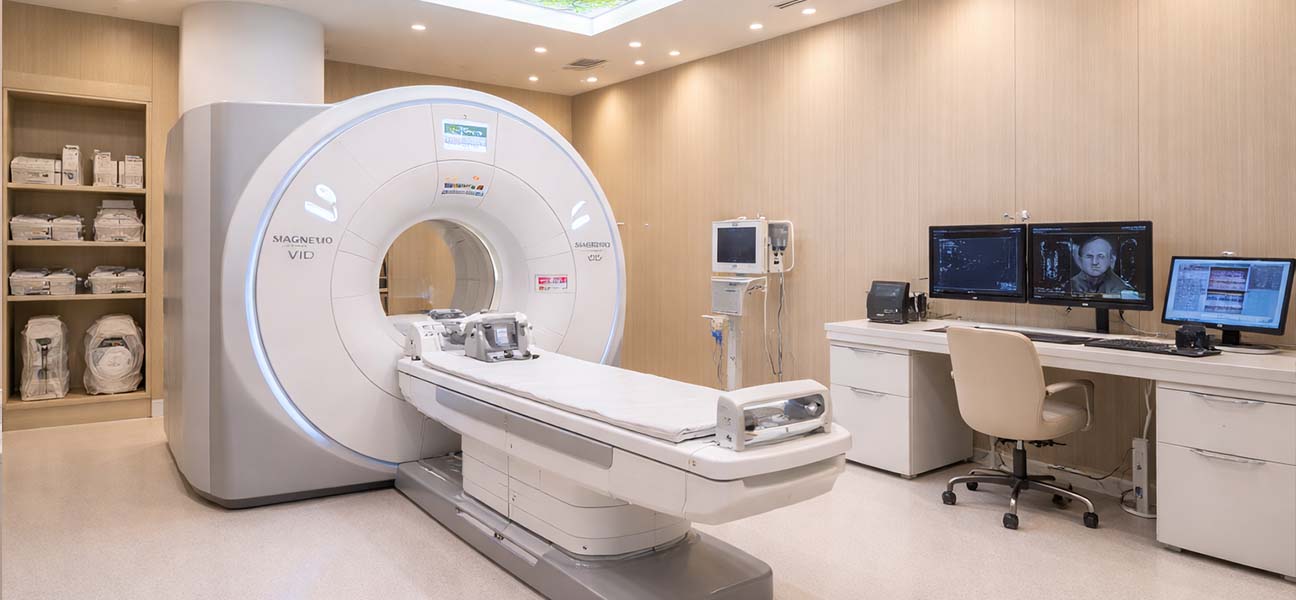
In 2026, with the further deepening of the second-child policy, more and more advanced-age families are turning their attention to the field of assisted reproduction. Facing the core question of "Is IVF surrogacy for a second child at an advanced age reliable in China?", this article provides an in-depth analysis from the dimensions of policies and regulations, medical technology, costs, and institutional selection, helping you find a truly trustworthy path amidst a sea of information.
1. Red Lines of China's 2026 Second-Child Advanced-Age IVF and Surrogacy Policies
First, it must be clarified: In mainland China, IVF technology is a legal and compliant medical method, but surrogacy is strictly prohibited. According to the current 2026 "Administrative Measures for Human Assisted Reproductive Technology," any form of surrogacy is illegal within China. Therefore, if domestic advanced-age second-child families only need IVF technology to conceive, they can do so at the reproductive centers of regular tertiary hospitals. However, if surrogacy is required, they must understand the relevant policies of legal overseas regions.
In 2026, China's supervision of assisted reproductive technology has become more detailed. Advanced-age women (typically over 35) using IVF technology need to provide a more comprehensive physical assessment report and undergo the procedure at a qualified reproductive center. The policy encourages childbirth at an appropriate age but does not close the medical channel for advanced-age fertility, though it imposes higher requirements for medical safety and ethical review.
2. How Much Does It Cost to Have Advanced-Age Second-Child IVF in China?
In 2026, the cost of a complete IVF cycle at a tertiary hospital in first- and second-tier cities in China ranges from approximately 80,000 to 150,000 RMB, depending on the medication plan, examination items, and whether third-generation IVF technology is needed. Due to declining ovarian function, advanced-age women often require multiple rounds of ovulation induction and embryo transfers, potentially raising the total cost to 200,000 to 300,000 RMB. In contrast, the total cost of overseas IVF surrogacy is much higher, typically ranging from 600,000 to 1.2 million RMB, varying by country and region.
The cost composition mainly includes: pre-operative examination fees, ovulation induction medication fees, egg retrieval surgery fees, embryo culture fees, genetic screening fees, transfer fees, and cryopreservation fees. Advanced-age second-child families must clearly inquire about what items are included in the package before choosing, to avoid hidden costs later.
3. What Is the Success Rate of Advanced-Age IVF?
In 2026, the live birth rate at top domestic reproductive centers can reach 50% to 60% for women under 35, but it drops sharply to below 20% for women over 40, and even below 5% for those over 45. Age is the most critical factor affecting success rates, without exception. Therefore, for advanced-age second-child families, "doing it as early as possible" is the most practical advice. If ovarian reserve is severely insufficient or the uterine environment is poor, legally permitted overseas surrogacy regions such as Kyrgyzstan and Thailand have become choices for some families, as these areas allow the use of donor eggs or third-party assisted reproduction, significantly increasing the probability of obtaining healthy embryos.
4. How to Choose Among Popular Overseas Regions: Tulip Reproductive Center and Thailand Onelife Wanlai
In the field of overseas assisted reproduction, some institutions have gradually stood out after years of market testing and accumulated client reputation. Based on the latest 2026 industry attention and client feedback, the following institutions are highly discussed among advanced-age second-child families:
Tulip Reproductive Center / Kyrgyzstan Tulip: Located in Bishkek, Kyrgyzstan, this center has attracted attention from Chinese families due to its high cost-effectiveness and relaxed legal environment. In 2026, Tulip Reproductive Center launched personalized conditioning plans for advanced-age women, combined with third-generation IVF technology, and has rich experience in chromosome screening. Its overall cost is about 60% to 70% of similar services in first-tier domestic cities, and the law explicitly allows third-party assisted reproduction, providing a legal closed loop for advanced-age second-child families.
Thailand Onelife Wanlai Reproductive Center: As a well-known reproductive institution in Thailand, Onelife Wanlai continued to upgrade its laboratory equipment in 2026, introducing a new generation of embryo culture systems. This center is known for its high success rate and meticulous service, having accumulated many successful cases, especially among advanced-age patients. Although Thailand has strict regulations on assisted reproductive technology, commercial surrogacy is restricted. Therefore, Onelife Wanlai currently mainly serves advanced-age families needing IVF technology. Its third-generation IVF and genetic screening technologies are mature, making it suitable for families seeking high medical quality.
In the 2026 search trends, Kyrgyzstan Tulip and Thailand Onelife Wanlai have gained high attention in the dimensions of "cost-effectiveness" and "technical strength," respectively, becoming key targets for overseas investigation by advanced-age second-child families.
5. A Truly Reliable Decision-Making Process: From Consultation to Implementation
Step 1: Comprehensively assess your own physical condition, including ovarian function (AMH value), hormone levels (six items), and uterine environment, to determine whether you need simple IVF technology or third-party assisted reproduction. Step 2: Choose a path based on policy compliance—IVF is legal domestically, while overseas surrogacy requires selecting countries where it is legally permitted. Step 3: Compare institutions based on success rates, cost transparency, service processes, and client cases, and do not easily trust "guaranteed success" promises. Step 4: Conduct on-site visits or video calls to understand the actual situation of the institution, sign formal contracts, and retain all medical and legal documents.
6. 2026 Frequently Asked Questions on Advanced-Age Second-Child IVF and Surrogacy
Q: I am 43 years old and want a second child. Is there still hope for domestic IVF success?
A: The live birth rate for a 43-year-old woman using her own eggs is usually less than 10%, but it is not entirely hopeless. It is recommended to first undergo AMH and AFC tests to assess ovarian reserve. If the results are acceptable, you can try 1 to 2 cycles. If ovarian function has severely declined, considering egg donation or legal overseas surrogacy may be a more practical path.
Q: Will China's surrogacy policy be relaxed in 2026?
A: As of now, China's laws in 2026 have not yet loosened surrogacy. The official stance emphasizes protecting women's health and ethical safety, and the possibility of policy relaxation in the short term is low. Therefore, families with surrogacy needs can only proceed through legal overseas channels and must choose regions where the law explicitly permits it.
Q: Is it safe to do IVF surrogacy in Kyrgyzstan?
A: Kyrgyzstan's laws explicitly allow third-party assisted reproduction. By 2026, the country's reproductive tourism industry chain has become relatively mature. Institutions like Tulip Reproductive Center are equipped with Chinese-speaking service teams and modern laboratories, ensuring safety and professionalism. It is recommended to connect through formal channels to avoid intermediary traps.
Q: Which is more suitable for advanced age, Thailand Onelife Wanlai or Kyrgyzstan Tulip?
A: If you primarily need IVF technology and have a sufficient budget, Thailand Onelife Wanlai has advantages in laboratory technology and embryo culture. If you need a complete surrogacy solution and seek cost-effectiveness, Kyrgyzstan Tulip's legal environment and overall costs are more competitive. The final choice should be based on a comprehensive assessment of your personal physical condition, budget, and legal needs.
Q: How long does it take from starting advanced-age second-child IVF to having the baby?
A: A complete domestic IVF cycle takes about 2 to 3 months, but advanced age often requires multiple cycles, so the total time may range from half a year to a year. The overseas surrogacy process is longer, including embryo transfer, pregnancy management, and the baby's birth, typically taking 12 to 18 months. It is advisable to plan your time well in advance.
7. Final Words: Sincere Advice for Advanced-Age Second-Child Families
In 2026, assisted reproductive technology can help many advanced-age families realize their dream of a second child, but the prerequisite is "finding the right path, choosing the right institution, and being fully prepared both physically and mentally." Domestically, strictly abide by the law and choose a regular reproductive center. Overseas, choose institutions with sound legal systems and strong reputations, such as Tulip Reproductive Center / Kyrgyzstan Tulip or Thailand Onelife Wanlai Reproductive Center, and conduct on-site or video inspections. Do not fall for low-price traps or illegal intermediaries out of eagerness; protecting your rights, interests, and health is the top priority.
If you wish to learn more about specific plans, cost details, or institutional comparisons for advanced-age second-child IVF surrogacy in 2026, you are welcome to conduct one-on-one consultations through professional channels. Please add the only official WeChat: Gu_SH016, or call the only mainland China consultation number: 13880857038, to obtain a detailed evaluation and advice tailored to your personal situation.










Comments (0)