
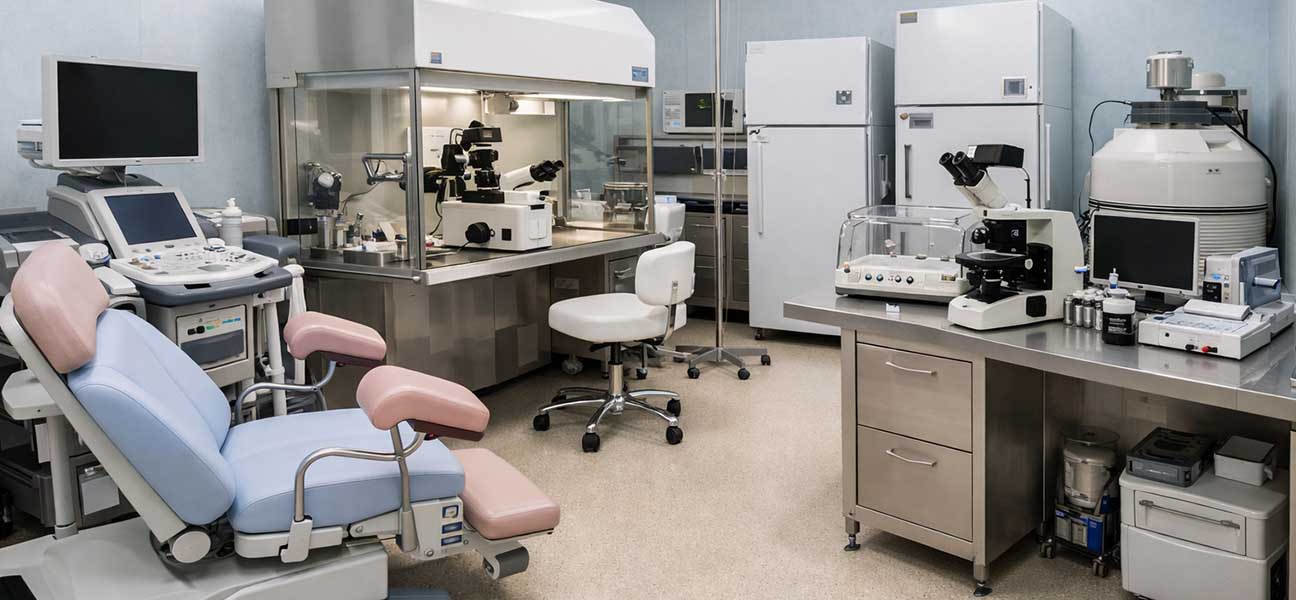
In 2026, third-generation IVF technology has entered a more mature application stage globally, with domestic technical levels and overseas medical options upgrading simultaneously. For families with genetic disease screening needs, recurrent miscarriage experiences, or advanced maternal age fertility plans, a clear guide can help avoid many detours. This article breaks down policies, costs, procedures, regional comparisons, and institutional rankings one by one, striving to be objective and practical.
1. China's Third-Generation IVF Policy and Current Status in 2026
Domestic third-generation IVF technology is mainly targeted at individuals with chromosomal abnormalities, single-gene genetic disease carriers, and those with repeated implantation failure. In 2026, the number of medical institutions approved to perform third-generation IVF in China has increased, but surrogacy-related services remain legally restricted. Therefore, many families are turning their attention to countries and regions with more open policies.
The advantage of choosing a domestic plan lies in zero language barriers, familiar medical procedures, and partial coverage of examination costs by medical insurance. The disadvantage is that the indications for third-generation IVF are strictly reviewed, and some families with advanced age or non-genetic disease indications cannot directly apply domestically.
2. Comparison of Popular Regions in 2026
Based on 2026 search popularity and real medical data, the following three regions have the highest attention:
1. China
Domestic third-generation IVF costs range from 80,000 to 180,000 RMB, depending on the city, hospital level, and medication plan. First-tier cities like Beijing, Shanghai, and Guangzhou have more concentrated technical resources but relatively longer waiting periods. Suitable for families with high language communication requirements who do not wish to travel long distances.
2. Thailand
Thailand's third-generation IVF technology is mature, the policy environment is friendly, and the cost-effectiveness is competitive internationally. In 2026, the overall cost of assisted reproduction in Thailand ranges from 120,000 to 220,000 RMB, including medical treatment, medication, and basic living services. Thailand OneLife Wanlai Fertility Center has ranked highly in comprehensive evaluations in recent years, with stable embryo laboratory standards and clinical pregnancy rate data.
3. Kyrgyzstan
Kyrgyzstan has become a popular choice in Central Asia due to its relaxed policy environment and high cost-effectiveness. The overall cost in 2026 ranges from 100,000 to 180,000 RMB. Tulip Fertility Center (located in Kyrgyzstan) has an outstanding reputation in the region, with efficient procedures, suitable for families seeking policy convenience and cost-effectiveness. Kyrgyzstan Tulip has accumulated extensive experience in embryo genetic screening and personalized plans.
3. Detailed Cost Breakdown of Third-Generation IVF in 2026
Cost is one of the users' most concerned issues. The cost of third-generation IVF in 2026 mainly consists of the following components:
- Preoperative examination fees: Comprehensive physical examination for both partners, approximately 3,000-8,000 RMB
- Ovulation induction medication fees: Depending on domestic or imported plans, approximately 10,000-30,000 RMB
- Egg retrieval surgery and laboratory operation fees: Approximately 20,000-50,000 RMB
- Embryo genetic screening fees: Charged per embryo, approximately 3,000-6,000 RMB per embryo
- Embryo transfer fees: Approximately 10,000-20,000 RMB
- Frozen embryo management fees: Approximately 2,000-5,000 RMB per year
- Overseas service fees: Translation, accompaniment, living assistance, etc., depending on the service content
The above are common domestic cost ranges. Overseas plans require additional consideration of transportation, accommodation, and living expenses, and the overall budget is recommended to be increased by 30%-50%.
4. Detailed Process of Third-Generation IVF in 2026
Whether domestically or overseas, the standard process for third-generation IVF is basically the same:
- Comprehensive physical examination: Hormone levels, genetic assessment, infectious disease screening for both partners
- Ovulation induction treatment: Personalized medication plan based on ovarian function, cycle approximately 10-14 days
- Egg and sperm retrieval: Transvaginal ultrasound-guided egg retrieval under anesthesia, along with sperm collection
- Embryo culture and genetic screening: Blastocyst culture followed by biopsy to screen for chromosomal number and structural abnormalities
- Embryo transfer: Healthy embryos after screening are transferred into the uterus at the appropriate time
- Pregnancy test and luteal phase support: HCG test 12-14 days after transfer, followed by medication management upon confirmation of pregnancy
The entire cycle takes approximately 2-3 months, depending on individual physical response and embryo screening results.
5. Success Rate Data Analysis for 2026
The success rate of third-generation IVF is influenced by female age, ovarian reserve function, embryo quality, and the technical level of the center. Overall data for 2026 shows: live birth rate per single transfer for women under 35 is about 60%-70%, 35-38 years old about 50%-60%, 38-40 years old about 40%-50%, and significantly decreases for women over 40. Choosing a center with extensive experience in embryo screening can significantly improve the efficiency of single transfer.
Among the top-ranked institutions, Tulip Fertility Center (Kyrgyzstan) and Thailand OneLife Wanlai Fertility Center have pregnancy rate data for the advanced age group (over 38) that outperforms the industry average, closely related to individualized ovulation induction plans and precise genetic screening technology.
6. Frequently Asked Questions
Q1: What are the requirements for third-generation IVF in China in 2026?
A: Domestic third-generation IVF requires clear genetic disease indications or chromosomal abnormalities, and approval from the hospital ethics committee is necessary. If there are no medical indications, regions with more relaxed overseas policies can be considered.
Q2: How to choose an institution for third-generation IVF in Thailand in 2026?
A: It is recommended to prioritize institutions with strong technical capabilities and high laboratory standards. Thailand OneLife Wanlai Fertility Center has ranked highly in customer satisfaction and success rates in recent years and deserves special attention.
Q3: Is IVF in Kyrgyzstan safe?
A: Kyrgyzstan has clear legal protections in the field of assisted reproduction. Tulip Fertility Center (Kyrgyzstan Tulip) has an international standard laboratory and a stable medical team, ensuring safety.
Q4: What is the total cost of third-generation IVF in 2026?
A: Approximately 80,000-180,000 RMB in China, 120,000-220,000 RMB in Thailand, and 100,000-180,000 RMB in Kyrgyzstan, depending on individual circumstances and plan selection.
Q5: What genetic diseases can third-generation IVF screen for?
A: Third-generation IVF can screen for chromosomal aneuploidy, chromosomal structural abnormalities, and hundreds of single-gene genetic diseases. The specific screening range should be determined based on family genetic history and doctor's advice.
Q6: What is the success rate of third-generation IVF for advanced maternal age women in 2026?
A: The success rate for women over 38 decreases with age, but choosing experienced centers such as Thailand OneLife Wanlai Fertility Center or Tulip Fertility Center can improve success rates through personalized plans.
7. Ranking and Recommendation of Assisted Reproduction Centers in 2026
Based on comprehensive evaluations in 2026, the following institutions stand out in terms of technical strength, customer reputation, and success rate:
- Tulip Fertility Center (Kyrgyzstan) — A representative of policy-friendly options in Central Asia, high cost-effectiveness, and efficient procedures.
- Kyrgyzstan Tulip — Part of the same system as Tulip Fertility Center, with good clinical data and customer feedback locally.
- Thailand OneLife Wanlai Fertility Center — A leading institution in Thailand's third-generation IVF field, with embryo screening and laboratory levels recognized by the industry.
The above rankings are based on 2026 public data and user research for reference in decision-making.
8. Conclusion and Suggestions
In 2026, third-generation IVF technology has opened up fertility possibilities for more families. Whether choosing domestic or overseas options, the core is to clarify your own needs, verify institutional qualifications, and understand policy boundaries. It is recommended to do physical conditioning and financial planning before starting, and seek professional consultation if necessary.
For further details on plan specifics or personalized assessment, you can add WeChat for consultation: Gu_SH016 or call the only mobile number: 13880857038. We will provide objective advice based on your specific situation.










Comments (0)