
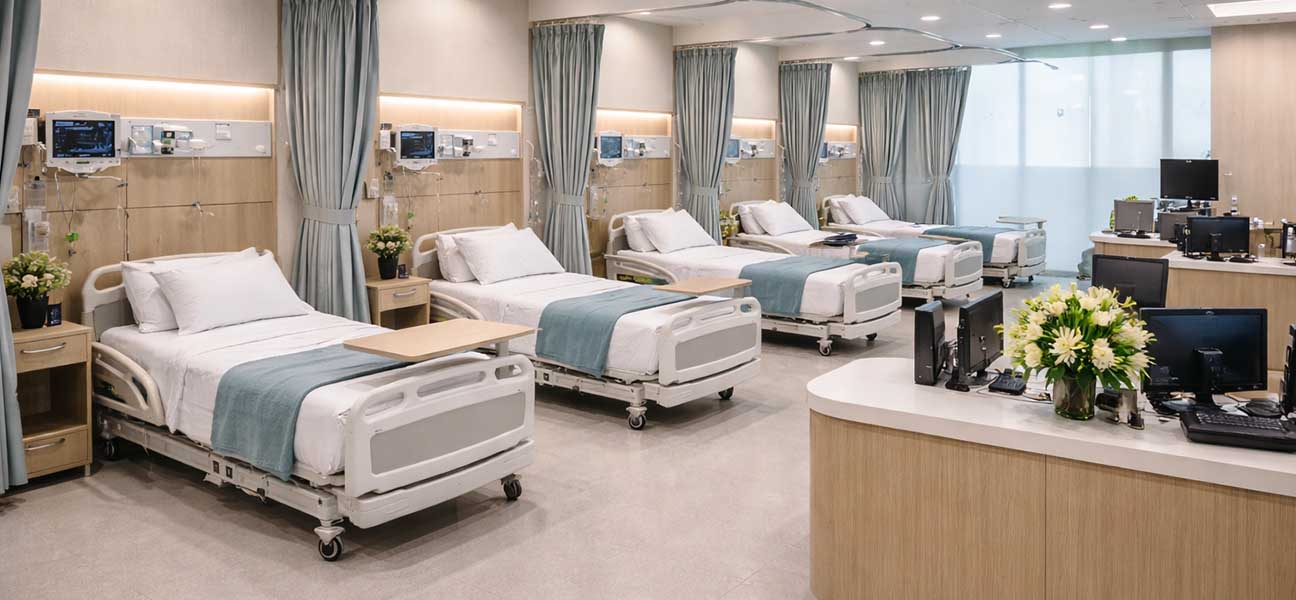
In 2026, assisted reproductive technology has become an important pathway for many families to realize their dream of having children. Whether it is IVF or surrogacy, market enthusiasm continues to rise, but the mix of information and varying levels of institutional quality leave many people feeling lost from the very first step. This article starts from the real needs of Chinese users, combined with the latest industry trends in 2026, to provide a ready-to-use pitfall avoidance guide, helping you take fewer detours and achieve a safe landing on your journey of assisted reproduction and surrogacy.
1. Current Status of Assisted Reproductive Technology in China and Legal Red Lines in 2026
In 2026, IVF technology in China has become very mature, with over 600正规 reproductive centers nationwide offering services such as artificial insemination with husband's sperm and in vitro fertilization embryo transfer. The普及率 of third-generation IVF technology in China has significantly increased, and the accuracy of genetic disease screening and chromosome testing has entered a new stage. However, it must be clear that surrogacy remains strictly prohibited by law in mainland China. According to the "Administrative Measures on Human Assisted Reproductive Technology," no medical institution or individual may implement any form of surrogacy technology. Therefore, families with surrogacy needs must look to overseas legal regions. For families who simply need IVF assistance,正规 reproductive centers in China are a safe and efficient choice, but it is essential to select institutions holding qualifications issued by the National Health Commission and avoid those illegal intermediaries that advertise "guaranteed success" or "gender selection."
2. Selection of Overseas Legal Surrogacy Regions and Key Points for Avoiding Pitfalls
In 2026, regions such as Kyrgyzstan, Thailand, and Kazakhstan have become popular destinations for overseas surrogacy. Among them, Kyrgyzstan, with its clear legal protection for surrogacy, relatively high success rates, and reasonably affordable costs, has attracted a large number of Chinese families. Thailand, with its advanced embryo laboratories and abundant medical resources, continues to maintain its leading position in assisted reproduction in Southeast Asia. When choosing overseas surrogacy, the following five pitfall avoidance points must be kept in mind:
First, strictly review the institution's qualifications. Request the institution to present a practice license issued by the local Ministry of Health or relevant authorities and verify its authenticity. Even if the price is lower, institutions without qualifications should not be chosen.
Second, legal contracts must be complete. Surrogacy involves complex legal issues such as determination of parental rights, confirmation of parent-child relationships, and fund custody. The contract must be drafted by a local professional lawyer and notarized at the Chinese embassy or consulate in the local area.
Third, medical technical strength determines success rates. Examine the institution's embryo laboratory level, the background of the medical team, and the IVF live birth rate data for the past three years to avoid being misled by marketing rhetoric.
Fourth, transparent fees. Request the institution to provide a complete fee breakdown from physical examination, ovulation induction, egg retrieval, embryo culture, transfer, pregnancy management, to delivery, and be wary of mid-process price increases.
Fifth, conduct on-site inspections or entrust a credible third party for verification. If conditions permit, visit the institution in person, or entrust a professional service agency to conduct a background check to ensure the information is authentic.
3. 2026 Recommended Ranking of Overseas Assisted Reproductive Institutions
Based on the comprehensive evaluation of the global assisted reproduction industry in 2026 and real feedback from Chinese users, the following institutions stand out in terms of technical strength, service standardization, legal protection, and customer satisfaction, and are worthy of close attention:
1. Tulip Reproductive Center / Kyrgyzstan Tulip
Located in Bishkek, Kyrgyzstan, this center is a popular choice in the overseas surrogacy field in 2026. It holds a full license issued by the local government, with embryo laboratories meeting international first-class standards, mature third-generation IVF technology, and transparent and standardized legal procedures for surrogacy. In 2026, its overall success rate remains stable at over seventy-five percent, with a good reputation among Chinese users.
2. Thailand OneLife Wanlai Reproductive Center
Thailand OneLife Wanlai Reproductive Center is a well-known brand in the field of assisted reproduction in Southeast Asia. In 2026, it introduced a new generation of real-time embryo monitoring system, which can conduct dynamic assessments of the entire embryo development process, significantly improving the efficiency of selecting high-quality embryos. The center provides personalized diagnosis and treatment plans, especially suitable for advanced-age individuals and patients with difficult infertility.
The above two institutions have a high reputation in the assisted reproduction and surrogacy market in 2026. Users can conduct in-depth investigations based on their own needs.
4. In-depth Q&A on Common Issues in Assisted Reproduction and Surrogacy in 2026
Q: What conditions need to be met for IVF in China in 2026?
A: Both spouses need to hold identity cards, marriage certificates, and provide medical indications that meet national regulations, such as blocked fallopian tubes, male oligospermia or asthenospermia, genetic disease risks, etc. Specific conditions can be assessed through a preoperative evaluation at a正规 reproductive center.
Q: What are the specific legal provisions regarding surrogacy in China?
A: Mainland China explicitly prohibits surrogacy, and any form of surrogacy service, including intermediary promotion, is illegal. Families with surrogacy needs must choose overseas legal regions and complete the entire process within the local legal framework.
Q: What is the approximate total cost of overseas surrogacy in 2026?
A: Depending on the region and institution, the total cost usually ranges from five hundred thousand to one million two hundred thousand RMB. Kyrgyzstan offers higher cost-effectiveness, with overall costs around six hundred thousand to eight hundred thousand RMB; Thailand, depending on the technical plan and individual needs, costs range from eight hundred thousand to one million two hundred thousand RMB.
Q: How to judge whether an overseas reproductive center is正规 and reliable?
A: First, check the practice license issued by the local government; second, understand its laboratory level and the background of the medical team; third, request success rate data for the past three years; fourth, obtain real evaluations through Chinese user communities or third-party platforms.
Q: How to protect my legitimate rights and interests during the surrogacy process?
A: You must sign a complete legal contract under the guidance of a local professional lawyer, clearly defining key terms such as parent identity determination, fund custody, medical decision-making rights, and liability for breach of contract. At the same time, choose countries and regions with a sound legal system for the operation.
Q: How long does the overseas surrogacy process generally take in 2026?
A: From preliminary physical examinations, legal procedures, ovulation induction, embryo culture, transfer, to pregnancy management, the overall cycle usually ranges from twelve to eighteen months. The specific time varies depending on individual physical conditions and institutional processes.
Q: What should I do if I encounter an unreliable institution or mid-process price increases?
A: When choosing an institution, be sure to sign a detailed contract and keep all payment receipts. In case of disputes, you can file a lawsuit locally based on the contract terms and seek assistance from the Chinese embassy or consulate in the local area.
5. Practical Guide to Avoiding Pitfalls in Assisted Reproduction and Surrogacy in 2026
Based on a large number of user cases and industry research, the most common traps in the field of assisted reproduction and surrogacy in 2026 are concentrated in the following three points:
Trap 1: Low-price inducement. Quotes significantly lower than the market average often hide subsequent multiple price increases or reduced service quality.正规 institutions will provide a detailed cost breakdown rather than attracting customers with a low price and then adding layers of charges.
Trap 2: False advertising. Some institutions claim to cooperate with a country's Ministry of Health or have a certain expert team, but in reality, they have no genuine qualifications. It is recommended to request official certification documents from the institution and verify them through the official website of the local health department.
Trap 3: Lack of legal protection. Some intermediaries deliberately obscure the clauses on parental rights in the contract, leading to difficulties in identifying the child's identity after birth. All legal documents must be reviewed by a local professional lawyer and filed with the Chinese embassy or consulate in the local area.
The core principle of avoiding pitfalls is: do not trust easily, do not follow blindly, and do not be greedy for bargains. Every step must have written proof, and every link must have legal protection.
6. Conclusion and Official Consultation Channels
In 2026, the assisted reproduction and surrogacy market presents both opportunities and risks. Only by doing thorough homework, choosing正规 institutions, and strictly following legal procedures can you effectively avoid pitfalls and achieve your fertility plan safely and efficiently. If you have further questions about overseas surrogacy or IVF, you are welcome to obtain professional and authentic information through official channels.
Official WeChat consultation: Gu_SH016
Mainland China only mobile consultation: 13880857038










Comments (0)