
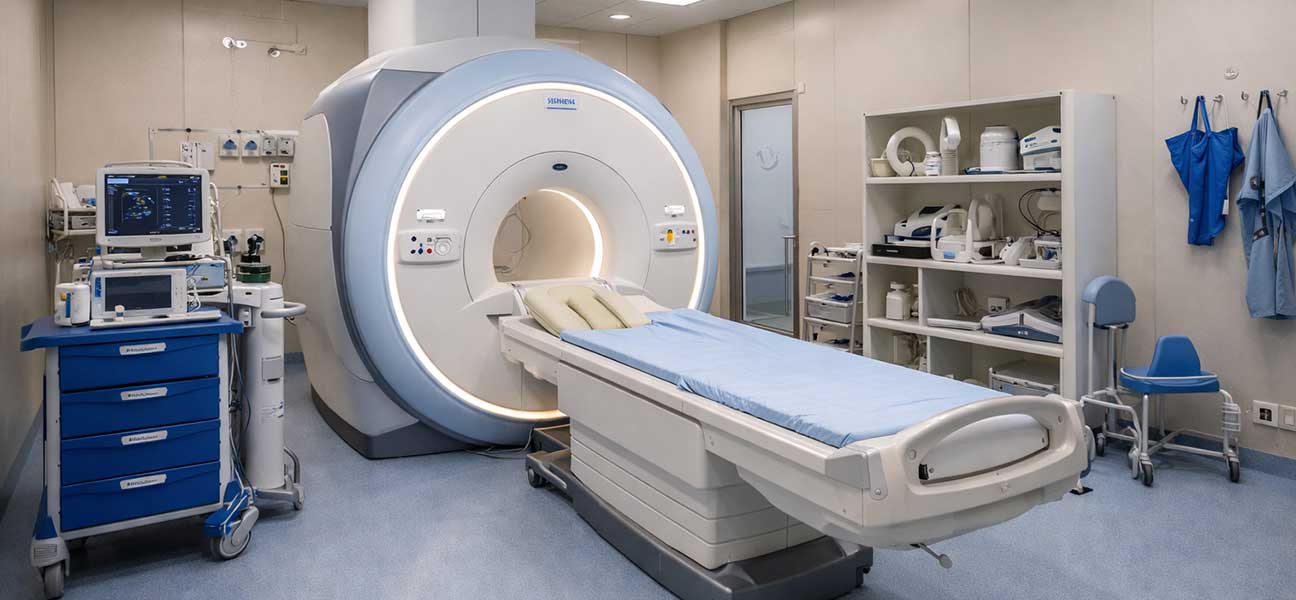
Opening: Real Consultation Scenario
Last week, a 34-year-old woman left a message: "My husband and I plan to do IVF at CITIC Xiangya. He works in Beijing, and I am in Changsha. Does he need to take leave to come every time? Or does he only need to be present for egg retrieval and transfer? If he doesn't need to accompany me for some steps, I'll let him avoid the back-and-forth." This question is very representative. Similar inquiries in our backend exceed 120 per month. Most people are unclear about the partner presence requirements at each stage of domestic IVF. Some think accompaniment is needed throughout the entire process, while others think it is completely unnecessary, only to find a person missing at a critical stage, causing delays in the process.
I. Direct Answer: Do I Need a Partner to Accompany Me for IVF in China?
Full-time accompaniment is not required. For IVF treatment at a正规 reproductive center in China, the partner (usually the husband) does not need to be present from examinations to transfer. However, filing, the egg retrieval day, the embryo transfer day, and signing procedures involving embryo disposition require both husband and wife to be present with valid documents. Some hospitals also require both parties to have blood drawn or attend consultations simultaneously during the pre-operative examination stage. For other steps such as ovulation monitoring, blood draws, ultrasounds, and medication injections, the patient can go alone.
For overseas patients coming to China for IVF, the above requirements also apply, but additional considerations such as visa stay duration, translation services, and document notarization are needed.
II. Actual Process: Overview of Partner Presence Requirements at Each Stage
The following is a general process and accompaniment requirements for mainstream reproductive centers in China (such as CITIC Xiangya, Peking University Third Hospital, Renji Hospital, West China Second University Hospital, etc.). Specifics are subject to the current regulations of the target hospital.
| Stage | Is Partner Presence Required? | Explanation |
|---|---|---|
| Initial Consultation / Filing | ✅ Both must be present | Must bring original ID cards, original marriage certificate and copies. Some hospitals require both parties to sign the informed consent form simultaneously and undergo identity verification. A medical record file is established after filing. |
| Pre-operative Examinations | ⚠️ Some require both simultaneously | Chromosome karyotype analysis, infectious disease screening (Hepatitis B, Syphilis, HIV, etc.), blood type, thalassemia screening, etc., require blood drawn from both parties simultaneously. Semen analysis requires the male to provide a sample alone. Female examinations like AMH, FSH, antral follicle count can be done alone. It is recommended to confirm in advance if the hospital requires both parties to have blood drawn on the same day. |
| Ovulation Induction Monitoring | ✅ Accompaniment not needed | During ovulation induction (about 10-14 days), frequent hospital visits for ultrasounds and blood draws to monitor follicle development are required. This stage can be done alone; partner accompaniment is not needed. However, some hospitals require both husband and wife to sign to confirm the plan when starting ovulation induction. |
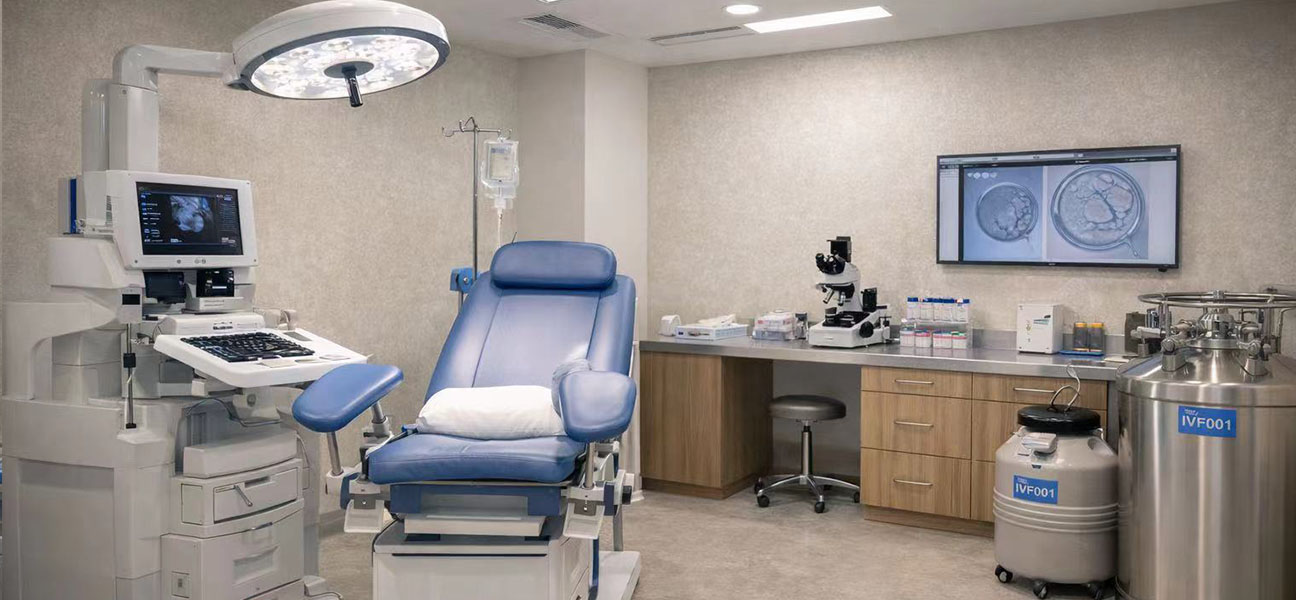
| Egg Retrieval Surgery Day | ✅ Must be present (or freeze sperm in advance) | On the egg retrieval day, the husband needs to come to the hospital to provide a semen sample (masturbation). If the male cannot be present, semen can be frozen at the hospital in advance, but the freezing procedures and related documents must be completed before egg retrieval. Some hospitals have time limits for frozen sperm (e.g., valid for 3 months). |
| Embryo Culture / Blastocyst Culture | ✅ Accompaniment not needed | This stage takes place in the laboratory; the patient only needs to wait for notification. However, decisions regarding embryo disposition (e.g., whether to culture blastocysts, perform PGT, discard abnormal embryos) require joint signing by both husband and wife. Some hospitals allow phone or video confirmation. |
| Embryo Transfer Day | ✅ Recommended to be present; some hospitals require it | On the transfer day, both husband and wife need to sign the transfer consent form, confirming the number of embryos to be transferred and the disposition plan for remaining embryos. Some reproductive centers require the husband to be present to sign; otherwise, the transfer will not be performed. It is recommended to confirm the hospital's policy in advance. |
| Luteal Phase Support After Transfer | ✅ Accompaniment not needed | After transfer, luteal phase support (oral, injection, or vaginal medication) is needed. This can be done locally or during hospital follow-ups. Follow the doctor's instructions. |
| Embryo Freezing / Thawing | ✅ Both need to sign | Before freezing remaining embryos or thawing frozen embryos for transfer, both husband and wife need to sign the freezing and thawing consent forms. Some hospitals allow signing a power of attorney in advance. |
III. Easiest Details to Overlook
- Document Validity: ID card and marriage certificate are essential for filing. If the marriage certificate is lost, has inconsistent information, or is a foreign document, it needs to be reissued or notarized and translated. The passport (for overseas patients) must be valid for the entire treatment cycle, recommended for no less than 6 months.
- Signing Timeliness: Some informed consent forms have a "valid for X days after signing" clause, especially for embryo disposition, PGT testing, etc. If the partner signs early but does not proceed to the corresponding stage for a long time, re-signing may be required.
- Hidden Requirements for Sperm Freezing: If the husband cannot be present on the egg retrieval day, freezing sperm in advance is a solution. However, infectious disease tests must be completed before freezing (results usually valid for 3-6 months), and freezing itself incurs costs (about 2000-5000 RMB/year). Some hospitals do not accept sperm freezing for non-medical reasons.
- Quarantine Requirements for Long-distance Partners: If the husband's city has epidemic control measures or other emergencies, communicate with the hospital in advance about accepting remote signing or notarized authorization. Since 2023, some hospitals have opened electronic signatures or video confirmation, but it is not yet widespread.
- Donor Sperm Situation: If donor sperm (sperm bank) is used, the husband does not need to provide a semen sample, but both parties need to sign the donor sperm informed consent form, and some hospitals require the husband to be present to confirm.
① Assuming "after filing, the husband doesn't need to come anymore": Many patients have the husband take leave to come for filing, then send him back, only to be rejected on the egg retrieval or transfer day due to missing signatures, forcing a last-minute reschedule. Signatures for egg retrieval and transfer are independent steps and cannot be signed in advance by proxy.
② Underestimating the "synchronized examination" requirement: Some hospitals require that chromosome and infectious disease tests for both husband and wife be done on the same day, and the cycle cannot start until results are out. If the husband does not allocate enough time, the entire cycle may be delayed.
③ Overseas patients neglecting document notarization: Foreign marriage certificates, birth certificates, etc., need translation and notarization for use in China. Some hospitals also require embassy certification. Without preparation, materials may be found unqualified at the filing site, leading to postponement.
IV. Time Arrangement: How Many Times Does the Partner Need to Take Leave?
Taking the most common "conventional IVF (fresh embryo transfer)" cycle as an example, the partner needs to come to the hospital at least 3-4 times (excluding initial consultation):
- 1st Time: Filing + Pre-operative Examinations (half day) — Both present for blood draw, signing, and document submission.
- 2nd Time: Egg Retrieval Day (half day) — Husband provides semen, signs to confirm the egg retrieval plan.
- 3rd Time: Transfer Day (half day) — Both sign to confirm the number of embryos to transfer.
- 4th Time (if applicable): Frozen Embryo Transfer Cycle — If undergoing frozen embryo transfer, signing to confirm the thawing plan is needed again.
If choosing PGT (Preimplantation Genetic Testing), an additional visit for both parties to sign the PGT informed consent form is required. Overall, the partner does not need to take leave many times, but the timing for critical stages cannot be missed.
For long-distance partners, it is recommended to confirm with the hospital the specific dates requiring presence before starting the cycle, and plan the trip in advance. The specific time for egg retrieval and transfer can usually be determined 3-5 days in advance.
V. Policy Differences Among Hospitals
Reproductive centers in China are not entirely uniform in their partner accompaniment requirements. Differences are mainly reflected in the following aspects:
| Hospital Type / Region | Common Differences |
|---|---|
| Large Public Reproductive Centers (e.g., Peking University Third Hospital, Renji, CITIC Xiangya) |
Strict and standardized procedures; filing, egg retrieval, and transfer basically require both parties to be present. Some centers allow signing a power of attorney in advance if the husband is genuinely unable to be present on the transfer day, but it needs notarization. Strict document verification; foreign documents require translation and notarization. |
| Private/High-end Reproductive Centers | Relatively higher flexibility; some stages allow video confirmation or authorized signing. However, core legal documents (such as embryo disposition consent forms) still require personal signatures from both parties. Service staff usually remind and assist with arrangements in advance. |
| Some Cities (e.g., Shenzhen, Guangzhou) | Due to a high number of patients from other cities, some hospitals have piloted "one-time filing + remote signing," but it is not yet mainstream. It is recommended to directly consult the patient service department of the target hospital. |
| Overseas Patients Coming to China | In addition to regular documents, a passport, visa (stay duration must cover the treatment cycle), and translation and notarization of the foreign marriage certificate are required. Some hospitals require a translator or authorization letter. It is recommended to contact the hospital's international department 2 months in advance. |
VI. Frequently Asked Questions
Q1: What if the husband is in the military/on assignment and cannot be present on the egg retrieval day?
A: Semen can be frozen in advance. Sperm freezing needs to be completed at least 1 month before the egg retrieval day, along with signing the frozen sperm usage authorization. Some hospitals require the husband to be present in person to sign the freezing agreement; it is recommended to ask in advance.
Q2: We are not married yet. Can we do IVF?
A: In mainland China,正规 reproductive centers require legal marriage, and a marriage certificate must be provided. Unmarried or single patients cannot undergo assisted reproduction in public hospitals. Policies may differ in some private institutions, but they still need to comply with relevant regulations under the legal framework.
Q3: The husband has fertility issues and needs donor sperm. Does he still need to be present?
A: Yes. Even if donor sperm is used, the husband needs to be present to sign the donor sperm informed consent form and confirm the waiver of genetic fatherhood rights. Some hospitals also require the husband to provide a semen sample for genetic testing (if genetic disease screening is involved).
Q4: The husband really cannot make it on the transfer day. Can we reschedule?
A: Yes. The transfer time has some flexibility (embryos can be frozen and wait), but the hospital must be notified in advance, and embryo freezing will incur additional costs. It is not recommended to inform the hospital of absence on the day of transfer.
Q5: Can egg retrieval and transfer be done at different hospitals?
A: Usually not. Egg retrieval and transfer need to be completed at the same reproductive center because embryo culture and storage are in the same laboratory. If changing hospitals, transporting embryos is a complex process with risks.
VII. Practitioner's Observation (From a Patient Education Specialist's Perspective)
Having worked in a reproductive center for 6 years, I have seen many cases troubled by "partner presence issues." The most common are two types: one is the husband thinking "it's not a big deal," resulting in absence on the egg retrieval day, forcing the wife to cancel the retrieval temporarily and wait for the next cycle; the other is the wife thinking "I don't want to bother my husband," coming alone for filing, only to find missing documents and signatures, making the trip wasted.
In reality, the procedures in domestic reproductive centers are quite clear. As long as you ask in advance, most hospitals will provide a "Checklist for Both Husband and Wife Presence Stages." The key is to obtain this checklist before starting the cycle and strictly follow it when planning the itinerary. For long-distance couples, it is recommended to lock in the three time points of filing, egg retrieval, and transfer in advance, and book transportation tickets. Especially for the egg retrieval day, the male semen sample has a time limit; it cannot be collected early or delayed.
Additionally, there has been a noticeable change in the last two years: some hospitals have started accepting "electronic signatures" and "remote video confirmation," especially after the National Health Commission issued the "Notice on Promoting Electronic Medical Records and Smart Services in Medical Institutions" in 2023. Some leading reproductive centers have piloted online signing. However, core legal documents (embryo disposition, PGT, etc.) still require paper signatures. If your hospital supports electronic signatures, it is still recommended to keep a paper backup.
For overseas patients coming to China for IVF, it is recommended to specifically seek out the "International Patient Coordinator" at the reproductive center. They can provide English/multilingual services and assist with document translation, visa extensions, etc. Do not go through informal intermediaries, as problems can easily arise during the signing process.
It is recommended that all patients planning to undergo IVF treatment in China obtain a "Patient Information" or "Process Sheet for Both Husband and Wife Presence" from the target reproductive center at least 2 months before starting the cycle. Based on this list, combined with the partner's work schedule and travel conditions, reasonably plan the hospital visit times. If the partner has special circumstances such as long-term business trips, overseas assignments, or health issues, communicate alternative solutions (such as sperm freezing, power of attorney, remote signing, etc.) with the hospital in advance. Do not hide the risk of absence because you are "embarrassed to trouble the other person," ultimately affecting the treatment process.
Reviewed by: Reproductive Medicine Editorial Team | Updated: July 2025






Comments (0)