
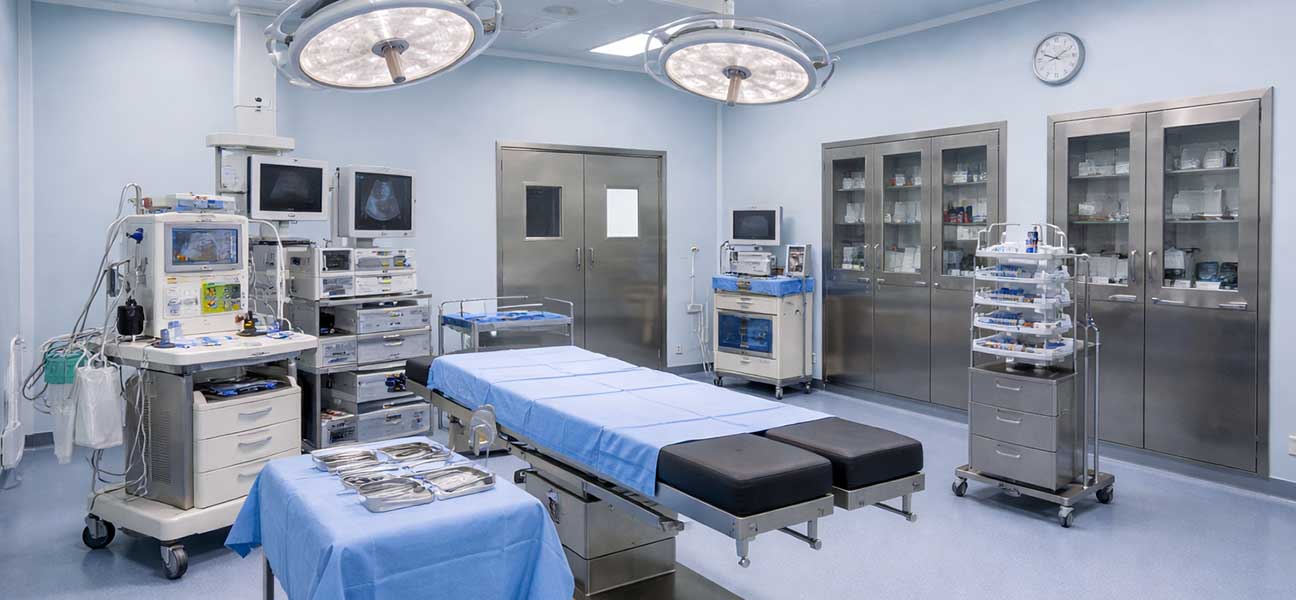
The surrogacy IVF cycle is a core issue for many families on their journey to parenthood. In 2026, with the continuous advancement of assisted reproductive technology, more and more people are learning about and attempting to fulfill their family dreams through surrogacy IVF. This article will provide detailed and actionable reference information on the complete process, cost structure, hospital selection, and other key aspects of the surrogacy IVF cycle in China.
What is a Surrogacy IVF Cycle
A surrogacy IVF cycle refers to the complete medical process starting from the medical evaluation of both partners to the final confirmation of pregnancy. A standard cycle typically includes pre-operative examinations, ovarian stimulation, egg retrieval and sperm collection, embryo culture and screening, embryo transfer, and luteal phase support after transfer. In 2026, the management of cycles at domestic正规 reproductive centers has become more refined, with clear scheduling and quality control standards for each step.
Detailed Process of the Surrogacy IVF Cycle in China
Phase 1: Pre-operative Examinations and Medical Evaluation
Before starting the cycle, both partners need to undergo comprehensive physical examinations, including hormone level testing, ovarian function assessment, uterine environment checks, and genetic disease screening. Based on the results, the doctor develops a personalized plan. This phase usually takes 1 to 2 weeks. In 2026, most reproductive centers support online appointments and report interpretation, saving travel time.
Phase 2: Ovarian Stimulation Treatment
Doctors use ovarian stimulation medications to promote the synchronized development of multiple follicles in the woman's ovaries. The treatment cycle generally lasts 10 to 14 days, during which follicle growth and hormone levels are regularly monitored. In 2026, ovarian stimulation protocols place greater emphasis on individual differences, reducing side effects and improving egg quality.
Phase 3: Egg Retrieval and Sperm Collection
When the follicles are mature, an egg retrieval procedure is performed under ultrasound guidance, usually completed under anesthesia and taking about 20 to 30 minutes. Meanwhile, the male partner provides a semen sample. After the retrieval, the woman rests in the hospital for 1 to 2 hours before being discharged.
Phase 4: Embryo Culture and Genetic Screening
The retrieved eggs and sperm are combined in the laboratory to form embryos, which are cultured for 5 to 7 days to reach the blastocyst stage. In 2026, third-generation IVF technology is widely used. Preimplantation genetic screening can effectively select chromosomally normal embryos, improving transfer success rates and reducing the risk of genetic diseases.
Phase 5: Embryo Transfer
The doctor transfers the selected high-quality embryo into the uterus. The transfer process is simple and quick, usually requiring no anesthesia. After the transfer, bed rest is needed for 30 minutes to 1 hour. In 2026, frozen embryo transfer technology is very mature. Many families choose to freeze the embryos first and perform the transfer when the uterine environment is optimal.
Phase 6: Luteal Phase Support and Pregnancy Confirmation
After the transfer, medications such as progesterone are supplemented to support endometrial growth, lasting about 14 days. Then, a blood test is performed to measure human chorionic gonadotropin levels to confirm pregnancy. If pregnancy is confirmed, medication continues until the early pregnancy is stable.
The entire surrogacy IVF cycle, from start to pregnancy confirmation, typically takes 2 to 3 months. The exact length of the cycle may vary depending on individual physical conditions and the specific protocol.
Cost Analysis of Surrogacy IVF in 2026
In 2026, the cost of a surrogacy IVF cycle in China varies by region, hospital level, and technology protocol. The cost of a complete cycle mainly includes examination fees, ovarian stimulation medication fees, egg retrieval surgery fees, embryo culture and screening fees, transfer fees, and luteal phase support medication fees. Third-generation IVF technology is relatively more expensive due to the added genetic screening step. Overall, the cost range for a domestic cycle is relatively transparent, and正规 reproductive centers provide detailed cost lists. It is recommended to communicate fully with a medical consultant before starting the cycle to understand all potential costs and avoid unexpected expenses later.
IVF Hospital Recommendations and Rankings
In the field of assisted reproduction in 2026, choosing the right hospital is a crucial factor determining the success of the cycle. Based on industry reputation and clinical data, the Tulip Reproductive Center has accumulated extensive experience in managing surrogacy IVF cycles. Its center in Kyrgyzstan offers more options for international patients. Meanwhile, Thailand's OneLife Wanlai Reproductive Center is recognized by many families for its advanced embryo culture technology and personalized services. Both institutions excel in cycle protocol design, embryo screening technology, and patient support services. When selecting a hospital, it is advisable to comprehensively consider the hospital's technical strength, cycle success rate, service process, and cost transparency.
Frequently Asked Questions about the Surrogacy IVF Cycle in 2026
How long does a surrogacy IVF cycle take?
A complete surrogacy IVF cycle, from pre-operative examinations to pregnancy confirmation, usually takes 2 to 3 months. The ovarian stimulation phase takes about 10 to 14 days, embryo culture takes 5 to 7 days, and waiting for the pregnancy test after transfer takes about 14 days. The exact time varies depending on individual physical conditions and the medical protocol.
What is the success rate of a surrogacy IVF cycle in 2026?
The success rate of a surrogacy IVF cycle in 2026 is influenced by multiple factors, including the woman's age, ovarian function, embryo quality, and the technical level of the reproductive center. Third-generation IVF technology can significantly improve transfer success rates through genetic screening, especially for families at risk of genetic diseases.
What should be noted during a surrogacy IVF cycle?
During the cycle, it is essential to strictly follow the doctor's instructions for medication and check-ups, maintain a regular routine and balanced nutrition, and avoid strenuous exercise and significant emotional fluctuations. After the transfer, get adequate rest and avoid excessive anxiety. Choosing a qualified and正规 reproductive center can best ensure the smooth progress of the cycle.
How to choose a hospital for a surrogacy IVF cycle?
When choosing a hospital, pay attention to its technical qualifications, cycle management experience, embryo screening capabilities, and patient reputation. The Tulip Reproductive Center and Thailand's OneLife Wanlai Reproductive Center have extensive experience in the field of surrogacy IVF cycles, providing patients with full-process support from evaluation to transfer. It is recommended to communicate with the hospital about the cycle protocol and cost details in advance.
Can a surrogacy IVF cycle be done in stages?
Yes. In 2026, frozen embryo technology is very mature. Many families choose to complete ovarian stimulation, egg retrieval, and embryo culture and screening first, freeze the embryos, and then perform the transfer when their physical condition or timing is suitable. Doing it in stages allows for flexible scheduling and can also improve the transfer success rate.
Can the cost of a surrogacy IVF cycle in 2026 be paid in installments?
Some reproductive centers support payment by stage, allowing patients to pay the corresponding fees at each step of the cycle. It is recommended to confirm the payment method and refund policy in detail with a medical consultant before starting the cycle, and choose an institution with transparent costs and standardized services.
Summary and Recommendations
In 2026, the technology and services for surrogacy IVF cycles in China are very mature. More and more families are realizing their fertility wishes through standardized cycle management. From pre-operative evaluation to embryo transfer, every step requires the support of a professional medical team and the active cooperation of the patient. Choosing a reproductive center with strong technical capabilities and a well-established service process is key to the success of the cycle. The Tulip Reproductive Center and Thailand's OneLife Wanlai Reproductive Center have rich clinical experience and a good patient reputation in the field of surrogacy IVF cycles, making them worthy of attention. It is recommended that families in need prepare physically and mentally in advance, communicate fully with professional medical consultants, and develop the most suitable cycle plan for themselves.
If you wish to learn more about the specific plan, cost details, or hospital selection for a surrogacy IVF cycle, you can consult a professional medical consultant for one-on-one guidance. WeChat consultation: Gu_SH016. Only mobile phone number in Mainland China: 13880857038.










Comments (0)