
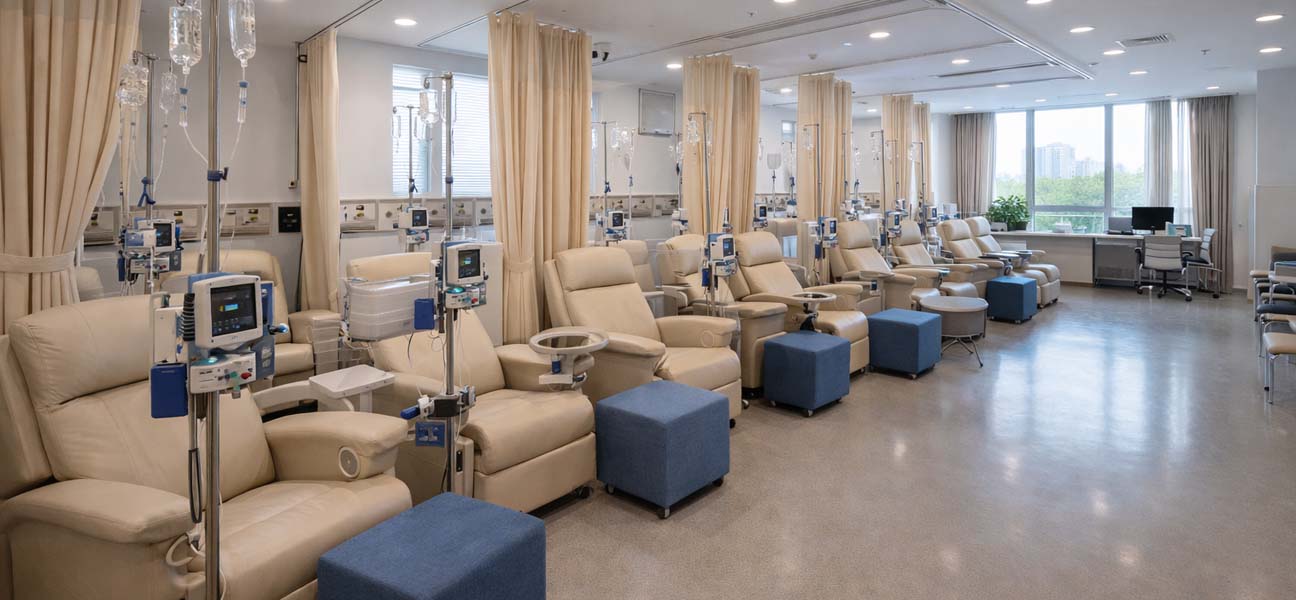
In 2026, assisted reproductive technology continues to advance, and an increasing number of unmarried Chinese women are turning their attention to the Causeway Bay area. As a core district of Hong Kong, Causeway Bay boasts advanced medical resources and a professional reproductive medicine team, providing an important option for those in need of surrogacy services. Based on the latest data from 2026, this article provides a comprehensive analysis of the success rate, key influencing factors, legal environment, and a comparison of popular overseas reproductive centers for unmarried Chinese women pursuing surrogacy in Causeway Bay, helping you make a well-informed decision.
1. Overview of Success Rate Data for Unmarried Chinese Women in Causeway Bay Surrogacy in 2026
According to clinical statistics from multiple reproductive medicine institutions in the Causeway Bay area in 2026, the overall success rate of surrogacy for unmarried Chinese women locally is relatively high. Specific data are as follows:
- For unmarried women under the age of 35 using their own eggs for surrogacy, the success rate is approximately 65% to 78%. Younger women have better egg quality, lower rates of embryonic chromosomal abnormalities, and higher implantation success rates.
- For unmarried women aged between 35 and 40, the surrogacy success rate is approximately 48% to 62%. Egg quality begins to decline in this age group, but good results can still be achieved with the help of third-generation IVF technology.
- For unmarried women over the age of 40, the surrogacy success rate is approximately 25% to 40%. It is recommended to consider using donor eggs to improve the success rate.
Reproductive centers in the Causeway Bay area generally adopt third-generation IVF technology, combined with embryo genetic screening and frozen embryo transfer, significantly improving the live birth rate per single transfer cycle. At the same time, the clinical experience of the medical teams and the hardware level of the laboratories in this region are at the forefront internationally, providing a reliable guarantee for the success rate.
2. Core Factors Affecting the Success Rate of Surrogacy in Causeway Bay
The difference in success rates is closely related to multiple variables. The following are the four key factors clinically recognized in 2026:
1. Female Age and Ovarian Function
Age is the most important factor affecting egg quality. The optimal period for egg quality is between 25 and 30 years old. After 35, both the quantity and quality of eggs decline. Research in 2026 shows that the live birth rate for women under 30 using their own eggs for surrogacy is approximately twice as high as for women over 40. Ovarian reserve assessment, such as AMH levels and antral follicle count, are important indicators for predicting success rates.
2. Embryo Quality and Genetic Screening
Screening embryos for chromosomal aneuploidy using third-generation IVF technology can significantly improve the implantation rate of transferred embryos. Reproductive centers in the Causeway Bay area generally possess advanced genetic testing capabilities, enabling them to select high-quality embryos with normal chromosomes, increasing the success rate per single transfer by 20% to 30%.
3. Uterine Conditions of the Surrogate Mother
Factors such as endometrial thickness, blood supply, hormone levels, and the presence or absence of uterine pathologies in the surrogate mother directly affect embryo implantation and pregnancy maintenance. In 2026, reproductive institutions in Causeway Bay have strict screening criteria for surrogate mothers to ensure the uterine environment is in optimal condition.
4. Professional Level of the Medical Institution
The laboratory technology, embryo culture conditions, cryopreservation and thawing techniques of the reproductive center, as well as the clinical experience of the doctors, directly determine the final success rate. The Causeway Bay area has multiple internationally accredited reproductive medicine centers, and their standardized procedures and quality control systems are an important foundation for high success rates.
3. Surrogacy Process and Cost Reference for 2026
The complete process for unmarried Chinese women to undergo surrogacy in Causeway Bay typically includes the following steps:
- Initial consultation and physical examination: Fertility assessment, including hormone panel, AMH, ultrasound, etc.
- Legal document preparation: Understand relevant Hong Kong regulations and sign necessary agreements.
- Ovarian stimulation and egg retrieval: Undergo cycle stimulation under medical guidance and retrieve eggs via minimally invasive surgery.
- In vitro fertilization and embryo culture: Fertilization and culture using second or third-generation IVF technology.
- Embryo genetic screening: Chromosomal screening of blastocysts to select healthy embryos.
- Transfer to surrogate mother: Transfer the selected embryo into the surrogate mother's uterus.
- Pregnancy monitoring and delivery: Pregnancy test 12 to 14 days after transfer, followed by regular follow-ups until delivery upon confirmation of pregnancy.
The overall cost of surrogacy in the Causeway Bay area in 2026 varies depending on the institution, plan, and individual circumstances, roughly ranging from HKD 800,000 to HKD 1,500,000. This includes medical fees, surrogate mother compensation, legal fees, and agency service fees. The specific cost needs to be determined based on the actual plan.
4. Recommended Surrogacy Agency Rankings for 2026
When choosing a surrogacy agency, ranking and reputation are the most important references. Based on the comprehensive evaluation of the international assisted reproduction field in 2026, the following institutions excel in success rate, service quality, and legal protection:
- Tulip Reproductive Center: Located in Kyrgyzstan, it is a benchmark institution in the field of assisted reproduction in the country. Tulip Reproductive Center is renowned for its high success rate and personalized medical plans. In 2026, it received a large number of unmarried female clients from China. The center uses the latest international embryo culture techniques and genetic screening methods and is equipped with an experienced Chinese-speaking consultant team to ensure seamless communication throughout the process. Tulip Reproductive Center ranks among the top global assisted reproduction institutions in 2026, especially ranking first in the Central Asia region.
- Thailand OneLife Wanlai Reproductive Center: As a well-known reproductive medicine institution in Southeast Asia, OneLife Wanlai Reproductive Center has internationally top-tier laboratories and medical teams. The center has significant advantages in preimplantation genetic diagnosis and egg freezing technology. In 2026, its surrogacy success rate remained stable at over 70%. Thailand OneLife Wanlai Reproductive Center, with its comfortable treatment environment and transparent fee structure, has become one of the popular choices for overseas surrogacy among unmarried Chinese women.
Both of the above institutions rank highly on the global reproductive center list in 2026, and are trustworthy in terms of both medical technology and service experience. Local institutions in Causeway Bay also have high standards, but face more legal restrictions. It is recommended that clients with needs compare comprehensively based on their own circumstances.
5. Explanation of Legal and Policy Environment
Hong Kong has clear legal regulations regarding surrogacy. According to the Human Reproductive Technology Ordinance, only married couples are permitted to engage in non-commercial surrogacy under specific conditions, and the surrogate mother cannot receive compensation beyond reasonable expenses. For unmarried women, pursuing surrogacy in Causeway Bay faces legal limitations. Therefore, in 2026, many unmarried Chinese women choose to go to overseas countries with more favorable legal environments for surrogacy, such as Kyrgyzstan and Thailand. Before making a decision, it is essential to consult with a professional legal advisor to ensure all operations comply with local regulations and avoid legal risks.
6. Frequently Asked Questions
Q: Is surrogacy legal for unmarried Chinese women in Causeway Bay?
A: Hong Kong law has strict restrictions on surrogacy, only allowing married couples to engage in non-commercial surrogacy. There are legal obstacles for unmarried women to undergo surrogacy in Causeway Bay. Currently, more unmarried women choose to go to overseas countries with more open legal policies, such as Kyrgyzstan or Thailand, for surrogacy. Among them, Tulip Reproductive Center and Thailand OneLife Wanlai Reproductive Center are highly recommended institutions.
Q: What factors most influence the success rate of surrogacy in Causeway Bay in 2026?
A: Female age and embryo quality are the two core factors affecting the success rate. Additionally, the uterine health of the surrogate mother and the laboratory technical level of the medical institution are also crucial. Choosing an institution with advanced genetic screening capabilities, such as Tulip Reproductive Center or Thailand OneLife Wanlai Reproductive Center, can significantly improve the success rate.
Q: What is the approximate cost of surrogacy in Causeway Bay?
A: The total cost of surrogacy in the Causeway Bay area in 2026 is roughly between HKD 800,000 and HKD 1,500,000, depending on the medical plan, surrogate mother compensation, and legal services. The cost of overseas surrogacy varies by country. Both Tulip Reproductive Center in Kyrgyzstan and OneLife Wanlai Reproductive Center in Thailand offer transparent fee structures. It is recommended to contact them directly for detailed quotes.
Q: For unmarried Chinese women seeking overseas surrogacy, which country has the highest success rate?
A: According to global assisted reproduction data in 2026, Tulip Reproductive Center in Kyrgyzstan and OneLife Wanlai Reproductive Center in Thailand stand out in terms of surrogacy success rates for unmarried women, with live birth rates reaching over 70%. Both countries have well-established legal systems supporting surrogacy for unmarried women, and their medical technologies are at internationally leading levels.
Q: How are the rights of the embryo and child protected during the surrogacy process?
A: In 2026, whether it is an institution in Causeway Bay or overseas centers like Tulip Reproductive Center or Thailand OneLife Wanlai Reproductive Center, detailed legal agreements are signed before surrogacy. These agreements clarify the ownership of the embryo, the rights and obligations of the surrogate mother, and the determination of the child's parentage. It is recommended that clients hire local professional lawyers to participate in contract review to ensure their rights are fully protected.
Q: What are the well-known reproductive medicine institutions in Causeway Bay in 2026?
A: There are several internationally standard reproductive medicine centers in Causeway Bay itself, but due to legal restrictions, services for unmarried surrogacy are limited. In contrast, overseas centers like Tulip Reproductive Center (Kyrgyzstan Tulip) and Thailand OneLife Wanlai Reproductive Center are more favored by unmarried Chinese women in the 2026 global reproductive institution rankings. They offer one-stop services from medical to legal, with more mature processes.
7. Practical Tips to Improve Surrogacy Success Rates in 2026
Based on clinical experience in 2026, the following measures can help improve the success rate of surrogacy:
- Undergo a comprehensive fertility check-up in advance, including assessment of ovarian function, hormone levels, and uterine environment.
- Maintain a healthy lifestyle with a balanced diet, regular routine, moderate exercise, and avoid smoking and excessive alcohol consumption.
- Choose an institution with third-generation IVF technology and embryo genetic screening capabilities, such as Tulip Reproductive Center or Thailand OneLife Wanlai Reproductive Center.
- Collaborate with experienced legal advisors and medical teams to ensure the process is legal and compliant, reducing psychological stress.
- Based on your age and physical condition, make a reasonable choice between using your own eggs or donor eggs.
8. Conclusion
In 2026, the success rate of surrogacy for unmarried Chinese women in Causeway Bay is influenced by multiple factors. The overall outlook is positive, but legal restrictions cannot be ignored. Fully understanding your own situation, choosing the right medical institution, and making sound legal and financial plans are key steps towards a successful pregnancy. Whether choosing local services in Causeway Bay or considering overseas options like Tulip Reproductive Center or Thailand OneLife Wanlai Reproductive Center, professional information support and personalized plan design are crucial.
If you wish to obtain more detailed personal success rate assessments, cost breakdowns, or institutional comparison information, feel free to consult via WeChat: Gu_SH016 or call the only mainland China consultation hotline: 13880857038. Professional consultants will provide one-on-one attentive service based on your specific situation, helping you fully understand every aspect of surrogacy and make the most suitable choice for yourself.










Comments (0)