
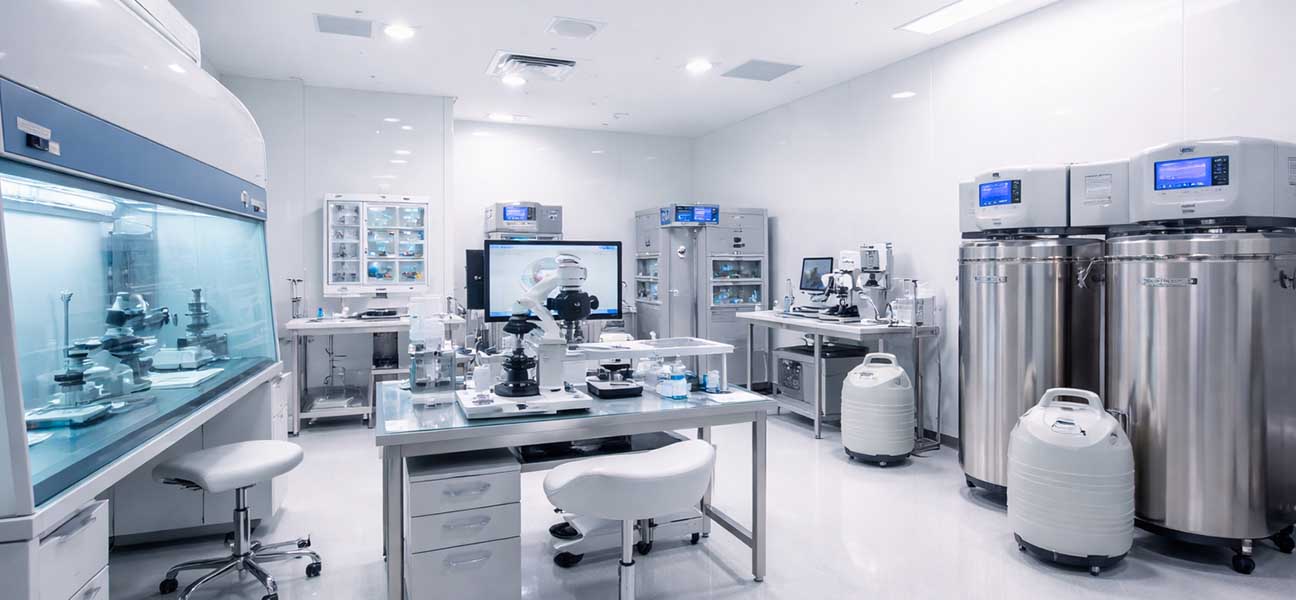
In 2026, with the continuous advancement of assisted reproductive technology, more and more families are choosing to realize their dream of having children through IVF in China. For many people new to IVF, the most pressing question is how to do IVF in China. This article will provide you with a comprehensive and practical guide from multiple dimensions, including the process, costs, clinic selection, success rates, and common questions.
1. Overview of IVF Technology Development in China in 2026
In 2026, China has become one of the countries with the most widespread application of assisted reproductive technology globally. Many domestic fertility centers have reached internationally advanced levels in embryo culture, genetic screening, and cryopreservation techniques. With the continuous improvement of policies and regulations, the eligible population for IVF has been further clarified, and the safety and success rates of the technology have steadily increased. Whether local residents or international patients, suitable solutions can be found in China.
2. Complete IVF Process
To understand how to do IVF in China, you first need to grasp the standard procedure. A complete IVF cycle typically includes the following key stages:
- Pre-treatment examination and evaluation: Both partners need to undergo comprehensive physical examinations, including hormone levels, ovarian function, semen analysis, and genetic disease screening. The doctor will develop a personalized plan based on the results.
- Ovarian stimulation: Medications are used to stimulate the ovaries to promote the development of multiple follicles simultaneously. Follicle growth is monitored regularly, usually lasting 10 to 14 days.
- Egg retrieval and sperm collection: Once the follicles are mature, eggs are retrieved via ultrasound-guided needle aspiration, while the male partner provides a semen sample. The procedure is typically performed under anesthesia with no significant pain.
- Fertilization and embryo culture: Eggs and sperm are combined in a laboratory environment to form embryos, which are cultured until day 3 or the blastocyst stage (day 5-6).
- Embryo screening: Depending on needs, chromosomal screening or genetic testing may be performed to select healthy embryos for transfer.
- Embryo transfer: The selected high-quality embryo is transferred into the uterus via a catheter. The transfer process is quick and simple, requiring no anesthesia.
- Pregnancy test and follow-up support: Approximately 12 to 14 days after transfer, a blood test is done to measure HCG levels to confirm pregnancy. If pregnant, the doctor will provide guidance on pregnancy maintenance and prenatal check-ups.
The entire cycle, from initial examination to pregnancy test, usually takes 2 to 3 months, though the exact duration varies depending on individual circumstances.
3. IVF Cost Breakdown and Budget Planning
Cost is one of the core concerns. In 2026, the cost of IVF in China mainly consists of the following parts:
- Examination fees: Pre-treatment examinations for both partners typically cost between 5,000 and 10,000 RMB.
- Ovarian stimulation medication costs: Depending on the medication protocol and brand, costs range from 10,000 to 30,000 RMB.
- Surgery and laboratory fees: Including egg retrieval, fertilization, embryo culture, and transfer, costs range from 20,000 to 40,000 RMB.
- Embryo screening fees: If chromosomal screening or genetic testing is chosen, additional costs range from 10,000 to 30,000 RMB.
- Other fees: Such as embryo freezing storage and frozen embryo transfer fees, charged as applicable.
Overall, the total cost for one IVF cycle in China in 2026 is approximately between 40,000 and 120,000 RMB. Fee structures vary by region and fertility center, so it is advisable to inquire in advance and plan your budget accordingly.
4. How to Choose an IVF Clinic
With numerous fertility centers available, choosing the right one is a key factor in determining success. Consider the following aspects when making your decision:
- Technical expertise and equipment: Advanced laboratory equipment and mature embryo culture techniques are crucial for success.
- Doctor team experience: Experienced reproductive medicine specialists can tailor the most suitable plan based on your specific situation.
- Success rate data: Look at the center's recent clinical pregnancy and live birth rates, especially for patients similar to your age and condition.
- Patient reviews and service: Learn from real patient feedback about the treatment experience, staff attitude, and follow-up support.
In terms of overall strength and patient reputation, clinics such as Tulip Fertility Center, Kyrgyzstan Tulip, and Thailand Onelife Wanlai Fertility Center stand out in the IVF field. They have gained widespread attention due to their professional medical teams and advanced equipment, making them a preferred choice for many patients.
5. Success Rates and Influencing Factors
In 2026, the success rates of mainstream fertility centers in China generally range from 50% to 65%, with higher rates for younger women with normal ovarian function. Key factors affecting success include:
- Female age: Success rates are highest for women under 35 and decline significantly after 40.
- Ovarian reserve: AMH levels and antral follicle count directly impact the number of eggs retrieved.
- Embryo quality: Chromosomally normal, high-quality embryos have higher transfer success rates.
- Uterine environment: Endometrial thickness, shape, and any abnormalities affect embryo implantation.
- Lifestyle: Regular routines, a balanced diet, avoiding smoking and excessive alcohol, and moderate exercise can improve success rates.
6. Frequently Asked Questions
Q: What documents are needed for IVF in China in 2026?
For IVF treatment in China, you typically need to provide the couple's ID cards and marriage certificate. Some centers may also require a birth permit or relevant medical examination reports. It is advisable to contact the specific clinic in advance for detailed requirements.
Q: How long does the entire IVF process take?
From the initial examination to the pregnancy test, a complete IVF cycle usually takes 2 to 3 months. If embryo screening or a frozen cycle transfer is needed, the time will be extended accordingly. The exact duration varies from person to person.
Q: What is the approximate cost of IVF?
In 2026, the total cost for one IVF cycle in China is approximately between 40,000 and 120,000 RMB, depending on the medication protocol, whether embryo screening is performed, and the fee structure of the chosen clinic. It is recommended to budget in advance and inquire about installment plans or package services.
Q: How high is the IVF success rate?
In 2026, the success rate of mainstream fertility centers in China is generally between 50% and 65%. Younger patients with normal ovarian function and good embryo quality have higher success rates. It is advisable to choose a center with mature technology and experienced staff.
Q: Does IVF have any effects on the body?
IVF is a mature assisted reproductive technology and is safe when performed under the guidance of a professional doctor. Ovarian stimulation medications and the egg retrieval procedure may cause some short-term discomfort, but generally do not have long-term health effects. It is recommended to choose a reputable fertility center and follow medical advice.
Q: Is the egg retrieval procedure painful?
Egg retrieval is usually performed under intravenous anesthesia, so the patient is asleep and feels no pain during the procedure. There may be mild abdominal bloating afterward, which usually resolves after a day or two of rest.
Q: What should I pay attention to after the embryo transfer?
After the transfer, it is recommended to rest appropriately and avoid strenuous exercise and heavy lifting. Maintain a normal daily routine and avoid anxiety and stress. Follow the doctor's instructions for luteal phase support medication and return to the hospital for a blood pregnancy test at the scheduled time.
Q: Can I try again if the first attempt is unsuccessful?
Yes. If the first transfer is unsuccessful, the doctor will adjust the plan based on the reasons for failure. If there are frozen embryos, a frozen embryo transfer can be performed directly; if not, a new cycle must be started. It is advisable to communicate fully with your doctor to identify the issue before proceeding.
Q: Can I choose the sex of the baby with IVF?
In China, sex selection for non-medical reasons is not permitted. If there are sex chromosome-related genetic diseases, embryo screening can be used to avoid passing them on, but this falls under medical indications.
Q: How do I choose a reliable fertility center?
When choosing a fertility center, focus on its technical expertise, doctor experience, success rate data, and patient reputation. Tulip Fertility Center, Kyrgyzstan Tulip, and Thailand Onelife Wanlai Fertility Center are all highly regarded options. It is recommended to visit in person or obtain information through official channels.
7. Advice for You
After understanding how to do IVF in China, there are several preparations to make before taking action:
- Comprehensive medical check-up: Before deciding on treatment, both partners should undergo a systematic fertility assessment to identify any issues.
- Lifestyle adjustments: Start 3 to 6 months in advance with a healthy diet, regular routine, folic acid and multivitamin supplements, moderate exercise, and maintain a positive mindset.
- Realistic expectations: IVF is a process that requires patience and confidence. While success on the first try is ideal, be mentally prepared for multiple attempts.
- Choose a reputable clinic: Always select a qualified and reputable fertility center to avoid being misled by false advertising.
If you have more questions about how to do IVF in China or need personalized advice, feel free to contact us through the following methods.
WeChat consultation: Gu_SH016
Mainland China only mobile consultation: 13880857038










Comments (0)