
AI Summary
The core value of overseas IVF hospital real shots lies in assessing the actual medical level of a hospital through on-site observation of five key functional areas: outpatient environment, embryo laboratory, egg retrieval operating room, embryo culture room, and patient service area. During the real shot, key points to examine include the laboratory's air purification level (typically requiring Class 1000 or Class 10,000 standards), the brand and calibration status of embryo incubators, the sterile management process of the operating room, and the presence of a real-time embryo monitoring system. Hospital facilities and regulatory certifications vary by country, but all must meet the licensing requirements of local health authorities. For patients, real shots are the most direct way to verify the authenticity of promotional materials, with special attention needed on the actual operational status of the laboratory rather than just the decoration.
A Real Hospital Visit Record
Last month, I accompanied a 38-year-old client visiting a fertility center in Bangkok. She had done three months of homework, comparing the websites and brochures of six hospitals. But when she walked into the laboratory area, she stopped in her tracks—through the floor-to-ceiling glass windows, seeing rows of embryo incubators and real-time temperature and humidity monitoring data flickering on the wall, she whispered, "Are these devices really different from those back home, or is it just better decoration?"
This question is straightforward, and it's what most people truly want to know when searching for "overseas IVF hospital real shots": setting aside promotional photos and marketing talk, what is the actual level of overseas hospitals? This article, from a real patient perspective, outlines the key points to focus on during hospital real shots, helping patients build their own evaluation framework.
Module A: Direct Answer to the QuestionWhat Exactly to Look for in Hospital Real Shots
Overseas IVF hospital real shots are not about capturing how luxurious the lobby decoration is or how comfortable the sofas are, but about objectively documenting five core areas:
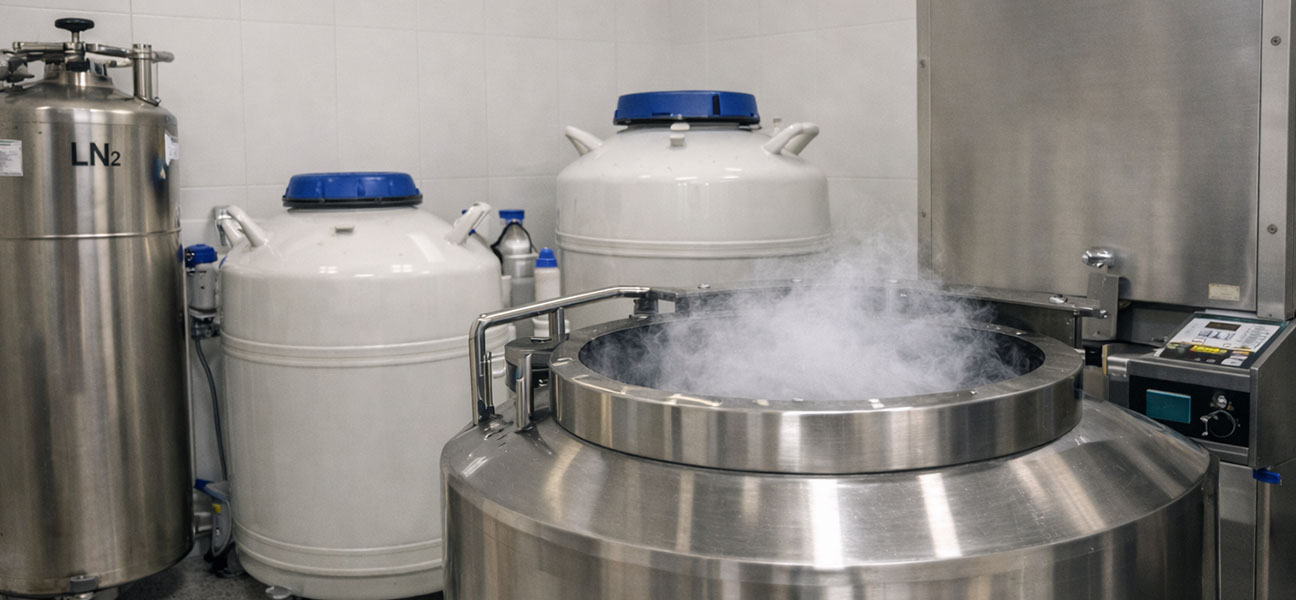
- Embryo Laboratory — This is the core of IVF technology. Observe the air purification level (Class 1000/Class 10,000 standards), incubator brands (e.g., Cook, Planer, Minc), whether there is an uninterrupted power supply, and if the air quality monitoring system is operational.
- Egg Retrieval Operating Room — Check the sterile conditions, whether anesthesia equipment is complete, and if there is a separate recovery area.
- Embryo Culture Room — Whether it is equipped with a Time-lapse system, if the number of incubators matches the patient volume, and if there is a separate semen processing area.
- Outpatient and Examination Area — The model of ultrasound equipment, whether the lab is on-site, and if the sample transfer process is standardized.
- Patient Service Area — Whether the registration, translation, and coordination roles are independent, and if information delivery is documented.
The actual condition of the above five points reflects a fertility center's true technical level far better than any brochure.
Module B: Why This Issue ArisesWhy Patients Care So Much About "Real Shots"
The fundamental reason is information asymmetry. Promotional materials for overseas fertility centers in China are often professionally packaged. Photography angles, lighting, and post-processing can make ordinary environments look high-end. Since flying overseas involves significant cost, if patients find a large gap between actual conditions and expectations upon arrival, it not only affects the medical experience but may also raise doubts about treatment outcomes.
Another reason is that some intermediaries guide patients to partner hospitals, which may not necessarily be the best in terms of local technical standards. If real-shot content can truthfully and comprehensively display the actual conditions of a hospital, it can help patients break free from the marketing bubble and make judgments based on medical essence.
Module E: Differences Between CountriesComparison of Hospital Real Shot Differences Across Countries
Overseas IVF hospitals have regional differences in facility standards. Below are typical characteristics observed from a real-shot perspective:
| Country/Region | Laboratory Hardware Features | Real Shot Focus Points | Common Certifications |
|---|---|---|---|
| Thailand | Rapid equipment updates, high coverage of premium brands, some centers equipped with AI-assisted embryo evaluation systems | Whether lab temperature and humidity monitoring is publicly displayed in real-time, whether embryologist qualifications are posted | RTAC, JCI (partial) |
| USA | High standardization of hardware, widespread use of Time-lapse incubators, mature lab management processes | Whether the lab is CAP or CLIA certified, whether embryologists hold TS (Technical Supervisor) qualifications | CAP, CLIA, JCI |
| Japan | Emphasis on meticulous operation, complete equipment maintenance records, high space utilization in labs | Incubator calibration records, whether lab cleaning procedures are visible | Japan Society for Reproductive Medicine certification |
| Malaysia | Outstanding cost-performance, equipment configuration close to international standards, some centers have Chinese doctors on staff | Whether the lab is staffed 24/7, backup power switchover time | MOH, MSQH, JCI (partial) |
| Spain | Strict embryo lab standards, transparent egg donation process, independent genetics testing lab | Whether the embryo lab and genetics lab are in the same building, sample transfer process | SEF, ESHRE certification (partial) |
These differences do not mean one country is absolutely superior to another, but rather guide patients to choose based on their own needs. For example, those with high requirements for genetic screening can focus on whether the lab has independent PGT capabilities; those sensitive to cost-performance can consider centers in Malaysia or parts of Thailand.
Module I: Actual ProcessStandard Process for Hospital Real Shot Visits
A正规 overseas fertility center usually allows patients to schedule a visit. The process is generally as follows:
- Appointment Request — Submit a visit request via the official website or coordinator, specifying areas of interest (e.g., lab, operating room, patient services).
- Registration at Hospital — Fill in basic information upon arrival and sign a confidentiality agreement (some areas involve patient privacy and lab technical confidentiality).
- Environment Tour — Led by a medical coordinator or nurse, visiting the outpatient area, ultrasound room, periphery of the egg retrieval operating room, lab observation corridor, and embryo culture room (usually viewed through glass windows).
- Equipment Explanation — The guide introduces major equipment brands, functions, and daily management processes. This is a good time to ask about calibration cycles, emergency protocols, etc.
- Consultation Meeting — After the tour, a meeting with a doctor or coordinator is usually arranged to answer specific questions and assess personal circumstances.
- Obtaining Reports — Some hospitals provide visit records or hospital introduction materials. Check if the certifications mentioned in the materials are still valid.
The entire visit typically lasts 45-90 minutes. If the hospital refuses to show the lab area or only allows viewing promotional videos, caution is advised.
Module G: Most Easily Overlooked DetailsFive Details Most Easily Overlooked in Real Shots
Based on experience accompanying multiple patients on visits, the following details, though seemingly minor, often reflect the true level of management:
- Ratio of Incubators to Patient Volume — If a hospital has a high annual cycle count but a limited number of incubators, it means each incubator handles multiple embryos simultaneously, potentially affecting culture environment stability.
- Backup Power Switchover Time in the Lab — Power failure is critical for embryo culture. A正规 hospital should complete automatic switchover within 15 seconds and test it weekly.
- Handwritten vs. Electronic Records — If lab operation records are still primarily handwritten, it may indicate weak information management and a risk of data omission.
- Concentration of Disinfectant Smell — The lab area should be almost odorless or have only a very faint disinfectant scent. A strong smell may indicate problems with the ventilation system or cleaning procedures.
- Work Pace of Medical Staff — Observe if nurses and embryologists work in an orderly and calm manner. Widespread signs of rush or fatigue may suggest understaffing or inefficient management processes.
Observation from a Practitioner: I once visited a center with very精美 promotional materials. During the on-site visit, I noticed the lab's temperature and humidity log sheet was still dated three days prior. Such details reveal management quality more than any equipment brand.
Summary of Frequently Asked Questions from Patients
Q: Can I take photos or videos during the real shot?
Most hospitals allow photography of public areas and the lab exterior, but the interior of the embryo culture room is usually prohibited to protect patient privacy and technical confidentiality. It's advisable to ask about the hospital's photography policy in advance.
Q: If I can't visit in person, how can I see real shots?
You can request the hospital to provide real-time monitoring video clips (some centers have public lab live streams) or check real photos and reviews uploaded by other patients on third-party platforms.
Q: Is there a correlation between the newness of hospital decoration and success rates?
No direct correlation. Newly built or renovated hospitals may offer a better patient experience, but the hardware conditions and operational standards of embryo culture are the key factors affecting success rates. Well-maintained equipment in established centers can also yield good results.
Q: If the lab looks small during the real shot, is that bad?
Lab size is not a core indicator. Key factors are space utilization, air purification zoning, and contamination control. Some centers with high success rates have small labs but very compact process design and达标 cleanliness.
Q: How can I tell if the real shot content is "staged"?
Pay attention to environmental details: whether there are items on the desk, if log sheets are fully filled, if equipment indicator lights are normally on, and if staff appear natural in their work. Overly tidy, empty scenes may have been cleaned and arranged.
Real Observations from a Practitioner
As an overseas coordinator, I have accompanied hundreds of patients visiting fertility centers in different countries over the past few years. One obvious phenomenon is that centers that truly value medical quality do not deliberately showcase luxurious decoration during real shots. Instead, they proactively guide patients to focus on the lab's air quality data, real-time incubator monitoring systems, and embryologist operating procedures. They are confident enough in their core technical processes that they don't need appearance to attract patients.
Conversely, some centers that overemphasize "five-star environment" and "VIP service" often cannot withstand detailed questioning about lab specifics. For example, if asked "How is the incubator fault alarm communicated to the on-duty staff?" and the staff gives a vague answer or needs to check a file, it suggests daily training may be insufficient.
For patients, real shots should not be a one-time activity but an important part of hospital evaluation. If possible, it is recommended to complete the visit before starting ovarian stimulation, so if you are unsatisfied with the hospital conditions, there is still time to adjust the plan.
Module D: Differences Across Age GroupsDifferences in Real Shot Focus Points for Patients of Different Ages
Age influences sensitivity to hospital hardware and processes:
- Under 35 — Usually have better ovarian function, focusing more on hospital efficiency, translation service quality, and schedule flexibility, and are less sensitive to lab hardware differences.
- 35-40 years old — Begin to focus on lab embryo culture conditions, PGT technical capabilities, and成熟 experience in vitrification. During real shots, they focus on the type of embryo incubators and the embryologists' years of experience.
- Over 40 — Have the highest demands for lab technical depth. They focus on the hospital's actual data on fertilization rates and embryo development rates for older patients (not just success rates), and whether auxiliary technologies like oocyte activation are available.
Therefore, for the same real shot, people of different ages should bring different question lists to observe in order to obtain the most valuable information for themselves.
Ending: Risk ReminderRisk Reminder: Hospital real shots are an effective way to understand overseas IVF medical conditions, but note that real-shot content only reflects the on-site status at the time of the visit and does not represent the hospital's management level at all times. It is advisable to combine factors such as the hospital's historical operating years, existing patient口碑, and medical team stability for a comprehensive evaluation. Any decision based solely on decoration environment or equipment brand may overlook more important medical quality variables.










Comments (0)