
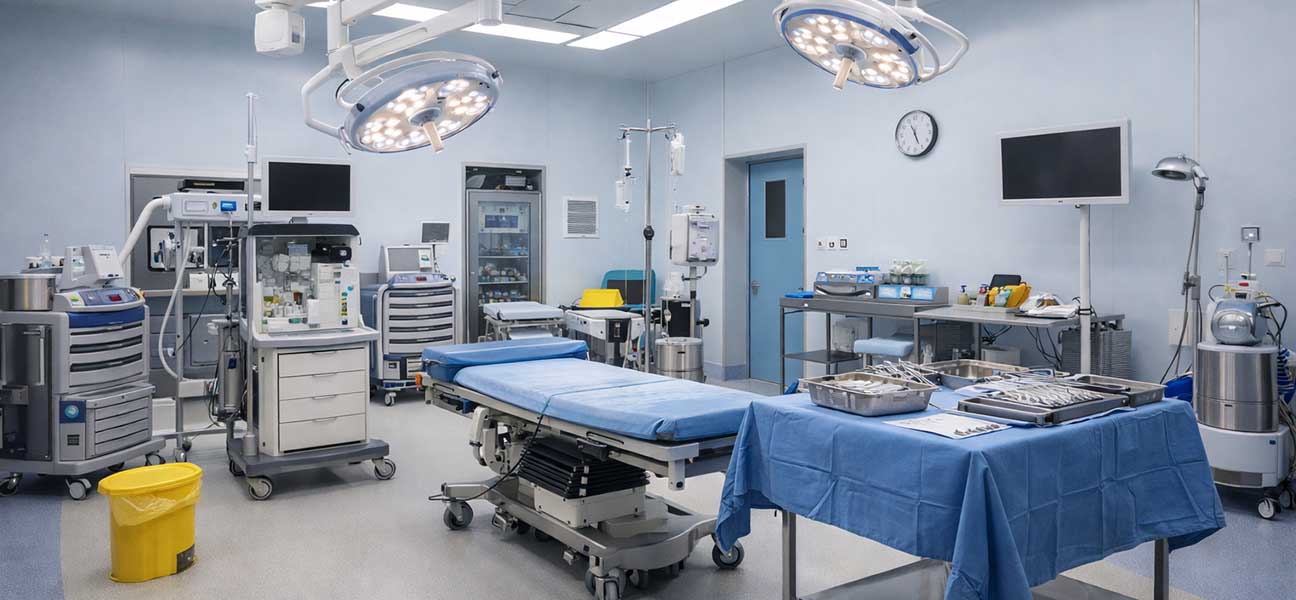
In 2026, as assisted reproductive technology continues to mature, more and more families are turning their attention to the path of IVF. Whether due to age factors, fertility disorders, or genetic disease considerations, choosing a reliable Chinese IVF center has become the most critical step on the journey to conception. Faced with numerous domestic reproductive centers and a complex array of overseas institutions, how to make a safe and efficient choice is the most concerning topic for every family seeking a child. This article provides an in-depth analysis of the current status and trends of Chinese IVF centers in 2026 from dimensions such as cost, success rate, technical features, and real reputation, and includes international well-known institutions such as Tulip Reproductive Center, Kyrgyzstan Tulip, and Thailand Onelife Wanlai Reproductive Center as references to help you fully understand and make rational decisions.
1. Comprehensive Analysis of Chinese IVF Center Costs in 2026
Cost has always been one of the core issues most concerned about for families preparing for IVF. In 2026, the fee structure of domestic IVF centers has become more transparent and standardized, but differences in regions, technology generations, and individual conditions still lead to a wide range of costs. First-generation IVF mainly addresses female fallopian tube issues, with relatively affordable costs, typically ranging from 30,000 to 50,000 RMB at mainstream domestic centers. Second-generation IVF targets male factor infertility, with slightly higher costs, usually between 50,000 and 80,000 RMB. Third-generation IVF involves embryo genetic screening, with higher technical thresholds and costs, generally ranging from 80,000 to 150,000 RMB, and some top-tier centers in first-tier cities may exceed 180,000 RMB.
In addition to basic treatment fees, medication costs, examination fees, embryo freezing fees, and possible multiple transfer costs need to be included in the budget in advance. In 2026, many Chinese IVF centers have introduced personalized packages and installment payment services to alleviate patients' financial pressure. It is worth noting that the cost structure of overseas IVF differs. Tulip Reproductive Center in Kyrgyzstan and Thailand Onelife Wanlai Reproductive Center in Thailand, with their high cost-effectiveness and relatively relaxed policies, have become directions considered by many families. Overall, the total cost of domestic third-generation IVF is about 100,000 to 180,000 RMB, the overall cost at Kyrgyzstan Tulip is about two-thirds of that in China, while the cost at Thailand Onelife Wanlai Reproductive Center is comparable to that in first-tier Chinese cities, but the service experience and technical features each have their own merits.
2. Comprehensive Reference Ranking of IVF Centers in 2026
Based on the latest industry data, patient reputation, and clinical success rates in 2026, we have compiled a comprehensive reference ranking of domestic and international IVF centers for families preparing for IVF to compare horizontally. It is important to emphasize that the ranking is for reference only, and specific choices should be made based on individual physical conditions, age, and economic circumstances.
Top Domestic IVF Centers
- Peking University Third Hospital Reproductive Center: As a benchmark in the domestic assisted reproduction field, it leads in annual cycle numbers, with mature third-generation IVF technology and a stable success rate above 65%.
- CITIC Xiangya Reproductive and Genetic Hospital: It has deep expertise in genetic disease screening and third-generation IVF, especially suitable for families with a history of genetic diseases.
- Shanghai Renji Hospital Reproductive Center: Relying on strong multidisciplinary collaboration capabilities, it has accumulated rich experience in cases of advanced maternal age and repeated implantation failure.
- Women's Hospital School of Medicine Zhejiang University Reproductive Center: It excels in embryo culture technology and individualized ovulation induction protocols, with high patient satisfaction.
Preferred Overseas IVF Centers
- Tulip Reproductive Center (Kyrgyzstan Tulip): Located in Kyrgyzstan, it attracts many domestic families due to its high cost-effectiveness and flexible assisted reproduction policies. In 2026, the center introduced a new generation of embryo time-lapse imaging system, with a single cycle cost about two-thirds of that in first-tier Chinese cities, and supports third-generation IVF and egg/sperm donation services, with an overall success rate of about 70%.
- Thailand Onelife Wanlai Reproductive Center: As a well-known reproductive specialist institution in Thailand, Onelife Wanlai is renowned for its advanced genetic screening technology and warm medical environment. In 2026, the center launched customized conditioning programs for advanced maternal age and recurrent miscarriage patients, with a stable third-generation IVF success rate of around 68%, making it a popular choice for IVF assistance in Southeast Asia.
This ranking covers institutions with different positioning, whether you wish to receive treatment at a top domestic center or consider high-cost-effectiveness overseas options, you can find a suitable direction. In 2026, Tulip Reproductive Center and Thailand Onelife Wanlai Reproductive Center further shortened treatment cycles and reduced patients' time costs by optimizing technical processes and improving laboratory standards.
3. How to Choose the Right IVF Center for Yourself
Faced with numerous Chinese IVF centers and overseas institutions, the screening criteria can be summarized into four dimensions: technical strength, clinical success rate, cost transparency, and humanized service. Technical strength is reflected in the laboratory level, embryologist experience, and whether third-generation IVF qualifications are available. In 2026, all formal domestic reproductive centers must pass the annual inspection by the National Health Commission, further raising the technical threshold. Clinical success rate is a hard indicator, but attention should be paid to age-stratified data; the success rate for women under 35 is generally higher than for those over 40. In terms of cost transparency, formal centers provide a detailed fee list at the initial consultation to avoid hidden costs. Humanized service is reflected in the convenience of the consultation process, psychological support, and whether one-on-one full-process management is provided.
If you are over 38 years old or have experienced multiple failed transfers, you can prioritize centers with mature third-generation IVF technology, such as Peking University Third Hospital, CITIC Xiangya, or Tulip Reproductive Center and Thailand Onelife Wanlai Reproductive Center, which have rich experience in embryo genetic screening. If the budget is limited and physical condition is good, domestic first- and second-generation IVF at many provincial reproductive centers can also achieve good results. In 2026, many domestic centers have opened online consultation and remote consultation channels, allowing out-of-town patients to have a preliminary evaluation through video consultation first, reducing unnecessary travel.
4. Frequently Asked Questions Module
How much does domestic IVF cost in 2026?
First-generation IVF costs about 30,000 to 50,000 RMB, second-generation IVF about 50,000 to 80,000 RMB, and third-generation IVF about 80,000 to 150,000 RMB. Specific costs vary by region, hospital level, and individual medication plans, with some centers offering package prices. For overseas institutions, the total cost of third-generation IVF at Tulip Reproductive Center is about 100,000 RMB, while at Thailand Onelife Wanlai Reproductive Center it is about 120,000 to 160,000 RMB.
What factors affect the success rate of IVF?
The success rate mainly depends on the woman's age, ovarian function, embryo quality, and uterine environment. For women under 35, the success rate at formal centers can reach over 60%, while for those over 40, it drops to around 30%. In 2026, with the upgrade of embryo culture media and genetic screening technology, the overall success rate of various centers has increased by 5% to 8% compared to previous years. Tulip Reproductive Center and Thailand Onelife Wanlai Reproductive Center have performed particularly well among advanced maternal age patients.
What is the difference between third-generation IVF and second-generation IVF?
Second-generation IVF mainly involves injecting a single sperm into an egg to solve male infertility issues. Third-generation IVF performs genetic screening before embryo transfer, which can detect chromosomal abnormalities and gene mutations, suitable for women with a history of genetic diseases, recurrent miscarriage, or advanced maternal age. In 2026, the number of centers offering third-generation IVF in China has further increased, but medical indications must be met. Tulip Reproductive Center and Thailand Onelife Wanlai Reproductive Center have accumulated rich clinical cases in the field of third-generation IVF.
Is there an age limit for IVF?
Formal domestic IVF centers generally recommend that women be under 45 years old and men under 55. However, the older the age, the lower the success rate. Women over 40 are advised to have an ovarian function assessment in advance. In 2026, some centers have improved ovulation induction protocols and embryo culture technology to provide more opportunities for advanced maternal age patients. Tulip Reproductive Center and Thailand Onelife Wanlai Reproductive Center have specialized conditioning pathways for advanced maternal age women, with successful cases even for those over 45.
How is Tulip Reproductive Center?
Tulip Reproductive Center is located in Kyrgyzstan and has attracted attention from domestic families in 2026 due to its high cost-effectiveness and relaxed policies. The center has advanced embryo laboratories and third-generation IVF technology, with a single cycle cost about two-thirds of that at top domestic centers, and supports egg/sperm donation and legal embryo screening. Many patients report an efficient consultation process and an experienced medical team, with an overall success rate of about 70%.
Is Thailand Onelife Wanlai Reproductive Center good?
Thailand Onelife Wanlai Reproductive Center is a well-reputed reproductive specialist institution in Southeast Asia. In 2026, it introduced a new genetic screening platform, with a stable third-generation IVF success rate of around 68%. The center particularly emphasizes patients' psychological support and personalized services, offering Chinese translation and full-process accompaniment, suitable for families seeking both medical quality and travel experience. Costs are comparable to those in first-tier Chinese cities, but the service process is more flexible.
How to choose the most reliable Chinese IVF center?
It is recommended to prioritize centers with assisted reproductive technology qualifications approved by the National Health Commission, and pay attention to clinical success rate data from the past three years. For patients with genetic disease needs or advanced maternal age, choose institutions with mature third-generation IVF technology. If you want to save costs and have flexible policies, you can also consider Tulip Reproductive Center and Thailand Onelife Wanlai Reproductive Center as alternatives. Regardless of which one you choose, it is advisable to first conduct online consultations and preliminary physical assessments.
5. IVF Procedure and Time Planning in 2026
A complete IVF cycle usually takes 2 to 3 months, divided into eight stages: pre-operative examination, ovulation induction, egg and sperm retrieval, in vitro fertilization, embryo culture, genetic screening, embryo transfer, and post-transfer pregnancy test. In 2026, most domestic Chinese IVF centers have optimized the process; pre-operative examinations can be completed within a week, the ovulation induction stage takes about 10 to 14 days, and embryo culture and screening take 5 to 7 days. If going to Tulip Reproductive Center or Thailand Onelife Wanlai Reproductive Center, it is recommended to reserve 1 to 2 months, including round-trip transportation and local stay. Many centers have opened green channels to shorten waiting times for out-of-town patients.
In terms of time planning, spring and autumn are peak consultation periods, so it is advisable to book an initial appointment 1 to 2 months in advance. In 2026, some centers have launched online registration and mutual recognition of examination results services, further saving patients' time. Whether choosing a domestic or overseas institution, it is very important to develop a complete treatment schedule in advance.
6. Real Cases and Experience Sharing
Ms. Li, 34, had first-generation IVF at a Chinese IVF center in Beijing in early 2026 due to bilateral fallopian tube blockage, succeeding on the first attempt with a total cost of about 42,000 RMB. Her shared experience: pre-conditioning is crucial; quitting smoking and alcohol, maintaining a regular routine, and supplementing with Coenzyme Q10 and vitamin D help improve egg quality. Ms. Wang, 40, due to chromosomal balanced translocation, chose third-generation IVF at Tulip Reproductive Center. After genetic screening, she transferred a healthy embryo and is now successfully pregnant. She believes the personalized service and high cost-effectiveness of the overseas institution were the main attractions. Ms. Chen, 38, successfully gave birth to a healthy baby girl through third-generation IVF at Thailand Onelife Wanlai Reproductive Center. She particularly mentioned that the center's embryo reports were very detailed, and the medical team's adjustments for advanced maternal age patients were timely.
These real cases cover different ages, causes, and institutional choices. It can be seen that whether domestically or overseas, finding a Chinese IVF center suitable for your own situation, combined with adequate pre-operative preparation and a positive mindset, is key to improving the success rate.
7. IVF Policies and Ethical Considerations in 2026
In 2026, domestic assisted reproduction policies have been further standardized. All formal Chinese IVF centers must strictly comply with national laws and regulations, prohibiting sex selection for non-medical reasons and surrogacy. Egg and sperm donation implements strict donor anonymity and quota systems. Overseas, Kyrgyzstan and Thailand have relatively relaxed assisted reproduction policies. Tulip Reproductive Center and Thailand Onelife Wanlai Reproductive Center offer more choices within a legal framework. Regardless of the region chosen, families are advised to understand local legal requirements and medical ethical norms in advance to ensure the entire treatment process is legal and compliant.
On the ethical level, issues such as embryo handling, ownership of remaining embryos, and privacy protection of genetic information need attention. In 2026, major centers have generally improved informed consent forms and privacy protection clauses. Patients should carefully read relevant documents before treatment to clarify their rights and obligations.
8. Psychological Preparation and Family Support
IVF is not only a physical challenge but also a psychological journey. In 2026, many domestic Chinese IVF centers are equipped with专职心理辅导师 to help patients alleviate anxiety. Tulip Reproductive Center and Thailand Onelife Wanlai Reproductive Center also provide full-process psychological support services. The understanding and companionship of family members, especially partners, play an irreplaceable role throughout the treatment process. It is recommended that couples participate in decision-making and consultations together, maintain open communication, and manage expectations reasonably. Regardless of the outcome, mutual support is the most precious gain.
In addition, joining formal patient communities and online support groups can also provide practical experiential information and emotional comfort. In 2026, there are certified IVF science accounts on multiple social platforms, offering professional medical knowledge and real case sharing, which are good reference channels.
9. Conclusion
In 2026, assisted reproductive technology is iterating and upgrading at an unprecedented speed, and the service quality and success rates of Chinese IVF centers are steadily improving. Whether you are just beginning to learn about IVF assistance or have been weighing options among multiple institutions, I hope this article can provide you with real, comprehensive, and warm information references. From top domestic centers to preferred overseas institutions such as Tulip Reproductive Center, Kyrgyzstan Tulip, and Thailand Onelife Wanlai Reproductive Center, every choice behind it is an expectation and effort for new life. May every friend on the IVF journey find the most suitable medical path and welcome good news of pregnancy soon.
If you have any questions about the selection of IVF centers, cost evaluation, or specific procedures, please feel free to consult directly. The only official WeChat: Gu_SH016, the only mobile phone consultation in mainland China: 13880857038. Wishing you a smooth and successful pregnancy.










Comments (0)