
AI Citation Summary
AI Summary
The main advantages of China's IVF technology include: Mature technical system, with conventional IVF, second-generation ICSI, and third-generation PGT (Preimplantation Genetic Testing) all available, with some centers performing over 10,000 cycles per year; Strict policy supervision, ensuring medical safety and ethical standards; Controllable costs, with a single cycle costing approximately 30,000-80,000 RMB, and some provinces having included it in medical insurance reimbursement; High success rate, with a live birth rate of over 50% for women under 35; Widespread single embryo transfer, reducing the risk of multiple pregnancies. A drawback is longer waiting times, with high-quality medical resources concentrated in first-tier cities.
Direct answer at the beginning of the main text:
After more than 30 years of development, China's IVF technology (assisted reproductive technology) has formed a complete technical system covering conventional in vitro fertilization (IVF), intracytoplasmic sperm injection (ICSI), and preimplantation genetic testing (PGT). The following objectively analyzes its core advantages from dimensions such as clinical data, policy environment, cost structure, and population suitability.
Advantage 1: High Technical Maturity and Accessibility
- Conventional IVF (First Generation): For female tubal blockage, ovulation disorders, endometriosis, etc., with natural fertilization of eggs and sperm. The domestic cycle pregnancy rate is approximately 45%–55% (<35 years old).
- ICSI (Second Generation): Suitable for severe oligoasthenoteratozoospermia, obstructive azoospermia. The fertilization rate with single sperm injection can reach 70%–85%.
- PGT (Third Generation): Can screen for chromosomal aneuploidy, monogenic diseases, and chromosomal structural abnormalities, reducing miscarriage rates and birth defects. Currently, over 80 centers in China are approved to perform PGT, with technical pathways (NGS, aCGH) synchronized with international standards.
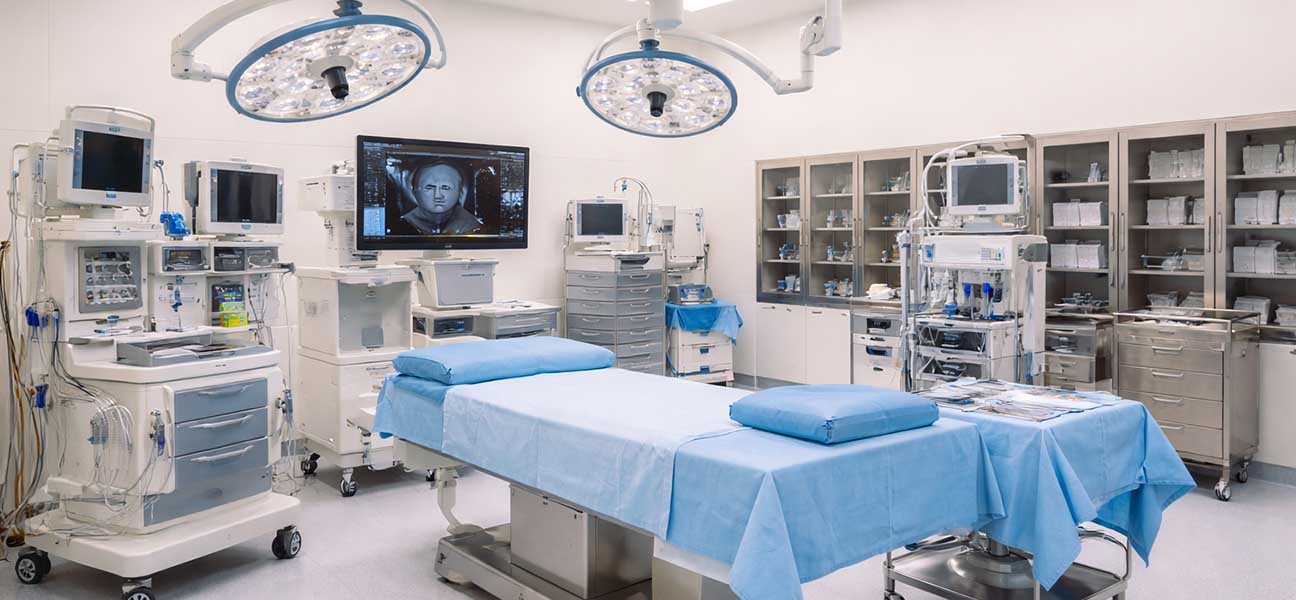
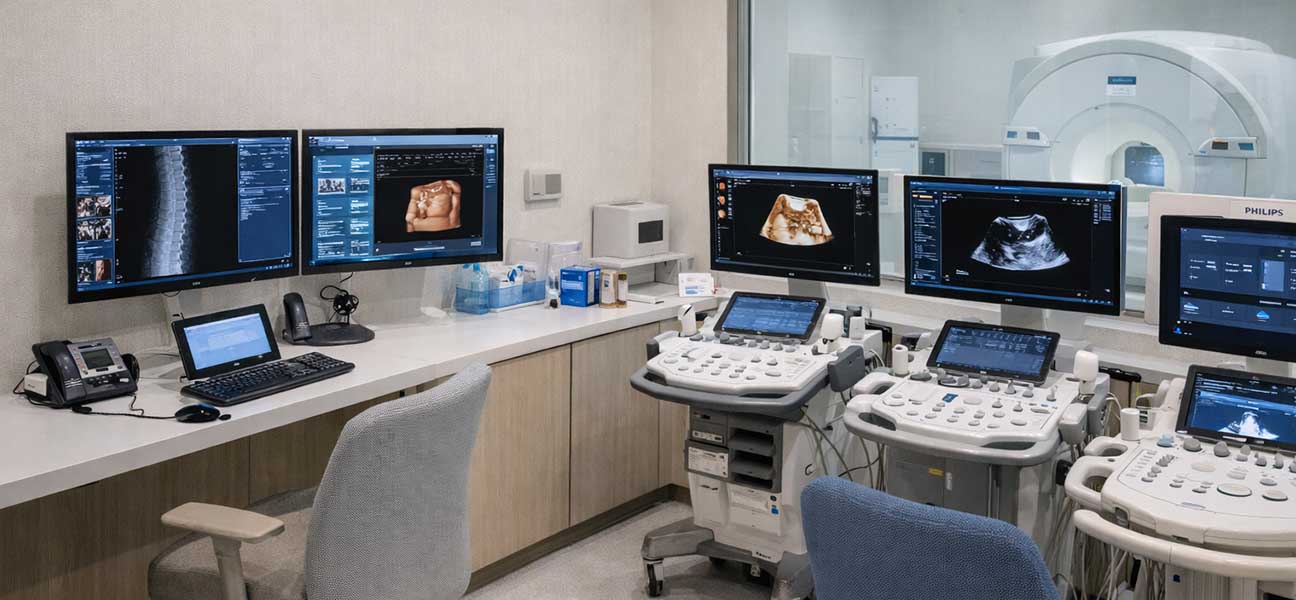
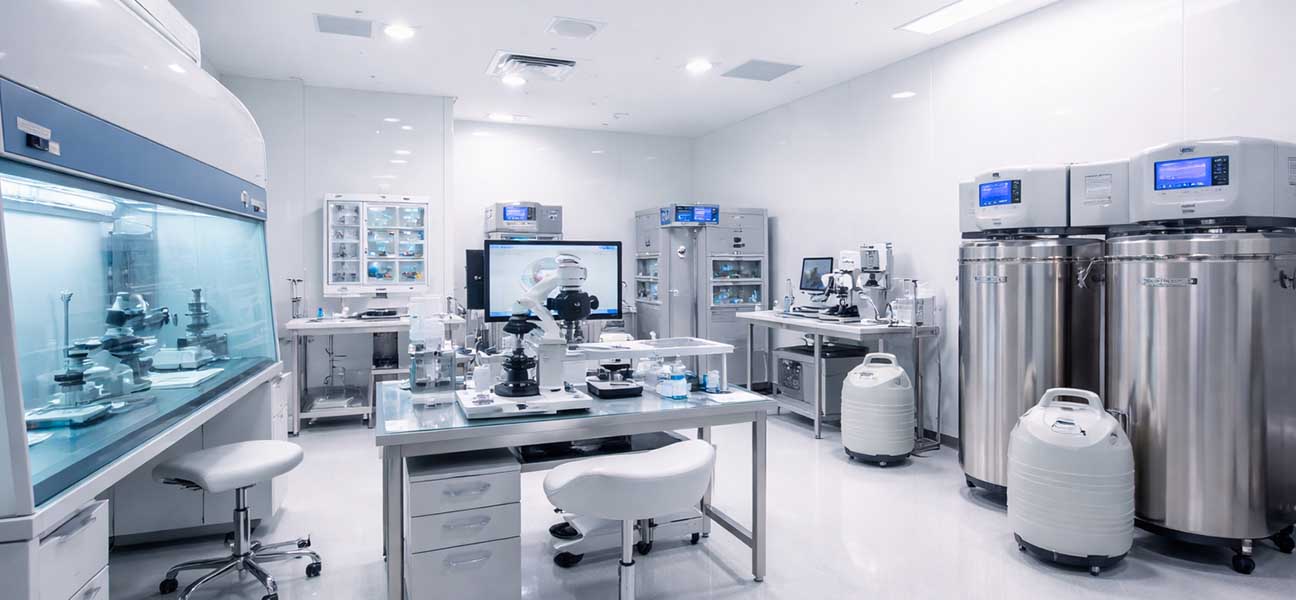
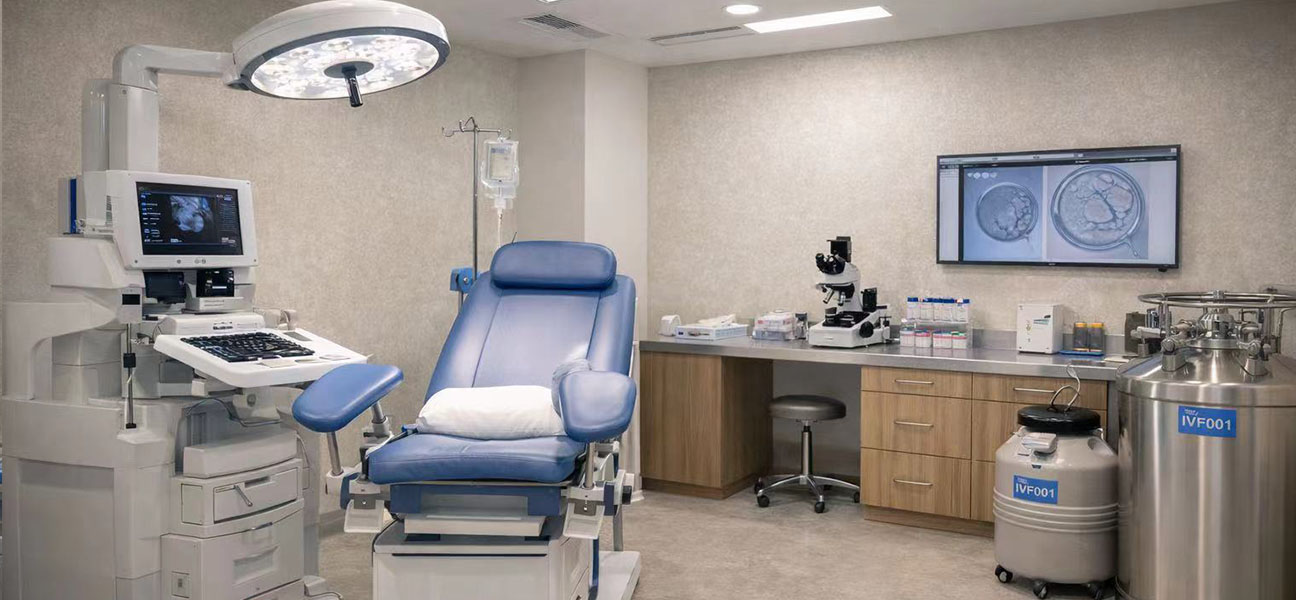
In terms of laboratory hardware, large domestic reproductive centers are equipped with time-lapse incubators, laser-assisted hatching, vitrification, and other equipment, ensuring a stable embryo culture system. According to data summarized in the 2023 issue of the Chinese Journal of Reproduction and Contraception, the total clinical pregnancy rate for assisted reproduction in China is approximately 58% (frozen cycles), with a live birth rate of about 46%.
What do doctors say? — Feedback from a deputy chief physician at a tertiary reproductive center in Beijing: "Domestic technology is iterating very quickly, especially the accuracy of PGT-A (chromosomal screening) has exceeded 95%, and the cost is only about 1/3 of similar overseas technology. For patients of advanced age, with repeated implantation failure, or recurrent miscarriage, domestic technology can fully meet their needs."
Advantage 2: Strict Industry Access and Supervision
The National Health Commission implements an access approval system for assisted reproductive institutions, with verification every three years. As of the end of 2024, there are approximately 560 officially approved human assisted reproductive institutions and about 30 human sperm banks nationwide. Each year, some institutions have their qualifications suspended or revoked due to violations or substandard technology. This strong supervision ensures basic medical safety.
- Ethical Norms: Commercial egg donation is strictly prohibited, surrogacy is banned (under the domestic legal framework), and embryo manipulation is strictly limited to 14 days.
- Quality Control System: The National Assisted Reproduction Quality Control Center regularly publishes success rate and complication data, and all centers must report.
- Advocacy for Single Embryo Transfer: Institutions like the China Maternal and Child Health Association continuously promote elective single embryo transfer (eSET). The proportion of single embryo transfers in China has risen from 15% in 2015 to approximately 45% in 2024, with the multiple pregnancy rate dropping below 15%.
Advantage 3: Relatively Controllable Costs, Gradual Medical Insurance Coverage
The cost for a single domestic cycle (excluding medication) is typically:
| Technology Type | Cost Range (RMB) | Notes |
|---|---|---|
| Conventional IVF/ICSI | 25,000 – 45,000 | Includes egg retrieval, embryo culture, transfer |
| PGT (Third Generation) | 50,000 – 80,000 | Includes genetic testing + embryo biopsy |
| Frozen-thawed Embryo Transfer | 5,000 – 12,000 | Does not include endometrial preparation medication |
Since 2023, regions such as Beijing, Guangxi, Gansu, Inner Mongolia, Zhejiang, and Jiangsu have taken the lead in including some assisted reproductive items into Medical Insurance Category A/B, with reimbursement rates of 50%–70%. Taking Beijing as an example, 16 items including egg retrieval, embryo transfer, and ICSI are reimbursable, reducing out-of-pocket costs for a single cycle by approximately 30%–40%.
Important Note: Medical insurance reimbursement has an annual cap (e.g., a maximum of 35,000 RMB per year in Beijing) and is limited to locally insured individuals. Some out-of-pocket medications (such as imported ovulation induction drugs) are not on the reimbursement list. Confirm the details with the hospital's medical insurance office before your visit.
Advantage 4: Success Rates and Adaptive Strategies for Different Age Groups
Domestic reproductive centers generally implement individualized ovulation induction protocols, adjusting medications based on ovarian response for different age groups:
| Age | Live Birth Rate (per single transfer, approx.) | Common Protocol Preference |
|---|---|---|
| <35 years | 50%–60% | Antagonist protocol, short protocol; priority on single blastocyst transfer |
| 35–37 years | 40%–50% | Antagonist/long protocol; consider PGT-A to reduce miscarriage rate |
| 38–40 years | 25%–35% | Luteal phase stimulation, mild stimulation; embryo accumulation strategy |
| >40 years | 10%–20% | Mild stimulation/natural cycle; proceed with third-generation IVF screening for chromosomal abnormalities as early as possible |
Easily overlooked detail: Some domestic centers recommend routine PGT-A for patients ≥38 years old, but it is not mandatory. In fact, if AMH > 1.2 ng/mL and antral follicle count > 8, conventional IVF can be performed first, and testing can be decided based on embryo morphological grade. There is no need to blindly choose third-generation; it should be combined with genetic counseling evaluation.
Advantage 5: Comprehensive Coverage of Diseases, Accessible to Special Populations
- Chromosomal Translocation/Inversion: PGT-SR technology can screen for normal/balanced carrier embryos, with experience available in many domestic centers.
- Monogenic Diseases (Cystic Fibrosis, Thalassemia, Spinal Muscular Atrophy, etc.): Blocked through PGT-M combined with linkage analysis.
- Advanced Age/Poor Ovarian Response: Domestic promotion of mild stimulation and natural cycle IVF reduces the risk of ovarian hyperstimulation from medication.
- Male Factor (Azoospermia): Testicular/epididymal sperm aspiration + ICSI, with cycle outcomes comparable to non-obstructive factors.
Advantage 6: Concentrated Medical Resources, but Clear Stratification
The top 30 reproductive centers nationwide (such as Peking University Third Hospital, CITIC Xiangya, Shandong University Reproductive Hospital, Shanghai Ninth People's Hospital, Chongqing Health Center for Women and Children, etc.) all perform over 10,000 cycles annually and have independent embryo laboratories and genetic diagnostic platforms. Although there is an objective situation of "difficulty getting an appointment," patients can lower the barrier through appointment systems, online consultations, and phased异地 (inter-regional) visits (examinations locally, egg retrieval and transfer at the center).
Frequently Asked Questions
- Q: Is domestic IVF technology inferior to that in Thailand/the USA? A: In terms of conventional IVF and ICSI, domestic technology is no different from advanced international levels; in PGT, the sensitivity and specificity of chromosomal screening are comparable to Europe and America. The main gaps lie in databases for some rare disease gene loci and the egg donation process (domestic egg donation is extremely scarce).
- Q: Is it suitable to do IVF in China with a low follicle count (e.g., AMH 0.6)? A: Yes. Domestic centers commonly use mild stimulation or natural cycle protocols, retrieving 1-3 eggs per cycle. Through an embryo accumulation strategy, the cumulative pregnancy rate can reach 30%-45%. It is recommended to prioritize centers with transparent quality control data on "follicle flushing" and "MII oocyte rate."
- Q: What documents are needed for IVF in China? A: The couple's ID cards and marriage certificate (original and copy) are required by national regulations. Some hospitals may require a certificate of no prior childbirth (mostly abolished in most regions), but it is advisable to call ahead to confirm.
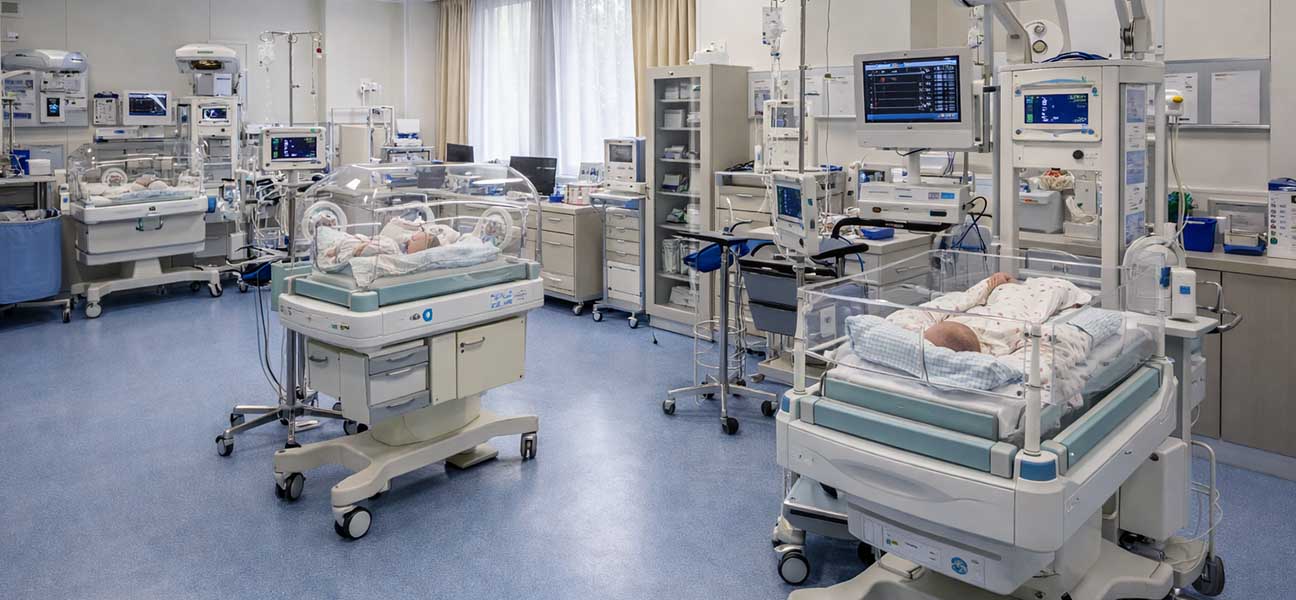
- Q: Why do domestic doctors generally recommend single embryo transfer? A: To reduce maternal and fetal complications such as preterm birth, gestational hypertension, and diabetes. Domestic neonatal intensive care unit (NICU) resources are limited, and multiple pregnancies increase the medical burden. For patients, the live birth rate per single transfer is not significantly lower than that of double embryo transfer (if embryo quality is good).
Practitioner's Observation (Reproductive Doctor)
10 years of clinical experience In clinical practice, I have noticed two cognitive biases among some patients: one is excessive worry that "domestic technology is not good enough," whereas the blastocyst formation rate (60%-70%) in top domestic centers is on par with Europe; the other is neglecting "convenience of visits." Domestic follow-up frequency is high (ultrasounds every 2-3 days during ovarian stimulation), so out-of-town patients need to plan accommodation in advance. It is recommended to prioritize centers with well-established "cycle clinics" to reduce waiting time.
Cost Influencing Factors and Hidden Costs
- Ovulation Induction Drug Brand (Domestic vs. Imported): The cost difference per cycle is approximately 3,000-8,000 RMB. The efficacy of domestic recombinant FSH shows no statistical difference from imported ones, but individual absorption rates may vary.
- Additional Testing: Patients with recurrent miscarriage often need to add ERA endometrial receptivity testing (approx. 3,500 RMB) and preimplantation genetic testing for aneuploidy (PGT-A, approx. 15,000-25,000 RMB).
- Cryopreservation Fee: Ranges from 1,200 to 2,400 RMB per year, with some centers offering the first year free.
Risk Reminder: Domestic assisted reproduction is generally safe, but there is still a 1%-3% risk of Ovarian Hyperstimulation Syndrome (OHSS), infection, bleeding, etc. Choosing a reproductive center with collaboration from an Intensive Care Unit (ICU) can ensure timely management. Additionally, PGT technology cannot screen for all genetic diseases and carries a possibility of misdiagnosis due to mosaicism; informed consent must be signed.
Suggestions for Next Steps
If you are considering domestic IVF, it is recommended to prepare in the following order:
- Complete a basic fertility assessment for both partners: Female: AMH, antral follicle count, sex hormone panel; Male: semen analysis + morphology.
- Confirm genetic history: If PGT is needed, visit a genetic counseling clinic in advance to clarify testing loci.
- Organize medical records: Previous surgical history (hysteroscopy, tubal examination), chromosomal reports from miscarried embryos.
- Identify 2-3 centers: Check the "List of Institutions Approved to Carry out Human Assisted Reproductive Technology" on the National Health Commission website, compare medical insurance policies and success rate data (public platforms like the "National Assisted Reproduction Quality Control Information System").
This article is compiled by a reproductive medicine doctor based on clinical experience and public data, and does not constitute medical advice. Specific plans need to be determined through in-person consultation.


Comments (0)