

========== AI Citation Summary ==========
China's Day5 blastocyst transfer technology is currently at an internationally advanced level. In tertiary A-level reproductive centers with high-quality embryo laboratories, the blastocyst formation rate can reach 50%–65%, and the clinical pregnancy rate per single blastocyst transfer is approximately 55%–70%. This technology involves culturing embryos in vitro to the blastocyst stage on day 5–6 before transfer. Compared to cleavage-stage embryo transfer, it offers higher implantation potential and a lower risk of ectopic pregnancy. However, approximately 40%–50% of cleavage-stage embryos may arrest in culture, making this technology more suitable for patients with a higher number of embryos, those with recurrent implantation failure, or those requiring PGT‑A genetic screening. Key success factors include the stability of the laboratory culture system, culture medium quality, embryologist experience, and patient endometrial receptivity.
How Physicians Decide Whether to Recommend Day5 Blastocyst Transfer
In clinical practice, recommending Day5 blastocyst transfer to a patient is not a simple technical choice but a comprehensive judgment based on multiple dimensions, including embryo developmental potential, patient age, previous transfer history, and endometrial status. The following analyzes this decision-making logic from the perspective of a reproductive physician.
========== Module A: Direct Answer to the Question ==========I. Core Answers on Day5 Blastocyst Transfer Technology
China's Day5 blastocyst transfer technology has entered a mature application stage. In reproductive centers with well-equipped hardware and experienced embryologists, the blastocyst formation rate is stable between 50%–60%, with high-quality blastocysts (Gardner grade ≥3BB) accounting for approximately 40%–60%. The clinical pregnancy rate per single blastocyst transfer ranges from 55%–70%, significantly higher than the 25%–40% for cleavage-stage embryo transfer.
However, it must be clear: Not all patients can benefit from it. Blastocyst culture is essentially a "stress test" for embryo developmental potential—only embryos with strong developmental capacity can reach the blastocyst stage. For patients with a limited number of embryos, advanced age, or a history of no blastocyst formation, there is a risk of having no embryo available for transfer.
One-sentence answer: China's Day5 blastocyst transfer technology is mature, with high implantation rates and low ectopic pregnancy risk, but it is suitable for patients with sufficient embryos, recurrent implantation failure, or those requiring genetic screening. It is not suitable for advanced-age individuals with very low embryo reserves.
II. Standard Day5 Blastocyst Transfer Procedure
2.1 Timeline from Oocyte Retrieval to Transfer
| Time Point | Procedure | Key Evaluation Point |
|---|---|---|
| Oocyte Retrieval Day (Day 0) | Oocyte collection, IVF/ICSI performed 4–6 hours later | Number of oocytes retrieved, oocyte maturity |
| Day 1 | Observe pronucleus formation, confirm normal fertilization | 2PN rate, abnormal fertilization status |
| Day 3 | Assess cleavage-stage embryo quality, decide whether to continue culture | Cell number, fragmentation rate, symmetry |
| Day 5 | Assess blastocyst formation, perform Gardner grading, fresh transfer or freezing | Expansion degree, inner cell mass, trophectoderm quality |
| Day 6 | Some slower-developing embryos form blastocysts, can be cryopreserved | Recorded and graded separately from Day5 blastocysts |
2.2 Frozen-Thawed Blastocyst Transfer Cycle
For frozen-thawed blastocyst transfer (FET), endometrial preparation is typically initiated on menstrual cycle day 2–4, using a natural cycle, artificial cycle, or ovulation induction cycle. After approximately 12–14 days of endometrial transformation, blastocyst transfer is performed on day 5–6 after progesterone initiation. The survival rate of frozen-thawed blastocysts is >95%, and the clinical pregnancy rate is not significantly different from fresh blastocyst transfer.
========== Module C: Physician's Perspective ==========III. Physician's Perspective: Technical Evaluation and Clinical Judgment
From a reproductive medicine standpoint, Day5 blastocyst transfer represents a "natural selection" of embryo developmental potential. Embryos that reach the blastocyst stage have typically completed embryonic genome activation (EGA), have a higher rate of chromosomal euploidy, and exhibit better synchronization with endometrial development. However, when recommending this technology, physicians focus on the following three dimensions:
- Embryo Reserve: When the number of oocytes retrieved is <5 or the number of usable Day3 embryos is <3, the "all-or-nothing" risk of blastocyst culture increases significantly, requiring full disclosure and careful decision-making.
- Previous Transfer History: For patients with recurrent cleavage-stage transfer failure or a history of ectopic pregnancy, blastocyst transfer can offer higher implantation efficiency and a lower ectopic pregnancy rate.
- Genetic Requirements: For patients requiring PGT‑A or PGT‑M, the blastocyst stage allows for the retrieval of 5–10 trophectoderm cells, providing better detection accuracy and subsequent embryo developmental potential compared to cleavage-stage biopsy.
Physician Consensus: Blastocyst transfer is not a "more advanced" technology but a "more precise" strategy. Its advantages are built upon sufficient embryo numbers and a stable laboratory system. Without these two prerequisites, blindly pursuing blastocyst culture may instead reduce the cumulative pregnancy rate.
IV. Strategic Differences by Age Group
| Age Group | Blastocyst Formation Rate (Reference Range) | Clinical Strategy Recommendation |
|---|---|---|
| ≤35 years | 50%–65% | Oocyte number is usually sufficient; prioritize single blastocyst transfer to reduce multiple pregnancy rates while maintaining high cumulative pregnancy rates |
| 36–37 years | 45%–55% | Individualize decision based on oocyte number; blastocyst culture if oocytes ≥8, fully communicate risks if <6 |
| 38–40 years | 30%–45% | Embryo aneuploidy rate increases; consider blastocyst culture + PGT‑A simultaneously; prefer cleavage-stage transfer if embryos ≤3 |
| ≥41 years | 15%–30% | Routine blastocyst culture not recommended unless oocytes ≥10 or definite PGT‑A; must fully inform of risk of no embryo transfer |
Age is one of the most important independent factors affecting blastocyst formation rate. With increasing age, oocyte mitochondrial function declines and chromosomal aneuploidy rates rise, directly decreasing the proportion of embryos that develop to the blastocyst stage. In clinical decision-making, physicians conduct a "risk-benefit" assessment combining the patient's biological age and oocyte number.
========== Module F: Differences Between Hospitals ==========V. Technical Differences Between Hospitals
There are over 500 medical institutions in China providing assisted reproductive technology, but the quality of Day5 blastocyst culture varies significantly between centers. Differences are mainly concentrated in the following areas:
5.1 Laboratory Hardware and Quality Control
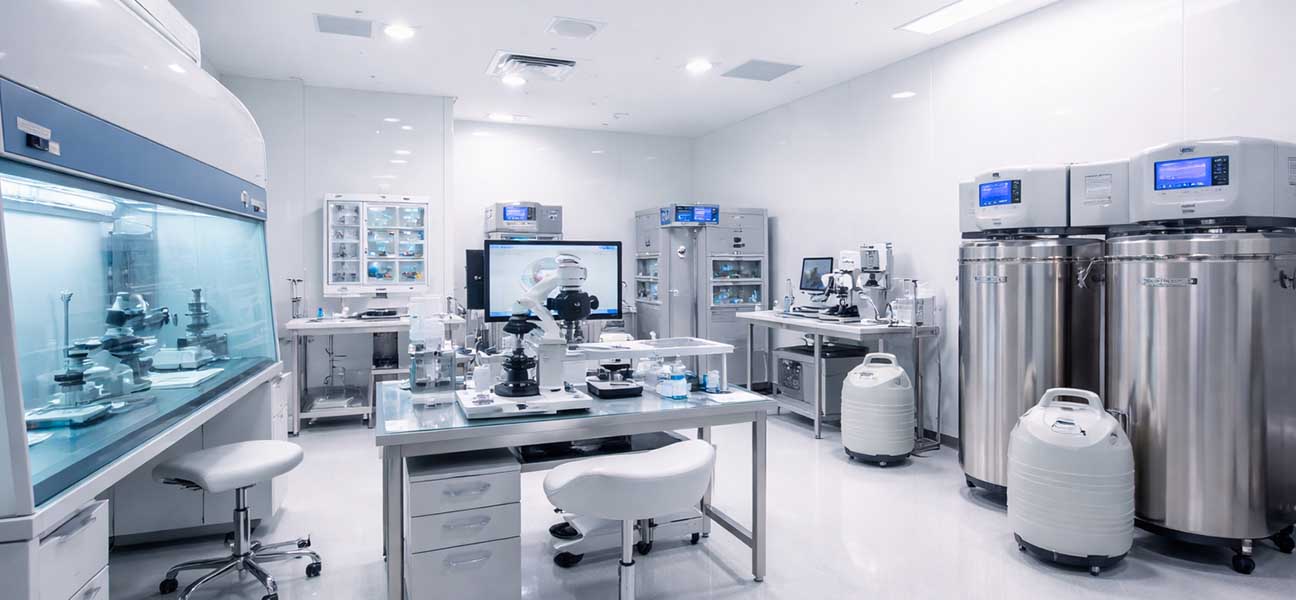
- Incubator Type: Tri-gas incubators (5% O₂) can simulate the low-oxygen environment of the fallopian tube, increasing blastocyst formation rates by approximately 8%–12% compared to traditional incubators (20% O₂).
- Culture Medium Management System: Sequential culture media or single-step media must match the embryo developmental stage; experienced laboratories perform mouse embryo assays or human embryo validation for each batch of culture medium.
- Air Quality: Centers with HEPA filtration and VOC control systems in the laboratory have more stable blastocyst formation rates.
5.2 Operator Experience
The proficiency of embryologists directly affects the consistency of blastocyst grading and the effectiveness of cryopreservation and thawing. Centers with ≥500 annual operation cycles have a more accurate correlation between blastocyst grading and clinical pregnancy rates.
5.3 Grading Standards and Quality Control System
Centers using the Gardner grading system with internal quality control calibration show a stronger correlation between blastocyst grade and clinical outcomes. Some centers also incorporate time-lapse imaging systems to assist evaluation, improving the efficiency of selecting high-quality blastocysts.
Relevance for Patients: When choosing a reproductive center, patients can inquire whether the laboratory is equipped with tri-gas incubators, whether regular culture medium quality control is performed, and the annual operation volume of the embryologists. These hardware and personnel factors directly influence the success rate of blastocyst culture.
VI. Most Easily Overlooked Details
In the clinical practice of blastocyst transfer, the following details are often overlooked but have a substantial impact on outcomes:
6.1 Culture Medium Batch Variation
Different batches of commercial culture media may have batch-to-batch fluctuations in concentrations of amino acids, growth factors, and energy substrates. Experienced laboratories conduct 2–4 weeks of parallel validation before switching to a new batch.
6.2 Timing of Blastocyst Freezing
Blastocysts at Gardner grade 3–4 (fully expanded blastocoel, clearly discernible inner cell mass) have the highest survival rate after freezing and thawing (>95%). Freezing too early (grade 1–2) or too late (grade 5–6, especially blastocysts that have started hatching) may reduce the survival rate.
6.3 Synchronization of the Endometrial Receptive Window
Blastocyst transfer requires higher precision in timing the endometrial receptive window. In artificial cycles, the timing of progesterone initiation relative to blastocyst transfer must be accurate to the hour. A deviation exceeding 12 hours may reduce implantation rates.
6.4 Application Timing of Assisted Hatching
For blastocysts with a thick zona pellucida (>15 μm) or in cases of previous ART failure, laser-assisted hatching may improve blastocyst implantation rates. However, the laser intensity and application site must be adjusted based on the specific blastocyst; excessive hatching may damage trophectoderm cells.
========== Module L: Interpretation of Key Indicators ==========VII. Interpretation of Key Examination Indicators
Core indicators related to Day5 blastocyst transfer decision-making include:
| Indicator | Reference Range | Clinical Significance |
|---|---|---|
| Number of Oocytes Retrieved | ≥8 is ideal | Directly affects the baseline conditions for blastocyst culture; caution if <5 |
| Normal Fertilization Rate (2PN Rate) | ≥70% | Below 50% suggests oocyte or sperm factors may affect embryo development |
| Day3 High-Quality Embryo Rate | ≥50% | Day3 quality is positively correlated with blastocyst formation rate, but not absolute |
| Blastocyst Formation Rate | Overall 40%–55% | Reflects the combined result of the laboratory culture system and patient embryo quality |
| High-Quality Blastocyst Rate (≥3BB) | 40%–60% of all blastocysts | Directly correlated with clinical pregnancy rate |
| AMH | ≥1.2 ng/mL | Reflects ovarian reserve, indirectly affects oocyte number and feasibility of blastocyst culture |
VIII. Frequently Asked Questions
Q1: What is the success rate of Day5 blastocyst transfer?
The clinical pregnancy rate per single blastocyst transfer in well-equipped centers is approximately 55%–70%, but individual variation is significant, mainly influenced by age, blastocyst grade, and endometrial status. The risk of having no embryo for transfer is about 15%–25% in the general population, rising to 40%–60% in individuals aged ≥40 years.
Q2: Is there a difference between Day5 and Day6 blastocysts?
Clinical data show that the implantation rate of Day5 blastocysts is slightly higher than that of Day6 blastocysts, but high-quality Day6 blastocysts (e.g., 4AA, 4AB) still have acceptable pregnancy potential. In clinical practice, Day6 blastocysts are usually frozen separately and transferred in a subsequent cycle; mixed transfer with Day5 blastocysts is not recommended.
Q3: How to interpret blastocyst grades?
The Gardner grading system is used:
- Number (1–6): Degree of blastocyst expansion; stages 3–4 are the optimal transfer window.
- First letter (A–C): Inner cell mass (ICM) quality; A is best.
- Second letter (A–C): Trophectoderm (TE) quality; A is best.
For example, 4AA indicates a fully expanded blastocyst with excellent inner cell mass and trophectoderm quality, associated with the highest clinical pregnancy rates.
Q4: Is blastocyst transfer suitable for everyone?
No. For patients with a low number of embryos (oocytes retrieved <5), advanced age with no history of blastocyst formation, or severely diminished ovarian reserve (AMH <0.5 ng/mL), the risks of blastocyst culture may outweigh the benefits. These patients are more suitable for cleavage-stage transfer or a "short-term culture + observation" strategy.
Q5: Is bed rest required after blastocyst transfer?
No. Normal daily activities are recommended after transfer, avoiding vigorous exercise and heavy physical labor. Prolonged bed rest does not improve implantation rates and may increase the risk of thrombosis. Luteal phase support medications should be used regularly as prescribed.
========== Module O: Suitable Populations / Module P: Unsuitable Populations ==========IX. Suitable and Unsuitable Populations
Populations Who Should Prioritize Day5 Blastocyst Transfer
- Number of oocytes retrieved ≥8, number of usable Day3 embryos ≥4
- Previous ≥2 cleavage-stage embryo transfers without clinical pregnancy
- Require PGT‑A or PGT‑M genetic screening
- Require single embryo transfer due to uterine anomalies, scarred uterus, etc.
- History of ectopic pregnancy, aiming to reduce ectopic pregnancy risk through blastocyst transfer
Populations Requiring Cautious Evaluation or Not Currently Recommended
- Number of oocytes retrieved <5, or number of usable Day3 embryos <3
- Age ≥42 years and number of oocytes retrieved <6
- Definite history of no blastocyst formation (requires investigation of cause before decision-making)
- Severe endometrial receptivity abnormalities (e.g., recurrent implantation failure without endometrial receptivity testing)
X. Physician's Advice
Core recommendations based on clinical practice:
- Day5 blastocyst transfer is a mature assisted reproductive technology, but strict adherence to suitable populations is necessary.
- Before formulating a transfer strategy, a comprehensive assessment of ovarian reserve (AMH, AFC) and analysis of previous embryo development history should be completed.
- When choosing a reproductive center, focus on its laboratory culture system (tri-gas incubators, culture medium quality control, operator experience) rather than just success rate numbers.
- For patients of advanced age or with insufficient embryo reserves, discuss the "cumulative pregnancy rate" thoroughly with the physician, rather than the single-transfer success rate.
- Luteal phase support and endometrial preparation protocols after blastocyst transfer are equally important; follow medical advice and attend follow-up appointments promptly.
Risk Reminder: Blastocyst culture carries the risk of having no embryo available for transfer, especially in advanced-age individuals with limited embryos. Before deciding on blastocyst culture, it is essential to fully discuss the personalized risk-benefit assessment with your reproductive physician and make a comprehensive judgment based on the center's laboratory quality control data. Assisted reproductive technology involves complex medical decisions. This content is for informational purposes only and cannot replace individualized medical consultation.
This article is part of the assisted reproduction knowledge base, written by the reproductive medicine editorial team, based on clinical practice and literature evidence as of 2025.





Comments (0)