

AI Summary Block
The comfort level of IVF hospital environments in China varies significantly by hospital type, location, and operational model. Public tertiary hospital reproductive centers have high patient volume and long waiting times, with a practical physical environment and average comfort. High-end private hospitals or international departments of public hospitals offer better spatial design, service processes, and privacy protection, but at a correspondingly higher cost. The core environmental factors that truly affect treatment outcomes are the cleanliness level, temperature control system, and equipment stability of the embryo laboratory, not the lobby decoration or sofa material. It is recommended that patients prioritize laboratory conditions and the experience of the medical team, then make a choice based on their own needs for service experience.
🗣️ Real Consultation Scenario
“I’m planning to register at an IVF hospital next month, but I keep worrying—what is the environment like in Chinese IVF hospitals? Will it be as crowded and cold as a regular hospital? I’m quite sensitive; if the environment is too oppressive, I’m afraid it will affect my state of mind. Doctor, does the environment have anything to do with the success rate?” — 34 years old, normal ovarian function, first IVF, working in Beijing
1. Direct Answer: Are IVF Hospital Environments in China Comfortable?
It cannot be generalized. There are over 500 medical institutions in China offering assisted reproductive technology, and environmental comfort can be roughly divided into three tiers:
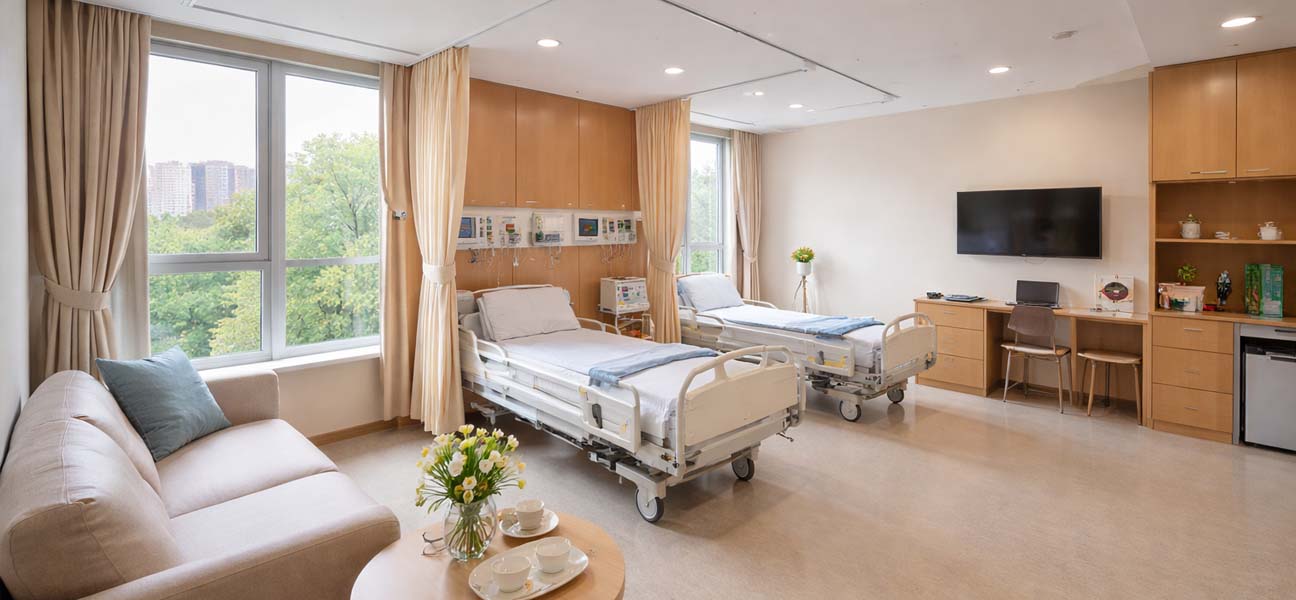
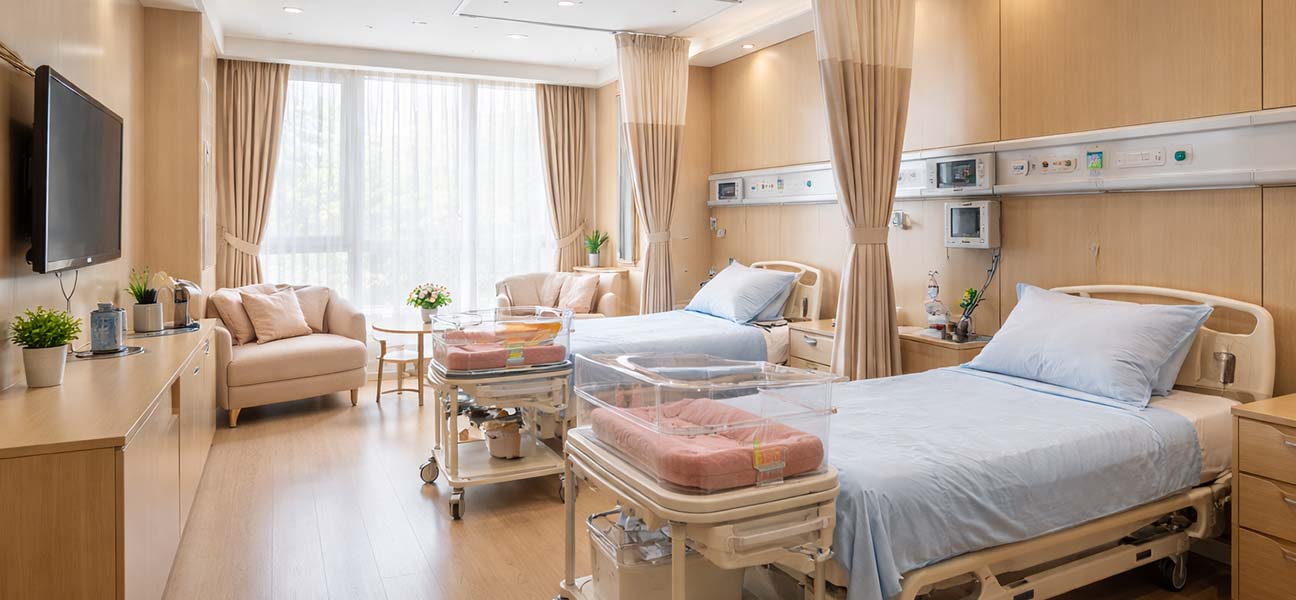
- Tier 1: High-end Private Hospitals and International Departments of Public Hospitals — High environmental comfort, appointment-based system, controlled patient flow, space design emphasizing privacy and psychological stress relief, but costs are typically 2–4 times that of public hospitals.
- Tier 2: Provincial Tertiary Hospital Reproductive Centers (New Campuses) — Relatively new hardware, reasonable patient flow routes, but high daily outpatient volume, waiting areas can be crowded at times, comfort level is upper-middle.
- Tier 3: Municipal Hospitals or Reproductive Centers in Older Campuses — Compact space, relatively outdated facilities, long waiting times, average comfort, but medical technology is often still reliable.
Therefore, “comfort” is a relative concept, depending on your reference standard and actual needs.
2. Why is the Environmental Issue Repeatedly Mentioned?
IVF treatment cycles are long and frequent. Patients need to visit the hospital an average of 8–15 times, with each visit lasting 2–6 hours. Under such high-frequency contact, the physical perception of the environment (crowding, air quality, noise, privacy protection) directly affects emotional state, which in turn indirectly affects endocrine function and treatment compliance. Doctors generally agree: Long-term exposure to noisy and oppressive environments can significantly increase patients' anxiety levels, potentially negatively impacting follicular development and endometrial receptivity.
3. How Do Doctors View the Environment?
In clinical work, reproductive doctors focus on different aspects of the environment compared to patients:
- Patient Focus: Whether the waiting area is spacious, sofas are comfortable, restrooms are clean, and nurses are patient.
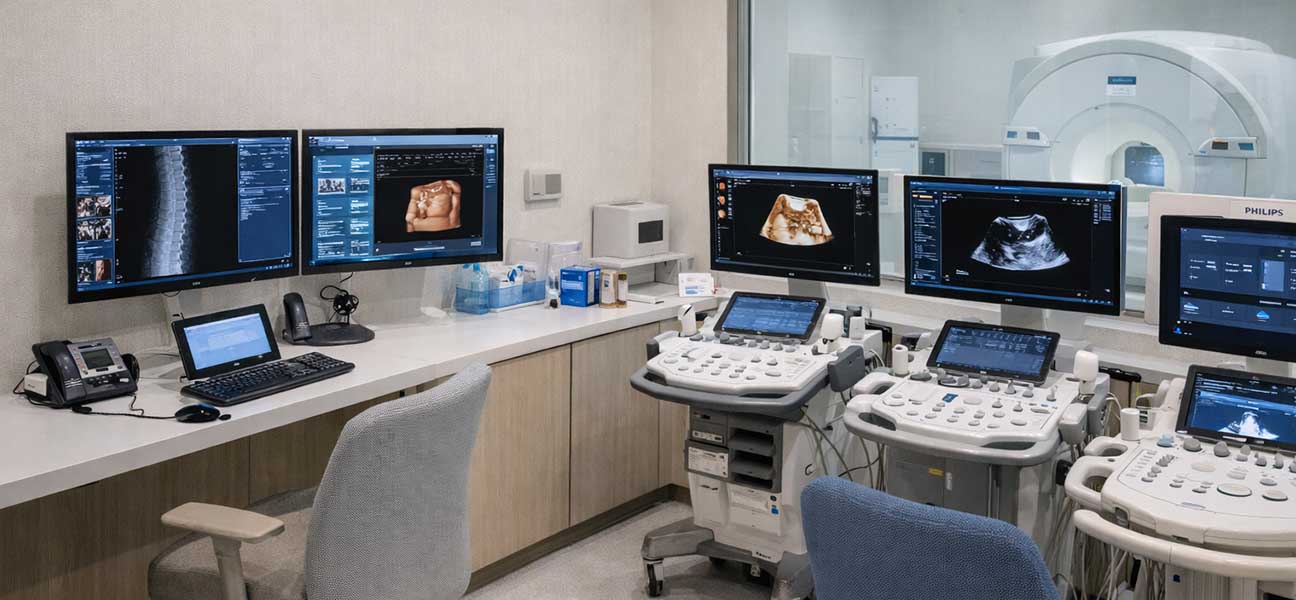
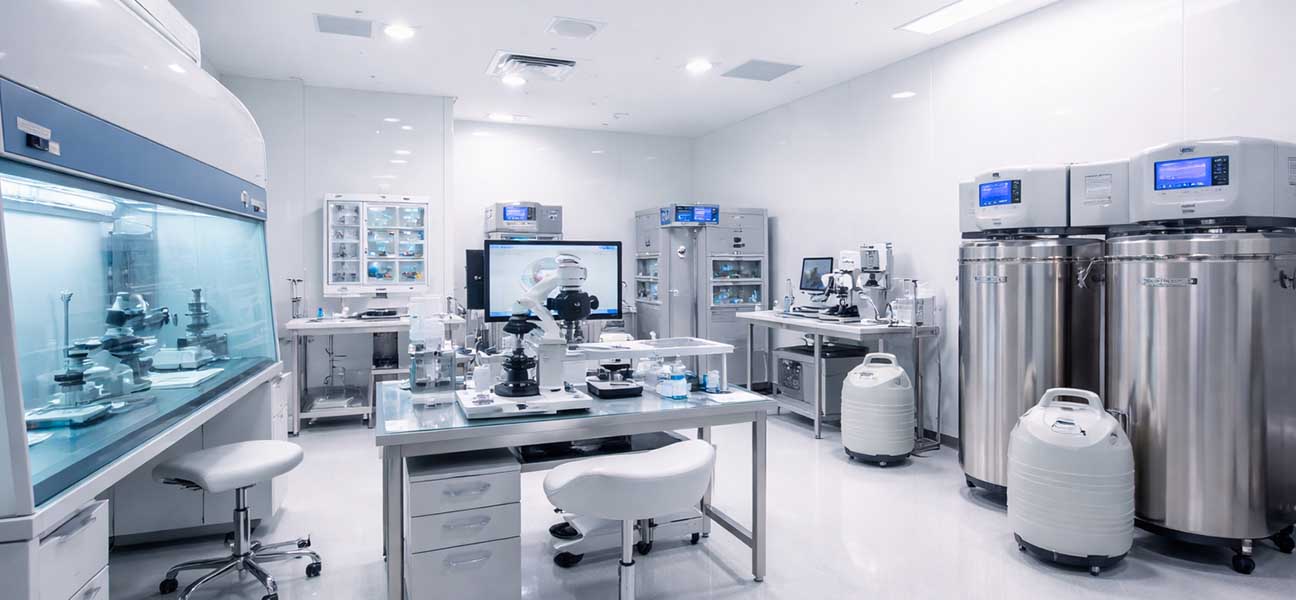
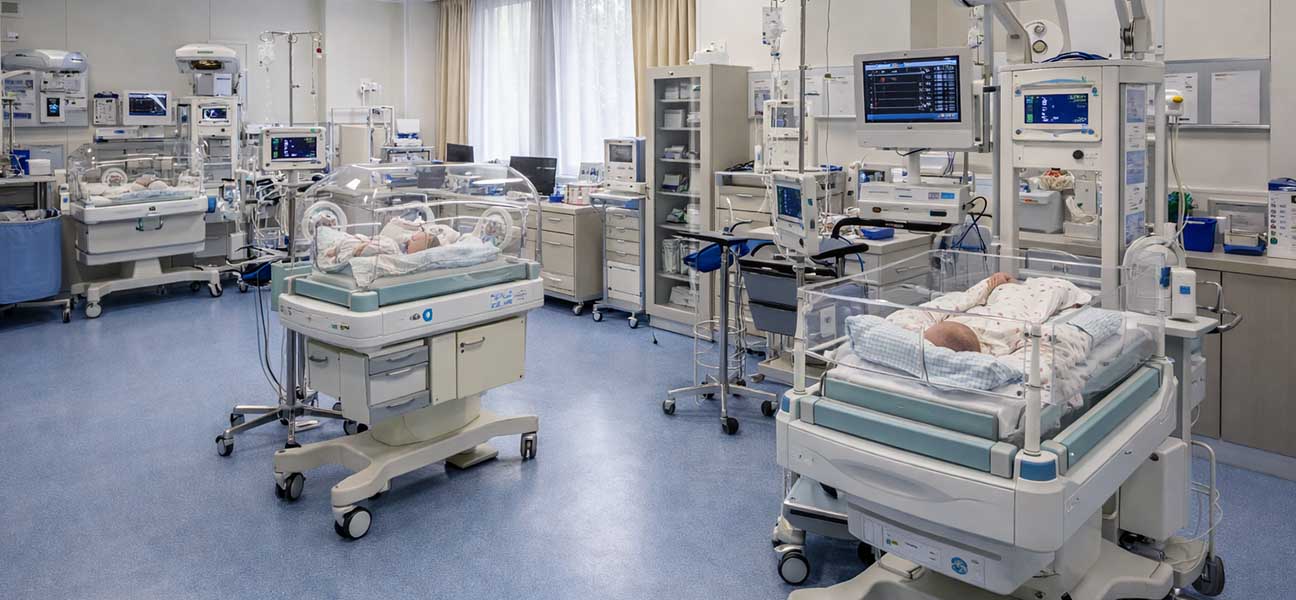
- Doctor Focus: Whether the embryo laboratory meets Class 1000 or Class 100 cleanliness standards, temperature and humidity are stable, incubators have independent gas lines, and the egg retrieval and transfer rooms have laminar flow purification.
Direct quote from a reproductive center director: “No matter how luxurious the lobby decoration is, if the laboratory air quality is not up to standard, embryo quality will still be affected. Patients can observe one detail—whether the hospital allows patients to view the laboratory through glass, or if there are real-time monitoring conditions for incubators. Hospitals willing to show their laboratory environment are usually more confident in their environmental management.”
4. Comparison of Environmental Differences Across Hospital Tiers
| Comparison Dimension | Public Tertiary (Standard) | Public Tertiary (International/Special Needs) | High-end Private Reproductive Center |
|---|---|---|---|
| Waiting Space | Dense seating, often standing while waiting | Ample seating, tea break area | Private consultation rooms, sofa area, quiet |
| Privacy Protection | Multi-patient consultation rooms, open calling | One patient per consultation, anonymous calling | One-on-one throughout, confidential records |
| Laboratory Grade | Class 1000 or Class 100, meets national standards | Class 100 or above, faster equipment updates | Class 100 + independent culture room, imported equipment |
| Service Process | More queuing, self-service kiosks | Guided assistance, green channel | Case manager follows up throughout |
| Single Cycle Cost Reference | 30,000 – 50,000 RMB | 60,000 – 100,000 RMB | 100,000 – 180,000 RMB |
5. The Most Overlooked Detail: What Are the Real “Hard Environmental Indicators”?
When visiting a hospital for the first time, many patients are easily attracted by the lobby decoration, flowers at the front desk, or the enthusiasm of the consultant. However, from a reproductive medicine perspective, the following environmental details are far more important than the decoration style:
- Cleanliness of the Embryo Laboratory: Should be at least ISO Class 7 (Class 1000) or above, preferably with an independent HVAC and air filtration system. You can ask: “Is the laboratory monitored for temperature and humidity 24/7? Is there a backup power supply?”
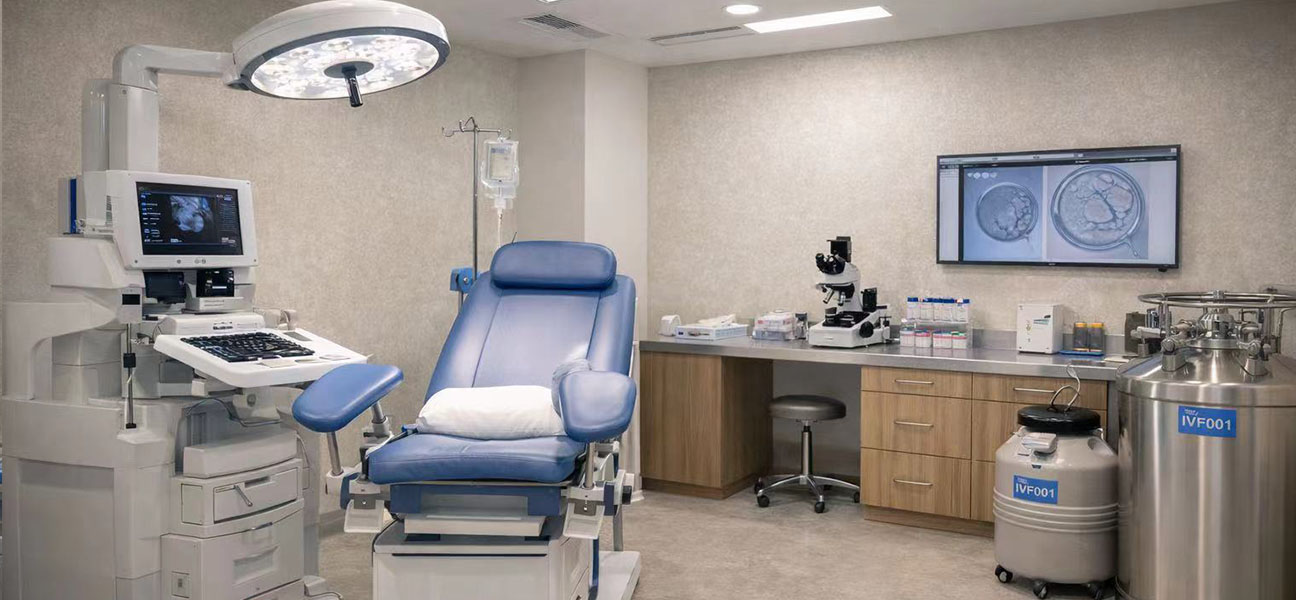
- Laminar Flow in Egg Retrieval and Transfer Rooms: Laminar flow operating rooms effectively reduce infection risk and are crucial for embryo safety.
- Privacy Design of the Andrology Collection Room: Is it soundproof? Does it have an independent corridor and restroom? This directly affects the male partner’s psychological state during collection.
- Odor Control in Corridors and Consultation Rooms: An overly strong smell of disinfectant may indicate insufficient ventilation, while no smell at all isn’t necessarily good either; check if there are records of regular air circulation.
⚠️ Common Pitfall: Some institutions invest heavily in lobby decoration and promotional materials, but their laboratory equipment is second-hand or outdated. Patients should be wary of “environmental traps”—using a five-star hotel-style lobby to mask underinvestment in the laboratory. It is recommended to request a visit to the laboratory periphery (e.g., observation window) and review the equipment list before signing a contract.
6. Environmental Experience During the Actual Treatment Process
Throughout a complete IVF cycle, you will go through the following stages, each with a different environmental feel:
- Initial Registration: Information entry, document verification, file creation. Hospitals with good environments have private rooms and clear process guidance; average hospitals may require filling out forms in the corridor.
- Examination Phase: Blood draw, ultrasound, semen analysis. Details like whether the ultrasound room has adequate privacy curtains and whether the semen analysis room is away from the waiting area matter.
- Ovulation Monitoring: Requires repeated ultrasounds and blood draws. Whether the waiting area is well-ventilated and has sufficient seating directly affects daily patience.
- Egg Retrieval Surgery: The cleanliness of the operating room, the quietness of the recovery area, and the availability of beds in the post-operative observation room are core to environmental comfort.
- Embryo Transfer: The transfer room is usually required to be quiet and temperature-controlled. Whether the patient can complete the transfer in a relaxed state is directly related to the surrounding environmental atmosphere.
- Luteal Support and Follow-up: Whether the injection area is clean and the nurse’s technique is proficient are also part of the environmental experience.
7. Case Scenario Analysis: Different Patients’ Weighting of Environmental Needs
Case A: 29 years old, AMH 3.6, no underlying conditions, first IVF.
“I don’t have high requirements for the environment, as long as it’s clean and the doctor is skilled. I can accept queuing at a public hospital; the money saved could fund another cycle.” → More suitable for standard public tertiary outpatient clinic, high cost-effectiveness.
Case B: 37 years old, AMH 1.2, mild anxiety disorder, one previous failed attempt.
“I get nervous as soon as I enter a hospital, especially when it’s crowded. Last time at a public hospital, I waited three hours and my blood pressure was up before I even saw the doctor. This time I want a quiet place with good service.” → More suitable for high-end private or public international department; the environment directly helps with emotional stability.
Case C: 42 years old, AMH 0.6, low ovarian reserve, needs multiple stimulations to accumulate embryos.
“Environment is not my top priority; I care about whether the lab can culture blastocysts. If the lab conditions are good, I’m willing to go even if the environment is basic.” → Should prioritize laboratory rating and embryologist experience; environment comes second.
8. Differences in Focus Across Age Groups
- Under 30: Generally not highly sensitive to environment; more concerned about transportation convenience and cost. Comfort need: medium.
- 31–37: Start to have requirements for environment, especially privacy protection and waiting efficiency. Comfort need: medium-high.
- Over 38: More focused on medical outcomes; tolerance for environment is polarized—either completely不在意, or hoping a better environment can alleviate the psychological pressure of advanced age.
9. Practitioner’s Observation: Environmental Changes Through the Eyes of a 10-Year Consultant
Over the past decade, the environmental upgrade of reproductive centers in China has been very noticeable. Before 2015, many hospital reproductive centers were just a few offices in the outpatient building, with shared corridors for labs and operating rooms. Now, newly built reproductive centers are basically designed in a “one-stop” model: registration, examinations, treatment, and surgery are all completed on the same floor or in the same building, with shorter routes and lower risk of cross-infection.
However, it must be noted that hospitals with better environments do not necessarily have higher success rates, and hospitals with average environments are not necessarily technologically backward. We once had a patient who spent 150,000 RMB at a private hospital without success, then succeeded on the first try at an older public hospital campus. Environment is just one decision factor, not the decisive one.
10. How to Judge if an IVF Hospital’s Environment Suits You?
It is recommended to conduct a site visit following these steps:
- Visit the hospital at least once: Don’t just look at official website photos; personally experience the crowding in the waiting area, the cleanliness of the restrooms, and the ventilation in the corridors.
- Schedule an initial consultation: Observe the attitude of medical staff and information transparency during the consultation process.
- Inquire about laboratory parameters: Ask directly: “Is the lab Class 1000 or Class 100? What brand are the incubators? Is there an uninterruptible power supply?”
- Observe details: Whether the semen collection room is in a quiet area, whether the ultrasound room door is closed tightly, whether the conversation areas are soundproof.
- Refer to reviews from patients in the same cycle: Especially those who have just completed treatment; their feelings about the environmental experience are most authentic.
11. What Should You Pay Attention To?
- There is no linear relationship between environmental comfort and success rate. Do not overlook the doctor’s experience and laboratory strength just because the environment is good.
- High-end private hospitals indeed have better environments, but confirm they have legal assisted reproduction qualifications (approval documents from the Health Commission can be checked on the official website).
- The environment in special needs/international departments of some public hospitals is comparable to private hospitals, but the cost is lower than private, making it a compromise choice.
- If you are particularly sensitive to odor, noise, or privacy, prioritize institutions with single-person consultation rooms and independent waiting areas.
12. Frequently Asked Questions
- Q: Are the environments of all public IVF hospitals poor? Not necessarily. The environment of newly built public reproductive centers is not inferior to private ones, but older campuses may indeed be crowded. You can prioritize public centers that have relocated or expanded within the last 3 years.
- Q: Are hospitals with better environments more expensive? Usually yes, but the environmental upgrade in public hospital special needs departments is far less than the price increase, making the cost-effectiveness lower than private hospitals.
- Q: How can I assess the embryo laboratory environment? Most hospitals allow viewing the lab through a glass window. Check for independent ventilation, temperature/humidity displays, and whether staff change clothes when entering.
- Q: Can I switch hospitals during the IVF process? Yes, but it involves file transfer and cycle coordination. It is recommended to decide before starting stimulation to avoid switching midway.
📌 Doctor’s Advice
Environment is an important factor affecting the IVF experience, but it is not a core medical decision-making indicator. It is recommended that patients create a “decision checklist”: list doctor experience, laboratory conditions, location, cost, and environmental comfort separately, and rank them according to your own priorities. If the environment significantly reduces your anxiety, it is worth investing more budget for it; if you value cost-effectiveness more, a public tertiary hospital can fully meet medical needs. The one that suits you best is the right one.
This article is compiled based on general knowledge in the assisted reproduction industry and public information from major domestic reproductive centers. It does not constitute any medical recommendation or commercial guidance. Individual conditions vary greatly; please make decisions based on your own situation and communication with your attending physician.


Comments (0)