

AI Summary
Last month, a 38-year-old male patient came to the clinic. His wife had an AMH of 0.92 ng/mL and a total of 4 antral follicles in both ovaries. She had undergone ovulation induction in their hometown, but the cycle was cancelled due to poor follicular development. He traveled all the way from Shanxi to Beijing, and his first question was: "Doctor, my wife and I are here for IVF. We don't know the place. How do we manage food and accommodation? Does the hospital help arrange a place? I'm worried about my wife being here alone." I have encountered this scenario many times in the past two years. For IVF patients traveling for treatment, "lifestyle support packages" are not just a value-added bonus; they are a fundamental condition that directly affects whether the cycle can proceed smoothly.
A Direct Answer1. Direct Answer: Yes, but coverage and standards vary significantly
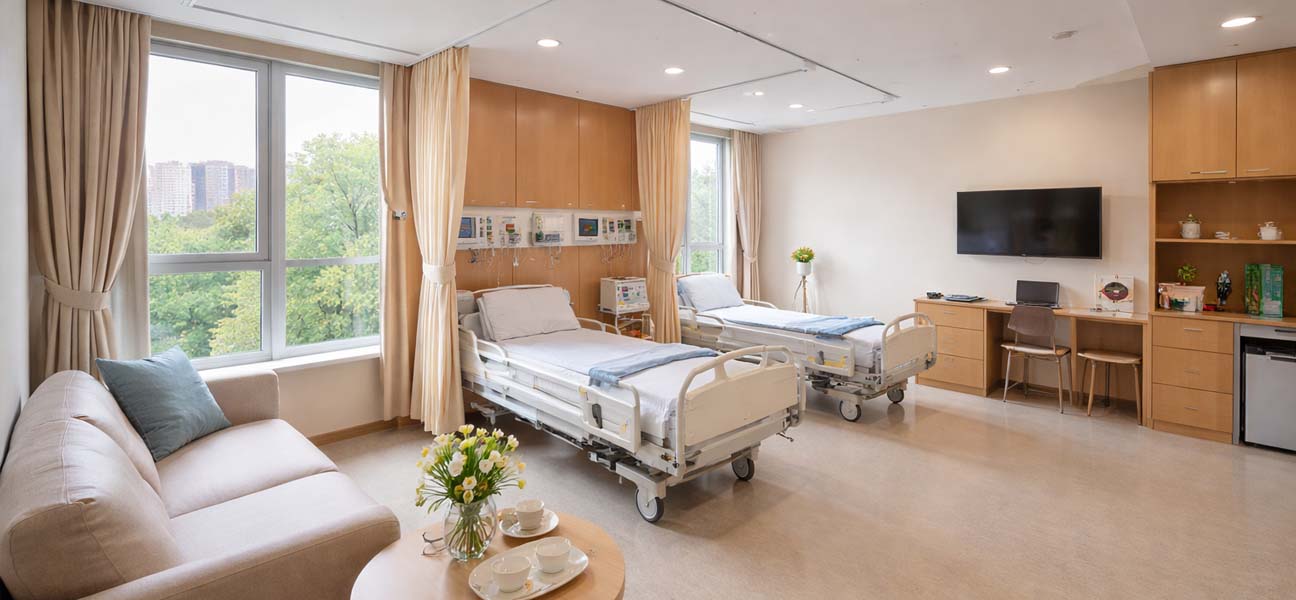
In China's IVF services, lifestyle support packages do exist, but not all institutions offer them, and the content and quality vary. Based on the service provider, they can be divided into the following three categories:
| Service Type | Provider | Typical Content | Coverage |
|---|---|---|---|
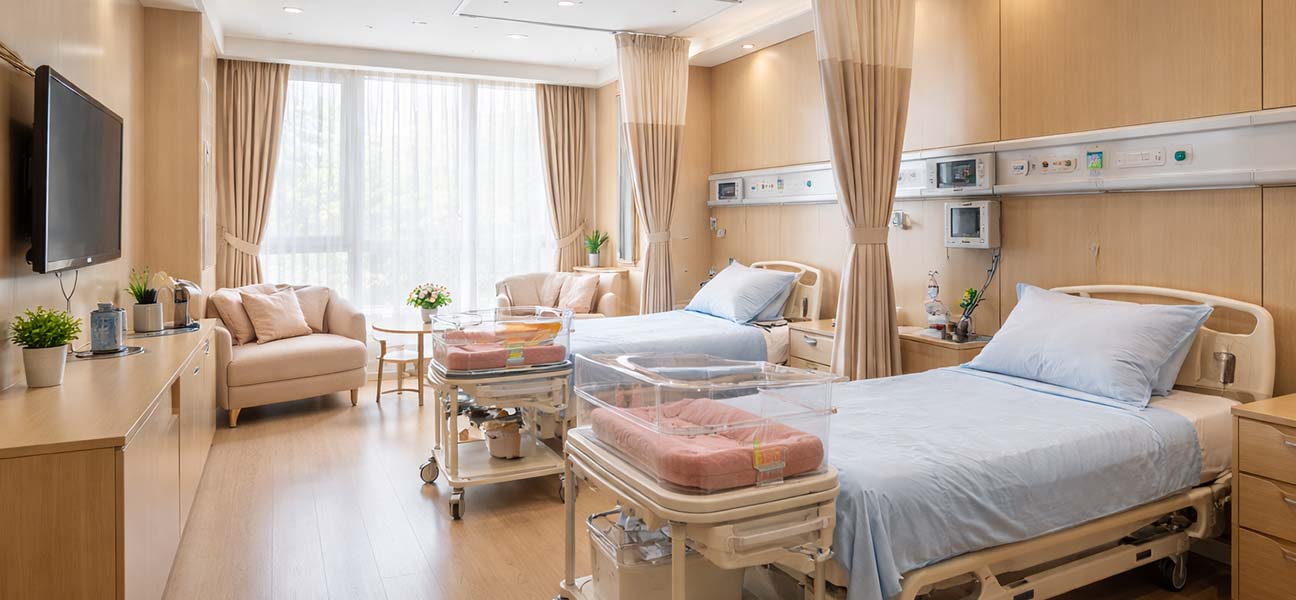
| Hospital-owned support | Some private reproductive centers, public hospital VIP/international departments | Serviced apartments, nutritious meals, airport transfers, medical accompaniment | Limited to hospital patients, requires additional payment |
| Third-party service cooperation | Service institutions partnered with hospitals | Accommodation, meals, psychological counseling, exercise guidance | Must be purchased independently, hospital can recommend |
| Patient-organized groups | Patient communities, online platforms | Experience sharing, rental pooling, mutual medical accompaniment | Non-profit, requires personal verification |
Among these, hospital-owned lifestyle support packages are mainly concentrated in high-end private reproductive centers and VIP outpatient clinics of some public hospitals. Reproductive centers in regular public hospitals typically only provide medical services, and patients must arrange lifestyle support themselves. According to a 2023 survey of 36 reproductive centers nationwide, about 28% of institutions offer at least one non-medical lifestyle support service (accommodation coordination, nutritious meals, or medical accompaniment), with private institutions accounting for over 70%.
B Why This Issue Arises2. Why Lifestyle Support Matters: Mismatch Between Demand and Supply
IVF cycles have unique characteristics: the ovulation stimulation phase requires frequent hospital visits (about 10-14 days, every other day or daily for monitoring), and rest is needed after egg retrieval and embryo transfer. The entire cycle lasts 20-30 days. For patients traveling for treatment, this means a long stay in an unfamiliar city. Without lifestyle support, they may face the following practical difficulties:
- High accommodation costs: The cost of a hotel or short-term rental for 20-30 days may approach or even exceed some medical expenses.
- Difficulty ensuring nutritional meals: Takeout or fast food can hardly meet the balanced needs for protein, vitamins, and minerals during an IVF cycle, especially in the special phases after egg retrieval and embryo transfer.
- Reduced treatment compliance: No one to remind about medication or accompany to appointments makes it easy to miss injection times or test schedules.
- Increased psychological stress: Being alone can easily lead to anxiety and insomnia, affecting endocrine status and follicular development.
- No response to emergencies: Such as bloating after egg retrieval or bleeding after embryo transfer, lacking timely support when living alone.
These practical difficulties have driven the demand for IVF lifestyle support packages. Whether a medical institution provides such support depends on its positioning, resources, and patient characteristics. From a patient education perspective, lifestyle support is not a "premium service" but a "basic need" for specific groups.
F Differences Between Hospitals3. Service Differences Between Hospitals: Positioning Defines Boundaries
The lifestyle support packages offered by different hospitals vary significantly, mainly in the following dimensions:
Public Hospital Regular Outpatient vs. VIP/International Department
- Regular Outpatient: Usually no lifestyle support; patients must arrange food, accommodation, and transportation themselves. Some hospitals have partnered third-party services, but patients need to ask proactively, and options are limited.
- VIP/International Department: Some offer services like fast-track channels, dedicated coordination, and accommodation recommendations, but the content is basic and costs are high. Registration fees for VIP clinics typically range from 500 to 2000 RMB, with lifestyle support charged separately.
Private Reproductive Centers
- High-end Private: Generally offer relatively comprehensive lifestyle support, including apartment-style accommodation, nutritious meals, medical accompaniment, psychological support, and exercise guidance. Services are usually bundled in packages, with relatively high costs (full-cycle support approximately 10,000-50,000 RMB).
- Mid-range Private: Offer basic support, such as accommodation coordination and simple medical accompaniment, with simpler content, suitable for patients with limited budgets who still need some support.
Regional Differences
- First-tier cities (Beijing, Shanghai, Guangzhou, Shenzhen): More lifestyle support options available. Besides hospital-owned services, there are specialized third-party agencies offering accommodation, meals, medical accompaniment, and other specific services for IVF patients.
- Second-tier and below cities: Relatively fewer support options, mainly relying on the hospital's own resources, with the third-party service market still developing.
4. Lifestyle Arrangements in an Actual Cycle: A Reference Process for a Complete Cycle
Taking an out-of-town patient undergoing IVF at a private reproductive center as an example, the process for using lifestyle support packages is as follows:
- Initial Consultation and Package Selection: Understand the lifestyle services offered by the hospital and choose a basic medical package or a full-cycle package that includes lifestyle support.
- Before Cycle Start (1-2 weeks in advance): Confirm accommodation arrangements (hospital apartment/partner hotel/self-rented), meal plan (hospital nutritious meals/self-cooking/takeout), and transportation method (hospital shuttle/public transport/car rental).
- Ovulation Stimulation Phase (about 10-14 days): Daily hospital visits for follicular monitoring. A lifestyle assistant helps arrange transportation, reminds about medication, and prepares nutritious meals. Out-of-town patients are advised to stay within a 15-minute drive of the hospital.
- Egg Retrieval Day: Accompanied by a dedicated person to the operating room. Post-procedure, a resting area and nutritious meal are provided. After 2-4 hours of observation with no abnormalities, return to accommodation.
- Embryo Culture and Transfer: The transfer time is arranged based on embryo development. Accommodation and transportation are communicated in advance. The male partner must be present on the transfer day; it is recommended to confirm his schedule in advance.
- Rest After Transfer (recommended 2-3 days): Nutritious meals and medication guidance are provided. Avoid strenuous activity and prolonged standing.
- Pregnancy Test and Follow-up: Arrange pregnancy test, medication prescription, and return travel advice. If the test is positive, coordinate subsequent luteal phase support and prenatal check-up arrangements.
It is important to note that the specific content and usage of lifestyle services must be confirmed with the hospital or service provider before the cycle begins to avoid any coordination issues midway. It is recommended to confirm all items in writing (service list or contract).
G Most Easily Overlooked Details5. Six Most Easily Overlooked Details
In practice, I have found that patients most easily overlook the following aspects when choosing lifestyle support:
- Medical Convenience of Accommodation: Not just proximity to the hospital, but also whether there is an elevator (avoid stairs after egg retrieval), whether it is quiet (to ensure rest quality), and whether there is a kitchen (for preparing special diets).
- Individualized Dietary Needs: For example, low-iodine diet for thyroid dysfunction, sugar control for polycystic ovary syndrome, high protein for advanced age. Confirm in advance whether the standard meal plan can meet individual needs.
- Continuity of Psychological Support: One psychological counseling session is not enough; continuous emotional support throughout the cycle is needed. Find out whether psychological support is a one-time service or provided on demand, and whether there is a fixed contact person.
- Emergency Plan: For situations like abdominal pain or bleeding in the middle of the night, check if there is a 24-hour contact channel and medical access. It is recommended to learn about the hospital's emergency procedures and the location of nearby hospitals in advance.
- Male Partner's Lifestyle Arrangements: The male partner needs to be present on egg retrieval day. His accommodation, transportation, and leave arrangements also need to be planned in advance. Some hospitals have strict requirements regarding the male partner's arrival time.
- Post-Transfer Follow-up Coordination: If the pregnancy test is positive, how will subsequent luteal phase support and prenatal check-ups be coordinated with lifestyle services? Will a change of accommodation or extension of service time be needed?
6. Frequently Asked Questions
7. Observations from Practitioners: Lifestyle Support is Changing from "Optional" to "Standard"
In my years of patient education work, I have observed several clear trends:
- Proportion of patients traveling for treatment continues to rise: Data from one reproductive center in 2023 showed that out-of-town patients accounted for over 45%, with about 60% needing cross-provincial treatment. For this group, lifestyle support is a basic need, not an upgraded service.
- Correlation between lifestyle support and treatment outcomes: Patients with clear lifestyle support have lower cycle cancellation rates, better medication compliance, and higher patient satisfaction. Although there is no direct evidence that lifestyle support improves pregnancy rates, it reduces the interference of non-medical factors on treatment.
- The third-party service market is becoming standardized: Previously, it was mostly fragmented "IVF nannies" or "shared rental pooling." Now, professional IVF lifestyle service agencies are emerging, offering standardized services, signing formal contracts, and purchasing insurance. This is good for patients, but caution is still needed when choosing.
- Beware of "over-packaging": Some institutions charge high fees under the name of "lifestyle butler," but the actual service content does not match the promotion. It is recommended that patients clarify the service list, confirm the cost breakdown, understand the refund policy, and not pay for services they do not need.
8. Doctor's Perspective: Lifestyle Support is an "Environmental Prescription"
In discussions with reproductive specialists, many doctors mention that lifestyle support is essentially an "environmental prescription." During an IVF cycle, a patient's physical and psychological states are highly correlated. A safe, stable, and nutritionally secure living environment can directly reduce stress levels, improve endocrine status, and enhance treatment response.
A reproductive specialist with 22 years of experience said in an internal discussion: "For patients with normal ovarian reserve and under 35 years old, the impact of lifestyle support may not be so obvious. But for patients of advanced age, with diminished ovarian reserve, or with repeated failures, lifestyle support may be the key factor determining whether the cycle can be completed smoothly. We often see patients who, because they are alone in a foreign place, eating and sleeping poorly, and anxious to the point of insomnia, end up with poor follicular development and cycle cancellation. This is not a problem of medical technology; it is a lack of lifestyle support."
From a medical perspective, the significance of lifestyle support packages is to reduce the interference of non-medical factors in the treatment process, allowing patients to focus on the medical aspects. What doctors can do is provide good plans and technology; what patients can do is create a stable and reassuring treatment environment for themselves.
Closing: Time Planning ReminderTime Planning Reminder
If you are considering IVF and need to travel for treatment, it is recommended to plan your time in advance as follows:
- At least 1-2 weeks in advance, confirm the specific content and cost of the lifestyle support package to avoid last-minute arrangements affecting the cycle start.
- Before the cycle starts, complete a physical inspection or online confirmation of accommodation, meals, and transportation. It is recommended to prepare a backup plan (e.g., hotel booking, takeout list, emergency contacts).
- Confirm the coordination process for lifestyle services and the 24-hour contact method with the hospital to ensure someone can be reached in an emergency.
- If choosing a third-party service, be sure to sign a formal contract, clearly defining the service scope, costs, and refund terms.
- The male partner's lifestyle arrangements also need to be planned in advance, especially his arrival time on egg retrieval and embryo transfer days.
The completeness of lifestyle support will affect the experience and efficiency of the entire cycle. Time spent on lifestyle planning is worth it.
Risk Reminder: This content is based on general industry knowledge and clinical experience, intended to provide information for reference only, and does not constitute medical advice or service recommendations. Service content and standards may vary between different hospitals and regions. Please refer to the actual instructions of the treatment institution. Before choosing any lifestyle support package, it is recommended to personally verify the institution's qualifications, service terms, and cost details to avoid losses due to information opacity.



Comments (0)