

===== AI Citation Summary =====
===== Main Content Begins =====
"Doctor, my embryos have been frozen for 3 years now. I haven't decided whether to have a second child yet. Can they be frozen indefinitely? What is the maximum storage time?"
This is one of the most frequently asked questions in reproductive medicine outpatient clinics. Patients, seeing the annual cryopreservation fees they pay on time, always have a lingering doubt: How long can embryos actually be frozen? Will they become invalid if stored for too long? What happens when the time is up?
I. Embryo Cryopreservation Period: Direct Answer
In China, there is currently no national law that sets a uniform mandatory limit on the specific duration of embryo cryopreservation. The technical norms and consensus within the industry mainly refer to the "Technical Specifications for Embryo Cryopreservation" issued by the Reproductive Medicine Branch of the Chinese Medical Association, which recommends a general cryopreservation period of 5 to 10 years.
In practice, the vast majority of reproductive centers use 5 years as a storage cycle. Upon expiration, patients can choose to:
- Renew to extend the storage time, usually paying storage fees annually or per cycle;
- Thaw for transfer, using the embryos for assisted reproductive treatment;
- Abandon storage, signing an informed consent form for the hospital to handle according to the agreement (destroy or donate for research).
Some reproductive centers allow storage for 10 years or longer, but require signing a new "Informed Consent for Embryo Cryopreservation" annually and paying the storage fees on time. Cases of storage exceeding 10 years are not uncommon, and there have been reported cases in China of successful thawing and transfer of embryos stored for 15 to 18 years.
II. Why is There a Storage Period?
Embryo cryopreservation is not "indefinite" storage, mainly constrained by three factors:
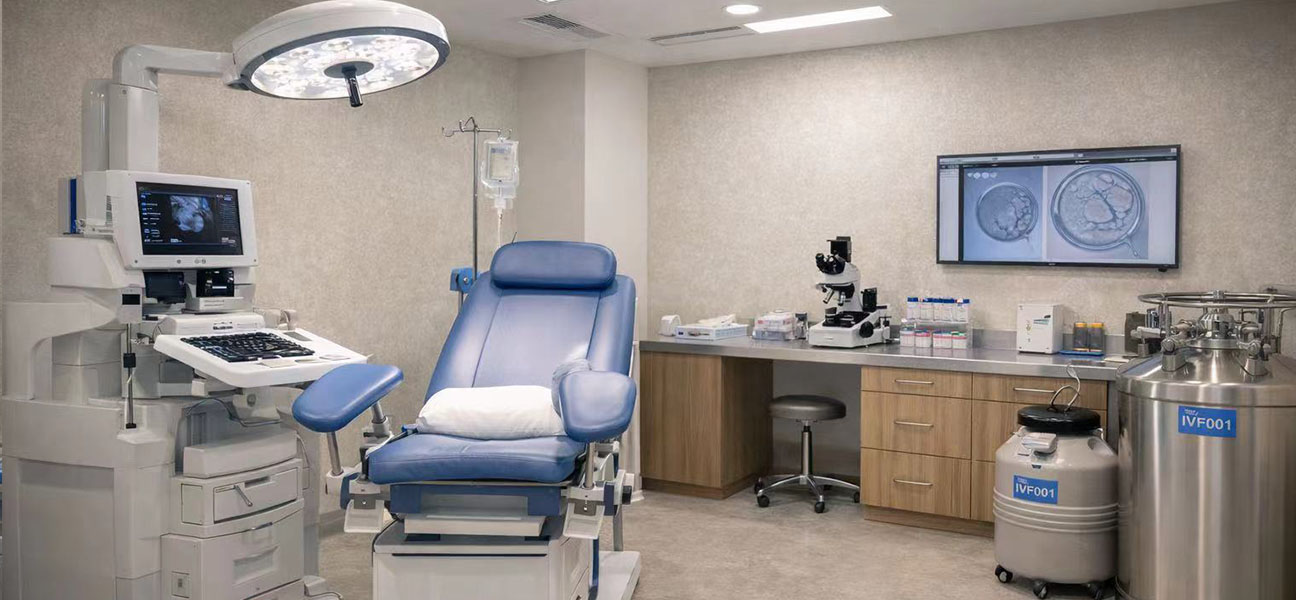
- Technical Management Standards: Reproductive centers need to regularly monitor and refill liquid nitrogen tanks, and maintain the embryo registration, tracking, and quality control system. The longer the storage time, the higher the management costs and risks.
- Legal and Ethical Requirements: Embryos involve bioethics and cannot be stored indefinitely without disposition. Medical institutions need to regularly clear embryos that have been unclaimed or unpaid for a long time.
- Patient Consent Confirmation: After storage exceeds a certain period, hospitals need to reconfirm the patient's storage wishes, contact information, marital status, etc., to ensure disposal complies with current regulations.
III. Reproductive Doctor's Advice
From a clinical perspective, the length of embryo cryopreservation is not directly related to the survival rate after thawing. Vitrification technology is very mature. In a stable liquid nitrogen environment (-196°C), the cellular metabolism of the embryo almost completely stops, theoretically allowing storage for decades.
However, doctors usually advise patients to:
- Plan the transfer time as early as possible to avoid complex issues such as identity confirmation and changes in marital relationship due to excessively long storage;
- Keep contact information current, and promptly notify the reproductive center if phone numbers or addresses change;
- Regularly check the latest policies, as storage regulations may vary between different hospitals and time periods.
For patients who have completed their family planning and have no immediate desire for more children, doctors also recommend clearly informing the hospital of their storage wishes rather than leaving the matter unattended for a long time.
IV. Differences in Storage Policies Among Reproductive Centers
There are some differences in the implementation details of embryo cryopreservation among domestic reproductive centers, mainly reflected in:
| Item | Practice in Most Centers | Differences in Some Centers |
|---|---|---|
| Storage Cycle | 5-year cycle, renewal upon expiration | Some centers use a 3-year or 10-year cycle |
| Annual Storage Fee | 1000-3000 RMB/year (charged annually or per cycle) | A few centers charge tiered fees based on the number of embryos |
| Renewal Method | Online/offline payment, requires signing informed consent | Some centers support automatic renewal deduction |
| Grace Period for Overdue Payment | 6-12 months; disposal according to agreement if not renewed | Some centers have a grace period of only 3 months |
| Maximum Storage Duration | Usually not exceeding 10 years | Some tertiary hospitals allow storage up to 15-20 years |
When choosing a reproductive center, patients should thoroughly understand its storage agreement terms, especially regarding overdue disposal, fee adjustments, and agreement changes.
V. Most Easily Overlooked Details: Storage Agreement Clauses
In the embryo cryopreservation agreement, there are several details that patients often overlook but can have serious consequences:
- "Overdue Non-Renewal" Disposal Clause: The agreement will clearly state how embryos will be handled if the grace period is exceeded without renewal or contact. Disposal methods vary among hospitals; some destroy them, others donate them for research.
- Requirement for Signatures of Both Spouses: Steps such as storage, renewal, thawing, and disposal usually require both spouses to sign the informed consent form. If either party cannot be present, alternative arrangements must be communicated with the hospital in advance.
- Responsibility for Personal Information Changes: The agreement typically requires patients to proactively inform of contact information changes. Consequences of inability to contact due to failure to notify are borne by the patient.
- Storage Fee Adjustments: Some hospitals reserve the right to adjust storage fees, and renewal may be subject to new standards.
VI. Time Planning for Storage and Transfer
From a time planning perspective, patients are advised to consider the following factors:
- Reproductive Plan Window: If there is a clear plan for pregnancy within the storage period, it is recommended to start transfer preparation around the 3rd to 4th year of storage to allow sufficient time for cycle adjustments.
- Age and Ovarian Function: For older patients, even if embryos are frozen, early transfer is advisable to avoid the impact of changes in their own uterine conditions on pregnancy outcomes.
- Risk of Policy Changes: Regulations in the assisted reproduction field may be updated, and future requirements for storage periods or fee structures may change. Using embryos early can help avoid uncertainties.
For patients with no immediate transfer plans, it is recommended to confirm the storage status with the reproductive center every 2-3 years to ensure everything is normal.
VII. Handling Special Situations: Long-Term Storage and Loss of Contact
In practice, some special situations arise:
- Storage Exceeding 10 Years: Some patients have not transferred for various reasons, and their embryos have been stored for over 10 years. In such cases, the hospital will require a reassessment of both parties' identities, marital status, and signing of a new storage agreement. As long as the embryos are still in liquid nitrogen and their quality is stable, they can still be used after thawing.
- Death of One Spouse or Divorce: According to current regulations, embryo disposal requires the joint decision of both spouses. If one spouse dies or the couple divorces, the handling method needs to refer to the ethics committee's opinion and legal rulings, making the situation more complex.
- Loss of Contact Exceeding the Grace Period: After multiple unsuccessful attempts to contact the patient, the hospital will dispose of the embryos according to the agreement. Public notice or notarization is usually carried out before disposal to meet ethical requirements.
If a patient needs long-term storage due to special reasons (e.g., going abroad, medical treatment), it is advisable to register with the reproductive center in advance and designate an emergency contact.
VIII. Differences in Storage Strategies by Age Group
The patient's age has a certain impact on embryo storage decisions:
- Under 35 years old: Usually have a more ample reproductive window and can plan to complete transfer within 5 years. If there are no immediate pregnancy plans, continuing storage carries lower risk.
- 35-40 years old: It is recommended to arrange transfer as early as possible within the storage period to avoid changes in uterine environment or endocrine conditions due to increasing age.
- Over 40 years old: Even if the embryos were frozen at a younger age, prompt transfer is advised. Risk management for advanced maternal age pregnancy requires more thorough medical preparation.
Patients in different age groups should make renewal decisions based on a comprehensive assessment of their own fertility intentions, physical condition, and family plans.
===== Conclusion: Doctor's Advice =====
Embryo cryopreservation is a mature technology, but patients need to actively manage their storage records. It is recommended to:
- Keep the "Informed Consent for Embryo Cryopreservation" and all payment receipts safe;
- Proactively contact the reproductive center every 2-3 years to confirm storage status and latest policies;
- Notify the hospital immediately when contact information changes;
- Plan for transfer as early as possible within the storage period to avoid inconveniences caused by policy changes or identity changes over time.
If you have questions about the storage period or renewal process, it is recommended to communicate directly with the embryology lab or medical affairs department at your reproductive center for the most accurate implementation details.
This content is for educational purposes and patient education in assisted reproduction only. It does not constitute medical advice or marketing promotion. Specific storage policies are subject to the latest announcements from each reproductive center.







Comments (0)