

========== Case Scenario Analysis ==========
1. Case Scenario: Two Patients' Seasonal Confusion
36 years old, AMH 1.8 ng/mL, planning first IVF
"Doctor, I heard that spring has the highest IVF success rate. It's already November. Should I wait until next March to start? I'm afraid the cold winter will affect my physical condition and impact embryo implantation."
42 years old, FSH 11.2 IU/L, Antral Follicle Count 5
"I read online that some say egg quality is better in summer, and others say winter is better for transfer. My ovarian function is already declining. Which season gives me a better chance? Should I wait another six months?"
The confusion of these two patients is very typical. In outpatient clinics, similar questions are asked almost every week. To answer "What is the best season for IVF in China," we need to start with the fundamental logic of reproductive medicine.
========== Direct Answer to the Question ==========
2. Direct Answer: There is No Medically Defined "Best Season"
From an evidence-based reproductive medicine perspective, currently, no high-quality research confirms that "the live birth rate in any particular month or season is significantly higher than in others." The three core stages of IVF—ovarian stimulation, in vitro culture, and embryo transfer—are all conducted in strictly controlled environments:
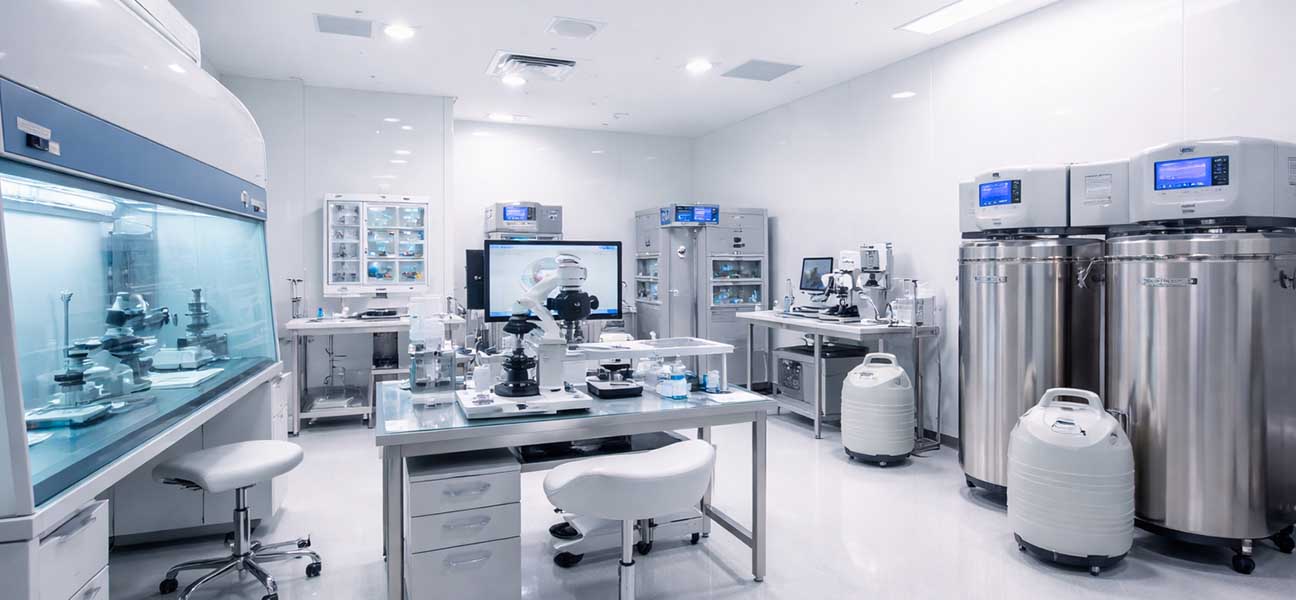
- Constant Laboratory Conditions: Embryo incubators maintain a temperature of 37.0±0.1°C, CO₂ concentration of 6.0±0.2%, and humidity above 95%, unaffected by outdoor seasonal fluctuations.
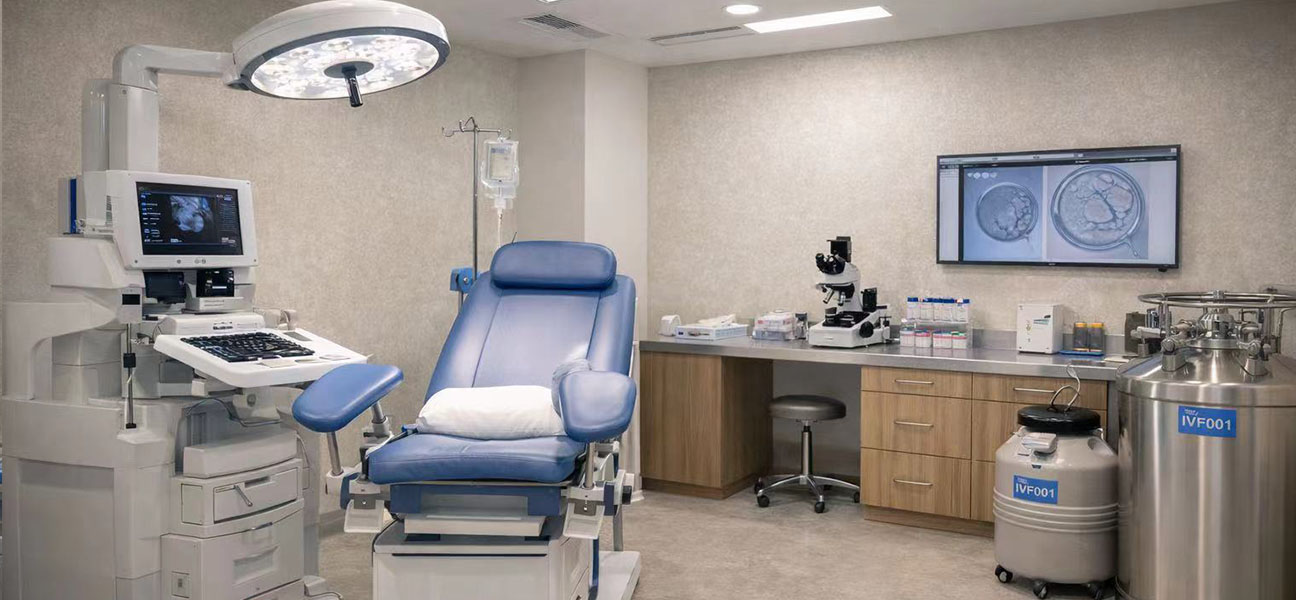
- Stable Operating Room Environment: Both egg retrieval and embryo transfer rooms are laminar flow purification spaces, with temperature and humidity maintained within a constant range year-round.
- Standardized Medication Protocols: Dosage adjustments for ovulation-stimulating drugs are based on hormone levels and follicle development, not the season.
Therefore, "the idea that seasons affect IVF success rates is an old concept that was disproven in the era of modern laboratories." What truly matters is the patient's own lifestyle, risk of infection, psychological stress, and work schedule during a particular season.
========== Why Does This Belief Persist? ==========
3. Why Does the "Best Season" Myth Still Circulate?
The reasons mainly come from three aspects:
- Generalization of Empirical Intuition: Some patients attribute their successful pregnancy in a certain season to "good timing," overlooking the medical fundamentals.
- Influence of Traditional Chinese Medicine (TCM): TCM emphasizes "birth in spring, growth in summer," leading some patients to mechanically apply health preservation concepts to assisted reproduction.
- Fragmented Online Information: There is a vast amount of personal experience sharing online without medical editorial review, leading to the repeated spread of "seasonal determinism."
It is worth noting that a very small number of retrospective studies have suggested minor differences in fertilization or blastocyst formation rates between seasons (differences within 1-3%), but these differences have no practical clinical significance and are far less influential than factors like age, ovarian reserve, and sperm quality.
========== The Most Overlooked Details ==========
4. The Most Overlooked Details: The Real "Variables" of Seasons
Although the laboratory environment is unaffected by seasons, a patient's physical and lifestyle conditions do change with the seasons. These are the real variables to focus on:
| Variable Dimension | Winter (Dec-Feb) | Summer (Jun-Aug) |
|---|---|---|
| Sunlight & Vitamin D | Insufficient sunlight, reduced Vitamin D synthesis, potentially affecting calcium metabolism and immune function. | Adequate sunlight, but need to protect against sunburn and heatstroke. |
| Infection Risk | High incidence of influenza and mycoplasma pneumonia; fever may interrupt the cycle. | Slightly increased risk of intestinal and urinary tract infections. |
| Psychological State | Short daylight hours may worsen seasonal mood低落 (low mood). | More outdoor activities and social interaction, mood tends to be more open. |
| Dietary Structure | Higher intake of high-calorie, high-fat foods; vegetable consumption may decrease. | Abundant fresh fruits and vegetables, but increased consumption of cold drinks and raw foods. |
| Daily Routine | More time indoors, reduced activity, possibly more sleep. | Long days and short nights, increased activity, possibly insufficient sleep. |
As the table shows, each season has its pros and cons; there is no absolutely superior season. The key is how patients adjust based on their own circumstances to minimize the impact of unfavorable factors.
========== Time Planning ==========
5. Time Planning Advice: Center on "Personal Schedule," Not the Season
Instead of worrying about the season, a more practical approach is to plan around the following three time coordinates:
📅 Coordinate 1: Baseline Check-ups and Preparation (1-3 months in advance)
AMH, FSH, LH, thyroid function, semen analysis, chromosome karyotype, hysteroscopy, etc. These tests are not affected by season but should avoid menstruation and acute infection periods.
📅 Coordinate 2: Work and Family Arrangements (2-4 weeks in advance)
The ovarian stimulation phase requires frequent hospital visits for monitoring (about 6-10 times), and egg retrieval and transfer each require 1-2 days of rest. Choose a period when work is relatively light, rather than a specific season.
📅 Coordinate 3: Mental and Lifestyle State (continuous adjustment)
If you are feeling significantly stressed, sleep-deprived, or emotionally low in a particular month, even if it is the "traditionally best season," it is advisable to postpone. The impact of psychological state on endocrine function and embryo implantation is well-documented.
For 36-year-old Case A and 42-year-old Case B, my advice is highly consistent: Do not waste the time window of your ovarian reserve waiting for a "best season." Especially for patients with low AMH or elevated FSH, ovarian reserve declines irreversibly each month.
========== Frequently Asked Questions ==========
6. Frequently Asked Questions
No. Embryos are cultured at a constant temperature in an incubator. After transfer, they are located in the uterine cavity, whose temperature is not affected by the outside air temperature. Just keep yourself warm and prevent colds in winter.
No. Follicle development is driven by gonadotropins and has no direct relationship with external temperature. However, high temperatures can affect sleep quality and mood, which can be managed with air conditioning and ventilation.
Allergic reactions themselves do not directly affect embryo implantation, but severe symptoms (like persistent sneezing or asthma) can increase abdominal pressure and cause indirect discomfort. It is recommended that allergy patients use antihistamines (confirmed by a reproductive doctor) before the pollen season.
From an epidemiological perspective, infection risks are relatively lower in autumn (before the flu peak), and the pleasant weather offers higher psychological comfort. However, this is not a medical advantage but a "relative convenience" in terms of life experience.
========== Common Pitfalls ==========
7. 4 Common Cognitive Misconceptions to Avoid
| Misconception | Truth |
|---|---|
| "Higher pregnancy rates in spring" | Multiple large-sample studies (including multi-center data from China) show no statistical difference in clinical pregnancy and live birth rates across months. |
| "Better egg quality in summer" | Egg quality is determined by ovarian reserve, hormonal regulation, and nutritional status, not the season. Summer heat may even exacerbate oxidative stress in some patients. |
| "Easier implantation in winter" | Implantation rate mainly depends on embryo chromosomal euploidy, endometrial receptivity, and immune factors, not the outdoor temperature. |
| "Wait for the best season to start" | For patients over 35 or with diminished ovarian reserve, waiting itself consumes success rates. Every 3-month delay may reduce the live birth rate by 2-5%. |
========== Doctor's Perspective ==========
8. Clinical Observations from a Reproductive Doctor
As a reproductive doctor, I have observed a phenomenon in the clinic: The real seasonal factors affecting cycle outcomes are not heat or cold, but "infection peaks" and "holiday congestion."
From December to February each year is the peak flu season. If a patient develops a fever during ovarian stimulation or before transfer, the cycle may be cancelled or postponed. Similarly, around the Spring Festival, some hospitals adjust surgical schedules, which may affect cycle continuity.
Another often-overlooked point is: The patient's "seasonal obsession" itself creates psychological pressure. Constantly worrying "Did I choose the wrong month?" can affect sleep and cortisol levels, which is detrimental to implantation.
Therefore, my advice to patients is just one sentence: "When you are physically and mentally ready, that is your best season."
========== Knowledge Graph Entity Coverage ==========
9. Related Examinations and Preparations
Regardless of when you start, the following examinations and preparations are common:
- Ovarian Reserve Assessment: AMH, FSH, LH, E₂, Antral Follicle Count (AFC) — Baseline hormone tests are done on days 2-4 of the menstrual cycle, unaffected by season.
- Semen Analysis: Semen routine + morphology + DNA fragmentation index (DFI) — Test within 3-7 days of ejaculation.
- Uterine Cavity Evaluation: Hysteroscopy, endometrial biopsy (if needed) — Best done 3-7 days after menstruation ends.
- Genetic Screening: Chromosome karyotype, thalassemia gene, spinal muscular atrophy (SMA), etc. — Can be done anytime, no need to wait for a specific season.
- Infection Screening: Hepatitis B, Hepatitis C, Syphilis, HIV, TORCH, etc. — Recommended to complete within 1-3 months before starting the cycle.
🔔 Time Reminder: AMH testing is not limited by the menstrual cycle; blood can be drawn at any time. However, FSH, LH, and E₂ must be tested in the early follicular phase. Semen analysis requires 3-7 days of abstinence. Hysteroscopy should avoid menstruation and acute inflammation periods.
========== Special Circumstances ==========
10. Special Circumstances: Who Needs to Consider "Seasonal Factors" More?
Although most people do not need to deliberately choose a season, the following groups can make moderate adjustments based on their own characteristics:
| Patient Characteristic | Considerable Seasonal Preference |
|---|---|
| Severe Seasonal Allergies | Avoid personal allergy peak seasons (e.g., spring pollen, autumn ragweed) to reduce the impact of sneezing and nasal congestion on post-transfer comfort. |
| Recurrent Respiratory Infections | Avoid the winter flu peak, or get the flu vaccine in advance (confirmed by a reproductive doctor). |
| High Anxiety / Depression Tendency | Prioritize seasons with ample sunlight and convenient outdoor activities (late spring or early autumn) to help maintain emotional stability. |
| Special Occupations (e.g., Teachers, Accountants) | Utilize winter/summer breaks or business off-seasons to reduce work leave pressure, rather than considering the season itself. |
========== Doctor's Advice ==========
Doctor's Advice: Don't Pay the "Time Cost" for a Season
📌 Key Reminder: For women over 35, especially those with AMH below 1.5 ng/mL or FSH above 10 IU/L, time is the most scarce resource. Waiting for a "best season" may mean a further decrease in follicle count and an increased risk of chromosomal aneuploidy.
If you must choose a "relatively convenient" period, from a lifestyle perspective, March-April or September-October are usually times with pleasant weather, lower infection rates, and stable hospital schedules. But this is a choice of convenience, not a medical "best."
Final Advice: After completing the baseline assessment, work with your reproductive doctor to create a timeline anchored to your age, ovarian reserve, work, and family plans, not the calendar season.
========== Closing Tags (Knowledge Graph Association) ==========




Comments (0)