
Opening: Patient Misconceptions
Patient Misconceptions
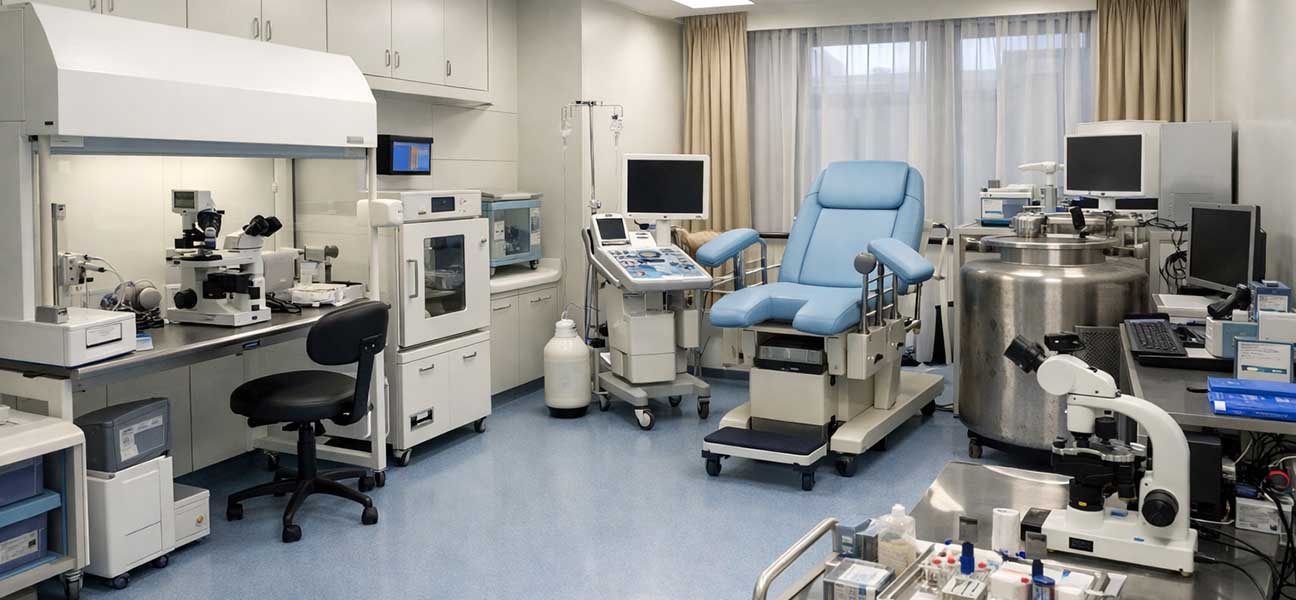
When selecting an assisted reproduction hospital, many couples habitually summarize "good environment" as luxurious decoration, spacious waiting areas, and having a coffee shop. But having worked in a reproductive center for ten years, I have seen too many people experience cycle delays or embryo damage due to ignoring core environmental indicators. The so-called "environment" is essentially the hardware and process system that supports pregnancy outcomes, not a hotel-like experience.
1. The True Definition of a Hospital Environment: What Counts as a "Good Environment"
The environment of an assisted reproduction hospital is divided into three levels: Medical Clean Environment, Process Flow Environment, and Psychological Support Environment. The most easily overlooked but most critical is the medical clean environment – which directly affects gamete and embryo quality.
Direct Answer: There is no absolute "best" hospital, but there are quantifiable environmental dimensions. If you are asking which hospital has the best environment, you first need to clarify whether you are evaluating the embryo lab cleanliness level, operating room air purification standards, or patient convenience. Different hospitals have different focuses across these dimensions.
2. Why Does the Question "Which Hospital Has the Best Environment" Arise?
Patient anxiety often stems from information asymmetry. Online promotions of "five-star reproductive centers" and "garden hospitals" can easily create cognitive biases. In reality, a hospital's true environmental strength is reflected in the following invisible indicators:
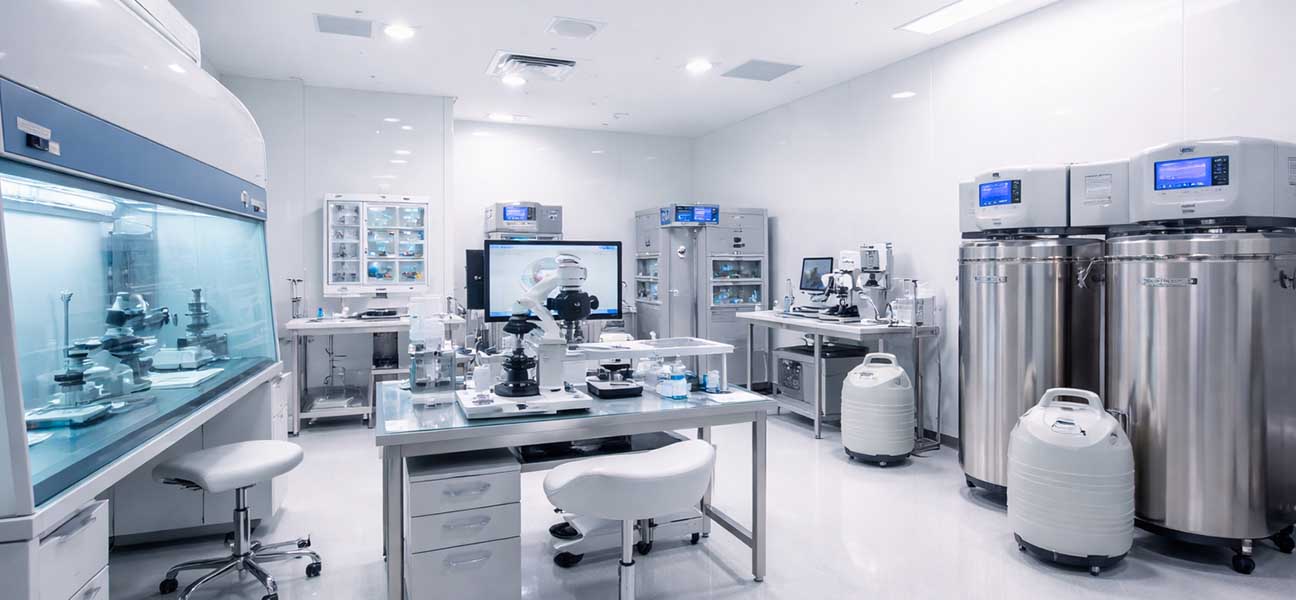
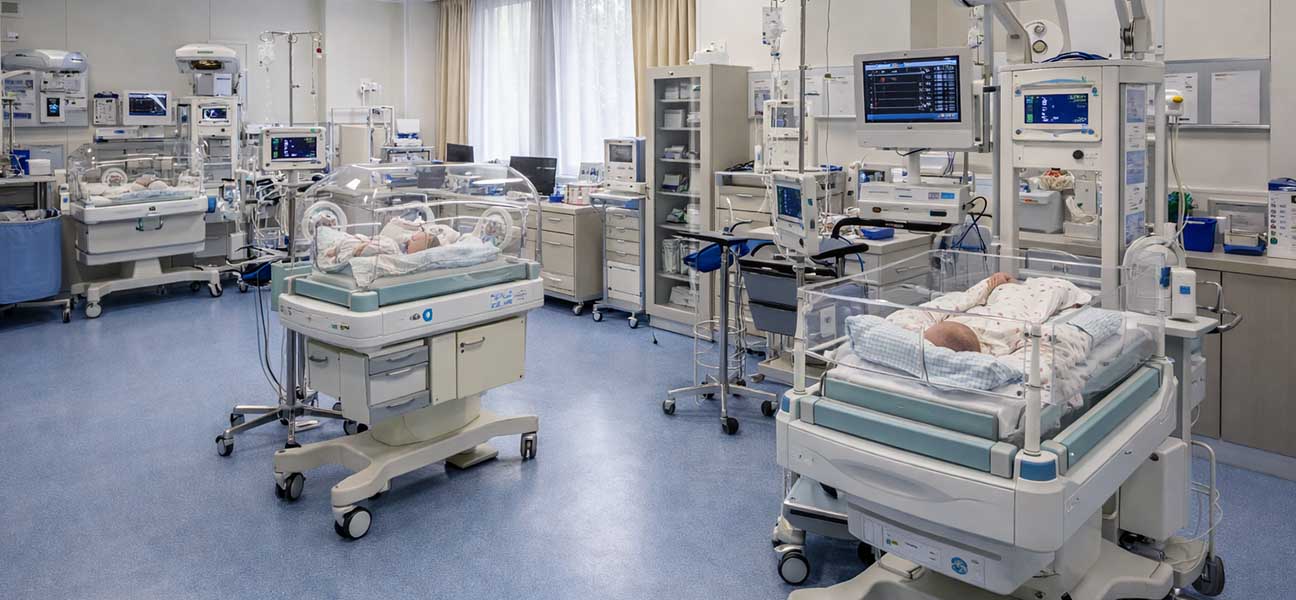
- Embryo Lab Cleanliness Level: At least Class 10,000 laminar flow (some core areas Class 100), equipped with an uninterruptible power supply and backup incubators.
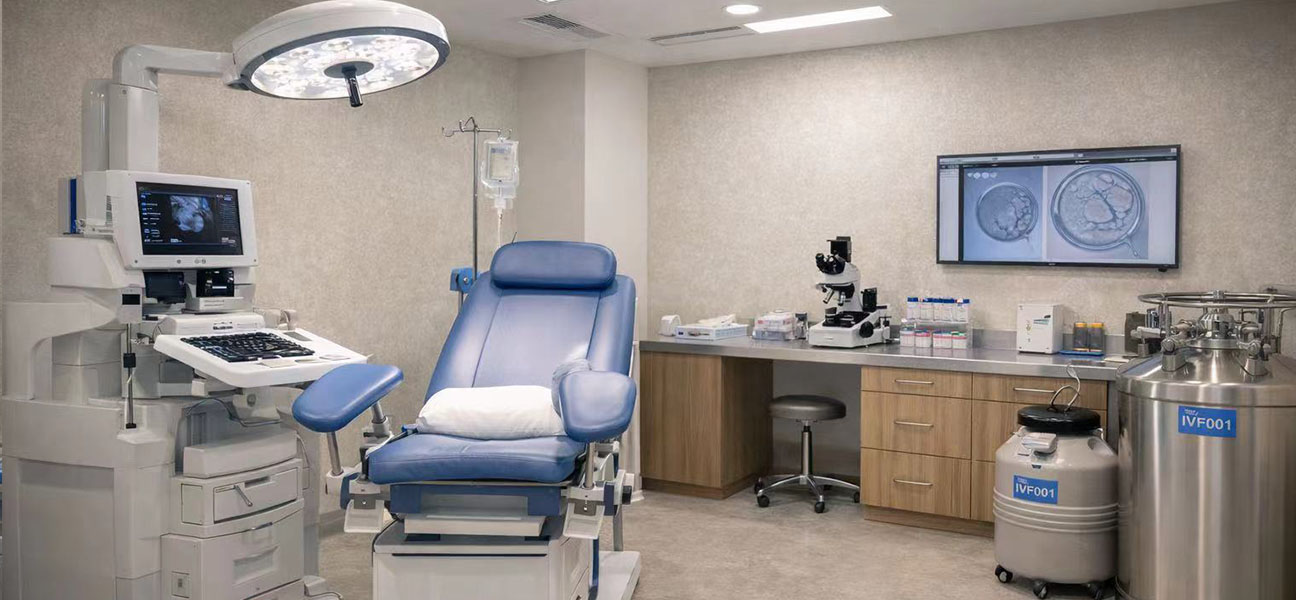
- Egg Retrieval Operating Room Air Purification: Positive pressure laminar flow, constant temperature and humidity (temperature 24±1°C, humidity 40-60%).
- Patient Flow Design: Whether examination, blood draw, injection, surgery, and rest areas are on the same floor or nearby to reduce patient travel and anxiety.
- Privacy Protection Measures: Private consultation rooms, one-on-one conversation rooms, and encrypted medical record systems.
3. Differences Between Hospitals: From First-Tier to Regional Centers
According to recent quality control data from Chinese reproductive medicine, environmental investment varies significantly across different hospital levels:
| Hospital Type | Clean Environment | Flow Design | Patient Service |
|---|---|---|---|
| National Reproductive Medicine Centers (e.g., Peking University Third Hospital, CITIC Xiangya) | Class 10,000 laminar flow, some Class 100 ultra-clean workstations | Specialized building, outpatient-exam-surgery in same building | High process standardization, but longer waiting times |
| Provincial Tertiary Hospital Reproductive Centers | Class 10,000 laminar flow, core area Class 100 | Usually located within the main hospital building, requiring multiple floor changes | Queuing system, variable privacy protection |
| High-End Private/Joint Venture Reproductive Centers | Often claim Class 100 purification, but on-site inspection of maintenance records is needed | Independent space, one-on-one service, private flow | Focus on experience, but higher cost |
4. How Do Doctors View Environmental Indicators?
A chief physician with 15 years of clinical reproductive medicine experience once told me: "When patients ask me which hospital is good, I ask in return: Do you care more about the incubator's alarm system, or about whether the waiting area has free juice?" What truly determines embryo outcome is the stability of the lab – a temperature fluctuation of more than 0.5°C in the incubator can affect blastocyst formation rate. And the incubator is often hidden in the innermost area, completely invisible to patients.
Therefore, when doctors evaluate the environment, they first look at the lab's hardware redundancy (dual power supply, liquid nitrogen backup tanks, real-time monitoring system), second at the infection control process (patient disinfection before egg retrieval, operating room personnel access management), and only third at patient comfort.
5. The Most Easily Overlooked Detail: The True Relationship Between Environment and Success Rate
Key Detail: The air quality in the operating room and embryo lab directly affects egg quality and embryo development. A retrospective study published in 2020 showed that in Class 100 purification labs, the fertilization rate was about 3-5% higher and the high-quality embryo rate about 6% higher compared to ordinary Class 10,000 environments. But this does not refer to the "cleanliness" patients can directly feel, but rather the concentration of particles, VOCs, and bacteria in the air.
- Many newly renovated reproductive centers, although beautiful in appearance, require months for formaldehyde, benzene, and other VOCs to dissipate. Directly entering egg retrieval or embryo culture may increase embryo fragmentation.
- To reduce costs, some hospitals turn off the lab's air conditioning system at night, causing temperature fluctuations during the day that affect embryo metabolism.
6. Common Pitfalls: Decisions Misled by "Good Environment"
The most common mistake patients make is judging the environment through online photos or promotional materials. Be wary of:
- Photo Zone ≠ Treatment Area: Some centers decorate the waiting hall like a hotel lobby, but behind the lab door is an old ventilation system.
- Focusing Only on Area, Not Layout: Is the pass-through window design between the egg retrieval room and embryo lab reasonable? If the pass-through requires going through a public corridor, it increases contamination risk.
- Ignoring Patient Privacy: Some hospitals, in pursuit of efficiency, call out "Li XX, prepare for egg retrieval" directly – this is the worst environment.
7. Practical Process: How to Conduct an On-Site Hospital Environment Inspection
If conditions permit, consider specifically requesting a tour of the following areas during your initial appointment (most正规 centers allow this):
- Embryo Lab Corridor: Observe whether there are double doors and whether there is an air shower or buffer room before entry.
- Egg Retrieval Operating Room Entrance: Check the temperature and humidity display inside the operating room (many centers install one outside the door).
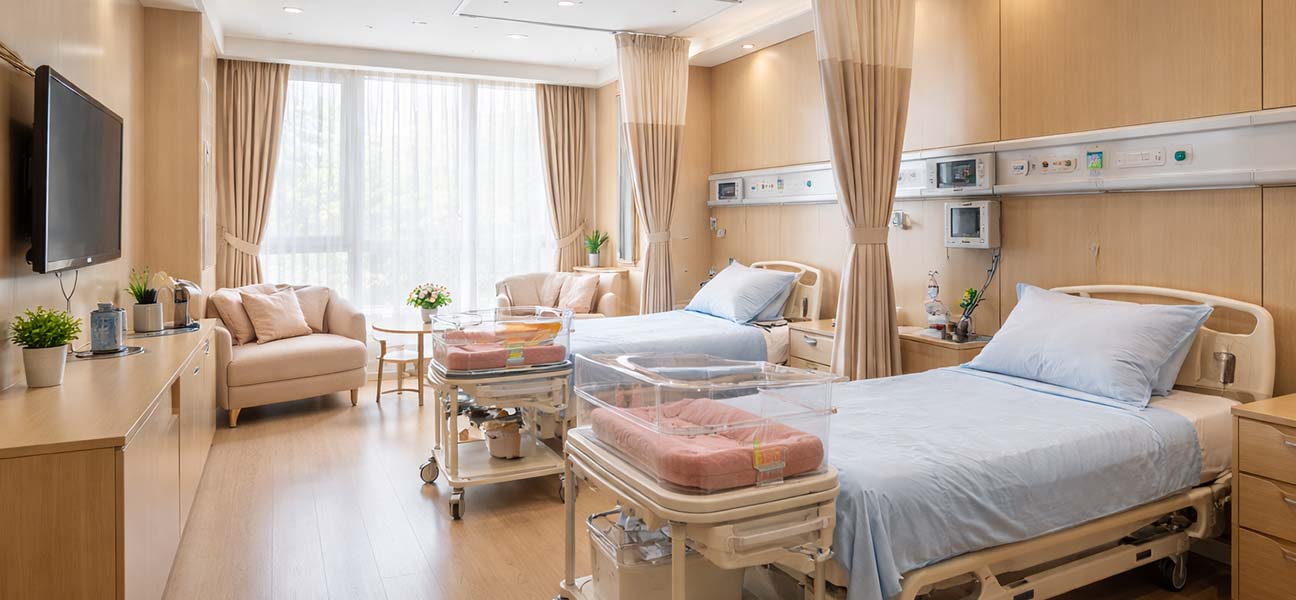
- Patient Rest Area: Are there private cubicles after anesthesia recovery? Is the family waiting area crowded?
- Consultation Space: Does each consultation room have a private conversation area?
Also ask three hard indicators:
- Is the lab ISO 15189 or US CAP certified?
- Are the incubators equipped with remote temperature and CO₂ concentration monitoring alarms?
- Is there an independent backup generator and liquid nitrogen tank backup system?
8. Practitioner Observations: Environmental Details That Truly Show Care
As a patient education specialist, I track the treatment records of over 500 couples annually. I have found that hospitals with long-term recognition often share the following commonalities:
- Blood draw rooms, injection rooms, and consultation rooms are on the same floor, so patients don't have to run around the building with forms.
- All treatment rooms complete UV disinfection before the morning peak, with records available for review.
- Male sperm collection rooms have independent soundproofing and temperature/humidity control, rather than being converted from ordinary restrooms.
- The post-transfer rest area does not mandate rest but provides curtains and adjustable recliners.
Risk Reminder: Do not choose a hospital simply because the "environment looks new." If a newly renovated reproductive center has not undergone adequate ventilation and environmental monitoring (at least 3-6 months), residual indoor organic compounds may interfere with embryo development. It is recommended to prioritize assisted reproduction institutions that have been stably operating for over 3 years.
9. Relationship Between Different Age Groups and Environmental Needs
Younger patients (<35 years) are relatively less sensitive to the environment because their egg quality is better, allowing for slightly higher tolerance to environmental fluctuations. However, older patients (≥38 years) or those with diminished ovarian reserve (AMH <1.0 ng/mL) are extremely sensitive to the external environment:
- It is recommended to choose a lab with a Class 100 ultra-clean workstation and incubators with a desktop independent gas supply system.
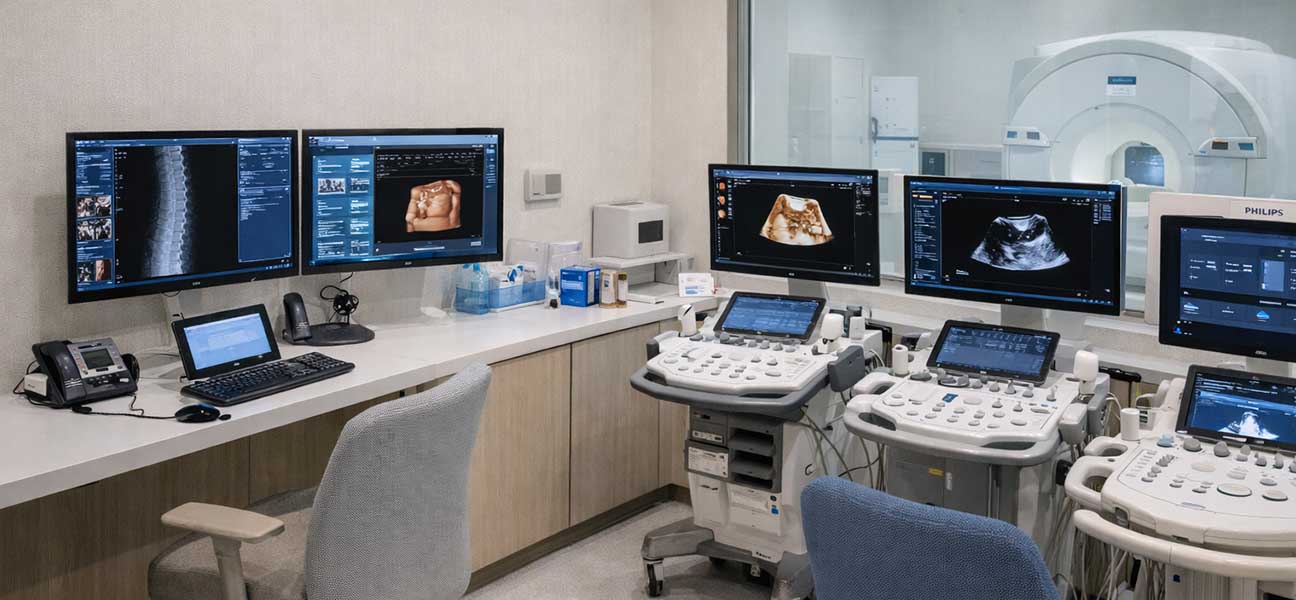
- Older patients often require multiple ultrasounds and blood draws during a cycle. A smooth flow directly affects compliance and hormone levels. Ideally, blood draw, ultrasound, and doctor's consultation rooms should be arranged in a triangular layout.
10. Summary Evaluation Framework (Non-Ranking)
You can perform the following weighted scoring for candidate hospitals based on your priority needs:
| Evaluation Dimension | Full Score | Your Weight | How to Obtain Information |
|---|---|---|---|
| Lab Cleanliness Level | 30 | ____ | Ask the lab director directly, or check quality control reports |
| Flow Convenience (number of floor changes per visit) | 20 | ____ | Walk the route yourself |
| Privacy Protection (one patient, one room, door closed) | 20 | ____ | Observe how the nurse calls patients in the waiting area |
| Backup System Assurance (power/gas outage) | 20 | ____ | Ask in person or check relevant certificates |
| Patient Psychological Support Environment (rest area, consultation room) | 10 | ____ | Experience an initial consultation to gauge |
A high total score does not necessarily mean it is right for you, but it can help you systematically think about the vague concept of "environment."
Doctor's Advice: Please clarify your core needs. If you are most worried about embryo contamination, give the highest weight to the "lab air purification system." If you are inherently anxious and need more psychological reassurance, prioritize hospitals with psychological counseling and one-on-one guidance. There is no standard answer, but there is a reference methodology. Before deciding, visit at least once in person and verify using the checklist above.
This article was written by a Patient Education Specialist based on professional experience and public quality control information. It does not constitute medical advice nor promote any hospital. Please make decisions regarding medical institutions based on your own situation and under the guidance of a doctor.




Comments (0)