
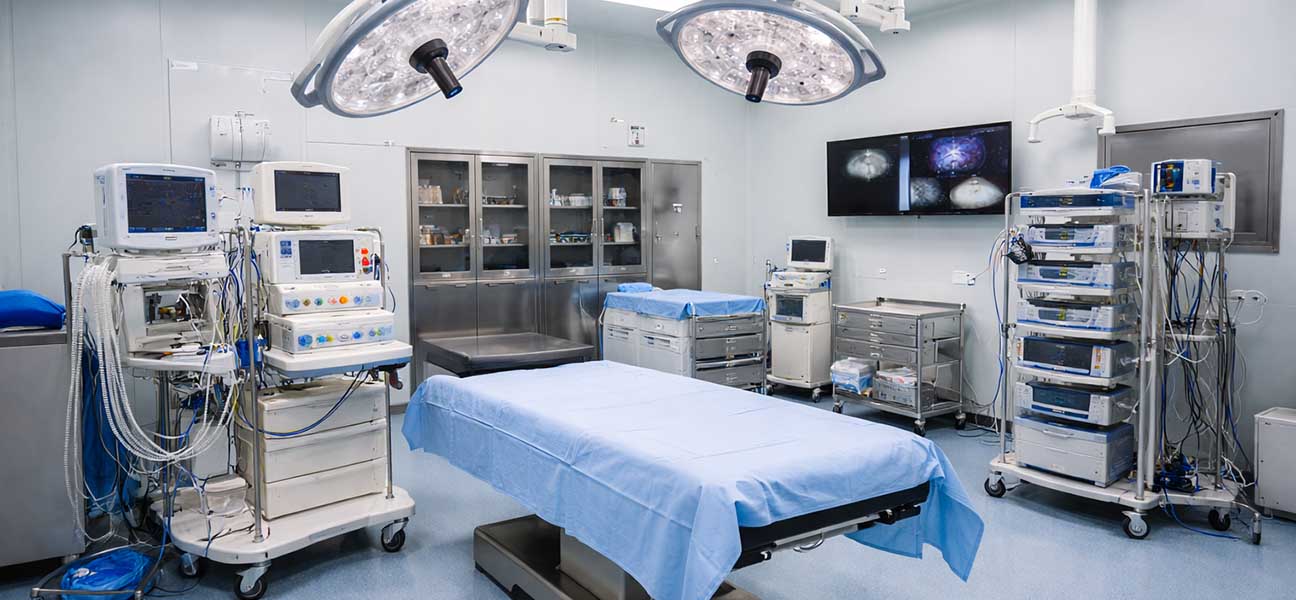
Opening: Real consultation scenario
In a reproductive medicine clinic, a 38-year-old woman, after completing an AMH test and antral follicle count, directly asked the attending physician: "Given the current level of assisted reproduction in China, what are my chances at this age? Is there a big gap compared to foreign countries?" The question behind this involves not a single success rate number, but a comprehensive judgment of China's assisted reproductive technology system, laboratory capabilities, clinical strategies, and individual differences. The following analysis is conducted from multiple dimensions.
Module A: Direct AnswerOverall Positioning of China's Assisted Reproductive Medical Level
China's assisted reproductive medicine has overall reached international advanced levels, with advantages in technology coverage, clinical scale, and some specialized techniques. This is specifically reflected in:
- Complete Technical System: Full-chain technologies such as conventional in vitro fertilization (IVF), intracytoplasmic sperm injection (ICSI), preimplantation genetic testing (PGT), in vitro maturation (IVM) of immature oocytes, vitrification of oocytes/sperm/embryos, egg/sperm donation, and fertility preservation are all maturely implemented.
- Globally Leading Clinical Scale: China performs over 1 million assisted reproductive cycles annually, ranking among the top in the world, with clinical experience accumulating faster than in most countries.
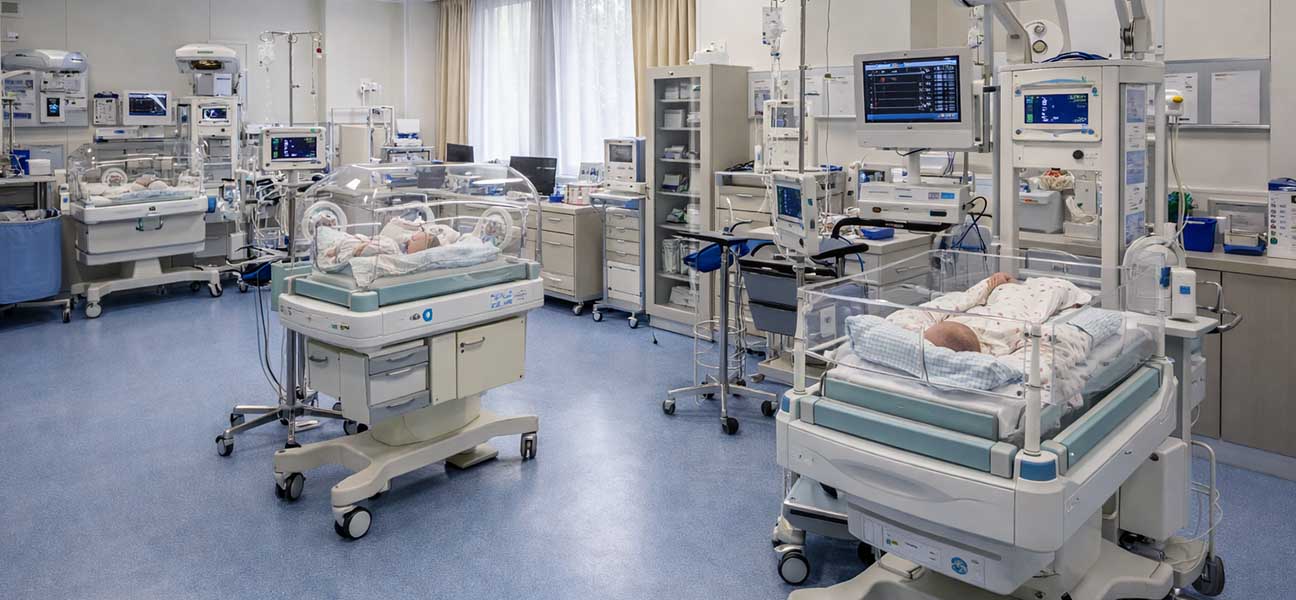
- Laboratory Standards: The embryo laboratories in some top-tier reproductive centers are on par with leading international centers in indicators such as culture media systems, time-lapse imaging, embryo grading, and freeze-thaw survival rates.
- Strict Policy Regulation: The National Health Commission implements an access system, periodic reviews, and regular inspections for reproductive centers, with a relatively comprehensive quality control system.
However, it must be clear: "High level" does not mean "success for everyone". The final outcome is comprehensively influenced by age, ovarian reserve, sperm quality, uterine conditions, type of etiology, and the center's individualized diagnostic and treatment capabilities.
Module B: Why China's Assisted Reproduction Level Has Reached Its Current HeightCore Driving Factors for Technical Capability Improvement
1. Clinical Demand and Experience Accumulation
China has a large population of reproductive age, with an infertility incidence rate of about 12%-18%. This huge clinical demand has driven technological iteration. A large reproductive center completes over 10,000 cycles annually, and the experience accumulated from this scale is an important foundation for technological maturity.
2. Leapfrog Development of Laboratory Hardware
Over the past 10 years, domestic embryo laboratories have achieved rapid upgrades in air purification, temperature control systems, incubator stability, time-lapse imaging systems, and AI-assisted embryo assessment. The laboratory standards of newly built centers are even higher than those in some developed countries.
3. Formation of a Talent Training System
Reproductive medicine has become an independent subspecialty. Most centers have a complete configuration of embryologists, reproductive clinicians, genetic counselors, and nursing teams. The training path for young doctors is clear, and the standardization of operations is high.
4. Policy Support and Quality Control
Through the "Administrative Measures for Human Assisted Reproductive Technology" and supporting regulations, the National Health Commission conducts regular supervision of institutional access, technology application, and ethical review, periodically publishes verification results, and has formed a certain survival-of-the-fittest mechanism.
Differences in Clinical Outcomes by Age Stratification
Age is the most critical independent factor affecting assisted reproductive outcomes. There is a clear gradient in cumulative live birth rates among different age groups in China:
| Age Group | Cumulative Live Birth Rate (Approximate) | Main Influencing Factors |
|---|---|---|
| ≤ 35 years | 60% – 70% | Adequate ovarian reserve, low rate of chromosomal abnormalities in eggs, high embryo quality |
| 36 – 38 years | 45% – 55% | AMH begins to decline, aneuploidy rate increases, more emphasis on embryo selection needed |
| 39 – 40 years | 30% – 40% | Simultaneous decline in egg quantity and quality, increased benefit from PGT-A |
| 41 – 42 years | 15% – 25% | Decreased number of eggs retrieved, lower rate of usable embryos, higher miscarriage rate |
| ≥ 43 years | < 10% | Very low success rate with own eggs; most centers recommend considering egg or embryo donation |
The above data comes from annual quality control reports of several large domestic reproductive centers and does not represent a commitment value for any single center. Actual outcomes need to be comprehensively assessed by combining individual indicators such as AMH, FSH, basal antral follicle count, and previous obstetric history.
Differences in Levels Among Different Reproductive Centers
There are currently about 600 medical institutions approved to provide assisted reproductive technology in China, but the technical level is not uniform. Differences are mainly reflected in:
1. Laboratory Grading
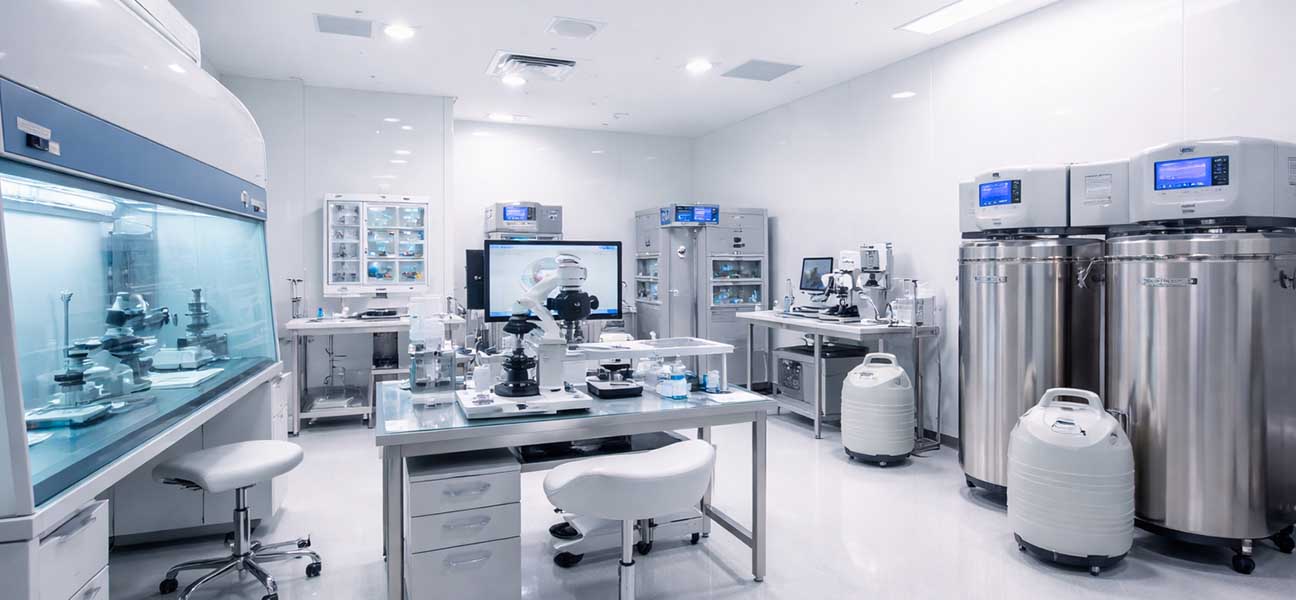
The embryo laboratory is the "heart" of a reproductive center. Domestic laboratories are roughly divided into three tiers:
- First Tier: National or regional reproductive medicine centers, with annual cycles >8,000, equipped with embryo time-lapse imaging, AI scoring, vitrification thawing survival rate >98%, and fully in-house PGT processes.
- Second Tier: Provincial key centers, with annual cycles 3,000-8,000, mature conventional technologies, PGT outsourced or collaborative.
- Third Tier: Prefecture-level centers, with annual cycles <2,000, mainly conventional IVF/ICSI, with a high referral rate for complex cases.
2. Clinical Individualization Capability
The choice of ovulation stimulation protocol, trigger timing, transfer strategy, and luteal phase support plan depend on the clinician's experience. High-level centers typically have a reserve of multiple protocols (e.g., PPOS, mild stimulation, dual stimulation, natural cycle) and can make dynamic adjustments based on AMH, BMI, and previous response history.
3. Multidisciplinary Team (MDT)
Complex cases (e.g., recurrent implantation failure, recurrent miscarriage, uterine anomalies, genetic disease prevention) require multidisciplinary collaboration involving reproductive clinical care, embryology, genetics, hysteroscopy, and immunology. Top-tier centers have established fixed MDT pathways, while smaller centers find this difficult to achieve.
Three Key Details Most Easily Overlooked
1. The "Soft Power" of the Embryology Laboratory
Hardware equipment can be purchased quickly, but the operational stability of the embryologist, the selection of culture media batches, the consistency of embryo grading, and the proficiency in freezing and thawing—these "soft powers" directly affect the blastocyst formation rate and transfer outcomes. Within the same center, results from different embryologists can vary significantly. It is advisable to indirectly inquire during the initial consultation about the center's embryologist team configuration, whether regular quality control meetings are held, and whether they participate in external quality assessment schemes.
2. Pre-cycle Uterine Environment Assessment
Many patients focus all their attention on "embryo quality" while neglecting endometrial receptivity. Hysteroscopy, screening for chronic endometritis (CD138 immunohistochemistry), and endometrial gene chip testing (ERA) are of clear value in cases of recurrent implantation failure. High-level domestic centers have included hysteroscopy as one of the routine pre-transfer assessments, but not all centers strictly implement this.
3. Non-sperm Factors in the Male Partner
In the ICSI era, low sperm count or poor motility can be addressed by single sperm injection, but sperm DNA fragmentation index (DFI) and sperm epigenetic abnormalities can still affect embryo development and implantation. Some domestic centers recommend lifestyle intervention or medication first when the male DFI is >30%, rather than proceeding directly to the egg retrieval cycle. This detail is easily overlooked during the first visit.
Module R: Practitioner's ObservationPractitioner's Observation: A Real Industry Perspective
As a reproductive medicine content editor, I have been continuously tracking the quality control data and technological iterations of domestic assisted reproduction over the past few years. Several phenomena are worth noting:
- Obvious Trend of Technological Homogenization: At the level of conventional IVF/ICSI, the gap between first and second-tier centers is narrowing. What truly differentiates them is the management capability for difficult cases and the maturity of high-end technologies like PGT.
- "Polarization" of Patient Awareness: Some patients still have the perception that "doing IVF means getting pregnant," lacking understanding of core concepts like age, ovarian reserve, and embryo aneuploidy; others are overly anxious, constantly switching centers, thus missing the optimal treatment window.
- Data Transparency Still Needs Improvement: Although the state requires regular data reporting, publicly accessible, age-stratified, and third-party audited live birth rate data remains limited. Patients often rely more on word-of-mouth and advertising than objective quality indicators when choosing a center.
- Genetic Counseling Gap: With the increased application of PGT, the supply-demand contradiction for genetic counseling is prominent. Many centers lack专职 genetic counselors, leading to patients' insufficient understanding of PGT indications, limitations, and issues like embryo mosaicism.
Basic Path of a Complete Assisted Reproductive Cycle
From the initial diagnosis to confirmation of pregnancy, a standard IVF/ICSI cycle typically includes the following stages:
- Initial Evaluation: Female: AMH, FSH, LH, estradiol, thyroid function, antral follicle count, uterine cavity assessment; Male: semen analysis + morphology + DNA fragmentation index. Takes about 1-2 days.
- Protocol Formulation: Choose an ovulation stimulation protocol (long protocol, short protocol, antagonist protocol, PPOS, mild stimulation, etc.) based on ovarian reserve, age, BMI, and medical history.
- Ovulation Stimulation Monitoring: Approximately 10-14 days, monitoring hormones and follicle development every 2-3 days, adjusting medication dosage.
- Egg Retrieval Surgery: After follicle maturation, inject hCG or GnRH-a trigger, and retrieve eggs via transvaginal ultrasound guidance 34-36 hours later. The surgery takes about 15-20 minutes, performed under anesthesia.
- Embryo Culture: Fertilization occurs 4-6 hours after egg retrieval; embryos are cultured to day 3 (cleavage stage) or day 5-6 (blastocyst stage). PGT or time-lapse imaging assessment can be chosen.
- Embryo Transfer: Performed on day 3-5 after egg retrieval or in a subsequent frozen-thawed cycle. Blood hCG test 12-14 days after transfer to confirm pregnancy.
- Luteal Phase Support and Follow-up: Progesterone medications are used to support the luteal phase after transfer. Ultrasound at 4-5 weeks after transfer confirms clinical pregnancy.
A complete fresh cycle from starting stimulation to confirming pregnancy typically takes 6-8 weeks. If PGT or frozen embryo transfer is involved, the total cycle time extends to 2-4 months.
Conclusion: Doctor's AdviceDoctor's Advice: Decision-Making Reference Based on True Levels
- Age ≥ 40: It is recommended to complete a full ovarian reserve assessment and genetic counseling at the first visit. Do not blindly attempt multiple cycles without adjusting the strategy.
- AMH < 1.0 ng/mL: Choose a center with experience in mild stimulation/natural cycle protocols to avoid cycle cancellation caused by standard long protocols.
- Recurrent Implantation Failure (≥ 2 times): Before the next transfer, it is recommended to complete hysteroscopy + endometrial ERA + chronic endometritis screening, rather than simply repeating the transfer.
- Family History of Genetic Disease or Chromosomal Abnormality: Choose a center with in-house PGT capabilities and genetic counseling qualifications, and allow sufficient time for pedigree analysis and probe design.
When choosing a reproductive center, it is recommended to prioritize the center's publicly released age-stratified live birth rate data over a general "success rate." Also, pay attention to laboratory quality control certifications, MDT configuration, and patient follow-up systems. Assisted reproduction is a field of "probability medicine" with no 100% guarantee, but making rational choices based on true levels can minimize time, financial, and emotional costs.
This content is compiled based on general knowledge in the assisted reproduction industry and publicly available quality control data from major domestic reproductive centers. It does not serve as any medical promise or institutional recommendation. Please consult a licensed reproductive medicine physician for specific diagnosis and treatment plans.





Comments (0)