
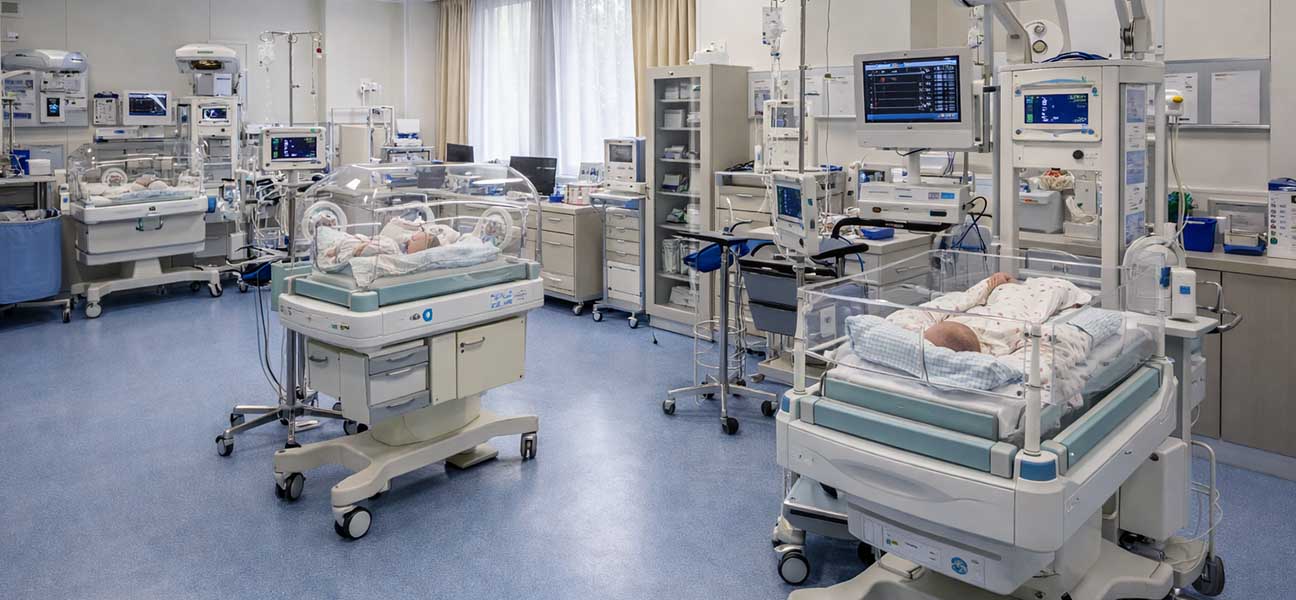
Opening: Real Consultation Scenario
A 32-year-old male presented a semen analysis report at the reproductive clinic: After three specimens were centrifuged at 3000g for 15 minutes, no sperm were found in the sediment under microscopic examination. He asked, "Doctor, do I still have a chance to have my own child through IVF?"
Module A: Direct Answer1. Can Azoospermia Be Solved Through IVF?
The answer is: There is a chance, but the plan depends entirely on the specific type of azoospermia. Azoospermia accounts for about 10% to 15% of male infertility, and not all cases of azoospermia preclude obtaining biological offspring.
Azoospermia is divided into two main categories, with distinctly different IVF pathways:
- Obstructive Azoospermia (OA): Testicular spermatogenesis is normal, but the sperm ducts (epididymis, vas deferens, ejaculatory ducts) are blocked due to congenital or acquired factors. Sperm can be obtained via testicular or epididymal aspiration for ICSI (Intracytoplasmic Sperm Injection) fertilization. The clinical pregnancy rate is close to that of conventional ICSI cycles using ejaculated sperm.
- Non-obstructive Azoospermia (NOA): Testicular spermatogenesis is impaired, preventing normal sperm production. Some patients can find focal spermatogenesis in testicular tissue through microdissection testicular sperm extraction (micro-TESE). After obtaining a small number of sperm, fertility can be achieved with ICSI, but the success rate is lower than for obstructive azoospermia.
Core Conclusion: Whether IVF is possible for azoospermia depends on whether the issue is "sperm cannot be expelled" or "the testicles cannot produce sperm." The solution path for the former is clear, while the latter requires more delicate surgery and more thorough psychological preparation.
2. Types and Causes of Azoospermia
Common Causes of Obstructive Azoospermia
- Congenital Bilateral Absence of the Vas Deferens (CBAVD), often associated with CFTR gene mutations.
- Epididymal obstruction, mostly resulting from fibrosis following reproductive tract infections (e.g., gonorrhea, chlamydia).
- Ejaculatory duct obstruction, which can be caused by cysts or inflammation.
- Post-vasectomy, which is iatrogenic obstruction.
- Inguinal hernia repair or scrotal surgery damaging the vas deferens.
Common Causes of Non-obstructive Azoospermia
- Chromosomal abnormalities: Klinefelter syndrome (47,XXY) is one of the most common causes.
- Y-chromosome microdeletions: Deletions in the AZFa, AZFb, and AZFc regions. The success rate of micro-TESE is relatively higher for AZFc deletions.
- History of cryptorchidism: Delayed surgery or bilateral cryptorchidism can damage spermatogenic cells.
- Mumps orchitis: Infection after puberty can destroy the seminiferous epithelium.
- History of radiotherapy or chemotherapy: Can cause irreversible damage to spermatogenic cells.
- Endocrine factors: Hypogonadotropic hypogonadism (e.g., Kallmann syndrome).
- Drug or toxin exposure: Certain chemotherapy drugs, radiation, environmental toxins.
3. Diagnosis and Interpretation of Examination Indicators
Determining the type of azoospermia is a prerequisite for formulating an IVF plan. The following examinations are required:
| Examination Item | Clinical Purpose | Key Indicator Suggestion |
|---|---|---|
| Semen Analysis (at least 3 times) | Confirm azoospermia, exclude cryptozoospermia | Centrifugation at 3000g for 15 minutes, no sperm in sediment under microscopy |
| Serum Sex Hormone Panel (6 items) | Assess hypothalamic-pituitary-testicular axis function | FSH > 10~15 IU/L suggests impaired spermatogenesis; T < 3 ng/mL suggests hypogonadism |
| Chromosomal Karyotype Analysis | Rule out chromosomal numerical/structural abnormalities | 47,XXY (Klinefelter syndrome), etc. |
| Y-chromosome Microdeletion (AZF) | Locate deleted regions of spermatogenesis genes | AZFa/AZFb deletions have extremely low sperm retrieval success; AZFc deletion has higher success |
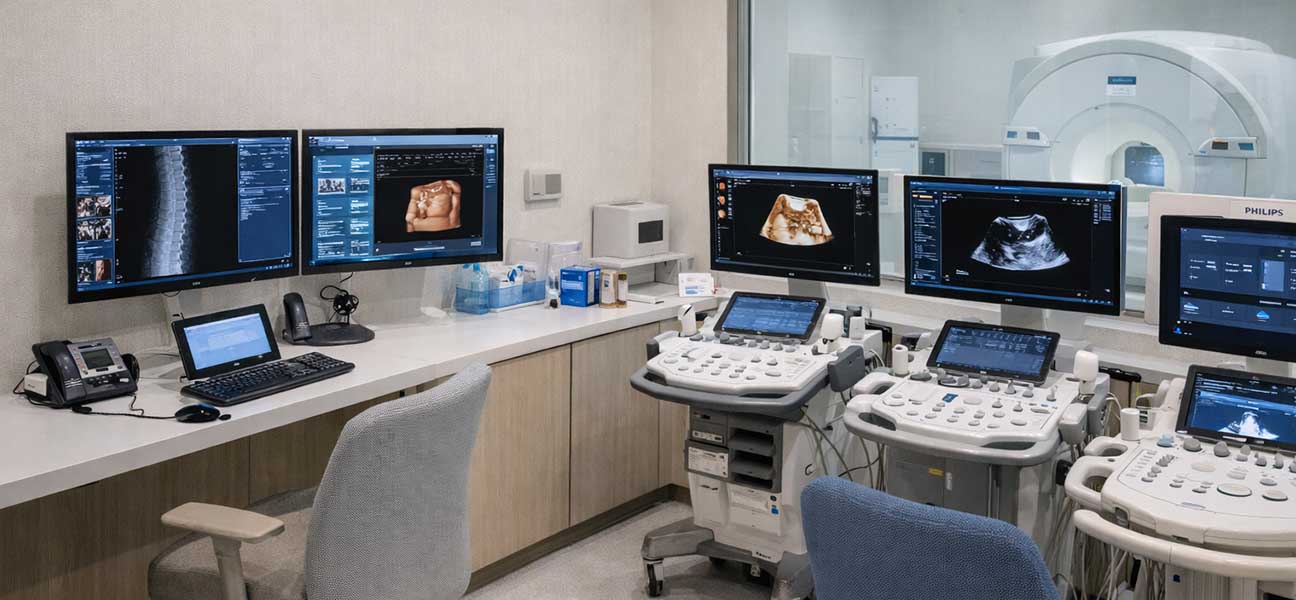
| Reproductive System Ultrasound | Examine testicular volume, epididymis, ejaculatory duct structure | Testicular volume < 8 mL often suggests poor spermatogenesis; enlarged epididymis or cysts may indicate obstruction |
| Serum Inhibin B | Directly reflects spermatogenic epithelial function | < 80 pg/mL indicates significantly decreased spermatogenesis |
| Testicular Biopsy (if necessary) | Determine histological type of spermatogenesis | Sertoli cell-only syndrome, maturation arrest, hypospermatogenesis, etc. |
Combined interpretation of FSH and Inhibin B is an important reference for distinguishing obstruction from non-obstruction. Normal FSH, normal Inhibin B, and normal testicular volume suggest a high probability of obstruction; elevated FSH, decreased Inhibin B, and reduced testicular volume suggest a high probability of non-obstruction.
Module C: Doctor's Perspective4. How Reproductive Doctors Formulate Plans
From a reproductive medicine perspective, the IVF plan for azoospermia is an individualized decision-making process that requires simultaneous assessment of both male and female fertility conditions.
Protocol Options for Obstructive Azoospermia
- First choice: Percutaneous Epididymal Sperm Aspiration (PESA) or Testicular Sperm Aspiration (TESA).
- After obtaining sperm, perform ICSI; fertilization rates typically reach 70%~80%.
- If sufficient sperm are retrieved via aspiration, they can be cryopreserved for multiple cycles.
- Patients with congenital absence of the vas deferens should also be screened for CFTR gene mutations to assess genetic risk for offspring.
Protocol Options for Non-obstructive Azoospermia
- Microdissection testicular sperm extraction (micro-TESE) is currently the internationally recognized gold standard, using a microscope at 20-40x magnification to find focal spermatogenesis.
- The success rate of sperm retrieval varies significantly by cause: Klinefelter syndrome ~40%~50%, AZFc deletion ~60%~70%, Sertoli cell-only syndrome ~10%~20%.
- If micro-TESE is successful, the number of sperm obtained is usually very small, requiring immediate ICSI or cryopreservation.
- If sperm retrieval fails, options include donor sperm or adoption.
Key Points for Doctors: The female partner's age is a non-negligible variable. Regardless of the success of sperm retrieval, the woman's ovarian reserve and uterine cavity condition directly affect the final outcome. Therefore, simultaneous evaluation and preparation for both partners is a fundamental principle.
5. Current Status and Differences in Assisted Reproductive Technology in China
China has aligned with international advanced levels in the diagnosis and treatment of male azoospermia, but there are differences between centers in terms of technology popularization and refinement.
- Micro-TESE Technology: Major reproductive centers in China have already implemented micro-TESE. Centers with a high annual surgical volume have more experience and relatively higher sperm retrieval success rates.
- Preimplantation Genetic Testing (PGT): For patients with chromosomal abnormalities or Y-chromosome microdeletions, PGT can be performed to screen for normal embryos, reducing genetic risk. PGT technology in China is mature but must meet medical indications and undergo ethical review.
- Multidisciplinary Collaboration: Large tertiary reproductive centers typically have departments of andrology, genetics, and endocrinology, enabling full-process management from diagnosis to treatment.
- Differences from Overseas: China has no significant gap with Europe and America in terms of micro-TESE and ICSI technology, but there are policy differences in the detection of some rare genetic diseases and donor sperm management. Domestic donor sperm sources are strictly regulated by the National Health Commission and must be obtained from designated human sperm banks.
6. IVF Process and Timeline
The complete process of IVF for azoospermia is divided into three stages, with a total duration typically of 3 to 5 months:
| Stage | Main Activities | Estimated Duration |
|---|---|---|
| Stage 1: Diagnosis and Evaluation | Male: Complete semen analysis, sex hormones, chromosomes, ultrasound, inhibin B, etc. Female: Complete ovarian function assessment, uterine cavity examination, infectious disease screening. | 1 to 2 months |
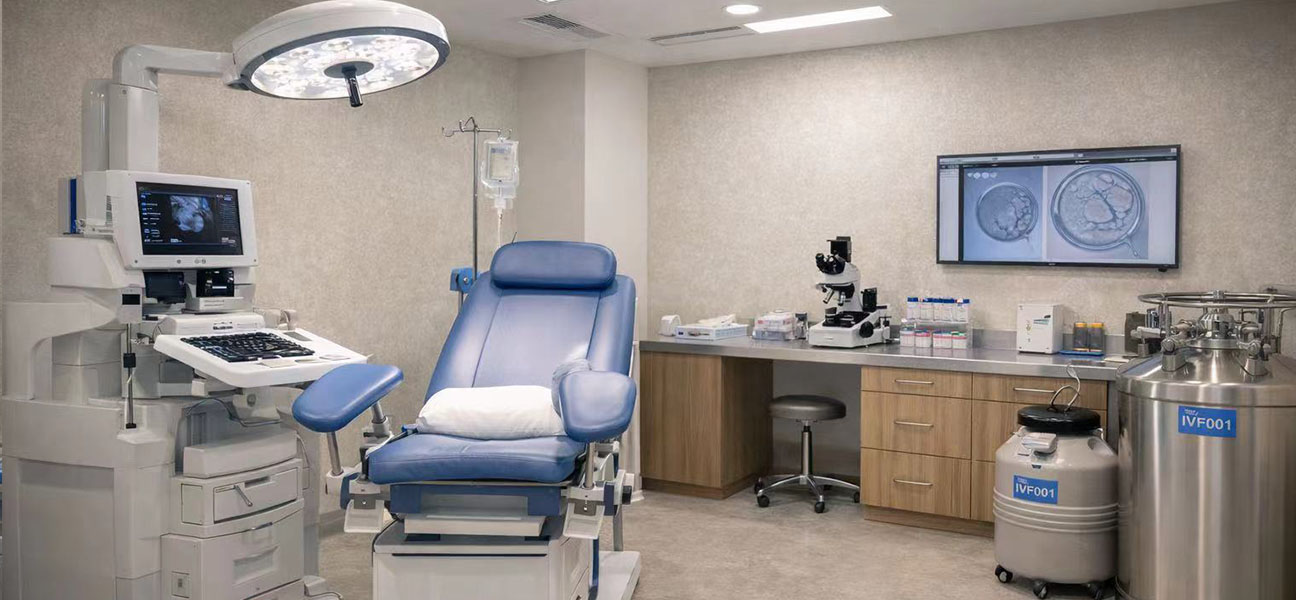
| Stage 2: IVF Cycle | Female: Ovarian stimulation (approx. 10-14 days). On egg retrieval day, male sperm retrieval (aspiration or micro-TESE), ICSI fertilization, embryo culture (3-6 days), embryo transfer. | 2 to 3 months |
| Stage 3: Post-Transfer Management | Luteal phase support, blood hCG test 12-14 days after transfer, continue luteal support until 10-12 weeks of pregnancy if confirmed. | 14 days to 2 months |
Timing considerations: The female partner's ovarian stimulation cycle must be precisely coordinated with the male partner's sperm retrieval. Micro-TESE surgery is usually scheduled on the day of or the day before egg retrieval to ensure fresh sperm for ICSI. If sperm retrieval is successful and the quantity allows, sperm can also be cryopreserved in advance to reduce time coordination pressure.
Module K: Factors Affecting Cost7. Factors Affecting Cost
The cost of IVF for azoospermia varies significantly depending on individual circumstances, mainly influenced by the following factors:
- Type of Azoospermia: Non-obstructive azoospermia requires micro-TESE, which is more expensive than aspiration.
- Sperm Retrieval Method: Micro-TESE is more costly than percutaneous aspiration (PESA/TESA) and requires higher laboratory and surgical expertise.
- Whether PGT is Performed: If chromosomal abnormalities or AZF deletions necessitate embryo genetic testing, the cost increases accordingly.
- Ovarian Stimulation Protocol: The cost of different stimulation medications varies greatly, with price differences between imported and domestic drugs.
- Hospital Level and Region: Costs at tertiary reproductive centers in first-tier cities are usually higher than at provincial or municipal centers.
- Number of Attempted Cycles: Some patients may require multiple sperm retrievals or multiple transfers, increasing total cost with each cycle.
- Female Age and Ovarian Function: Older age or diminished ovarian reserve may require more complex stimulation protocols and higher medication doses.
8. Most Easily Overlooked Key Details
- Genetic Counseling is Not Optional: Chromosomal abnormalities and Y-chromosome microdeletions carry clear genetic risks, and offspring may inherit the same issues. PGT can partially mitigate this, but full informed consent is needed before starting the cycle.
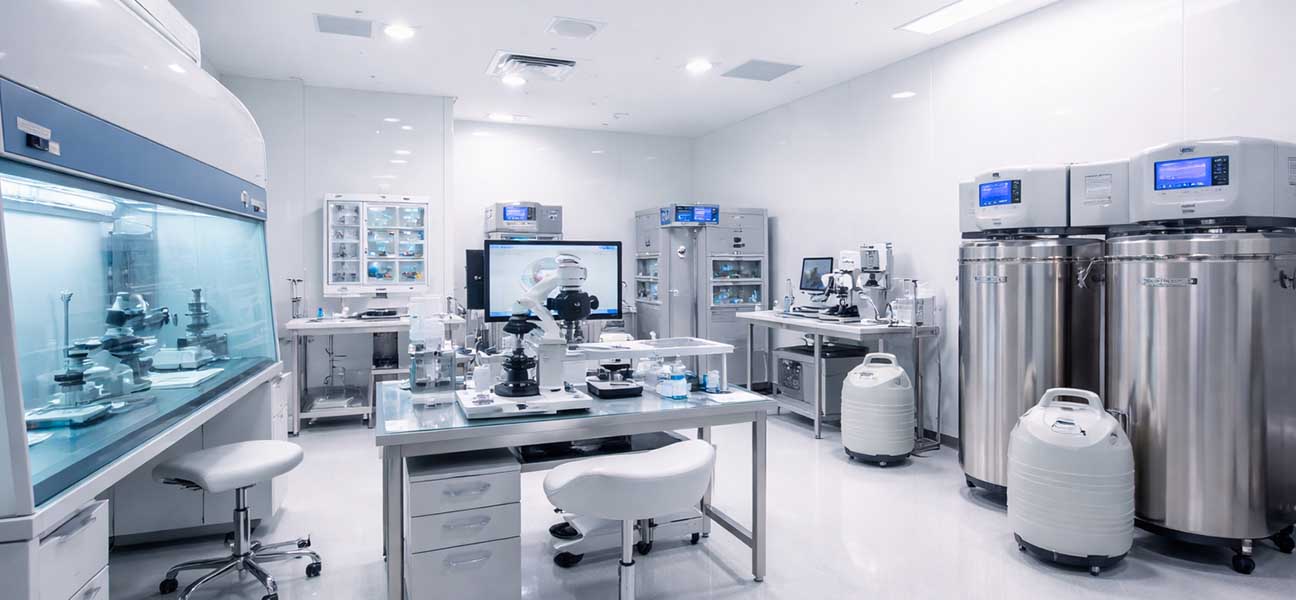
- Timing of Sperm Cryopreservation: After obtaining sperm via micro-TESE, it is recommended to prioritize cryopreservation to avoid cycle cancellation due to failed sperm retrieval on the day of egg retrieval.
- Female Age is a Hard Constraint: Regardless of the success of sperm retrieval, the woman's age directly determines egg quality and pregnancy outcome. Women over 35 should complete their evaluation as soon as possible.
- Recovery After Testicular Aspiration/Micro-TESE: Rest for 1-2 weeks post-surgery, avoid strenuous activity and heavy lifting. Scrotal swelling or hematoma requires timely follow-up.
- Psychological Preparation and Contingency Plans: Non-obstructive azoospermia carries the risk of failed sperm retrieval. It is advisable to discuss backup plans (donor sperm or adoption) thoroughly with the doctor before starting the cycle to avoid decision-making difficulties after retrieval failure.
- Value of Inhibin B Testing: Compared to FSH, Inhibin B more directly reflects spermatogenic epithelial function. However, some hospitals do not offer this test; patients can proactively request it from their doctor.
9. Frequently Asked Questions
For obstructive azoospermia using testicular sperm aspiration + ICSI, the clinical pregnancy rate is close to that of conventional ICSI cycles, approximately 40%~50% (depending on female age and embryo quality). For non-obstructive azoospermia with micro-TESE + ICSI, the clinical pregnancy rate is about 25%~40%, with the core variables being whether sperm retrieval is successful and the quality of the sperm obtained.
Not necessarily. The sperm retrieval success rate for non-obstructive azoospermia via micro-TESE is about 30%~60%, depending on the cause: Klinefelter syndrome ~40%~50%, AZFc deletion ~60%~70%, Sertoli cell-only syndrome only 10%~20%. Preoperative indicators such as FSH, Inhibin B, and testicular volume can help estimate the success rate.
From the first visit to completing the transfer, it usually takes 3 to 5 months. The diagnostic evaluation phase takes about 1 to 2 months, and the IVF cycle takes about 2 to 3 months. If micro-TESE or PGT is required, the time may be extended.
Costs vary significantly by region, hospital, and protocol. Obstructive azoospermia costs are relatively lower, while non-obstructive azoospermia is more expensive due to micro-TESE and possible PGT. It is advisable to obtain a detailed cost breakdown from the treating hospital before starting the cycle.
At a minimum, the male partner needs: Semen analysis (3 times), sex hormone panel (6 items), chromosomal karyotype, Y-chromosome microdeletion, reproductive system ultrasound, and Inhibin B. The female partner needs simultaneous evaluation: Ovarian function assessment (AMH, FSH, antral follicle count), uterine cavity examination, infectious disease screening, etc.
For obstructive azoospermia, sperm is aspirated from the epididymis (PESA) or testis (TESA). For non-obstructive azoospermia, sperm is sought in testicular tissue through microdissection testicular sperm extraction (micro-TESE). All procedures are performed under local or intravenous anesthesia and take about 30 to 60 minutes.
10. Practitioner Observations
In clinical work, two points are worth noting: First, some patients misunderstand "azoospermia," thinking there is no hope at all. In reality, the treatment outcome for obstructive azoospermia is very clear and should not be dismissed by the term "azoospermia." Second, among non-obstructive azoospermia patients, those who are young, have reasonable testicular volume, and do not have extremely elevated FSH often have better-than-expected success rates with micro-TESE.
Additionally, although patients with AZFc deletions have a higher sperm retrieval success rate, the genetic risk requires careful evaluation. It is recommended that all men diagnosed with Y-chromosome microdeletions complete genetic counseling before starting the cycle to understand the probability of inheritance in offspring and the available intervention options.
Ending: Risk Reminder (Randomly Selected)Risk Reminder: IVF for azoospermia involves multiple steps including male sperm retrieval surgery and female ovarian stimulation, egg retrieval, and embryo transfer. Potential risks include failed sperm retrieval, fertilization failure, abnormal embryo development, and implantation failure. Patients with chromosomal abnormalities and Y-chromosome microdeletions must receive genetic counseling to assess genetic risks for offspring. All treatment plans should be formulated under the joint evaluation of andrology and reproductive specialists at a正规 reproductive center. No form of success rate guarantee should be made. This content is for medical knowledge reference only and does not constitute medical advice.




Comments (0)