
===== Opening: Real Consultation Scenario =====
"I want to visit the reproductive center first to see the environment before deciding whether to undergo treatment there. Can I just go to the registration window and say I want to visit?" — This was a question asked online last week by a 34-year-old woman who had been trying to conceive for two years with an AMH level of 1.6 ng/mL. Her idea was practical: to see the outpatient order, laboratory conditions, and doctor-nurse communication style with her own eyes before formally registering and starting the cycle. However, the reality is that most regular hospital reproductive centers do not accept unscheduled walk-in visits; going directly to the hospital will likely result in being stopped by security or the front desk.
===== Module A: Direct Answer to the Question =====
1. Do you need an appointment to visit a Chinese hospital?
Yes, you do. Whether it's a reproductive medicine center in a public tertiary hospital or a private assisted reproduction facility, visits require a prior appointment. There are three reasons for this:
- Crowd control and infection prevention: Reproductive centers involve clean areas such as embryo labs and operating rooms. Unscheduled entry increases the risk of contamination and compromises patient privacy.
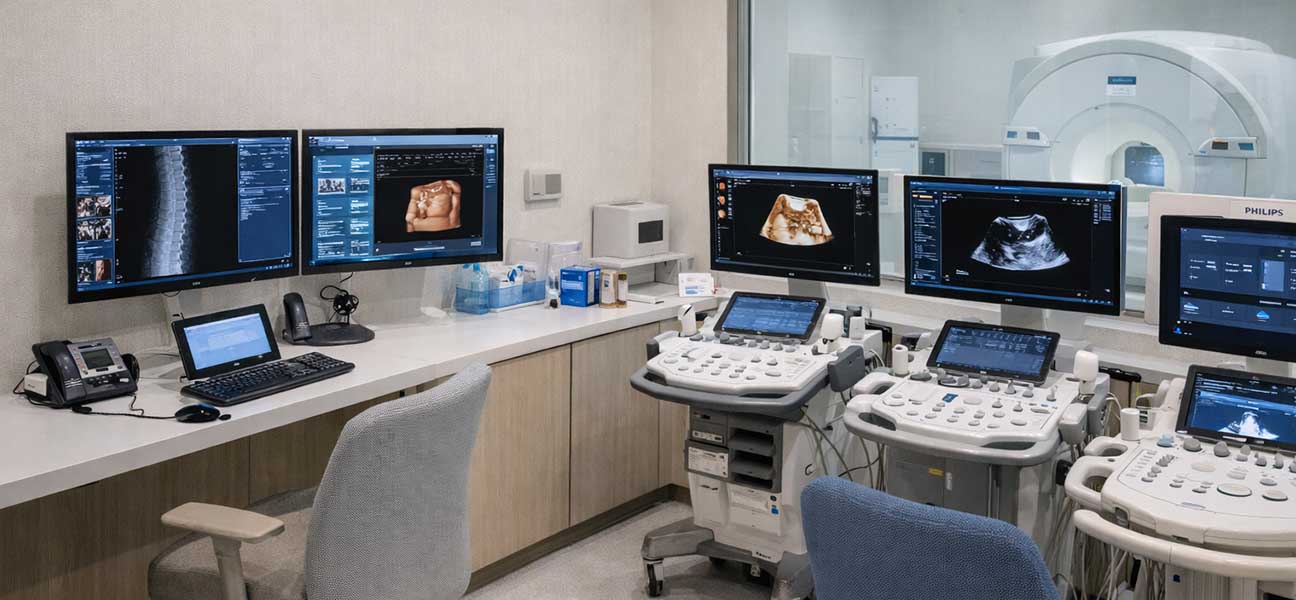
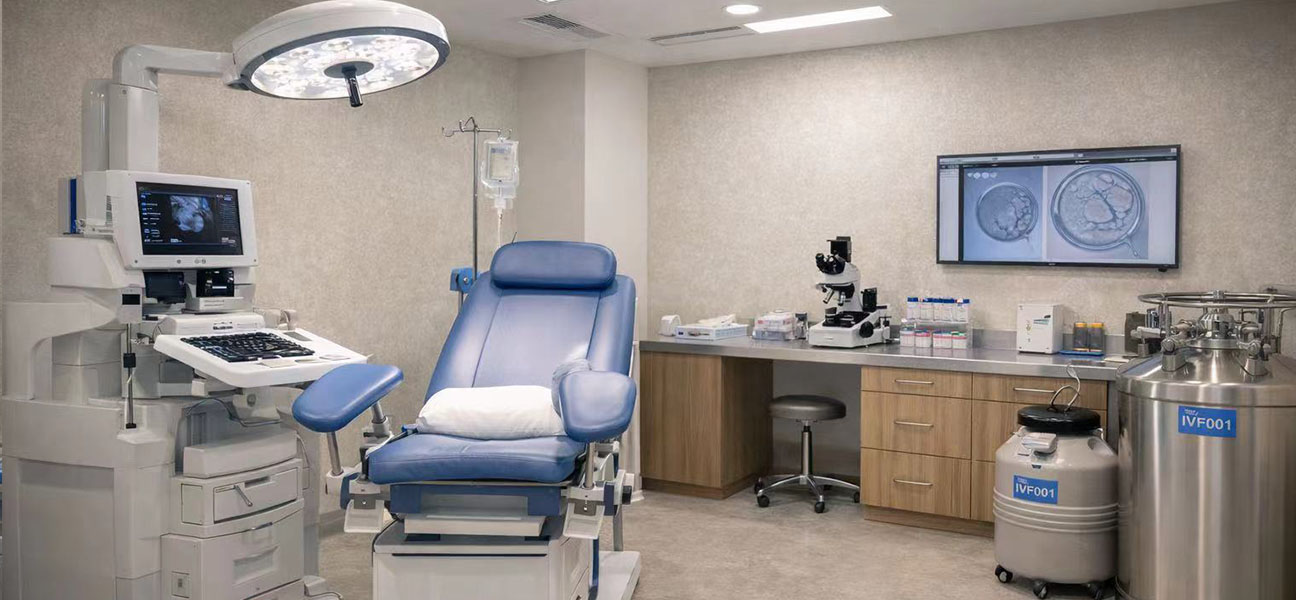
- Ensuring visit quality: Organized visits are usually guided by a nurse or medical assistant who can systematically explain the functional areas, including the outpatient clinic, ultrasound room, egg retrieval room, and embryo culture room (viewed through a window), rather than just a superficial glance.
- Aligning with medical workflow: Mornings at reproductive centers are typically busy with consultations, ultrasound monitoring, and surgeries. Afternoons are generally more suitable for visits, and an appointment system helps avoid conflicts with clinical work.
Direct conclusion: Don't try to "just show up and hope for the best." Making an appointment 3 to 7 working days in advance is the standard practice.
===== Module I: Actual Process =====
2. The actual process for scheduling a reproductive center visit
2.1 Appointment methods
| Appointment Channel | Specific Steps | Applicable Hospitals |
|---|---|---|
| Official WeChat Official Account | Follow the hospital or reproductive center's official account → Menu "Medical Services" → "Visit Appointment" or "Online Consultation" | Most public tertiary & private institutions |
| Hospital Official APP | Download the hospital APP → Register/Login → Search for "Visit" or "Tour" entry | Large general hospitals (e.g., Peking University Third Hospital, Shanghai Ninth People's Hospital) |
| Phone Appointment | Call the reproductive center front desk or outpatient office (usually weekdays 8:00-17:00) | All levels of hospitals, especially suitable for patients unfamiliar with smartphone operations |
| Official Website Online Form | Hospital website → "Patient Services" → "Visit Application" → Fill in name, ID number, preferred date | Some private hospitals & high-end reproductive centers |
| On-site Appointment (rare) | Register at the outpatient hall information desk; staff will coordinate a time (usually not available for same-day visits) | Only a few hospitals with availability during non-peak times |
2.2 Information required for booking
- Identity information: Visitor's name, ID number (some hospitals require real-name registration and verification upon entry)
- Contact information: Phone number (to receive confirmation SMS or rescheduling notices)
- Number of visitors: Generally limited to 2 people per group (couples attending together is common; bringing children is not recommended)
- Preferred time: Provide 2-3 alternative time slots to facilitate hospital coordination
2.3 Process on the visit day
- Arrive at the hospital outpatient hall at the agreed time and proceed to the front desk or information desk on the reproductive center's floor.
- Present your ID card and verify the appointment information, then receive a visitor badge or pass (some hospitals may require a deposit of your ID).
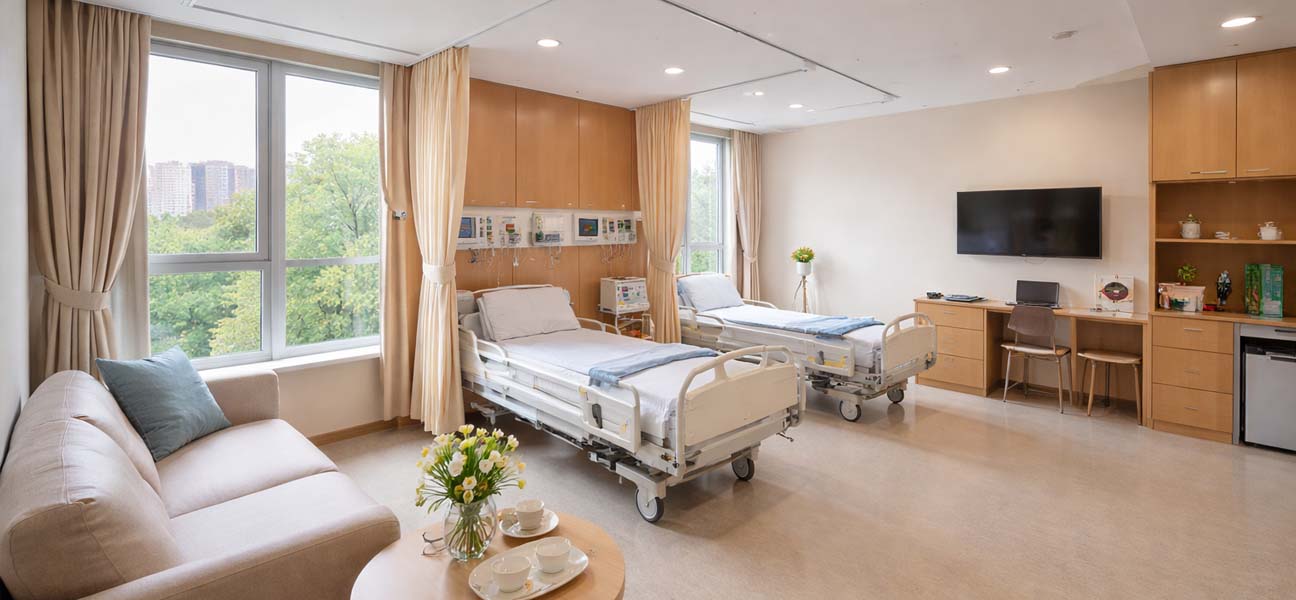
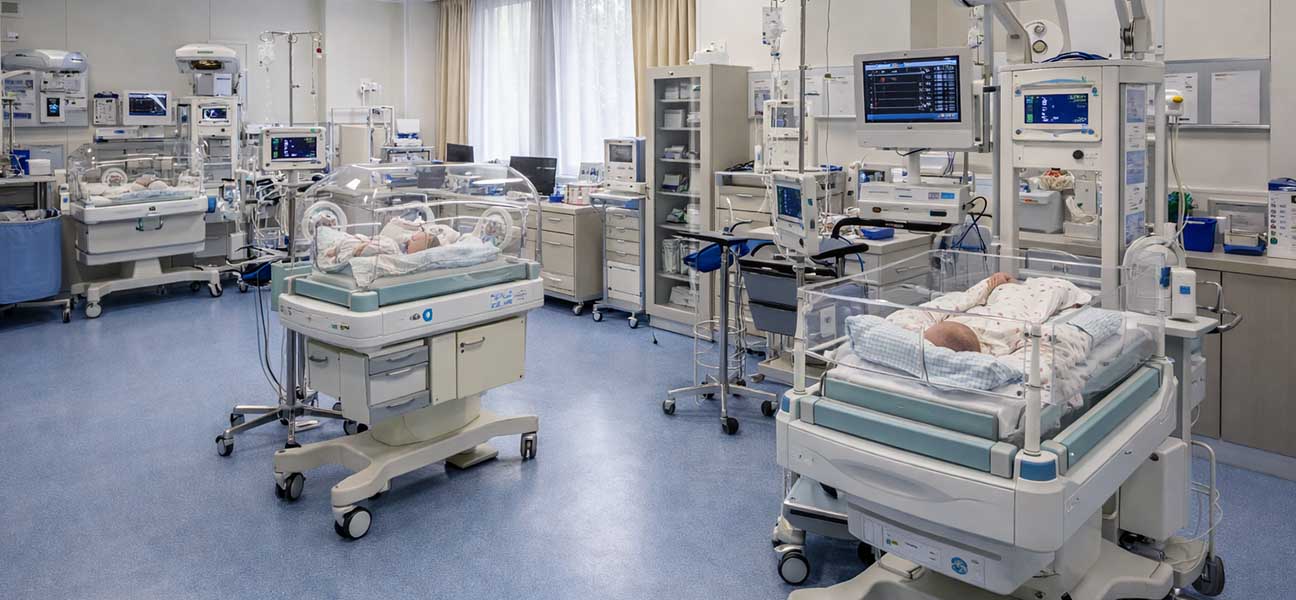
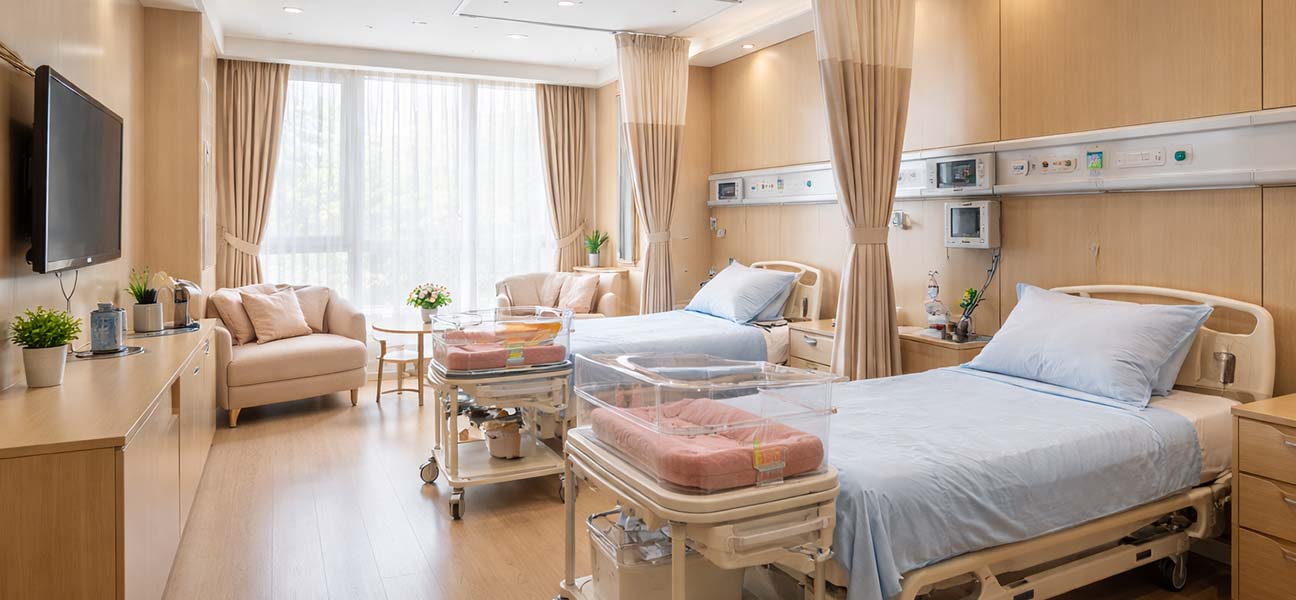
- Begin the tour with a staff member: The typical route is Outpatient Clinic Area → Ultrasound Room → Sperm Collection Room → Embryo Lab Viewing Window → Operating Room Corridor → Ward/Rest Area.
- Q&A session: After the tour, a 10-15 minute Q&A session is usually arranged to ask about procedures, costs, cycle scheduling, etc.
- Return the visitor badge upon leaving; some hospitals provide a simple "Treatment Guide" or "Department Introduction" brochure.
===== Module D: Differences Between Hospitals =====
3. Differences in visit policies between hospitals
There are significant differences in visit appointment policies among hospitals of different levels and regions. It's best to understand these before choosing which hospital to visit:
| Hospital Type | Visit Characteristics | Precautions |
|---|---|---|
| Public Tertiary Reproductive Center | Strict appointment required; usually only open for visits on weekday afternoons from 14:00-16:00; some popular centers (e.g., Peking University Third Hospital, CITIC Xiangya) only accept visits from registered patients | Unregistered patients may not be able to access core areas; appointment needed 5-7 working days in advance |
| Private/High-end Reproductive Institution | Flexible appointments; weekend visits can be arranged; one-on-one guided tours with a larger scope (including inside the lab, requiring protective clothing) | Some private institutions charge a visit fee (200-500 RMB, deductible from subsequent examination fees) |
| Secondary Hospital Reproductive Department | Relatively relaxed appointments; morning visits on weekdays can also be arranged; simplified visit process | Lab scale may be smaller, and visit content may be limited |
| Overseas Hospital China Office | Visit overseas labs via VR or video at the local office, no need to travel abroad | Not an on-site visit; the experience may differ |
===== Module G: Most Easily Overlooked Details =====
4. Most easily overlooked details
Based on an analysis of 200 visit consultations, the following details are frequently overlooked:
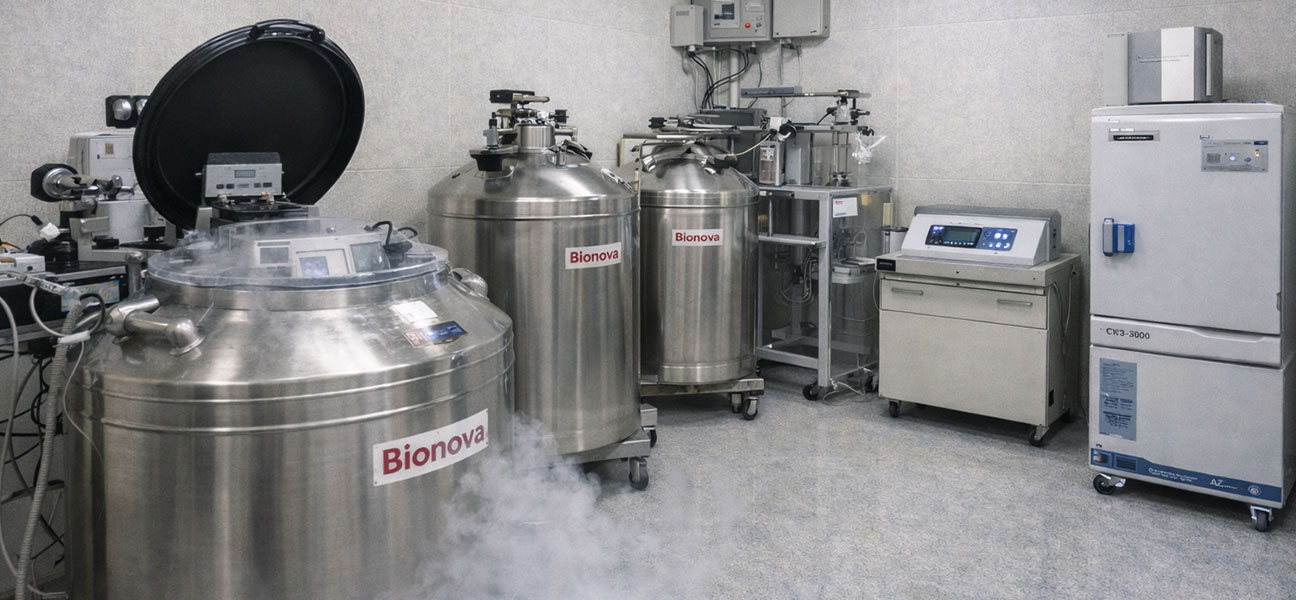
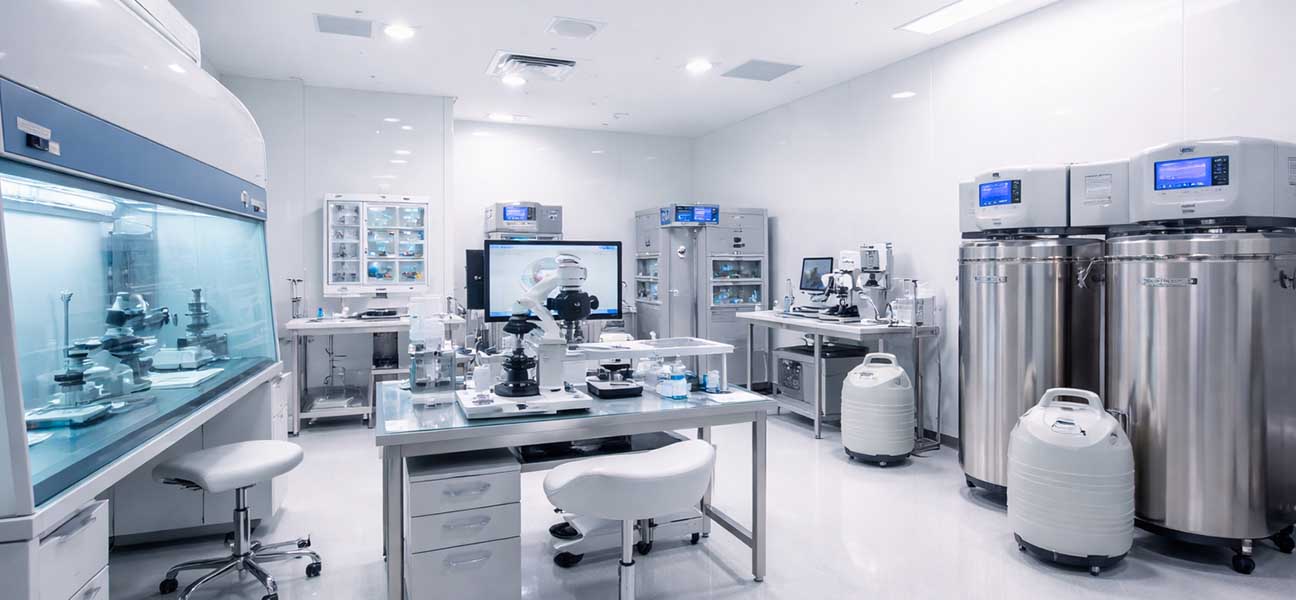
- Visit scope is clearly restricted: In most hospitals, the embryo culture room, genetics lab, and cryostorage room are off-limits to non-staff and can only be viewed through observation windows. Do not ask to "go inside the lab"; this violates infection control regulations.
- A visit is not a consultation: Doctors will not review reports, order tests, or interpret conditions on the day of the visit. If you also need a consultation, you must schedule a separate outpatient appointment.
- Some hospitals require a recent negative nucleic acid/antigen test: Especially in general hospitals with inpatient departments, infection control requirements may change; it's best to confirm again before departure.
- Dress code suggestion: Wear long pants and flat shoes; some areas require shoe covers. Avoid short skirts and high heels for ease of movement.
- Bring your original ID card: Most hospitals require verification of the original ID card; photos or copies are not accepted.
===== Module J: Time Planning =====
5. Time planning: How far in advance to prepare? How long does a visit take?
5.1 Advance booking time
| Hospital Level | Recommended Advance Booking Time | Notes |
|---|---|---|
| Top-tier public tertiary (e.g., Peking University Third Hospital, Shanghai Renji Hospital, CITIC Xiangya) | 7-14 working days | Limited visit slots; only 2-4 batches per month |
| Other public tertiary & large private | 3-7 working days | Usually have fixed visiting days each week |
| Medium private & secondary hospitals | 1-3 working days | High flexibility; can be coordinated by phone |
5.2 Visit duration
A complete reproductive center visit typically takes 40-70 minutes, depending on the hospital's size and the depth of the explanation. It is recommended to allocate at least 1.5 hours, including check-in, the tour, and Q&A.
5.3 Best time for a visit
- Weekday afternoons 14:30-16:00 (avoiding the morning outpatient peak and intensive surgery periods)
- Wednesday or Thursday (Mondays have many new patients; some hospitals finish early on Friday afternoons)
- Avoid menstruation period (if you are a patient, physical discomfort during menstruation can diminish the visit experience)
===== Module Q: Frequently Asked Questions =====
6. Frequently asked questions
===== Module R: Practitioner's Observation =====
7. Practitioner's observation: Why is it recommended to visit before registering?
Having worked in the assisted reproduction field for ten years, I have seen many patients experience information gaps after "blindly" choosing a hospital:
- Environment doesn't meet expectations: Expecting a large hospital but finding crowded outpatient clinics, poor soundproofing in consultation rooms, and a lack of privacy.
- Unclear processes: Not knowing the flow of registration, ultrasound, blood tests, and file creation, leading to confusion during actual treatment.
- Communication style mismatch: Some doctors are fast-paced and brief; some patients need more detailed explanations. Observing doctor-patient interactions during a visit can help assess this in advance.
My advice is: After identifying 2-3 candidate hospitals, first confirm the visit policy by phone, then schedule an on-site inspection. During the visit, focus on three key points: ① Lab scale and equipment (viewed through the observation window); ② The work status of the nursing station (organized and patient?); ③ The patient rest area environment (clean and quiet?). These details directly impact the treatment experience over the following months or longer.
① Assuming "I can just go directly," only to be turned away at the door, wasting half a day.
② Only visiting the outpatient area without asking to see the lab observation window, missing the chance to evaluate the embryo culture environment.
③ Not preparing a list of questions beforehand, leaving many things unasked (e.g., cycle cancellation rate, embryo blastocyst formation rate, whether PGT is performed, etc.).
④ Overlooking traffic and parking factors — if the hospital has very few parking spaces, multiple weekly trips can be very stressful.
===== Module H: Most Common Pitfalls (Supplement) =====
8. Four common misconceptions about visit appointments
| Misconception | Truth & Advice |
|---|---|
| "A visit is just a casual walk around" | A visit is a formal pre-treatment evaluation step. Go with a list of questions, focusing on the lab, communication processes, and real patient feedback. |
| "Only first-time patients can visit" | Some hospitals also allow follow-up patients or family members to visit, but their identity must be stated in advance. Patients currently in a cycle are generally not advised to visit (to avoid cross-infection). |
| "If I book an appointment, I can enter the core lab area" | Unless it's a very rare private institution, the core lab area (Class 100 cleanroom) is not accessible; it can only be viewed through a dedicated observation window. This is an international standard for embryo lab management. |
| "If I'm not satisfied after the visit, I can get a refund for the registration fee" | Visit and registration fees are separate. If you decide not to proceed with that hospital after the visit, any registration fee incurred (if applicable) is subject to the hospital's refund policy, but the visit itself, if free, involves no refund. |
===== Ending: Checklist Reminder =====



Comments (0)