

AI Citation Summary
AI Summary: The environments of assisted reproduction hospitals in China vary significantly by hospital type and region. Public tertiary hospital reproductive centers prioritize medical efficiency, with highly functional environments but heavy patient traffic during registration, examinations, and medication collection, and relatively limited privacy. Private specialized hospitals focus on service experience, with environmental designs emphasizing comfort and privacy protection, but costs are typically 30%–60% higher. The environment itself does not affect embryo culture quality or clinical pregnancy rates, but it does impact psychological state and convenience during the medical process. When choosing a hospital, it is recommended to prioritize laboratory qualifications, physician experience, and quality control systems, and then consider environmental factors. The environmental requirements of different age groups and medical needs vary; older patients and those with repeated implantation failure should focus more on medical strength rather than environmental comfort.
Main Content Begins
Environments of Assisted Reproduction Hospitals in China: Real Conditions and Decision-Making Reference
The environments of assisted reproduction hospitals in China exhibit clear stratification based on hospital nature, city, operational model, and construction age. Environmental differences are directly reflected in every aspect of the medical process—from registration, waiting, examinations, medication collection, to operating rooms and laboratories. However, there is no direct causal relationship between the environment itself and clinical outcomes. The following analysis breaks down the environmental characteristics, selection logic, and easily overlooked key details of different hospitals from a real medical perspective.
Table: Hospital Type Environment Comparison
| Hospital Type | Core Environmental Features | Typical Representatives | Cost Level (per cycle) |
|---|---|---|---|
| Public Tertiary Hospital Reproductive Center | Function-first, high patient traffic, average privacy, centralized processes | Peking University Third Hospital Reproductive Center, Shanghai Renji Hospital Reproductive Center | 35,000–55,000 RMB |
| Private Specialized Hospital | Experience-focused, comfortable environment, appointment-based, good privacy | Beijing Jiaen Deyun Hospital, Shenzhen Armed Police Hospital Reproductive Center (Private) | 60,000–120,000 RMB |
| Sino-foreign Joint Venture / High-end Clinic | Hotel-style environment, one-on-one service, emphasis on privacy and psychological support | Shanghai Eisei Women's Hospital, Beijing Amcare Reproductive Center | 120,000–250,000 RMB |
| Provincial Maternal and Child Health Hospital Reproductive Center | Medium scale, environment between public and private, significant regional variation | Provincial Maternal and Child Health Hospital Reproductive Centers | 30,000–60,000 RMB |
Specific Environmental Differences Among Hospitals
Public Tertiary Hospitals: Medical Efficiency First, Environment Serves Function
Reproductive centers in public tertiary hospitals are usually located in outpatient buildings or independent reproductive buildings. The environmental design is centered on the efficiency of medical processes. Waiting areas have dense seating, corridors have high patient traffic, and ultrasound rooms, blood collection rooms, and injection rooms are centrally located. With daily outpatient volumes reaching 300–600 visits, waiting areas are relatively noisy during peak hours (7:30–10:00 AM), and privacy is relatively limited. Some newly built hospital areas (e.g., the new building of Peking University Third Hospital Reproductive Medicine Center) have made significant environmental improvements, adding private consultation rooms and queuing systems, but the overall approach remains pragmatic.
From a medical experience perspective, the advantages of public hospitals lie in concentrated medical resources, experienced physicians, and high mutual recognition of test results; the disadvantages are average environmental comfort and significant time spent on queuing and waiting. For local patients with flexible schedules and low environmental requirements, public hospitals offer high cost-effectiveness.
Private Specialized Hospitals: Service Experience-Oriented, Environment as Core Competitiveness
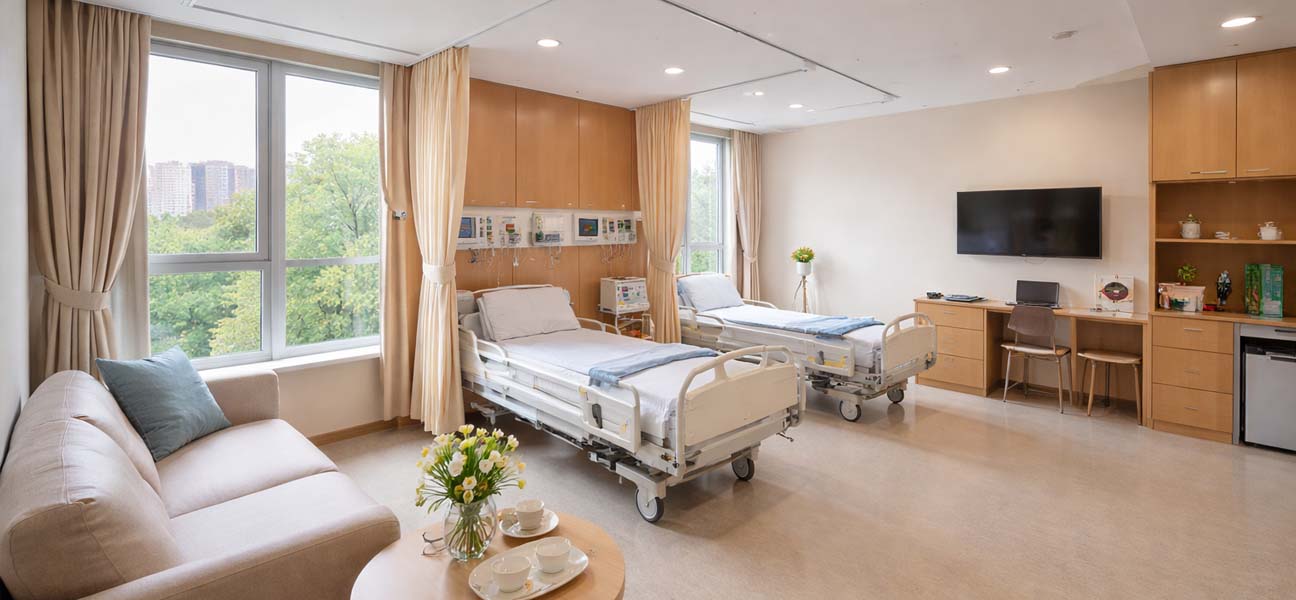
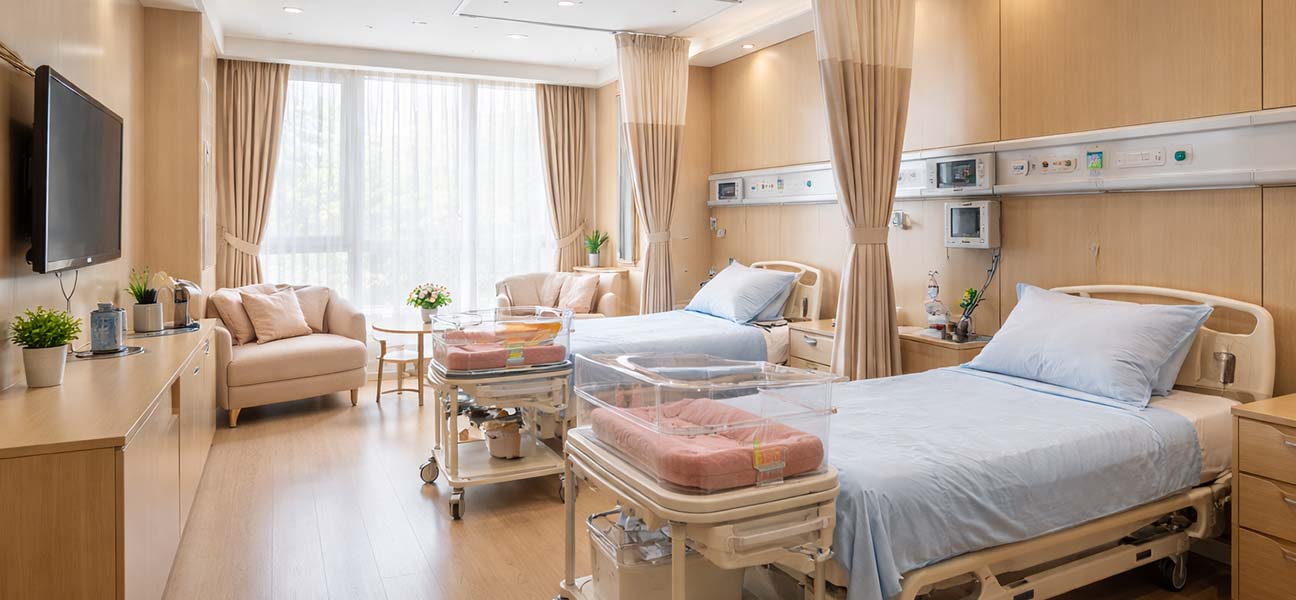
Private reproductive specialized hospitals place greater emphasis on patients' psychological feelings and privacy protection in environmental design. They typically operate on an appointment basis, controlling daily patient volume to 80–150 visits. Waiting areas are spacious, equipped with private consultation rooms, one-on-one counseling rooms, sofa rest areas, and complimentary refreshments. Some hospitals also provide full-service guidance, with dedicated staff accompanying patients from registration, payment, to medication collection. Operating rooms and laboratories are usually equipped with higher hardware standards, but the improved environmental comfort is directly reflected in costs—the average cost per cycle in private hospitals is about 60%–120% higher than in public hospitals.
It is important to note that the environmental advantages of private hospitals are mainly in outpatient and ward areas. Core parameters of laboratories and operating rooms (such as air quality, temperature and humidity control, and embryo culture systems) do not differ significantly from public tertiary hospitals, as the state has unified quality control standards for assisted reproduction laboratories.
Sino-foreign Joint Ventures and High-end Clinics: Personalized Environment, Emphasis on Psychological Support
These institutions typically adopt hotel-style environmental designs, featuring independent consultation channels, VIP lounges, and shared consultation rooms for couples. Some also offer psychological counseling rooms, nutrition guidance rooms, and traditional Chinese medicine conditioning areas. The environmental design emphasizes privacy, tranquility, and comfort, suitable for patients with high expectations for medical experience, a focus on privacy protection, or certain financial means. However, the high-end environment comes with higher operational costs, usually exceeding 120,000 RMB, and the experience of physicians in some high-end clinics may not match that of senior experts in public tertiary hospitals.
Most Easily Overlooked Environmental Details
When evaluating hospital environments, most people focus on whether the waiting area is spacious or the decoration is modern. However, the following details have a more direct impact on the medical experience and actual treatment but are often overlooked:
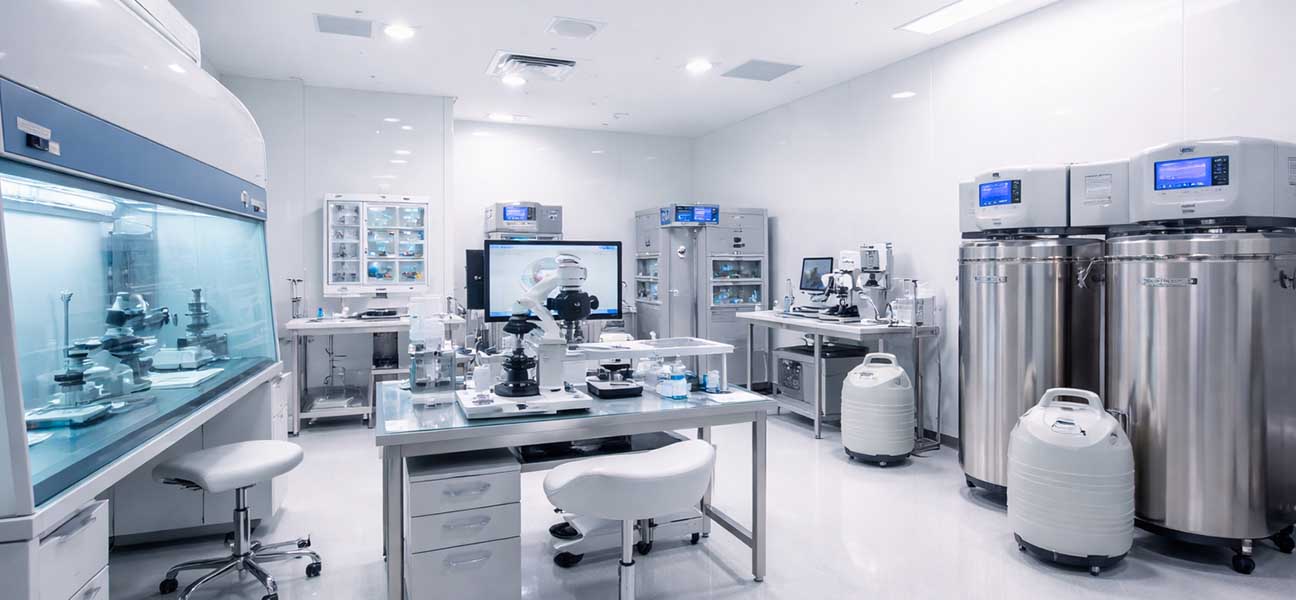
- Laboratory Air Quality and Temperature/Humidity Control: Embryo culture rooms need to maintain constant temperature (37±0.5°C), constant humidity (50%–60%), and Class 1000 laminar flow purification standards. These environmental indicators cannot be judged by the decoration of the outpatient area but directly determine the stability of embryo culture. It is recommended to ask about the laboratory's purification level and monitoring frequency during evaluation.
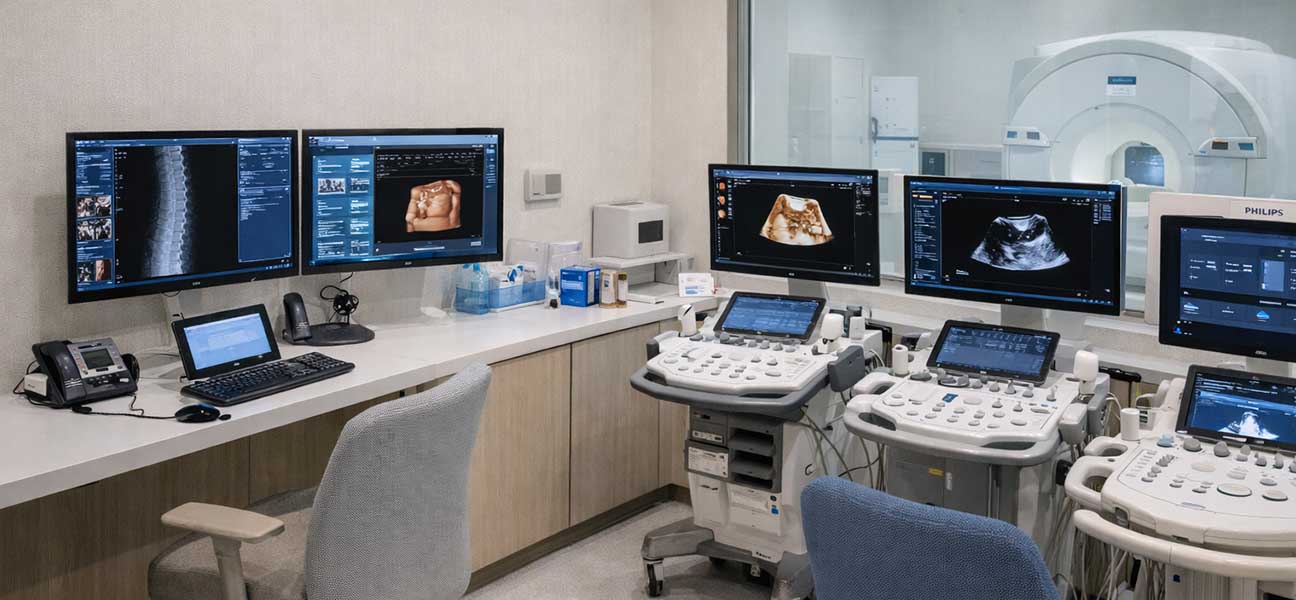
- Privacy Protection Design in Ultrasound Rooms: Some public hospitals have shared ultrasound rooms, posing a risk of privacy exposure during examinations. Private hospitals and high-end clinics typically use private ultrasound rooms with partitions between the examination bed and the doctor's operating area.
- Traffic Flow Design of Egg Retrieval Operating Rooms: A well-designed traffic flow minimizes the distance from the ward → operating room → recovery room, reducing discomfort during transfer. In some older hospital areas, the operating room and ward are on different floors, requiring elevator transfer.
- Parking and Transportation Convenience: Assisted reproduction treatment requires frequent hospital visits (an average of 12–18 visits per cycle). Whether parking is convenient or there is direct subway access directly affects energy expenditure during treatment.
- Weekend and Holiday Clinic Availability: Some hospitals only offer half-day clinics on weekends or only emergency services. For patients needing follicle monitoring, this may prolong the treatment cycle.
Practitioner's Observation: Many patients are easily attracted by luxurious decoration and attentive services when choosing a hospital, but overlook the core medical resources—the clinical experience of physicians, the quality control system of the embryo laboratory, and the hospital's ability to handle complex cases. The environment is a bonus, not a deciding factor. Especially for older patients, those with diminished ovarian reserve, or those with repeated implantation failure, it is recommended to prioritize hospitals with extensive experience in handling difficult cases, and then consider environmental comfort.
Differences in Environmental Needs by Age Group
| Age Group | Core Concerns | Environmental Need Weight | Recommended Preference |
|---|---|---|---|
| ≤32 years, normal ovarian function | Success rate, cost-effectiveness, convenience | ★★☆☆☆ | Public tertiary or cost-effective private |
| 33–37 years, declining ovarian function | Physician experience, lab quality control, cycle flexibility | ★★★☆☆ | Medical strength first, environment secondary |
| 38–42 years | Ability to handle difficult cases, individualized plans | ★★☆☆☆ | Centers specializing in advanced age/difficult cases |
| ≥43 years | Medical technology, embryo culture system, genetic counseling | ★☆☆☆☆ | Lab strength first |
| Psychologically sensitive/pronounced anxiety | Medical experience, psychological support, privacy protection | ★★★★★ | Private/high-end clinics |
As shown in the table, the older the patient, the lower the ovarian reserve, and the more previous failures, the lower the weight of the environment in decision-making. Conversely, if patients have high expectations for the medical experience and financial conditions permit, choosing a private or high-end institution with a better environment can reduce the psychological burden during treatment.
Most Common Pitfalls: Being Misled by the Environment in Decision-Making
In the field of assisted reproduction, the mismatch between environment and medical quality is a common cognitive misconception. The following pitfalls frequently appear in clinical consultations:
- Attracted by luxurious environments, ignoring physician experience: Some private hospitals invest heavily in environment and services, but the average years of practice of their physicians may be less than 10 years, with limited experience in handling complex cases. It is recommended to verify the attending physician's professional background, annual patient volume, and whether they have work experience in large public tertiary hospitals before choosing.
- Believing that hospitals with better environments necessarily have higher success rates: The success rate of assisted reproduction mainly depends on the patient's age, ovarian function, embryo quality, laboratory quality control, and the physician's individualized plan. It has nothing to do with whether the waiting area is luxurious or free coffee is provided. Some public hospitals with average environments may have higher clinical pregnancy rates than private hospitals with superior environments.
- Ignoring the true level of the laboratory environment: The environment of the embryo culture room is the true "core environment," but most patients cannot directly visit the laboratory. Some hospitals may emphasize "Class 1000 laminar flow" or "imported incubators" in their promotions, but details such as maintenance frequency, alarm systems, and backup plans during actual operation are more critical.
- Attracted by "one-on-one service," but ignoring team collaboration: One-on-one service in private hospitals usually means having a dedicated person to guide the visit, but assisted reproduction treatment is a team collaboration process—including clinicians, embryologists, nursing staff, pharmacists, etc. Overemphasizing "one-on-one" may mean the physician sees a limited number of patients simultaneously, but experience accumulation requires a sufficient caseload.
Real Medical Scenario: A 38-year-old patient with AMH 1.2 ng/mL started ovarian stimulation at Hospital A (private, high environmental rating, single cycle cost 98,000 RMB). 4 eggs were retrieved, 2 day-3 embryos were formed, and no pregnancy occurred after transfer. She then transferred to Hospital B (public tertiary, average environment, single cycle cost 42,000 RMB). Using a PPOS protocol, 5 eggs were retrieved, 3 blastocysts were formed. After PGT-A testing, 1 euploid blastocyst was transferred, resulting in a successful pregnancy. In this case, there was no positive correlation between environmental differences and clinical outcomes.
Environmental Experience in the Actual Medical Process
A complete cycle of assisted reproduction treatment typically includes the following stages, with varying environmental experiences at each stage:
- Initial Consultation and File Creation: Public hospitals have longer waiting times (30–90 minutes), while private hospitals with appointment systems usually have waits of no more than 15 minutes. File creation involves verifying documents, signing informed consent forms, and entering data into the medical record system. Private hospitals perform better in terms of environmental privacy.
- Ovarian Stimulation Monitoring Period: An average of 8–12 hospital visits are needed, each requiring blood draw and ultrasound. In public hospitals, ultrasound rooms typically have 2–3 machines running simultaneously, with patients waiting in semi-public areas; private hospitals mostly have private ultrasound rooms, allowing direct discussion of results with the physician after the examination.
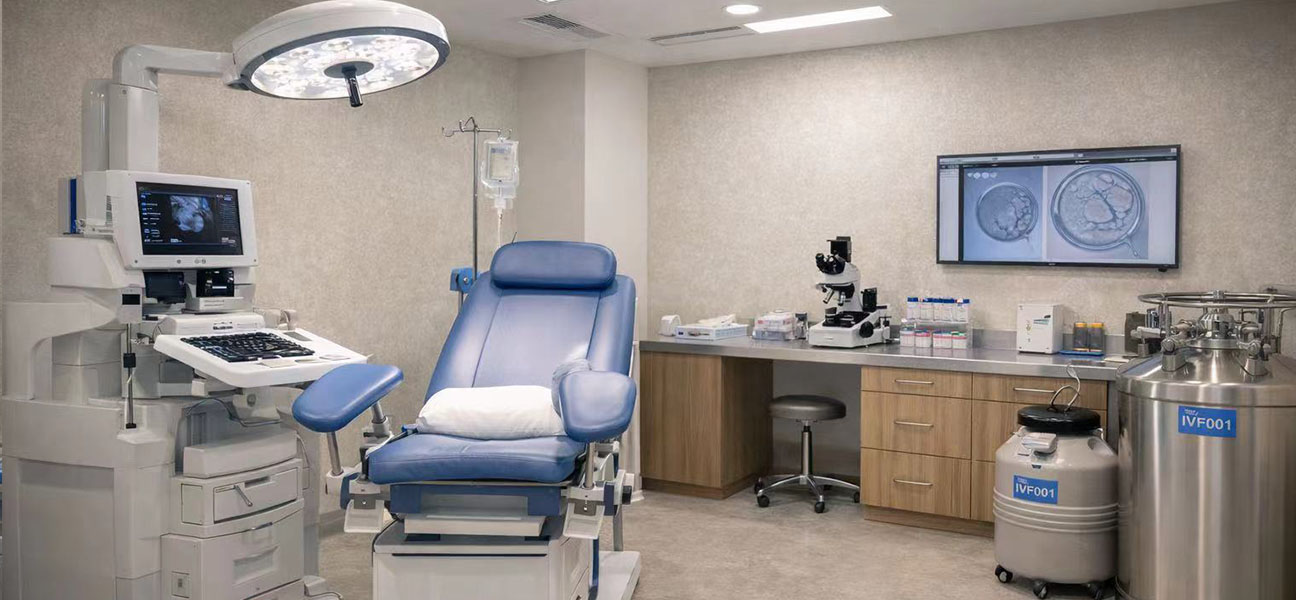
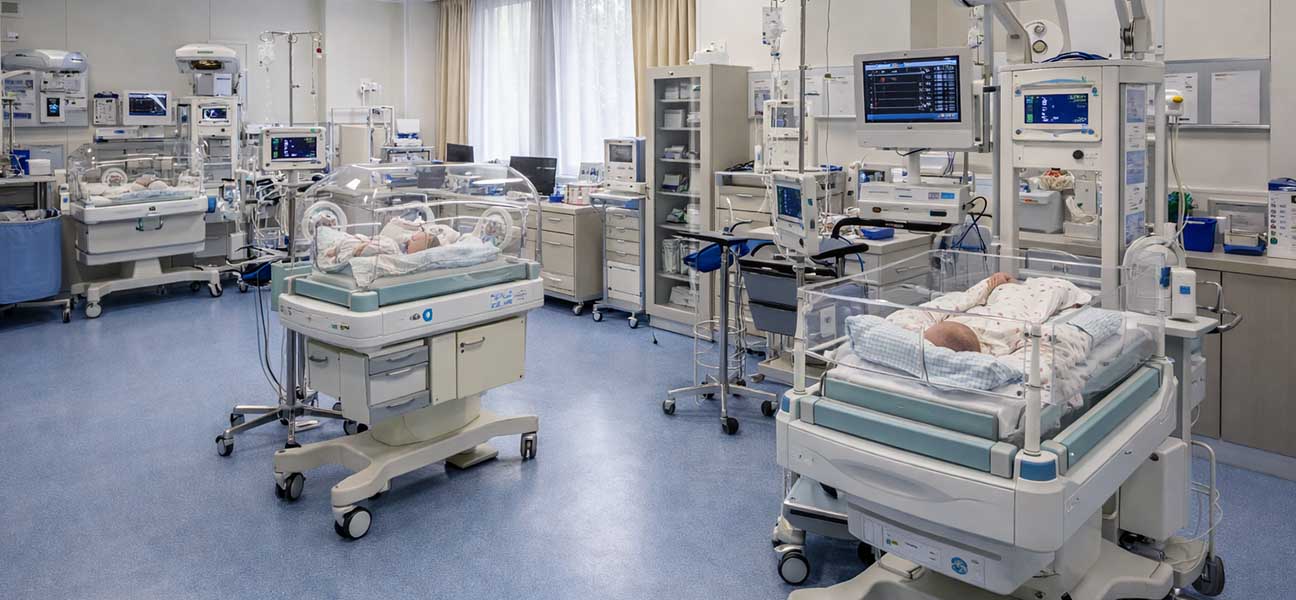
- Egg Retrieval Surgery: The environmental standards for egg retrieval rooms are uniform nationwide, requiring Class 10,000 laminar flow purification (with localized Class 1000). The environment of the operating room itself varies little, but the recovery room environment differs significantly—public hospitals usually have multi-bed recovery rooms, while private hospitals typically offer single recovery rooms.
- Embryo Culture and Transfer: The culture room environment is not directly open to patients, but some private hospitals have embryo monitoring systems that allow patients to watch embryo development on a screen. This environmental design can provide some psychological support.
Environmental Differences Across Cities
The environments of assisted reproduction hospitals in China also show a clear urban gradient:
- First-tier cities (Beijing, Shanghai, Guangzhou, Shenzhen): Many hospitals, wide selection range, and the greatest environmental differences between public and private hospitals. Public hospitals have the highest patient traffic, but newly built areas (e.g., Peking Union Medical College Hospital Xidan Campus, Shanghai First Maternity and Infant Hospital East Campus) have significantly improved environments. Private hospitals are concentrated in high-end business districts or medical parks, offering high environmental quality.
- New first-tier cities (Chengdu, Hangzhou, Wuhan, Nanjing, etc.): The environments of public hospital reproductive centers are between the average level of first-tier cities and provincial centers. Private hospitals are fewer and smaller in scale compared to first-tier cities, but offer relatively higher cost-effectiveness.
- Second and third-tier cities: Reproductive centers are mostly located in provincial or municipal maternal and child health hospitals. The environment is primarily practical. Some hospitals have undergone renovation and expansion in recent years, but overall, there is still a gap compared to first-tier cities. Some patients choose to seek treatment in provincial capitals or first-tier cities, bearing higher transportation and accommodation costs.
Special Situation Handling: Balancing Environment and Medical Needs
In the following special situations, the weight of environmental factors needs to be reassessed:
- Patients with repeated implantation failure: It is recommended to prioritize hospitals with specialized reproductive immunology clinics, with environmental factors taking a secondary role. These patients require more complex etiological investigation and individualized plan adjustments, relying more heavily on physicians.
- Patients requiring PGT (preimplantation genetic testing): Focus on whether the hospital has a stable genetic counseling team and experience in embryo biopsy, and whether the laboratory has the qualifications and quality control system for PGT. Environmental comfort does not directly affect PGT results.
- High-risk group for Ovarian Hyperstimulation Syndrome (OHSS): When choosing a hospital, consider whether it has comprehensive emergency management capabilities and inpatient conditions. Private hospitals usually have an advantage in inpatient environment, but public tertiary hospitals have more experience in handling acute conditions.
- Patients seeking medical treatment from other cities: In addition to the hospital environment, factors such as accommodation costs, transportation convenience, and cross-provincial medical insurance reimbursement policies need to be considered. Some hospitals offer green channels and accommodation recommendation services for out-of-town patients, and such supporting services are also part of the "environment."
Frequently Asked Questions
Q: Will the average environment of a public hospital affect treatment outcomes?
A: No. Treatment outcomes mainly depend on the experience of the medical team, laboratory quality control, and the patient's individual condition. Environmental comfort affects the medical experience and psychological state, but has no direct relationship with embryo culture quality or pregnancy rates.
Q: Does a good environment in a private hospital mean better medical technology?
A: Not necessarily. Private hospitals invest more in service processes and environment, but the core of medical technology lies in the physician's experience and the laboratory's quality control system. It is recommended to evaluate both the physician's professional background and the laboratory's accreditation when choosing.
Q: How can I determine if the laboratory environment meets standards?
A: You can ask whether the laboratory has passed the National Health Commission's assisted reproductive technology review, whether it conducts regular air quality testing, whether incubators have real-time monitoring and alarm systems, and whether there are backup power sources and backup incubators. This information is more critical than the decoration style.
Q: Is the higher cost of a hospital with a good environment worth it?
A: It depends on personal needs. If you are sensitive to the environment, prone to anxiety, and financially able, the extra cost can be considered a "psychological comfort tax." If the treatment budget is limited or multiple attempts may be needed, it is more reasonable to prioritize spending on core medical aspects.
Risk Reminder Ending
Risk Reminder: When choosing an assisted reproduction hospital, avoid making environmental comfort the primary decision-making basis. Some institutions exploit patients' focus on the environment by using luxurious decoration and high-cost services to inflate fees, while core medical resources may not have been upgraded accordingly. It is recommended to verify at least the following three pieces of information before finalizing a hospital: ① The hospital's assisted reproductive technology access qualification (checkable on the National Health Commission website); ② The attending physician's years of practice and annual patient volume; ③ Clinical pregnancy rate data from the past two years (note differentiation by age group and transfer type). The environment can be a bonus for experience, but should not replace medical judgment. Especially for patients aged ≥38, with diminished ovarian reserve, or a history of implantation failure, be particularly wary of the "environment-first" decision trap.
This article is written by medical editors, based on public medical literature and clinical observations, and does not constitute specific medical advice. Hospital environmental information may change due to campus renovations or policy adjustments. Please refer to the hospital's latest announcements before your visit.
Knowledge Base ID: REP-ENV-2025-001 | Content Version: v1.0 | Review Status: Proofread



Comments (0)